
Brassica oleracea 'Nine Star Perennial'
Also known as: Information to be completed
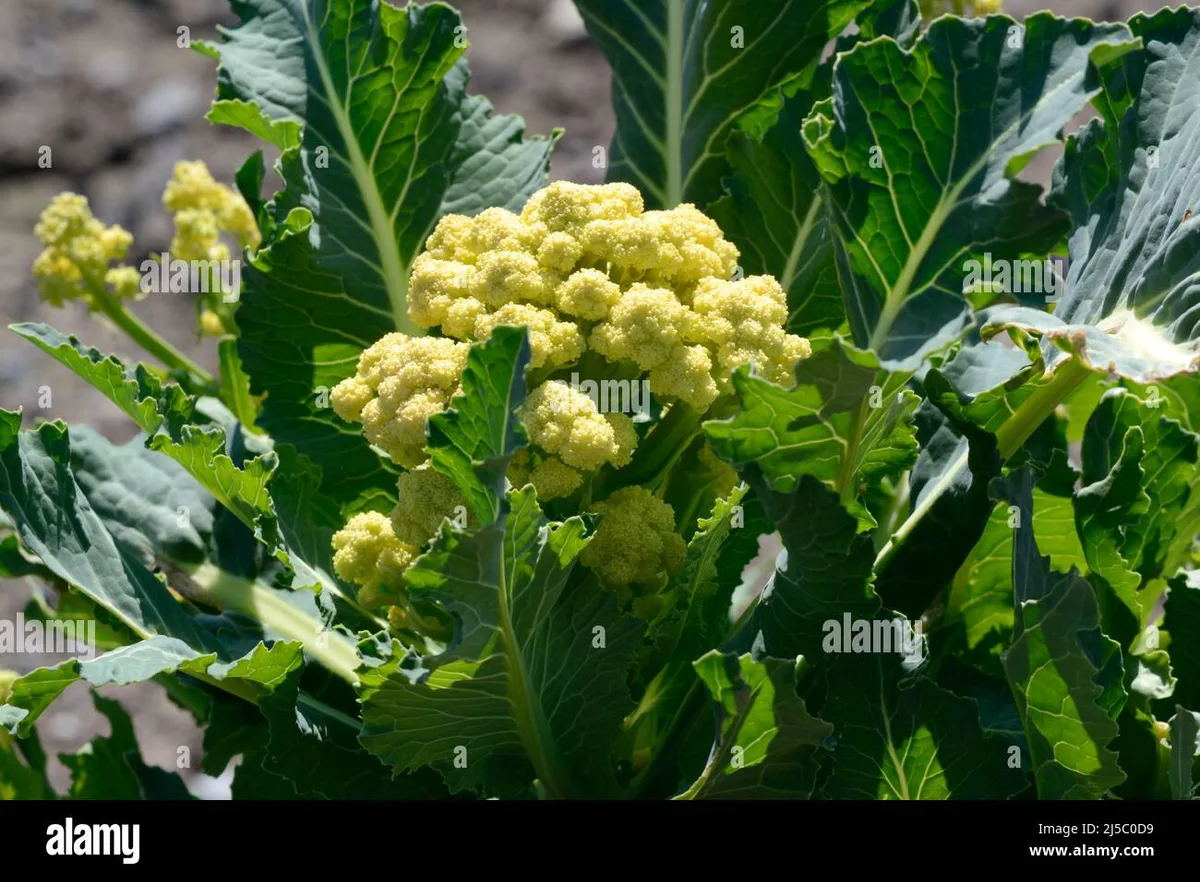
A hardy, heritage variety, overwintering to produce crops for three or fours years before plants begin to decline. Produces a large, yellowish central head each year, surrounded by several smaller heads
Scientific classification
- Species
- Brassica oleracea 'Nine Star Perennial' (Brassica oleracea 'Nine Star Perennial')
- Genus
- Brassica
- Family
- Brassicaceae
- Order
- Brassicales
- Class
- Magnoliopsida
- Phylum
- Tracheophyta
- Information to be completed
- Toxicity
- Herbaceous Perennial
- Plant type
- Information to be completed
- Height
- Information to be completed
- Spread
- Semi evergreen
- Foliage
- Bushy
- Habit
- Spring · Summer · Autumn · Winter
- Season of interest
- Full sun
- Sunlight
- Information to be completed
- Ideal temperature









Brassica oleracea 'Nine Star Perennial' pictures
Distribution of Brassica oleracea 'Nine Star Perennial'
Distribution map
- Native
- Introduced
- Cultivated
Source:WCVP v16 · Royal Botanic Gardens, Kew · CC BY 3.0 · Boundaries:WGSRPD / TDWG
Brassica oleracea 'Nine Star Perennial' care guide
- Maintain steady damp fertile soil, water more in hot summer heat
- Watering
- Full sun
- Sunlight

Watering
Maintain steady damp fertile soil, water more in hot summer heat
Fertilizing
 Fertilizing
Nitrogen-rich diluted feed biweekly during leaf growth phase
Pruning
 Pruning
Harvest when heads are well formed and tight, before flowers begin to open. Remove any unused heads before they go to seed, to improve cropping
Propagation
 Propagation
Propagate by seed. See sowing vegetable seed for further advice
Growing
 Growing
Grow in fertile, firm, moist but well-drained soil, neutral to alkaline soil in full sun. Plant out 90cm apart; these are large plants needing plenty of space. Where possible, avoid growing brassicas in the same soil year on year, to prevent the build up of soil-borne diseases. See broccoli cultivation for more detailed advice
Common pests and diseases
Diseases
May be susceptible to black leg, downy mildews, powdery mildews, and club root particularly in acidic soil
Pests
May be susceptible to cabbage root fly, cabbage caterpillars, cabbage whitefly and mealy cabbage aphid
Explore the plant health library →




