
tea plant
Also known as: tea tree
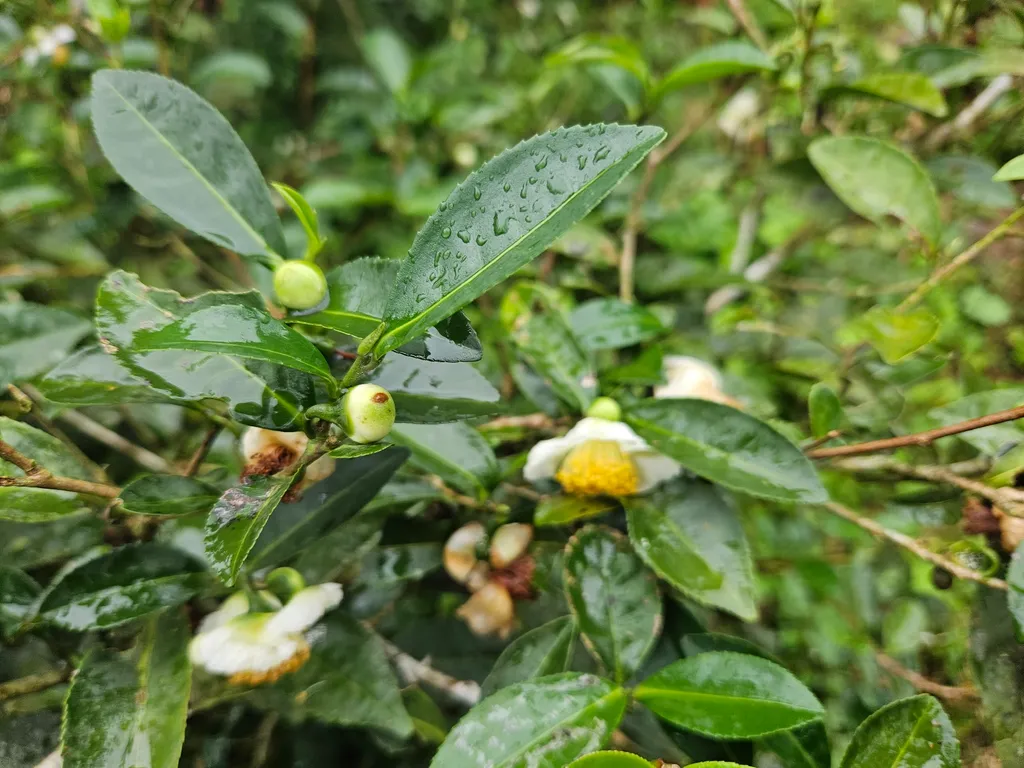
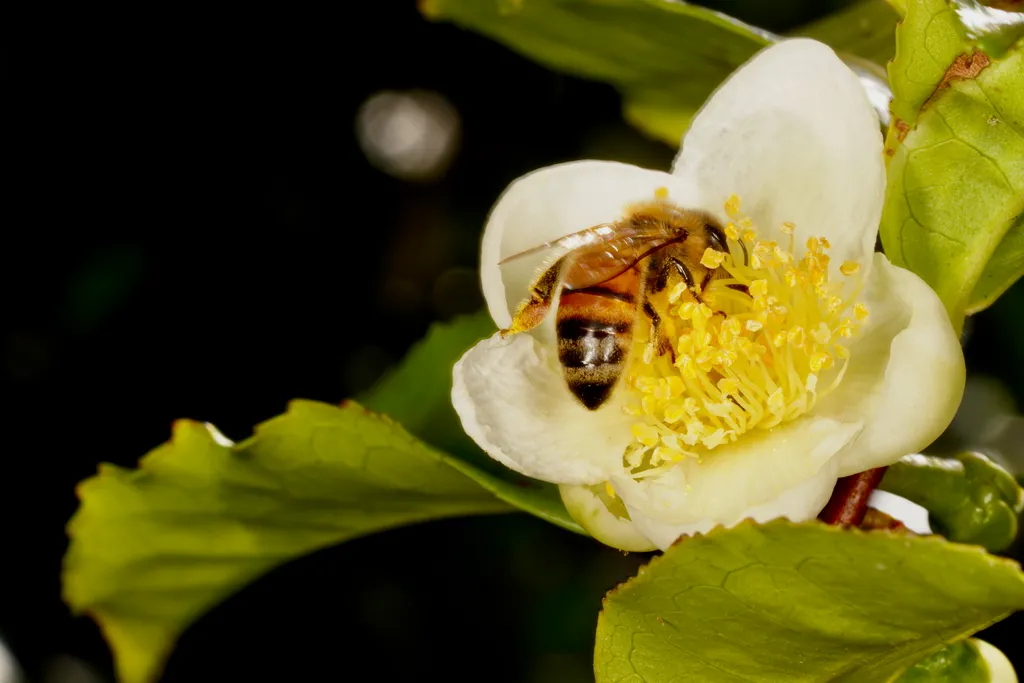
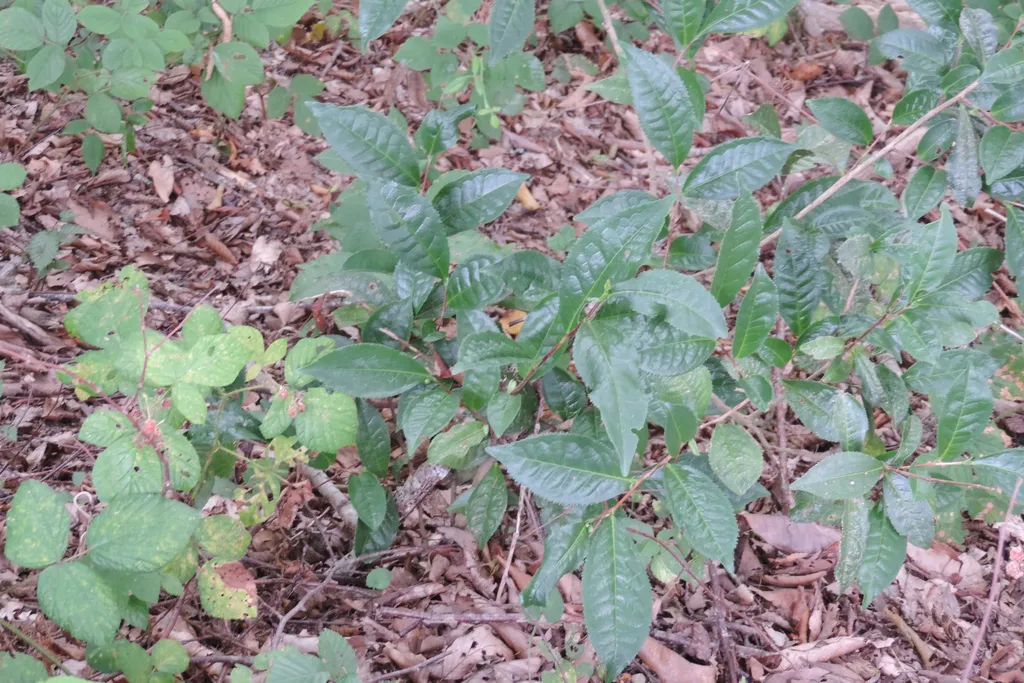
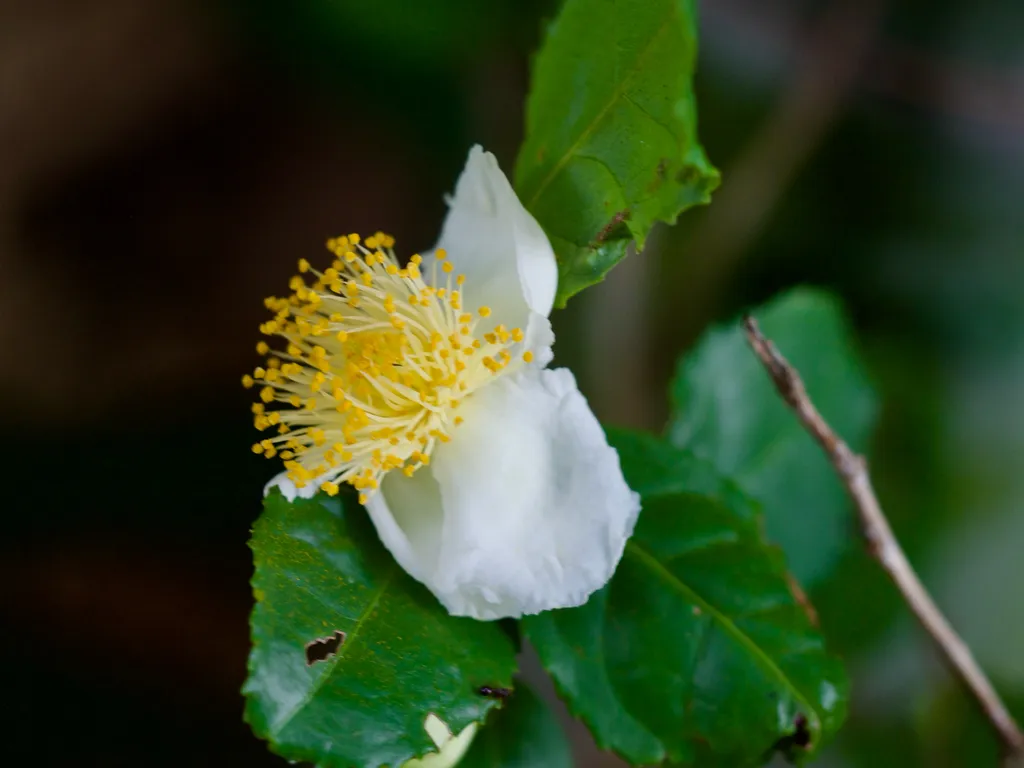
A slow-growing, tender, large, upright evergreen shrub, with dark-green, lance-shaped, toothed leaves. It has fragrant, white, single flowers with many golden-yellow stamens in autumn and winter. If you drink tea, black, or green, this is the plant it comes from. Commercially grown plants are pruned to a height of 1.2m, to facilitate picking.
Scientific classification
- Species
- tea plant (Camellia sinensis)
- Genus
- Camellia
- Family
- Theaceae
- Information to be completed
- Toxicity
- Shrubs
- Plant type
- 2.5-4 metres
- Height
- 1.5-2.5 metres
- Spread
- Evergreen
- Foliage
- Bushy
- Habit
- Spring · Summer · Autumn · Winter
- Season of interest
- Partial shade
- Sunlight
- Information to be completed
- Ideal temperature









tea plant pictures
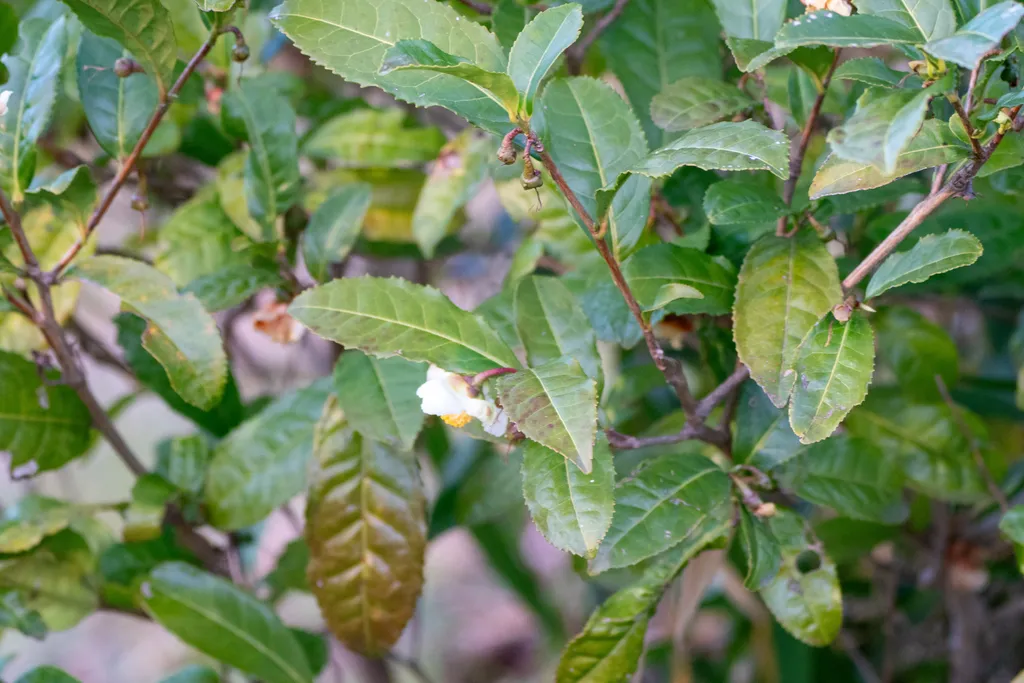
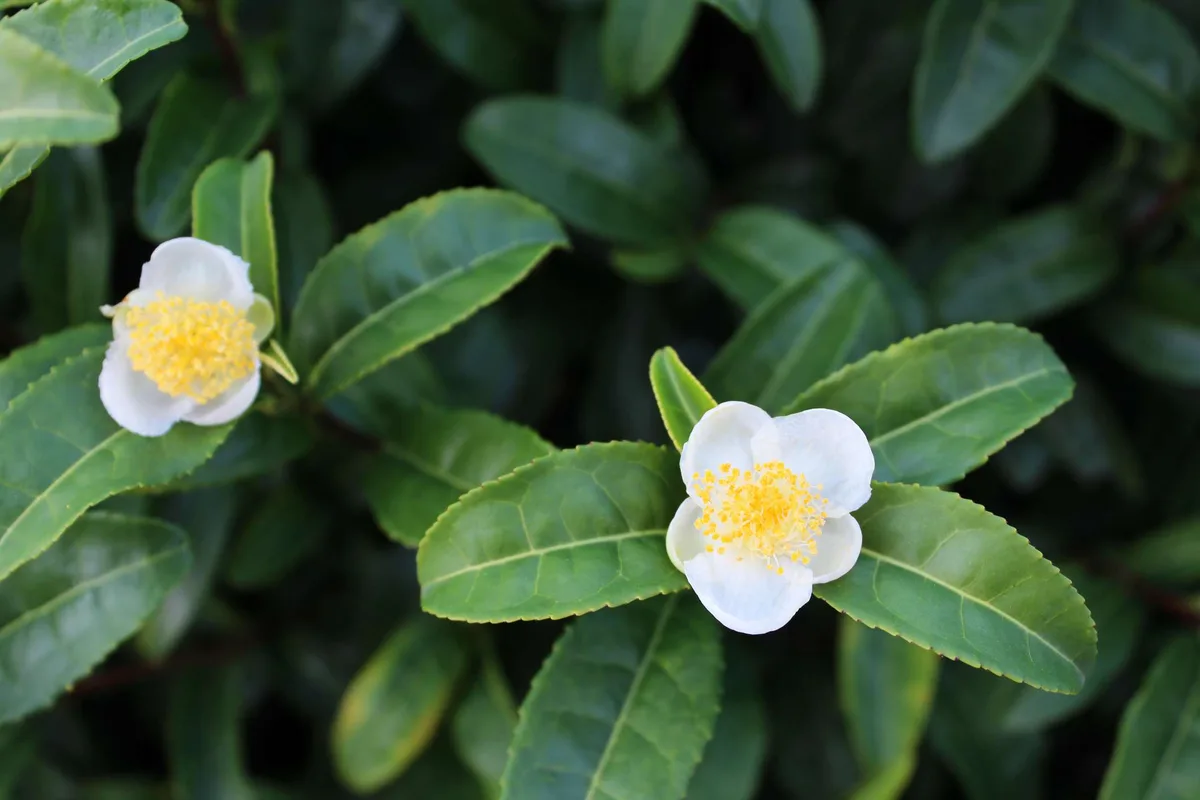
Distribution of tea plant
Distribution map
China
Information to be completed
Culture
Information to be completed
Toxicity
Information to be completed
Quick identification of tea plant
Information to be completed
tea plant care guide
- Keep soil evenly moist, reduce watering intensity in cold months
- Watering
- Partial shade
- Sunlight
- Information to be completed
- Ideal temperature

Watering
Keep soil evenly moist, reduce watering intensity in cold months
Fertilizing
 Fertilizing
Weak acidic tea plant feed every month growing season
Pruning
 Pruning
Requires little pruning. Removal of damaged, dead, or diseased branches is best done after flowering.
Propagation
 Propagation
Propagate by seed, soak seed prior to sowing, sow when ripe under glass. Can also be propogated via hardwood and semi-hardwood cuttings
Growing
 Growing
Choose a shady, sheltered site with acid soil that is fertile, moist, but well-drained. Plant shallowly, and mulch with bark or leaf mould. Buds and flowers should be protected from cold dry winds. Don't allow to dry out. Fertilise mid-spring and early summer.
People also ask
Information to be completed
Common pests and diseases
Diseases
May be susceptible to honey fungus (rarely), phytophthora root rot, camellia gall, camellia leaf blight, camellia yellow mottle virus and flowers and camellia petal blight
Pests
May be susceptible to aphids, scale insects and vine weevil
Explore the plant health library →




