
Tartarian maple
Also known as: Information to be completed
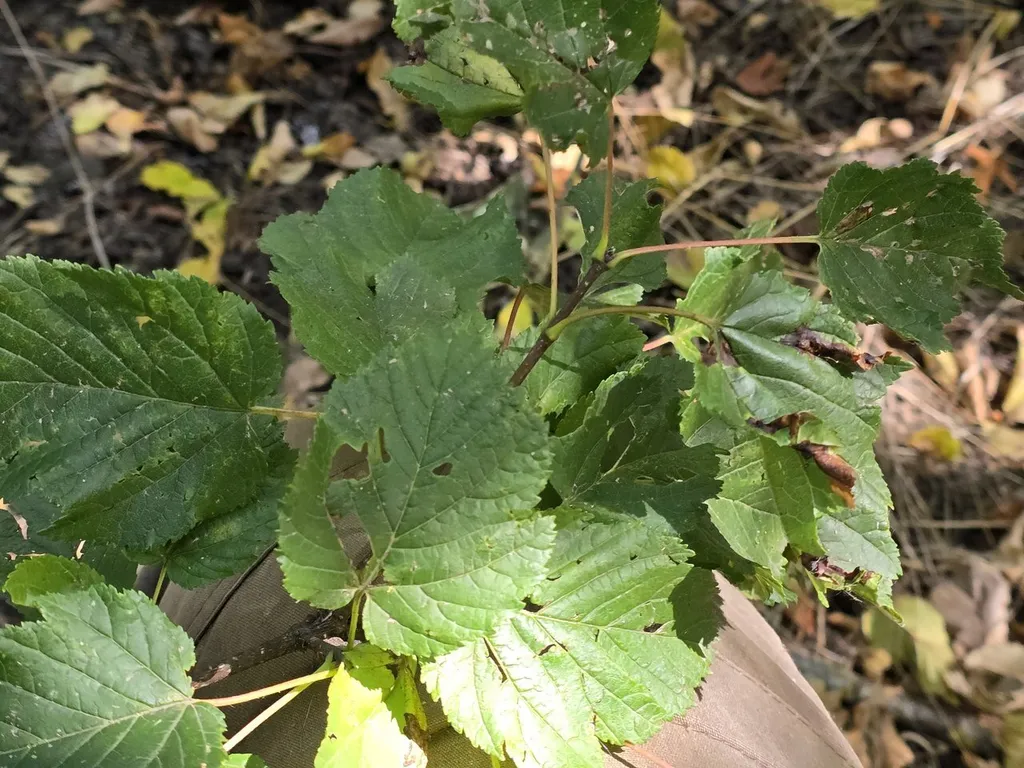
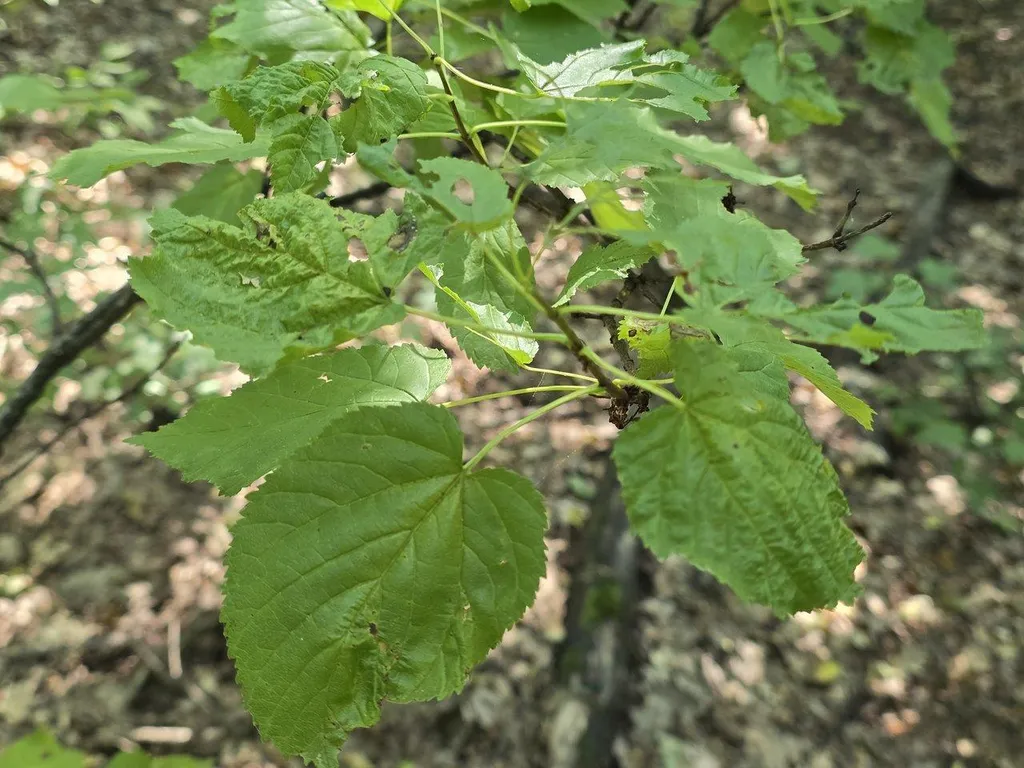
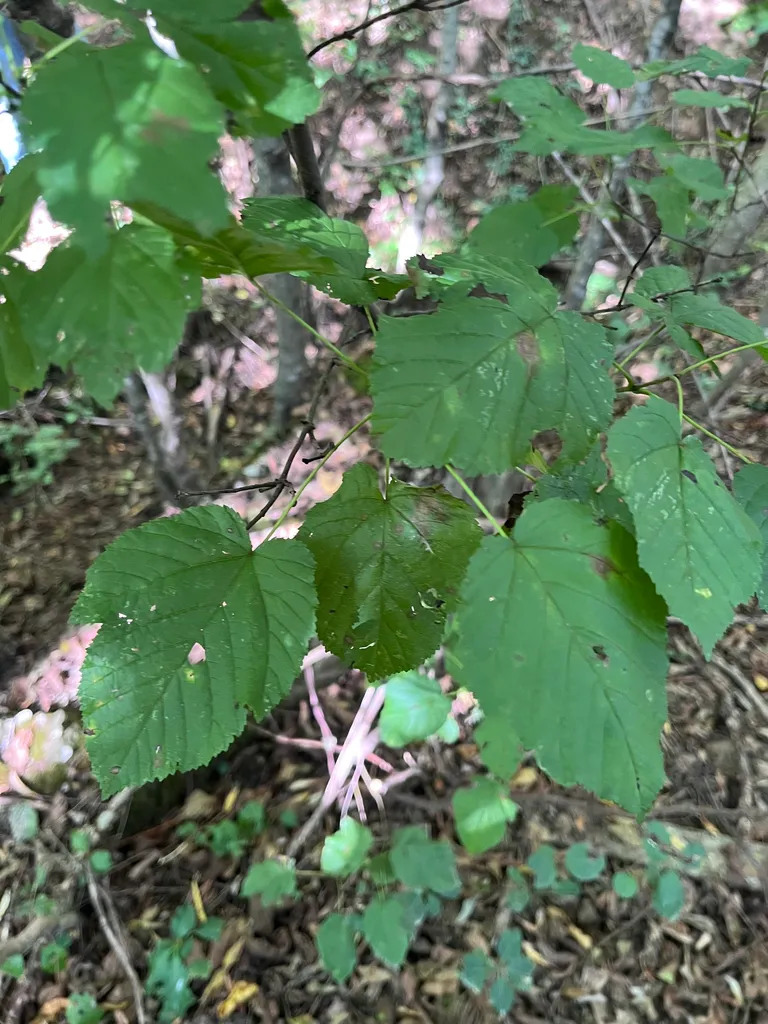
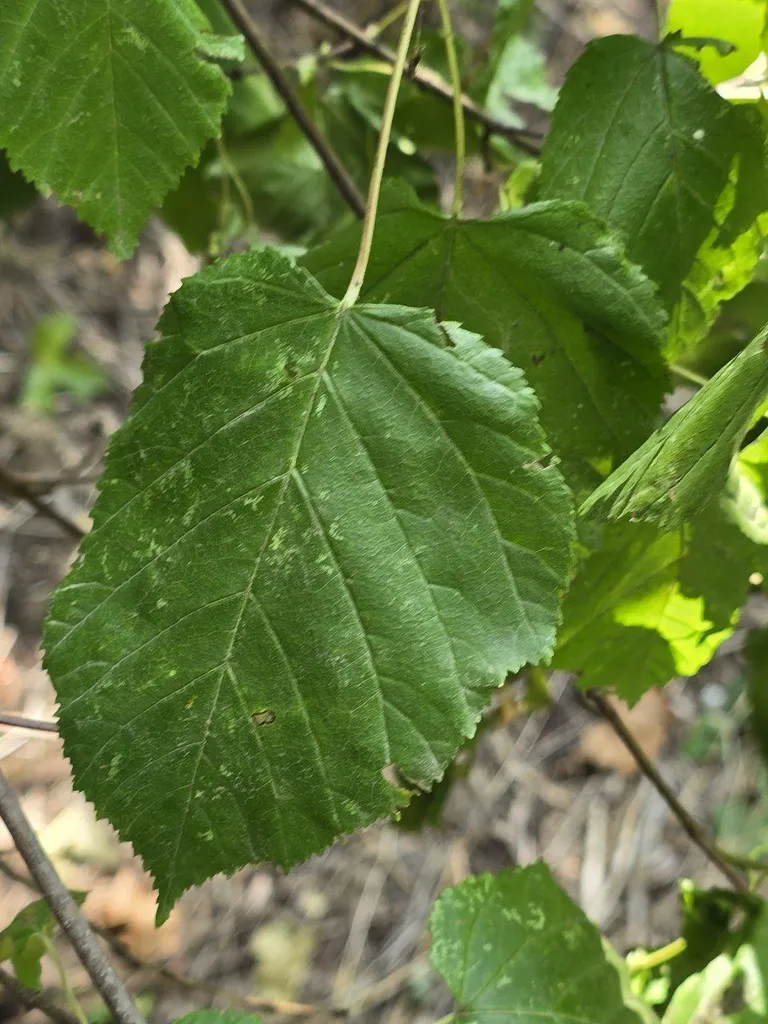
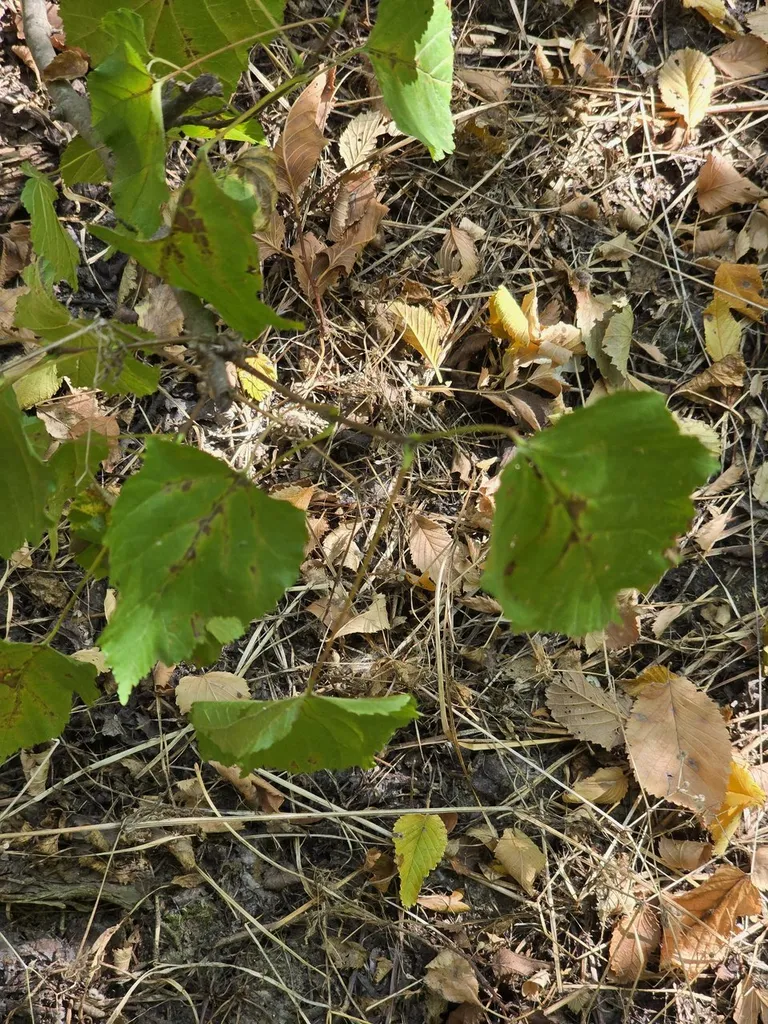
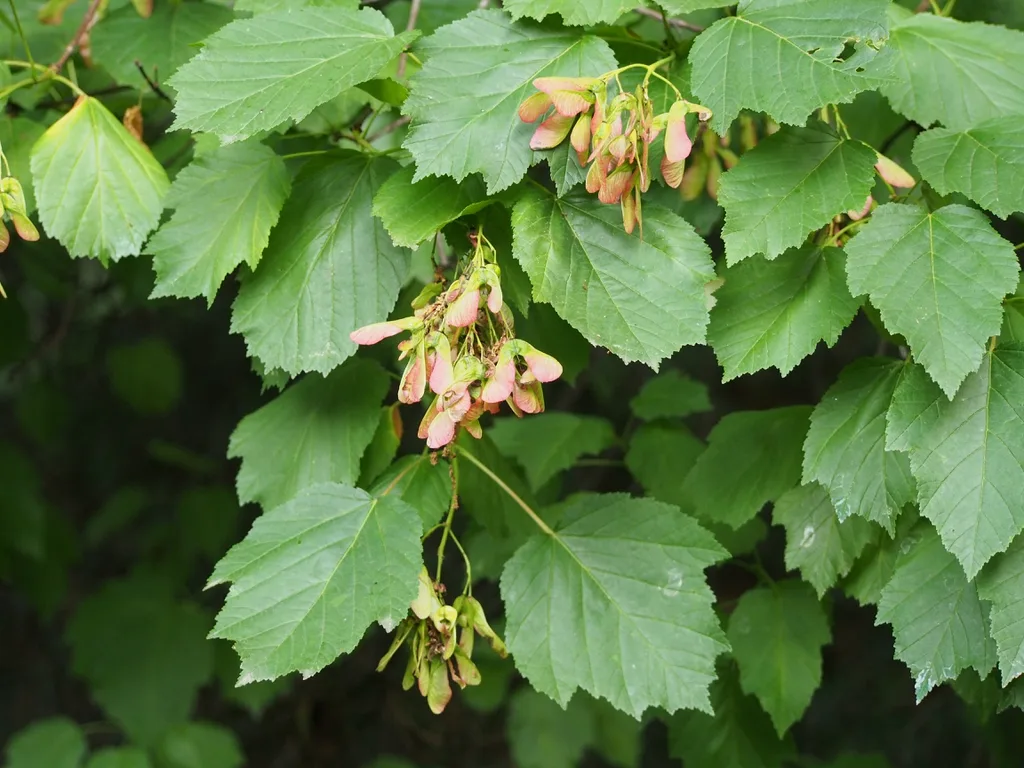
A deciduous large shrub or small tree, to around 6m high, with a spreading habit and broadly ovate, serrated, glossy green leaves, that are sometimes 3-lobed on young trees. Small greenish-white flowers are held in upright clusters in late spring, followed later by red-winged seeds. Leaves turn red or yellow in autumn
Scientific classification
- Species
- Tartarian maple (Acer tataricum)
- Genus
- Acer
- Family
- Sapindaceae
- Information to be completed
- Toxicity
- Trees · Shrubs
- Plant type
- 4-8 metres
- Height
- 4-8 metres
- Spread
- Deciduous
- Foliage
- Bushy
- Habit
- Autumn · Spring · Summer
- Season of interest
- Full sun · Partial shade
- Sunlight
- Information to be completed
- Ideal temperature









Tartarian maple pictures
Distribution of Tartarian maple
Distribution map
Eastern Europe to Japan
Information to be completed
Culture
Information to be completed
Toxicity
Information to be completed
Quick identification of Tartarian maple
Information to be completed
Tartarian maple care guide
- Keep soil evenly moist, sheltered from drying winds
- Watering
- Full sun · Partial shade
- Sunlight
- Information to be completed
- Ideal temperature

Watering
Keep soil evenly moist, sheltered from drying winds
Fertilizing
 Fertilizing
Slow release tree feed in spring
Pruning
 Pruning
Little pruning is needed. Remove diseased, damaged, crowded or crossing shoots and unwanted growth. Timing depends on the plant: generally late winter or early spring; plants prone to bleeding and deciduous magnolias need different timing, and deciduous azaleas and lilacs are pruned after flowering.
Propagation
 Propagation
Propagate by seed or by grafting
Growing
 Growing
Thrives in moist, humus-rich, well drained soils in full sun or part shade. Some tolerance for drought once established. See tree cultivation for more advice
People also ask
Information to be completed
Common pests and diseases
Diseases
May be susceptible to Verticillium wilt, Acer leaf scorch and honey fungus
Pests
May be susceptible to Acer gall mite, aphids, caterpillars and horse chestnut scale
Explore the plant health library →




