
false saffron
Also known as: American saffron; bastard saffron; dyer's saffron; fake saffron; rouge plant; safflower; safflower oil plant; saffron thistle
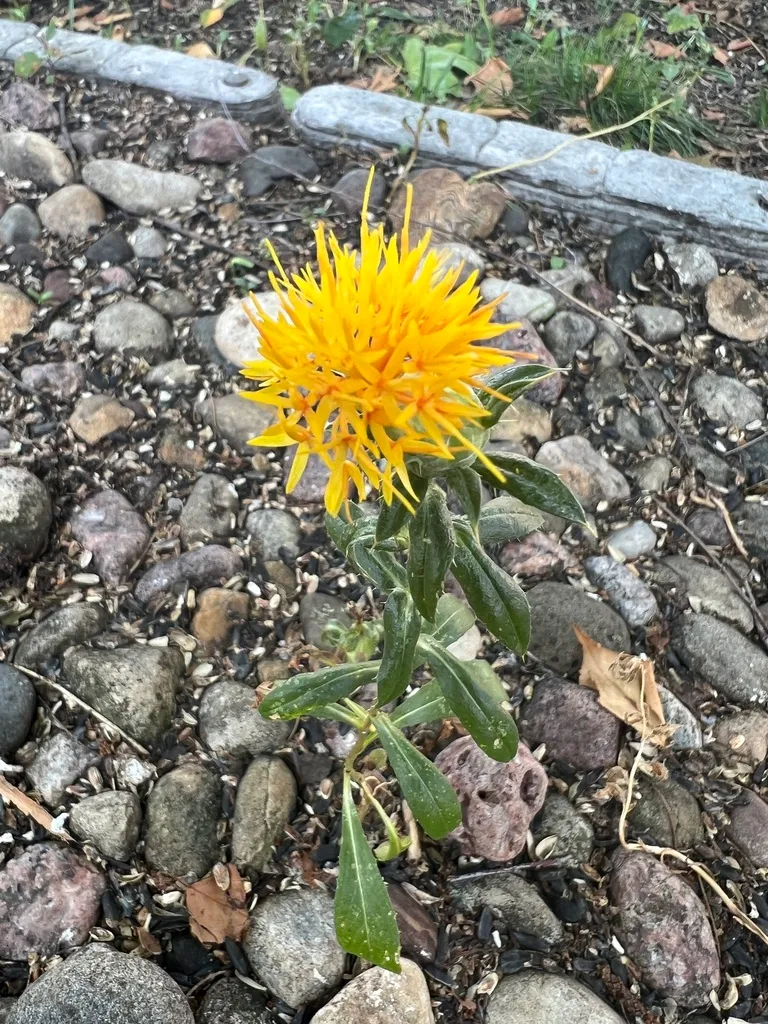
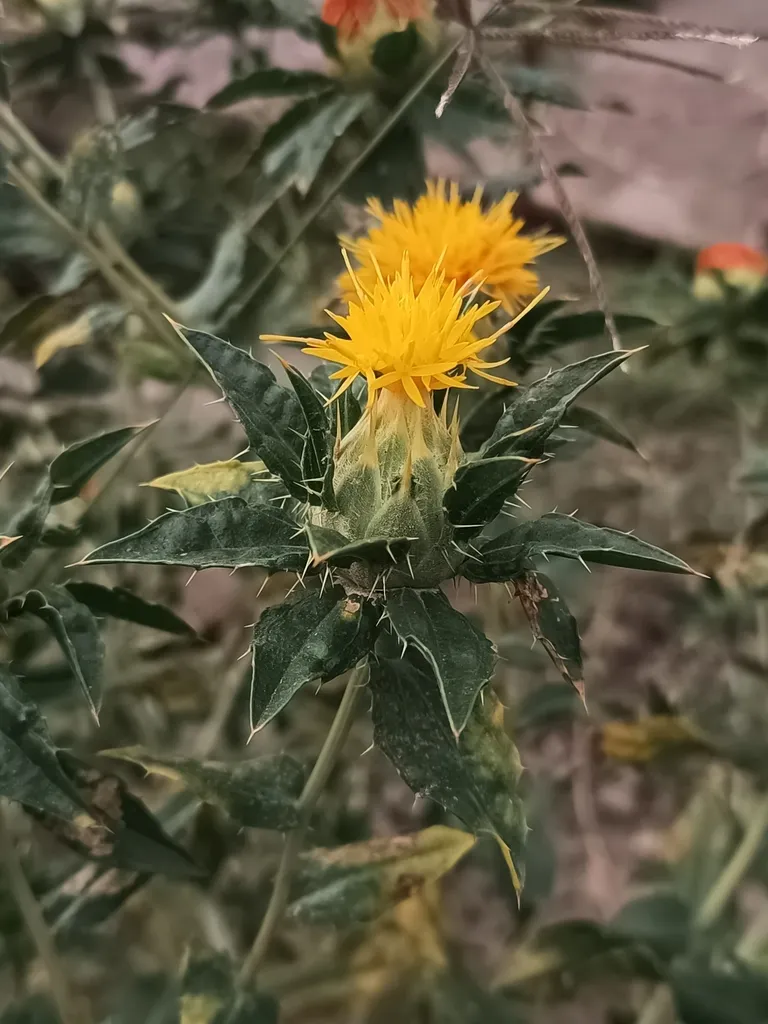
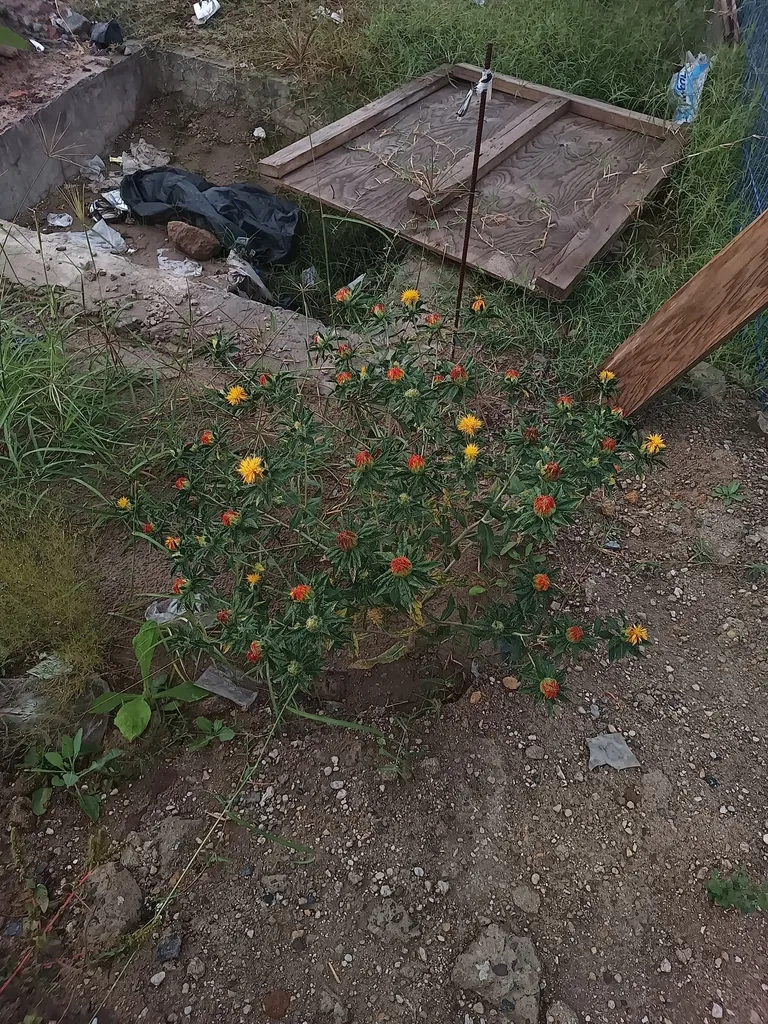
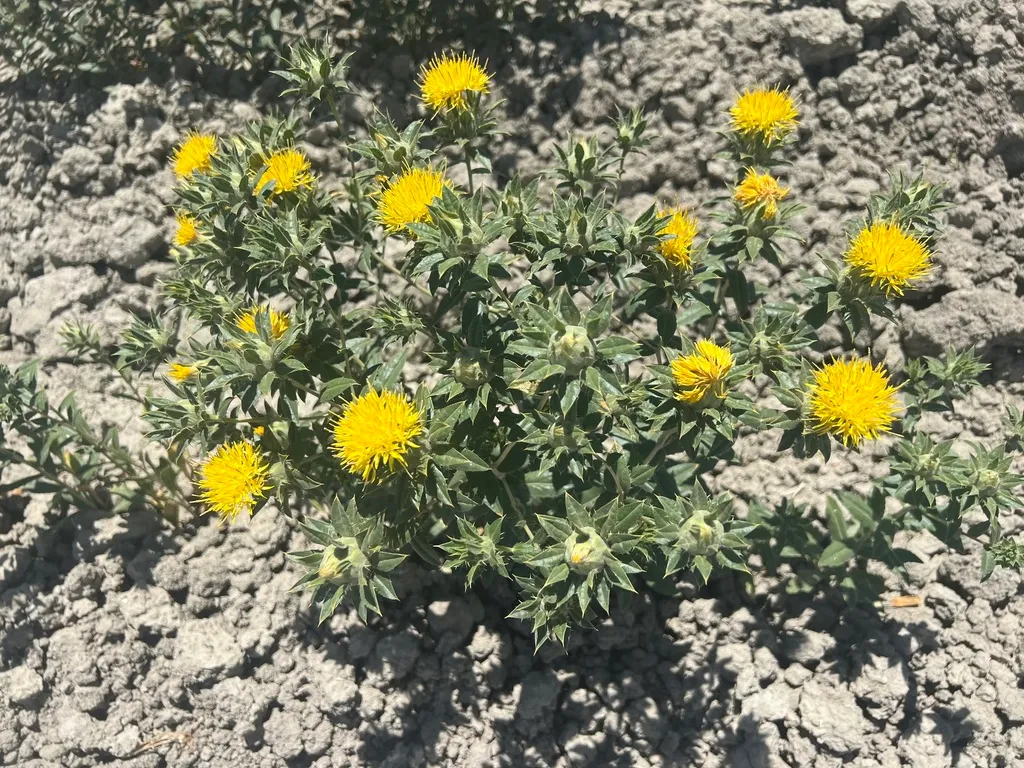
An erect, branching annual to 60cm, with spiny leaves and vivid orange or yellow, thistle-like flower-heads with prominent green bracts
Scientific classification
- Species
- false saffron (Carthamus tinctorius)
- Genus
- Carthamus
- Family
- Asteraceae
- Order
- Asterales
- Class
- Magnoliopsida
- Phylum
- Magnoliophyta
- Information to be completed
- Toxicity
- Annual Biennial
- Plant type
- 0.5-1 metres
- Height
- 0.1-0.5 metres
- Spread
- Deciduous
- Foliage
- Information to be completed
- Habit
- Spring · Summer · Autumn
- Season of interest
- Full sun
- Sunlight
- Information to be completed
- Ideal temperature









false saffron pictures
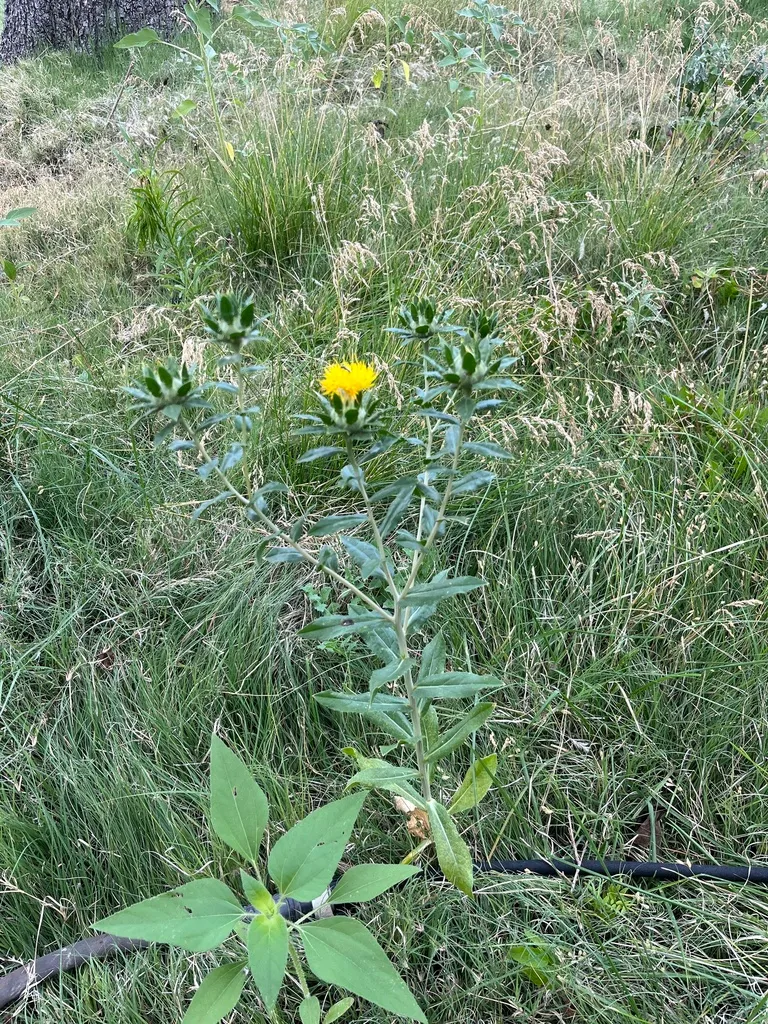
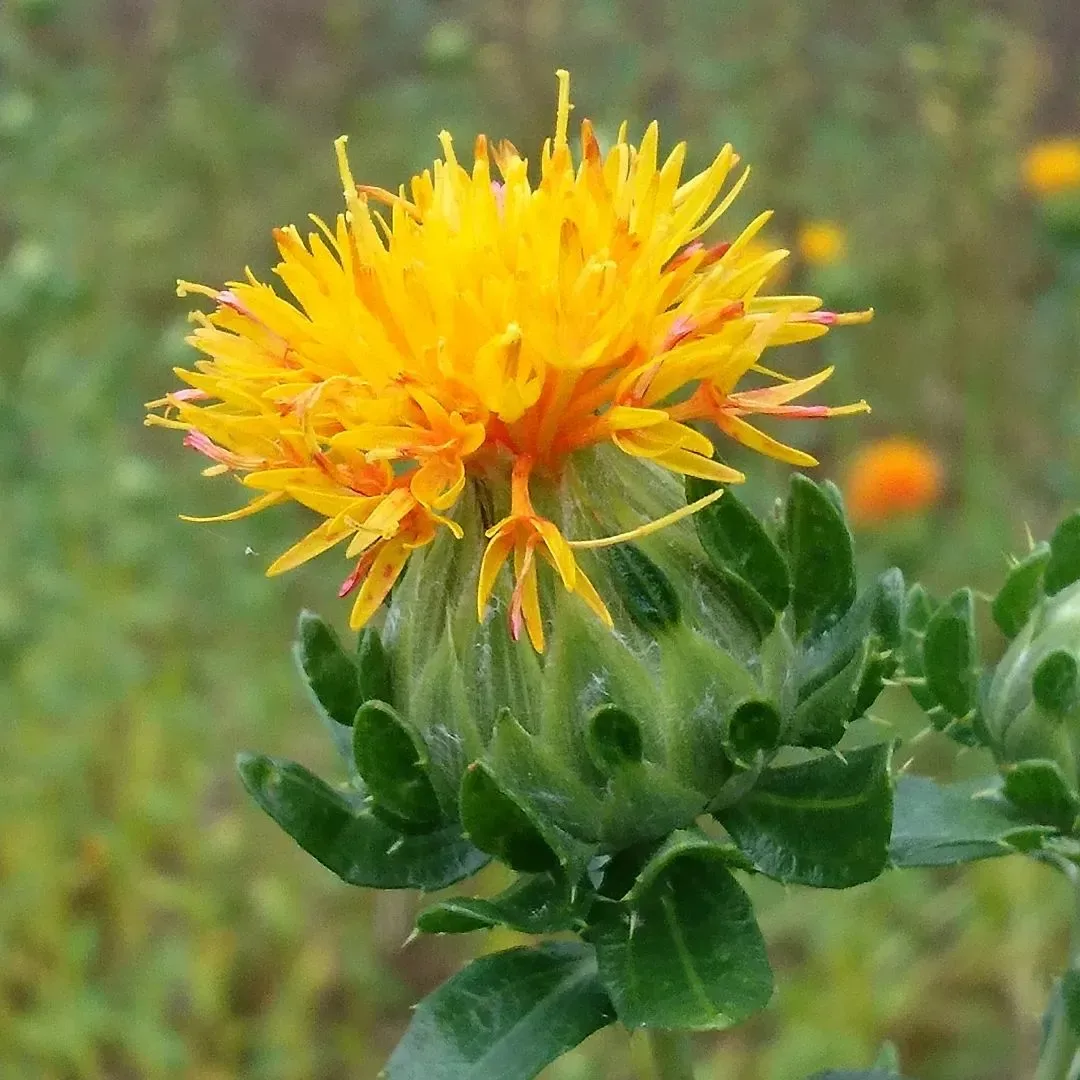
Distribution of false saffron
Distribution map
- Native
- Introduced
- Cultivated
Source:WCVP v16 · Royal Botanic Gardens, Kew · CC BY 3.0 · Boundaries:WGSRPD / TDWG
false saffron care guide
- Moderate regular watering, allowing brief slight drying between soakings
- Watering
- Full sun
- Sunlight

Watering
Moderate regular watering, allowing brief slight drying between soakings
Fertilizing
 Fertilizing
Balanced perennial feed every four weeks from spring through summer
Pruning
 Pruning
Cut back after flowering
Propagation
 Propagation
Propagate by seed sown in gentle heat from early to late spring
Growing
 Growing
Grow in any light, well-drained soil in full sun
Common pests and diseases
Diseases
Generally disease free
Pests
Generally pest-free
Explore the plant health library →




