
broom hickory
Also known as: brown hickory; hognut; pignut hickory; small-fruited hickory; pignut
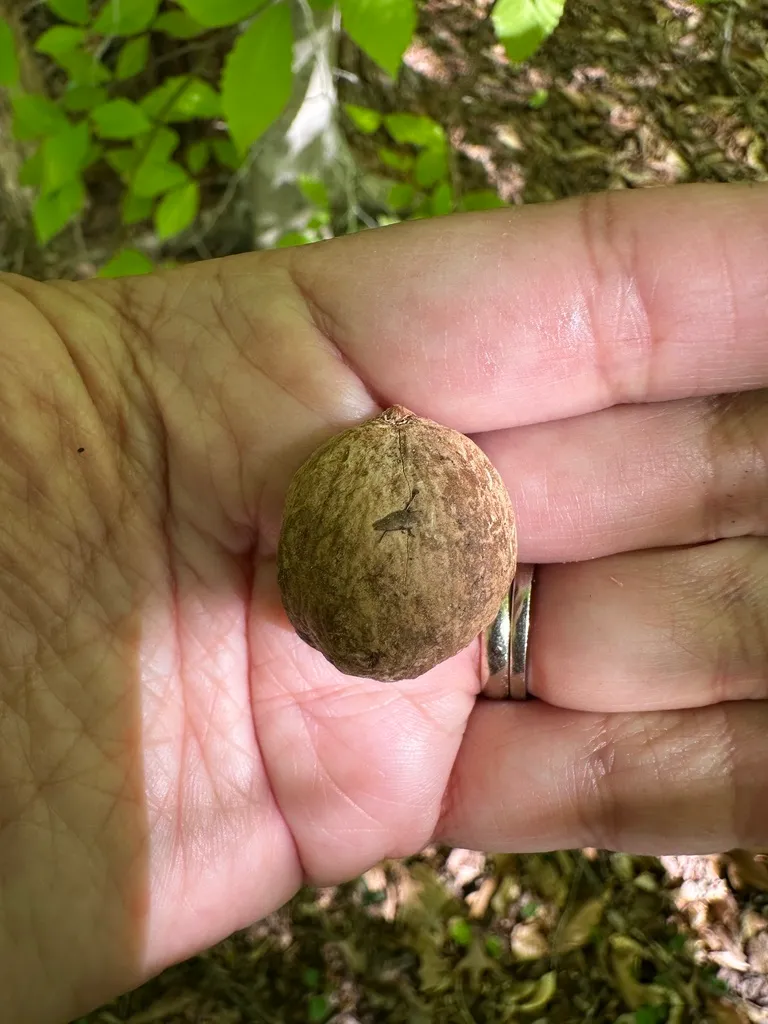
A very large, slow-growing deciduous tree with an oval-shaped crown and deep root system, also known by its common name of 'pignut hickory'. It can reach a maximum height of around 30m, but is smaller if cultured. Smooth, grey bark in young specimens turns to a textured brown as the tree matures and the pendulous foliage emerges brownish-green, changing to glossy pale green in the summer and then finally golden-yellow in the autumn. Fruits are nut-like and pear-shaped with a brown shell, and only appear on very mature specimens. Although edible, they are very bitter and tend to be favoured more by wildlife
Scientific classification
- Species
- broom hickory (Carya glabra)
- Genus
- Carya
- Family
- Juglandaceae
- Information to be completed
- Toxicity
- Trees
- Plant type
- Higher than 12 metres
- Height
- wider than 8 metres
- Spread
- Deciduous
- Foliage
- Columnar upright · Pendulous weeping
- Habit
- Autumn · Spring · Summer
- Season of interest
- Full sun · Partial shade
- Sunlight
- Information to be completed
- Ideal temperature









broom hickory pictures


Distribution of broom hickory
Distribution map
Information to be completed
Information to be completed
Culture
Information to be completed
Toxicity
Information to be completed
Quick identification of broom hickory
Information to be completed
broom hickory care guide
- Moderate regular watering, allowing brief slight drying between soakings
- Watering
- Full sun · Partial shade
- Sunlight
- Information to be completed
- Ideal temperature

Watering
Moderate regular watering, allowing brief slight drying between soakings
Fertilizing
 Fertilizing
Balanced perennial feed every four weeks from spring through summer
Pruning
 Pruning
Little pruning is needed. Remove diseased, damaged, crowded or crossing shoots and unwanted growth. Timing depends on the plant: generally late winter or early spring; plants prone to bleeding and deciduous magnolias need different timing, and deciduous azaleas and lilacs are pruned after flowering.
Propagation
 Propagation
Propagate by seed; seedlings rapidly develop a deep tap root and resent disturbance so plant out in permanent position in the first year
Growing
 Growing
Grow in a deep, fertile, humus-rich, moist but well-drained soil in full sun or partial shade. See tree cultivation for further advice
People also ask
Information to be completed
Common pests and diseases
Diseases
May be susceptible to crown gall, powdery mildews and leaf spot- see leaf damage on woody plants
Pests
Generally pest-free
Explore the plant health library →




