
European hackberry
Also known as: European nettle tree; honeyberry of Greece; lote tree; Mediterranean hackberry
A deciduous, spreading tree up to around 20m tall with a rounded crown. Dark green, oval, sharply-toothed leaves are up to 15cm long and turn pale yellow before falling in autumn. Inconspicuous yellowish-green spring flowers are followed by small, purple-black fruits up to 1cm wide hanging in small clusters
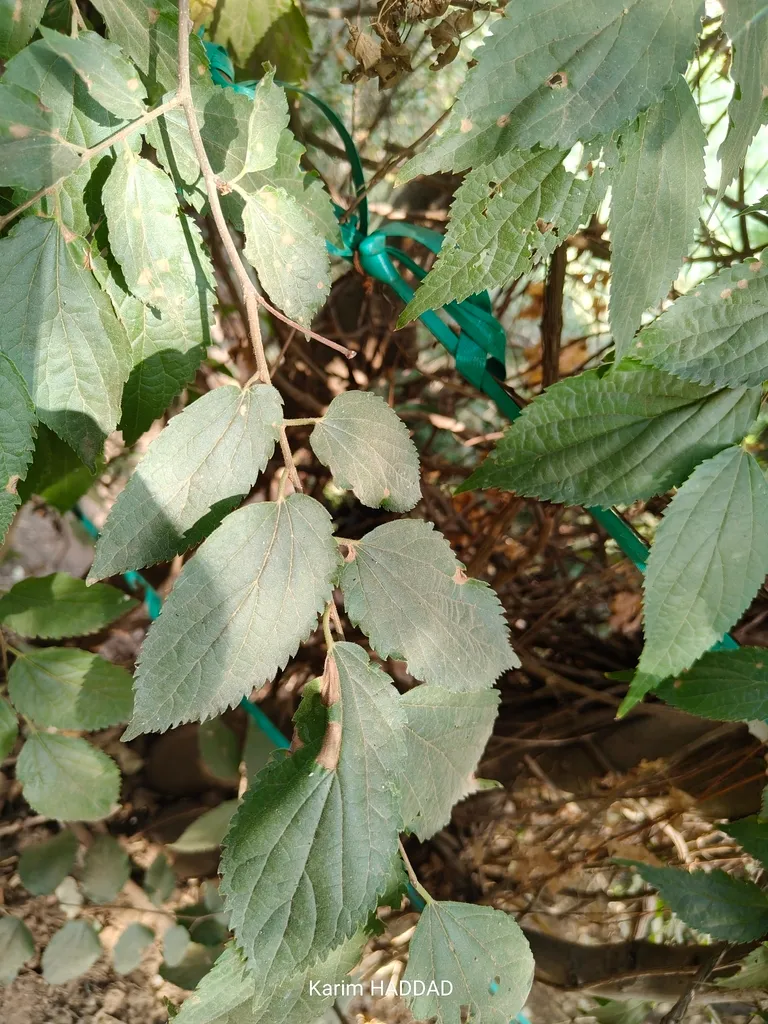
Scientific classification
- Species
- European hackberry (Celtis australis)
- Genus
- Celtis
- Family
- Cannabaceae
- Information to be completed
- Toxicity
- Trees
- Plant type
- Higher than 12 metres
- Height
- wider than 8 metres
- Spread
- Deciduous
- Foliage
- Information to be completed
- Habit
- Autumn · Spring · Summer
- Season of interest
- Full sun
- Sunlight
- Information to be completed
- Ideal temperature









European hackberry pictures
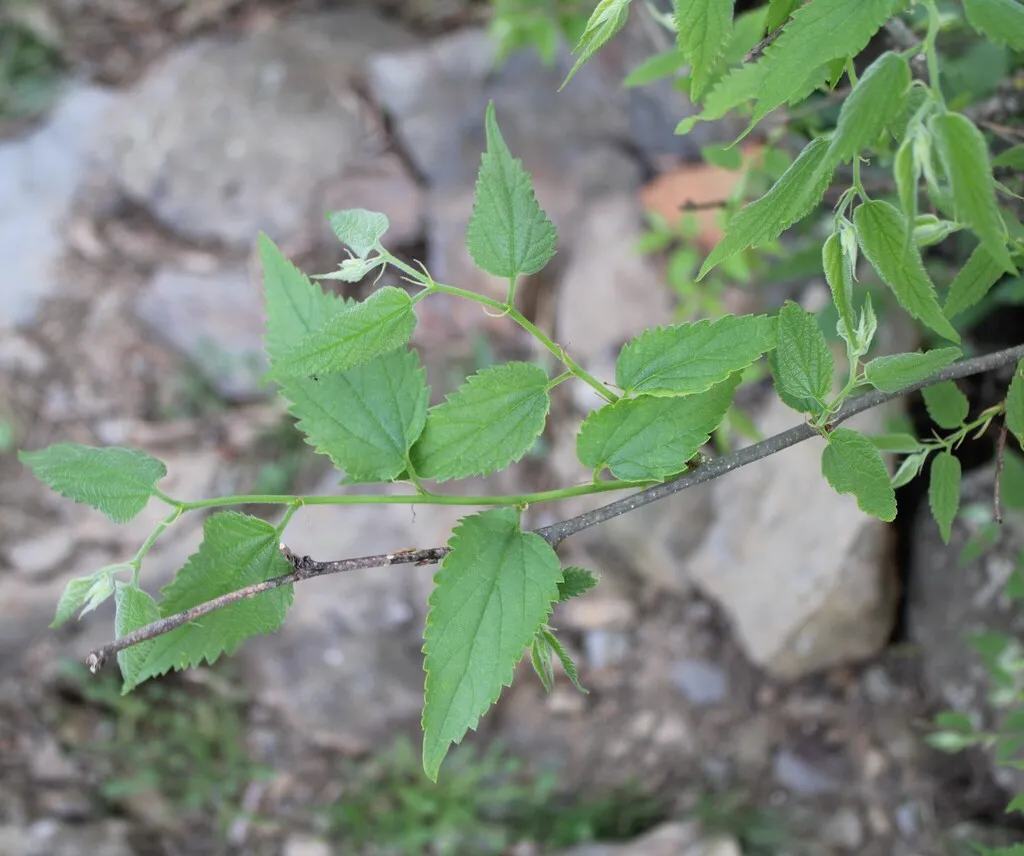
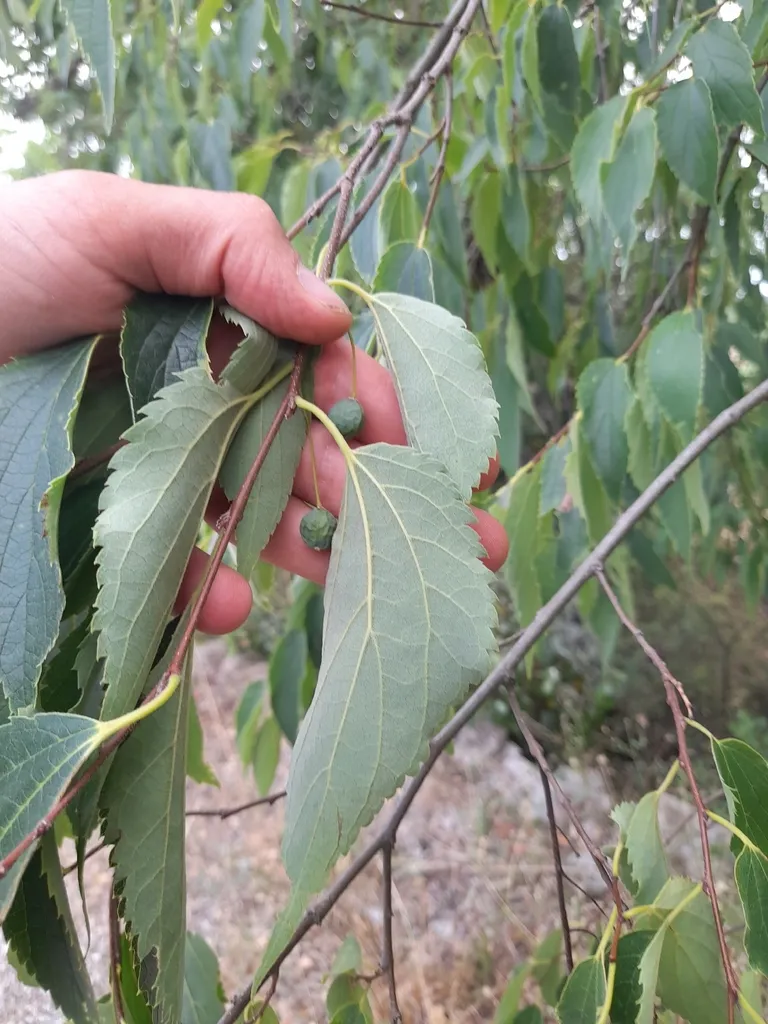
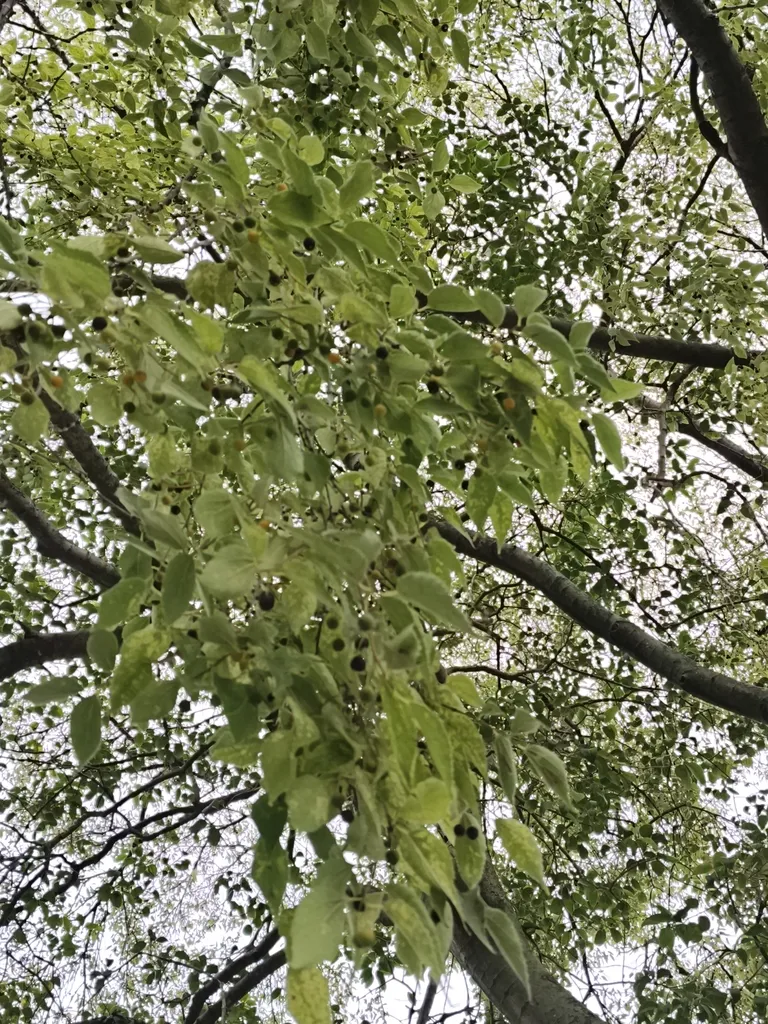
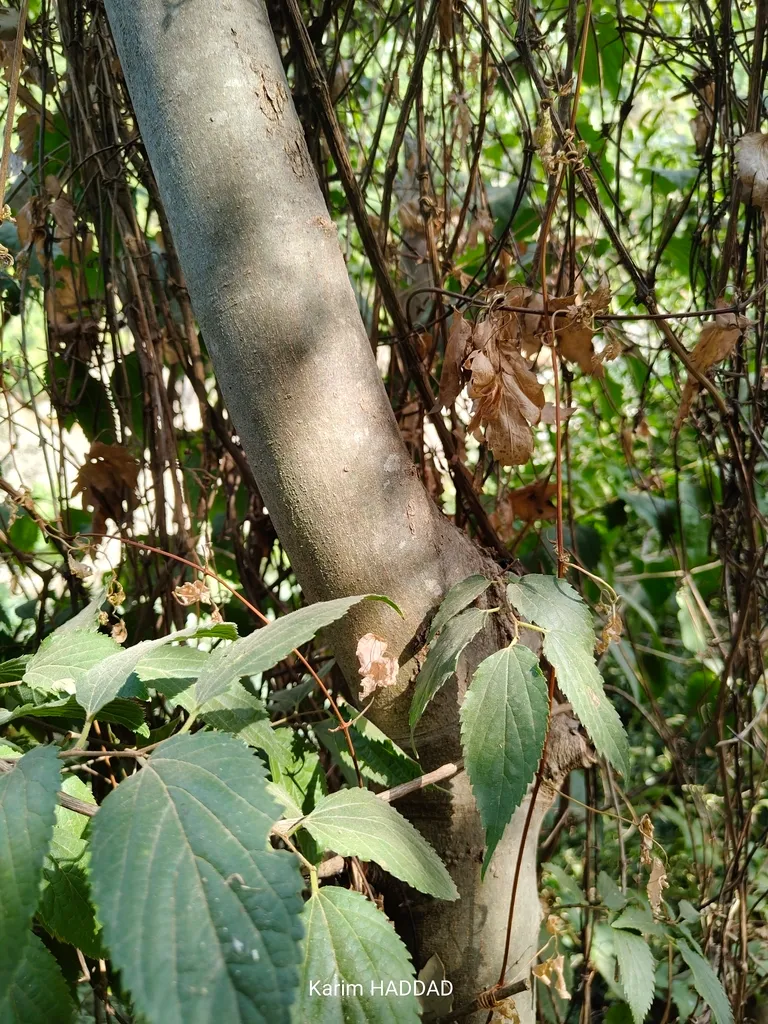
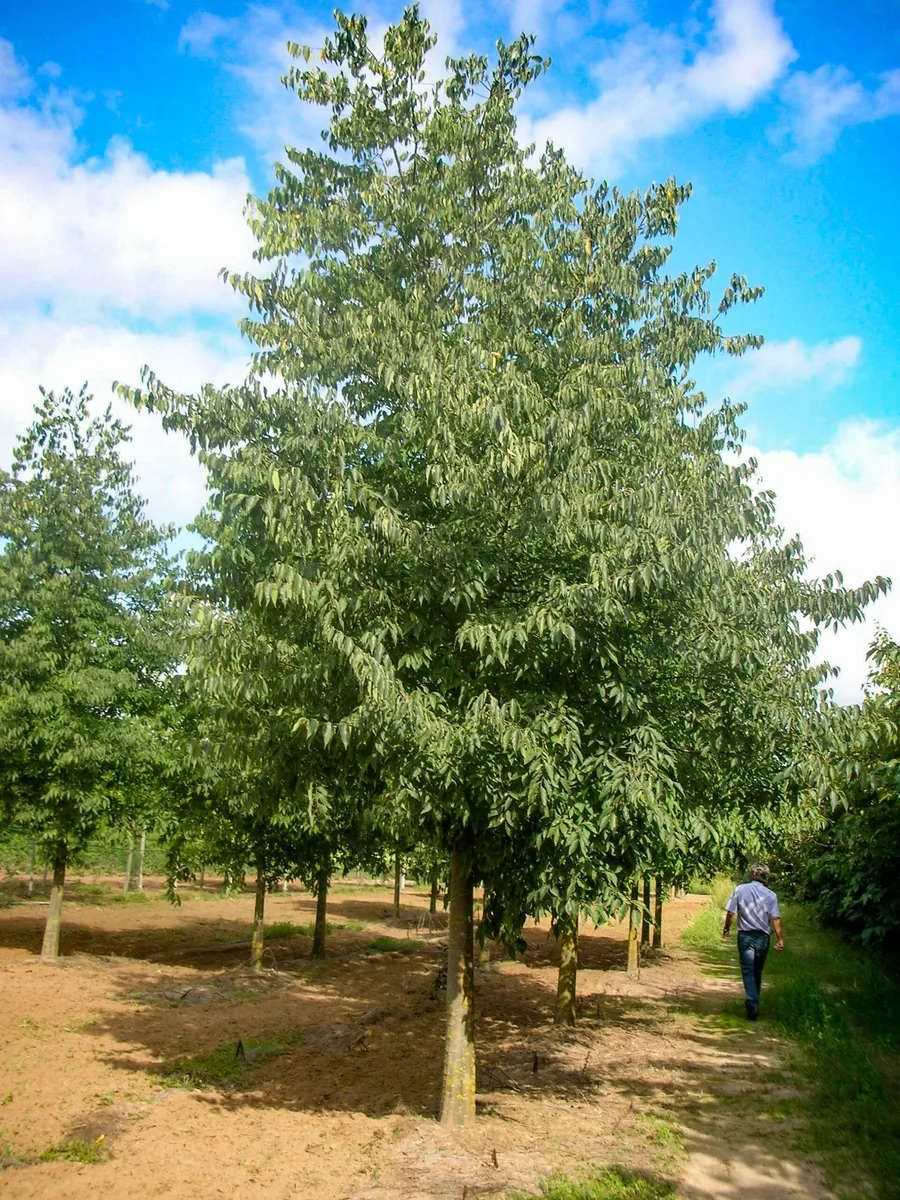
Distribution of European hackberry
Distribution map
Europe, North Africa, Asia Minor
Information to be completed
Culture
Information to be completed
Toxicity
Information to be completed
Quick identification of European hackberry
Information to be completed
European hackberry care guide
- Moderate regular watering, avoid prolonged drought or waterlogging
- Watering
- Full sun
- Sunlight
- Information to be completed
- Ideal temperature

Watering
Moderate regular watering, avoid prolonged drought or waterlogging
Fertilizing
 Fertilizing
Balanced feed in spring and light repeat in growth season
Pruning
 Pruning
Little pruning is needed. Remove diseased, damaged, crowded or crossing shoots and unwanted growth. Timing depends on the plant: generally late winter or early spring; plants prone to bleeding and deciduous magnolias need different timing, and deciduous azaleas and lilacs are pruned after flowering.
Propagation
 Propagation
Propagate by seed in autumn
Growing
 Growing
Grow in fertile, well-drained soil in full sun; does best in hot summers in the UK
People also ask
Information to be completed
Common pests and diseases
Diseases
Generally disease-free
Pests
Generally pest-free
Explore the plant health library →




