
bearded bellflower
Also known as: bearded harebell
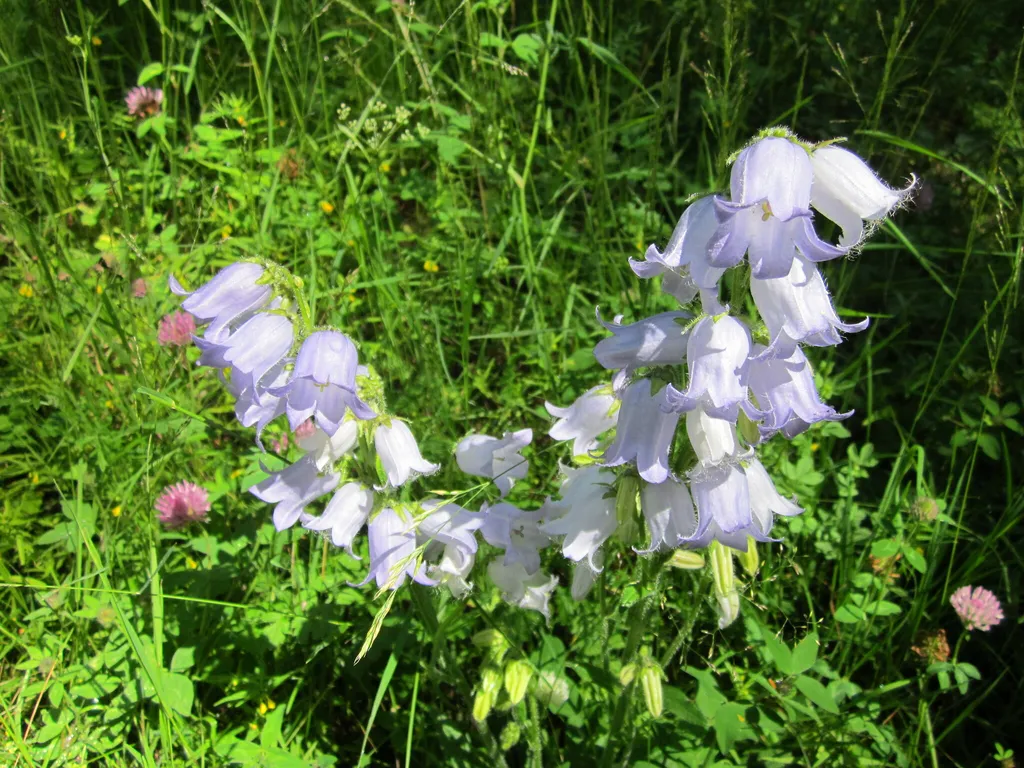
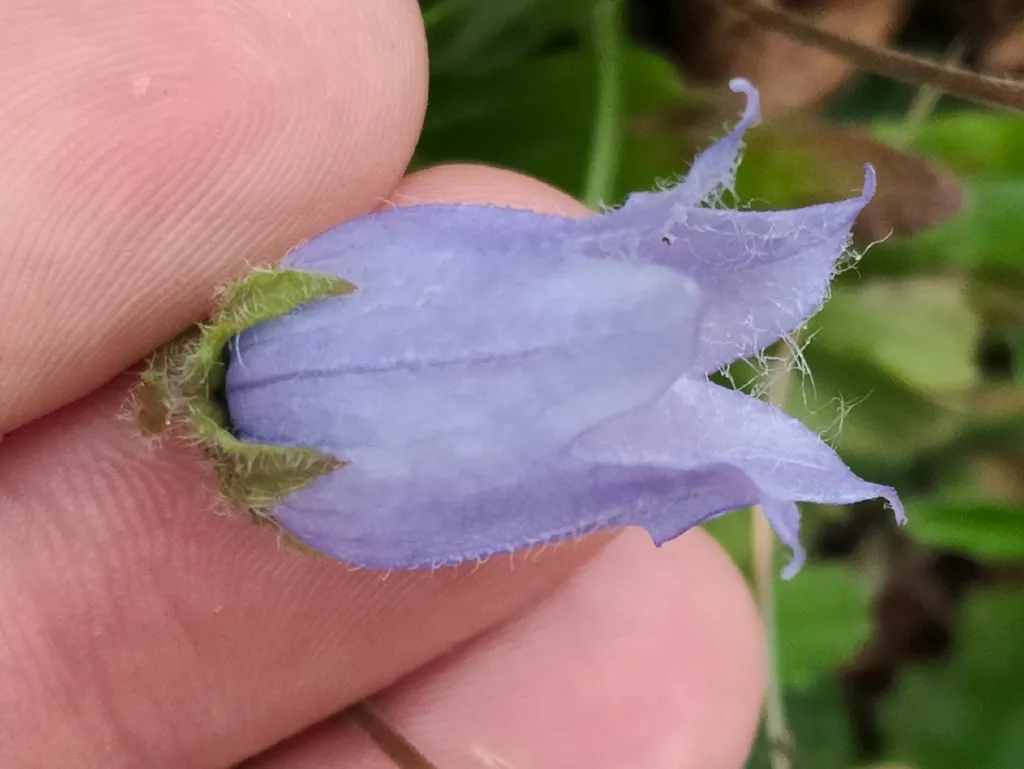
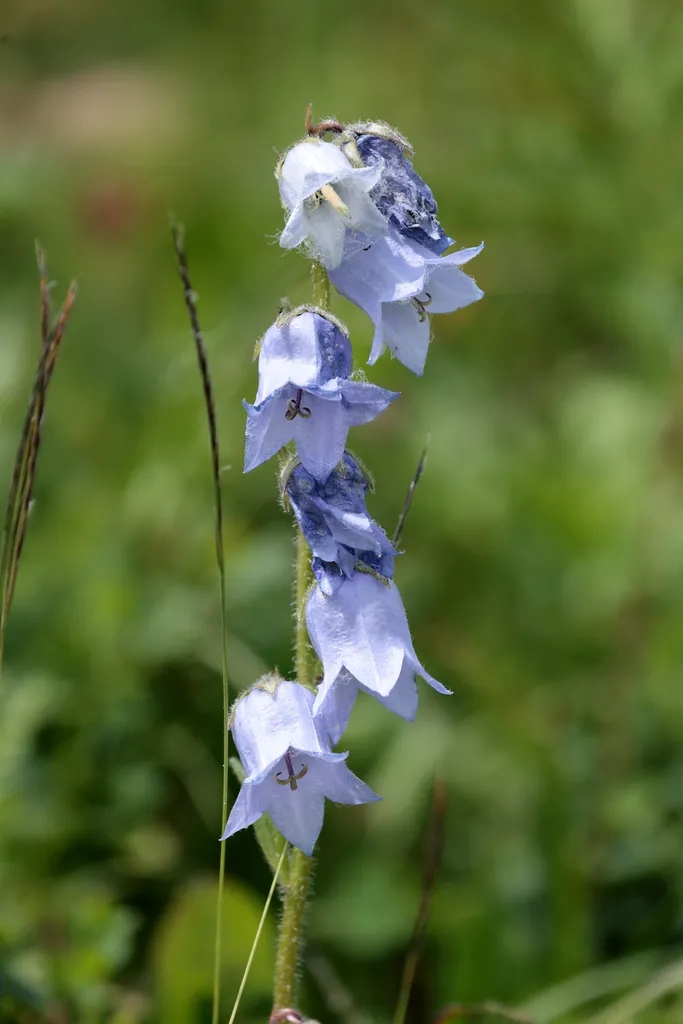
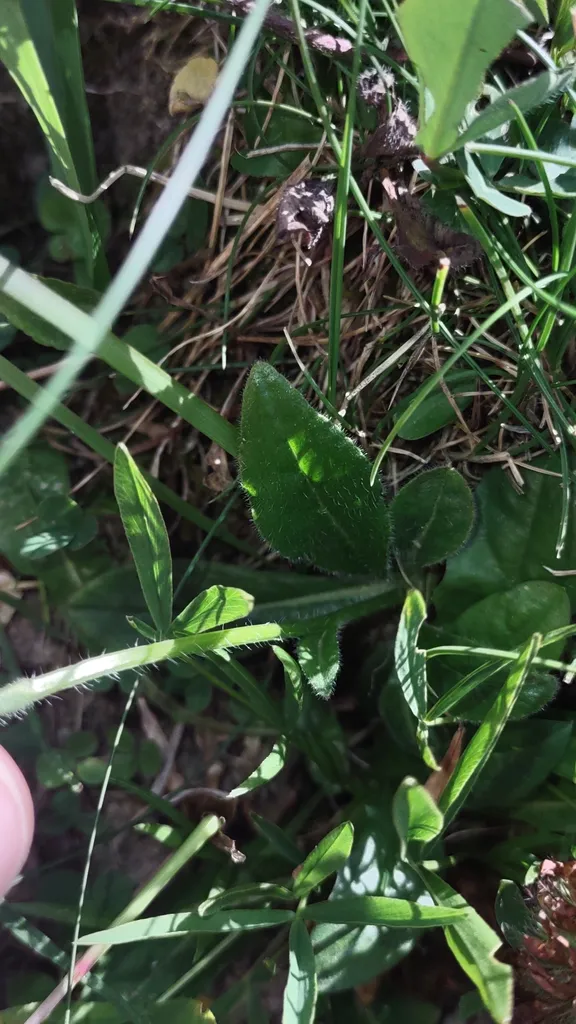
A biennial or short-lived perennial, to around 30cm high, with narrowly lance-shaped, slightly toothed, hairy green leaves at the base of the plant. In early summer, upright stems bear nodding, bell-shaped, pale blue, pale violet or sometimes white flowers, with petals edged with fine white hairs
Scientific classification
- Species
- bearded bellflower (Campanula barbata)
- Genus
- Campanula
- Family
- Campanulaceae
- Information to be completed
- Toxicity
- Annual Biennial · Herbaceous Perennial
- Plant type
- 0.1-0.5 metres
- Height
- 0.1-0.5 metres
- Spread
- Deciduous
- Foliage
- Clump forming
- Habit
- Spring · Summer · Autumn
- Season of interest
- Full sun · Partial shade
- Sunlight
- Information to be completed
- Ideal temperature









bearded bellflower pictures
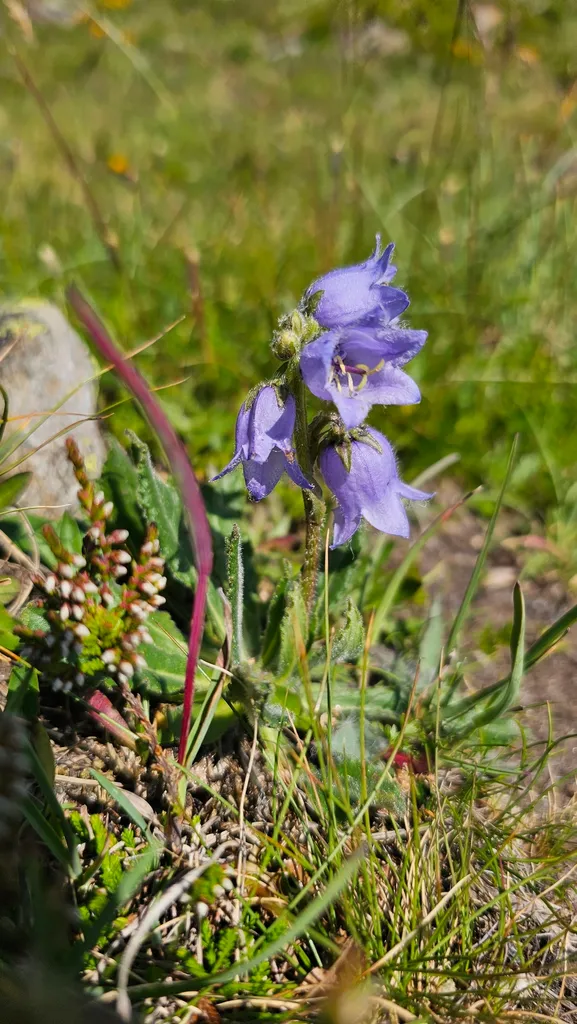
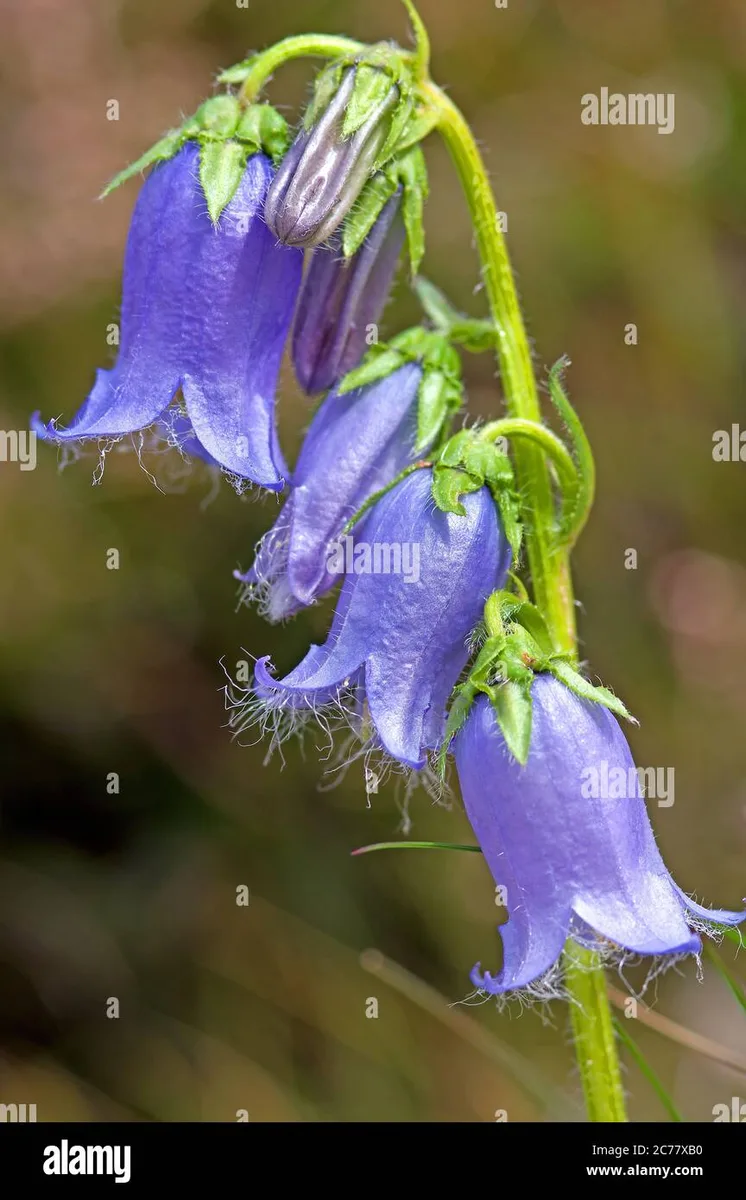
Distribution of bearded bellflower
Distribution map
Norway, Alps
Information to be completed
Culture
Information to be completed
Toxicity
Information to be completed
Quick identification of bearded bellflower
Information to be completed
bearded bellflower care guide
- Moderate steady moisture, slight soil dryness tolerated briefly
- Watering
- Full sun · Partial shade
- Sunlight
- Information to be completed
- Ideal temperature

Watering
Moderate steady moisture, slight soil dryness tolerated briefly
Fertilizing
 Fertilizing
Perennial flower diluted feed monthly spring to late summer
Pruning
 Pruning
Deadhead to encourage more flowers
Propagation
 Propagation
Propagate by seed; plants will often self-seed in place
Growing
 Growing
Thrives in well-drained soil in sun or light, part-day shade. Protect from excess winter wet
People also ask
Information to be completed
Common pests and diseases
Diseases
May be susceptible to powdery mildews and rust diseases
Pests
May be susceptible to aphids, slugs and snails
Explore the plant health library →




