
Canterbury bells
Also known as: Canterbury bell; Coventry bells; Coventry rapes; cup and saucer; fair-in-sight; gingerbread bells; mariettes; Mercury's violets; St Thomas's bell; lady's nightcap
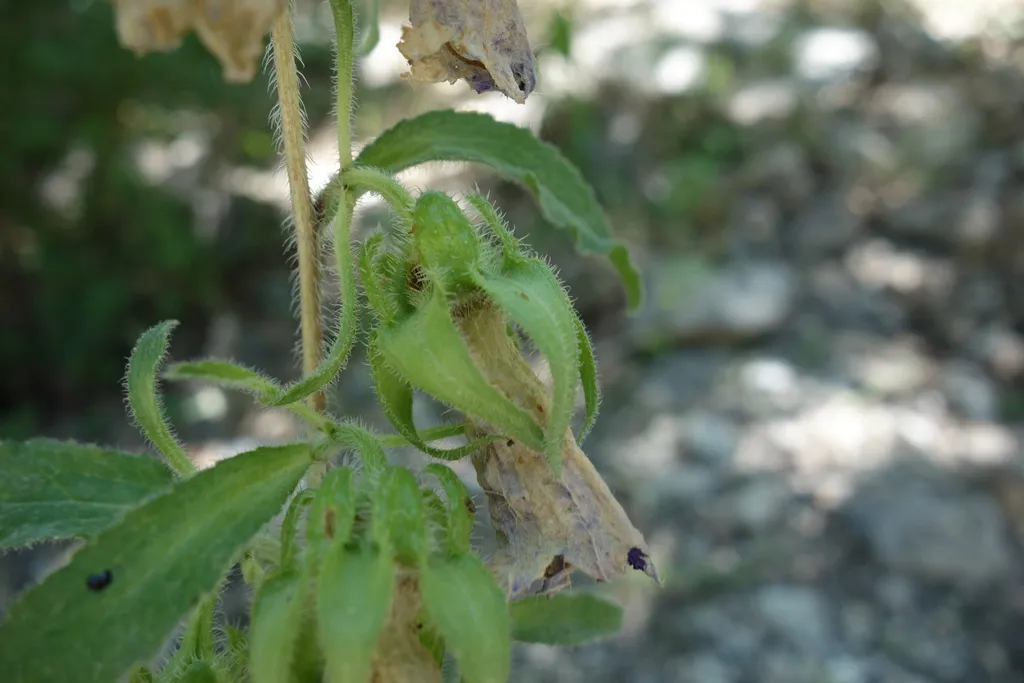
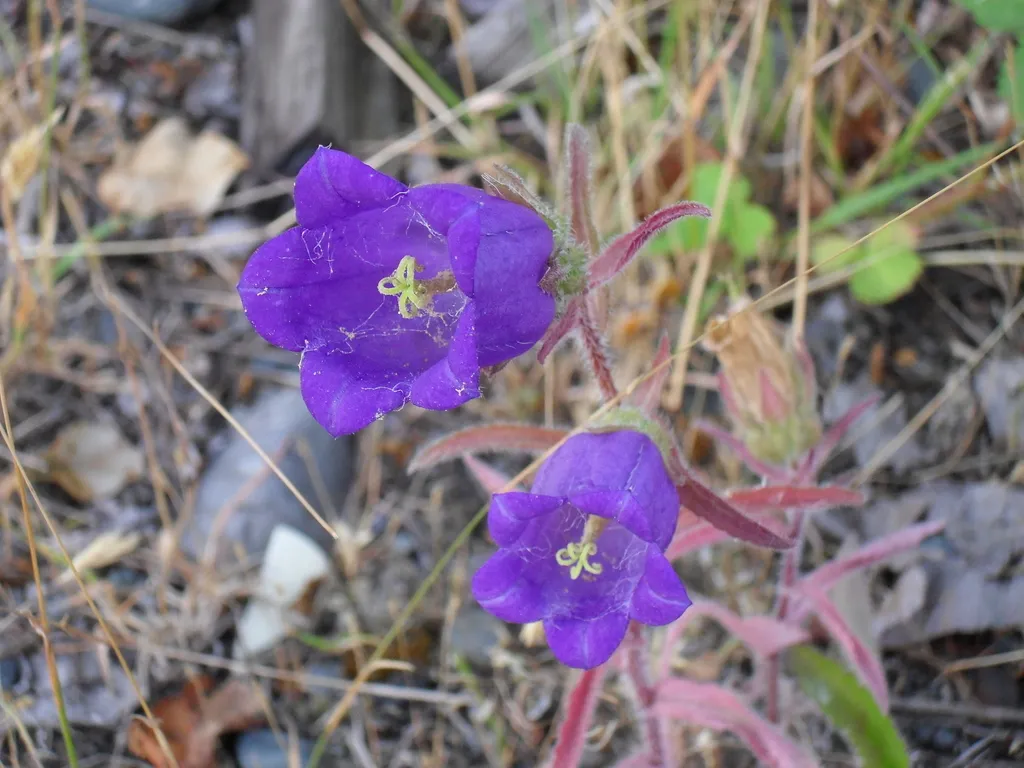
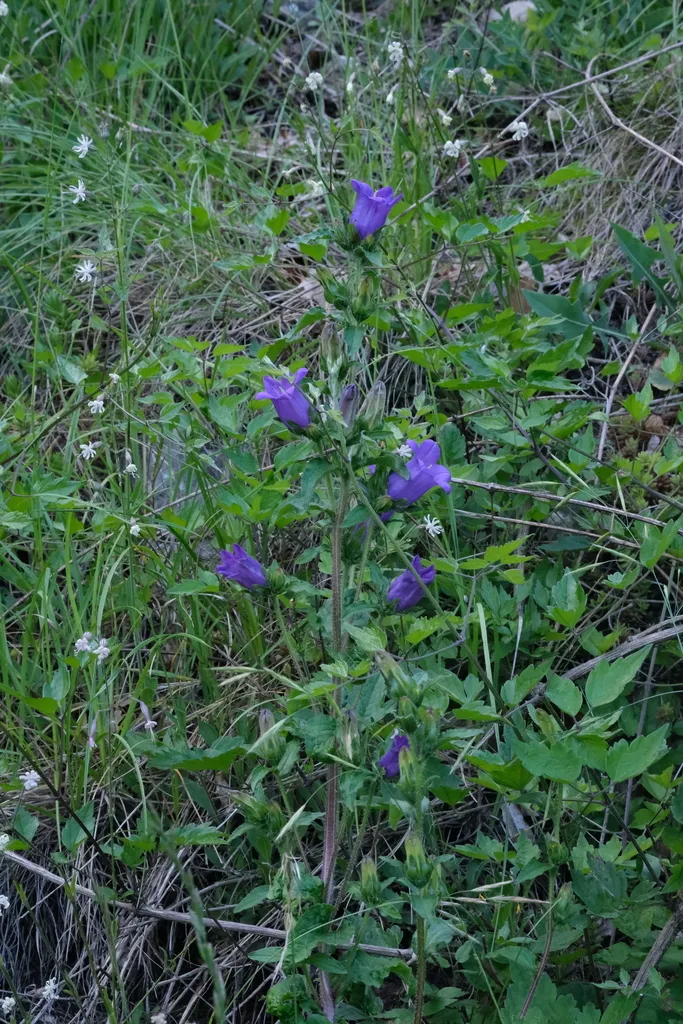
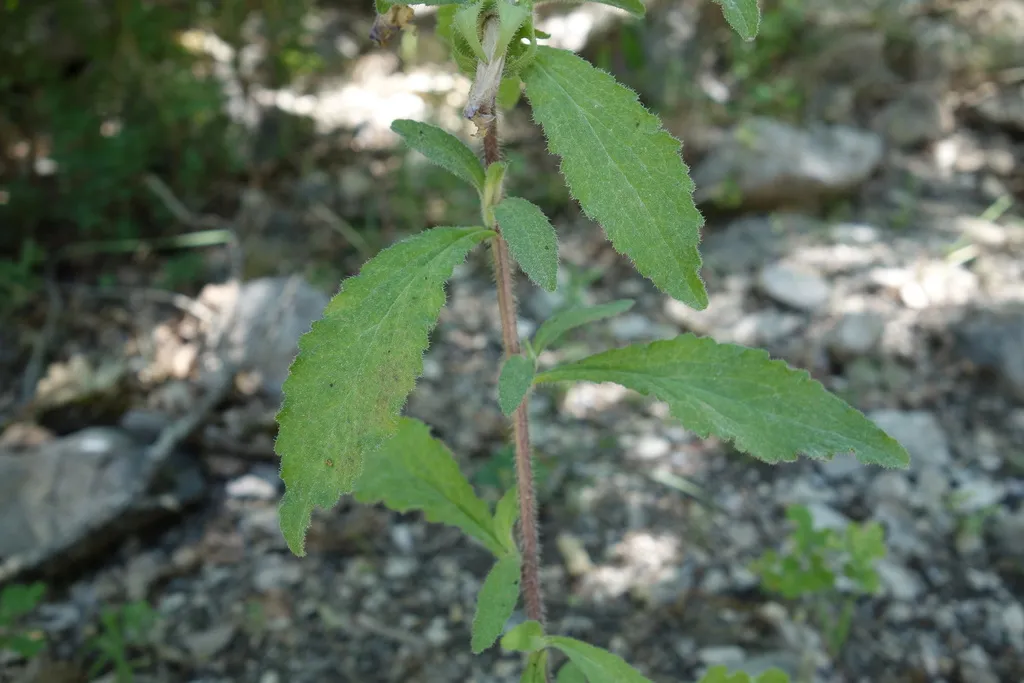
A biennial of upright growth, with a basal rosette of lance-shaped leaves to 15cm long and a leafy stem bearing broadly bell-shaped, blue, pink or white, single or double flowers in summer
Scientific classification
- Species
- Canterbury bells (Campanula medium)
- Genus
- Campanula
- Family
- Campanulaceae
- Information to be completed
- Toxicity
- Annual Biennial
- Plant type
- 0.5-1 metres
- Height
- 0.1-0.5 metres
- Spread
- Deciduous
- Foliage
- Bushy
- Habit
- Spring · Summer
- Season of interest
- Full sun · Partial shade
- Sunlight
- Information to be completed
- Ideal temperature









Canterbury bells pictures
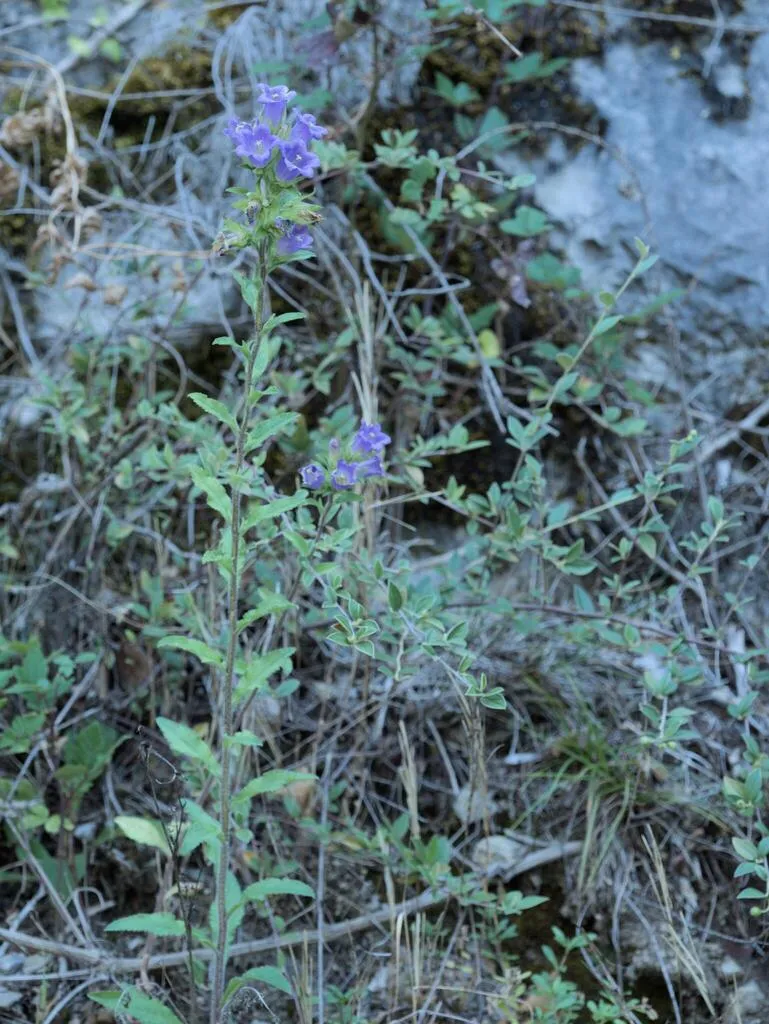
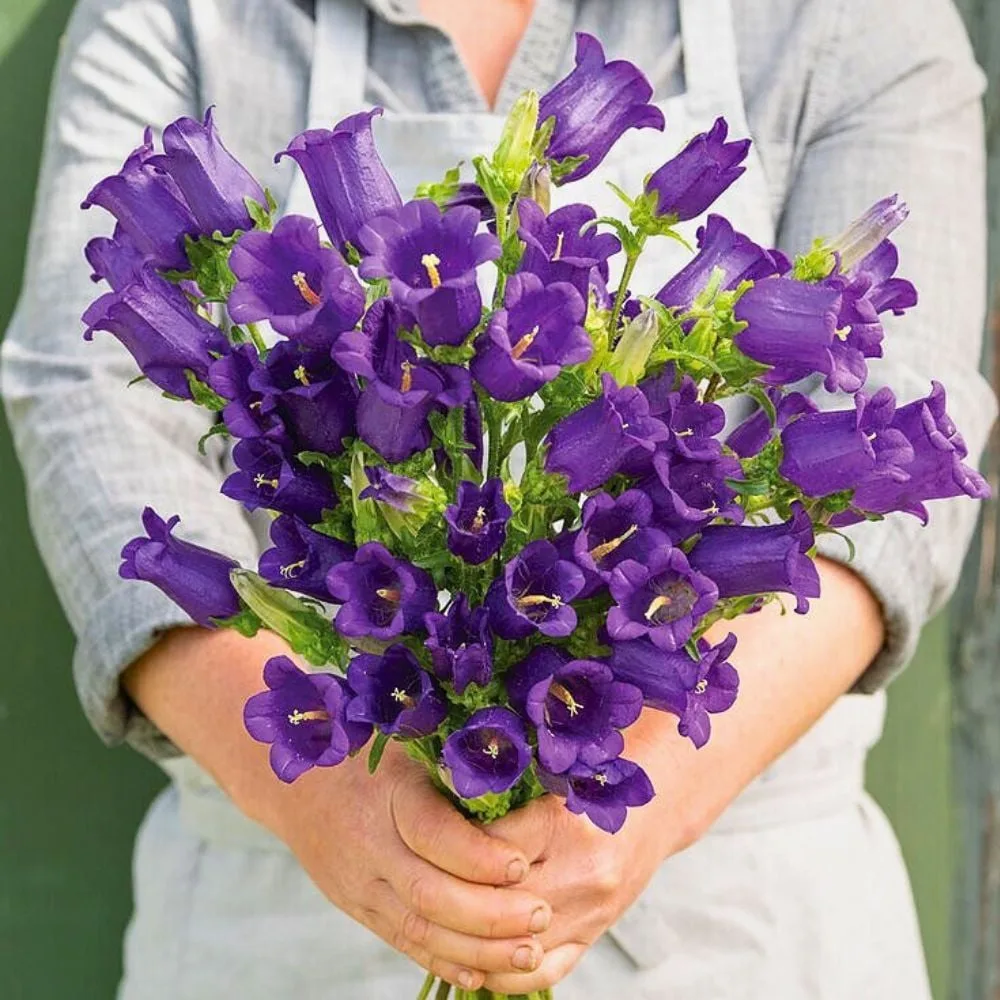
Distribution of Canterbury bells
Distribution map
Southern Europe
Information to be completed
Culture
Information to be completed
Toxicity
Information to be completed
Quick identification of Canterbury bells
Information to be completed
Canterbury bells care guide
- Moderate regular watering, avoid prolonged drought and stagnant waterlogging
- Watering
- Full sun · Partial shade
- Sunlight
- Information to be completed
- Ideal temperature

Watering
Moderate regular watering, avoid prolonged drought and stagnant waterlogging
Fertilizing
 Fertilizing
Balanced perennial feed every four weeks spring through summer growth
Pruning
 Pruning
Do not cut back after flowering if self-seeding is desired. However, removing of the spent flower spikes may encourage second flush of flowers
Propagation
 Propagation
Propagate by seed. Surface sow seeds from late spring to early summer. In milder areas sow directly in the autumn
Growing
 Growing
It prefers fertile, moist but well-drained soil. It will tolerate wide range of soil types if well-drained. Grow in sun or partial shade. Suitable for container cultivation
People also ask
Information to be completed
Common pests and diseases
Diseases
Powdery mildews and rust diseases may be a problem
Pests
Vulnerable to slugs and snails
Explore the plant health library →




