
cucumber 'Mini Munch'
Also known as: Information to be completed
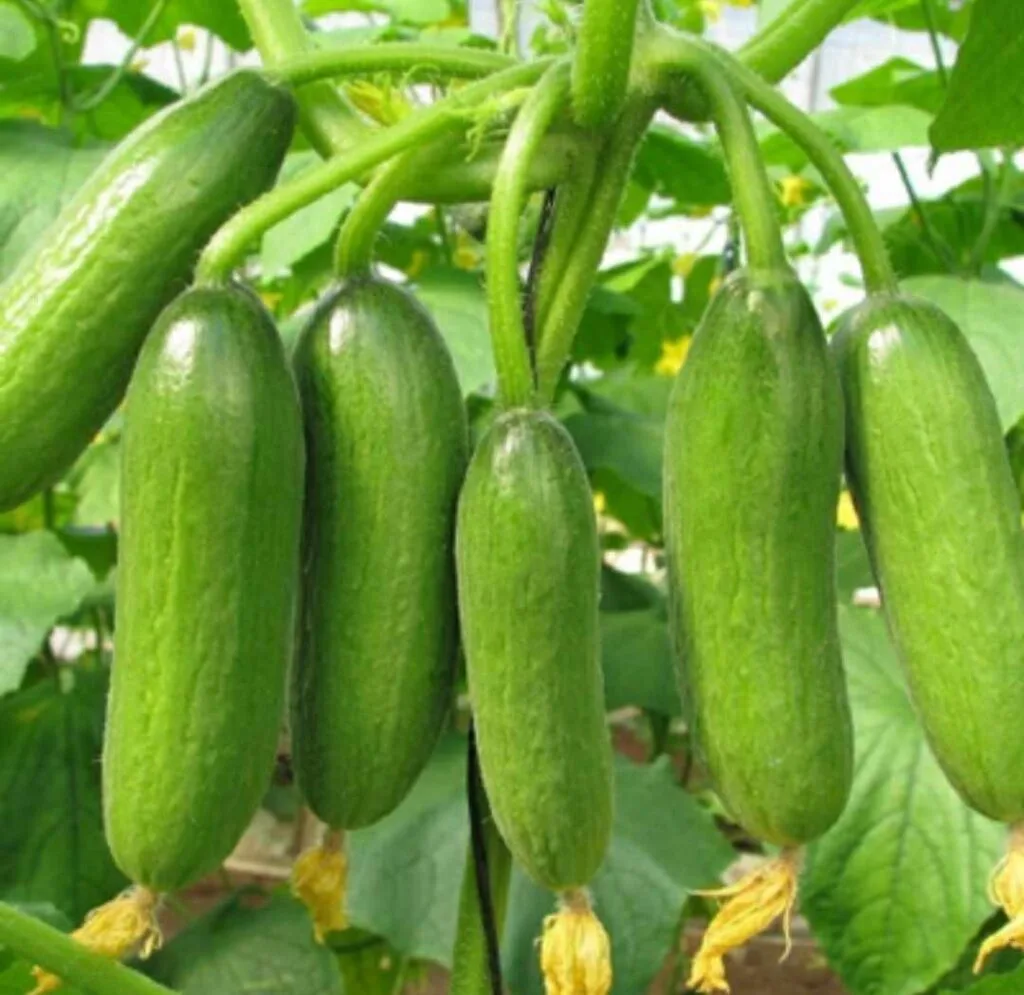
An all female, mini cucumber variety that is noted for being a particular heavy croppper, producing small, snack sized fruits at 7cm long. The cucumbers have a crunchy texture and excellent flavour and have a long cropping period between June and October
Scientific classification
- Species
- cucumber 'Mini Munch' (Cucumis sativus 'Mini Munch')
- Genus
- Cucumis
- Family
- Cucurbitaceae
- Order
- Cucurbitales
- Class
- Magnoliopsida
- Phylum
- Magnoliophyta
- Information to be completed
- Toxicity
- Annual Biennial
- Plant type
- 2.5-4 metres
- Height
- 0.1-0.5 metres
- Spread
- Deciduous
- Foliage
- Trailing
- Habit
- Spring · Summer · Autumn
- Season of interest
- Full sun
- Sunlight
- Information to be completed
- Ideal temperature









cucumber 'Mini Munch' pictures
Distribution of cucumber 'Mini Munch'
Distribution map
- Native
- Introduced
- Cultivated
Source:WCVP v16 · Royal Botanic Gardens, Kew · CC BY 3.0 · Boundaries:WGSRPD / TDWG
cucumber 'Mini Munch' care guide
- Moderate regular watering, avoid prolonged drought and stagnant waterlogging
- Watering
- Full sun
- Sunlight

Watering
Moderate regular watering, avoid prolonged drought and stagnant waterlogging
Fertilizing
 Fertilizing
Balanced perennial feed every four weeks spring through summer growth
Pruning
 Pruning
Pinch out the growing point of the plant once it reaches the top of the support. Shorten sideshoots to two leaves beyond any developing fruit
Propagation
 Propagation
Propagate by seed. See sowing vegetable seeds
Growing
 Growing
Grow from seed between March and April in a heated greenhouse or on a sunny windowsill in pots and maintain a constant temperature of 21C. Prick out young plants into 25cm pots filled with a good quality growing potting compost and maintain a temperature of 12-15C. Water little and often to keep the compost evenly moist and feed every two weeks. See vegetable cultivation
Common pests and diseases
Diseases
May be susceptible to cucumber mosaic virus and powdery mildews
Pests
May be susceptible to glasshouse whitefly, glasshouse red spider mite, slugs and snails
Explore the plant health library →




