
Evia bellflower
Also known as: Information to be completed
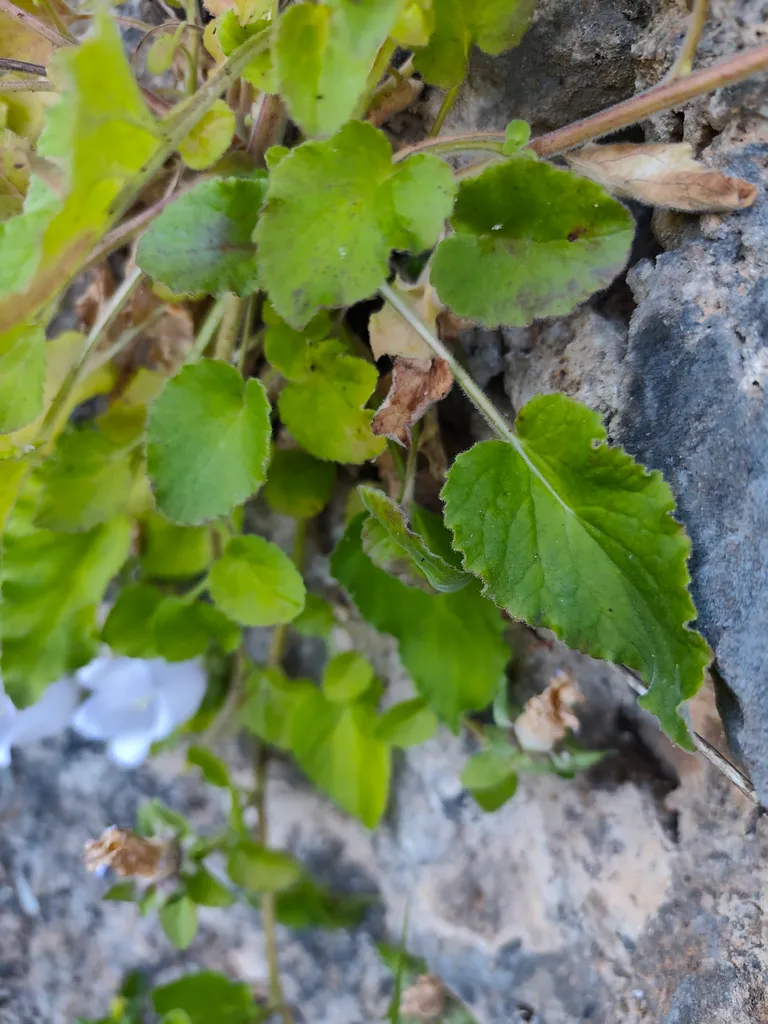
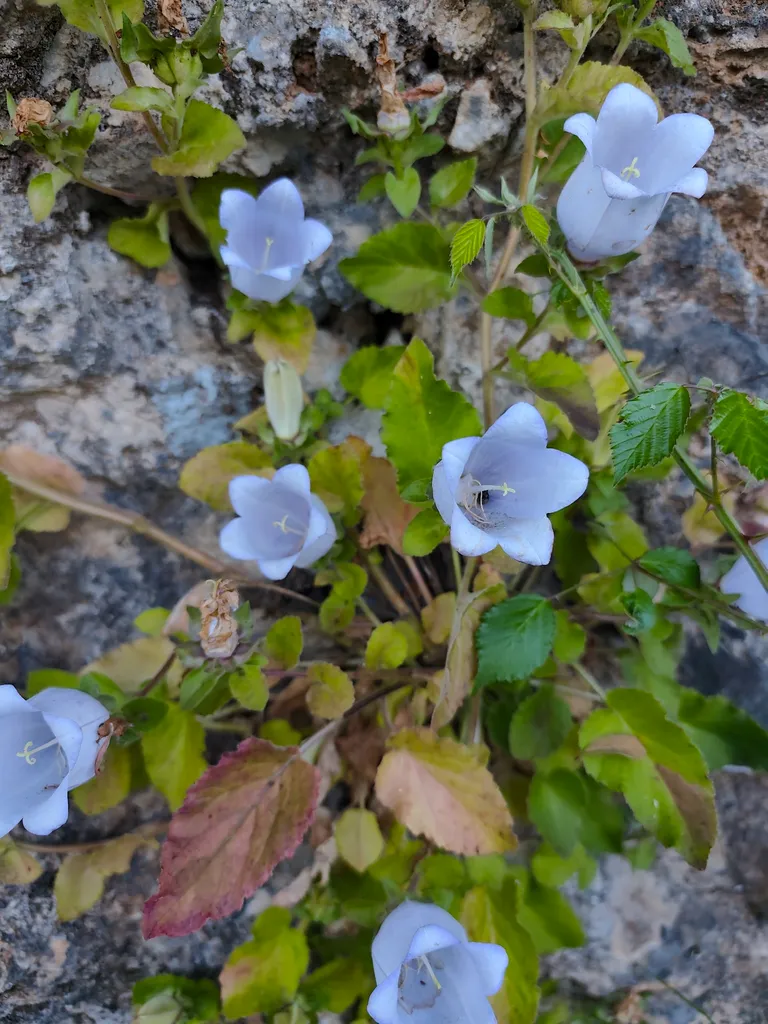
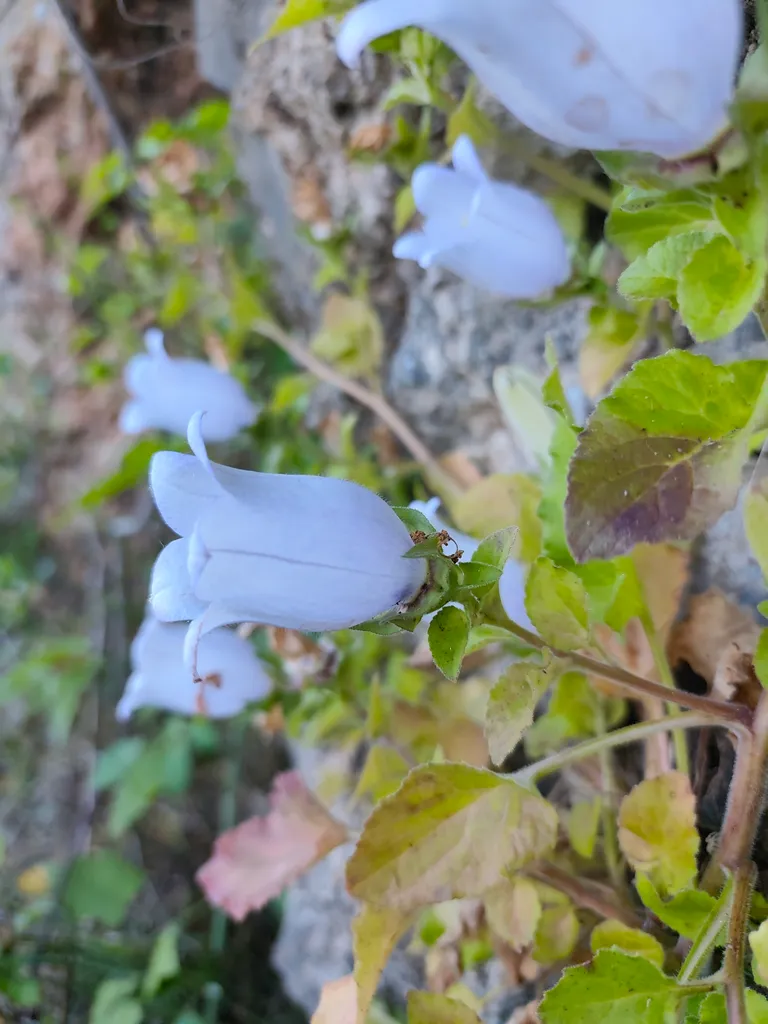
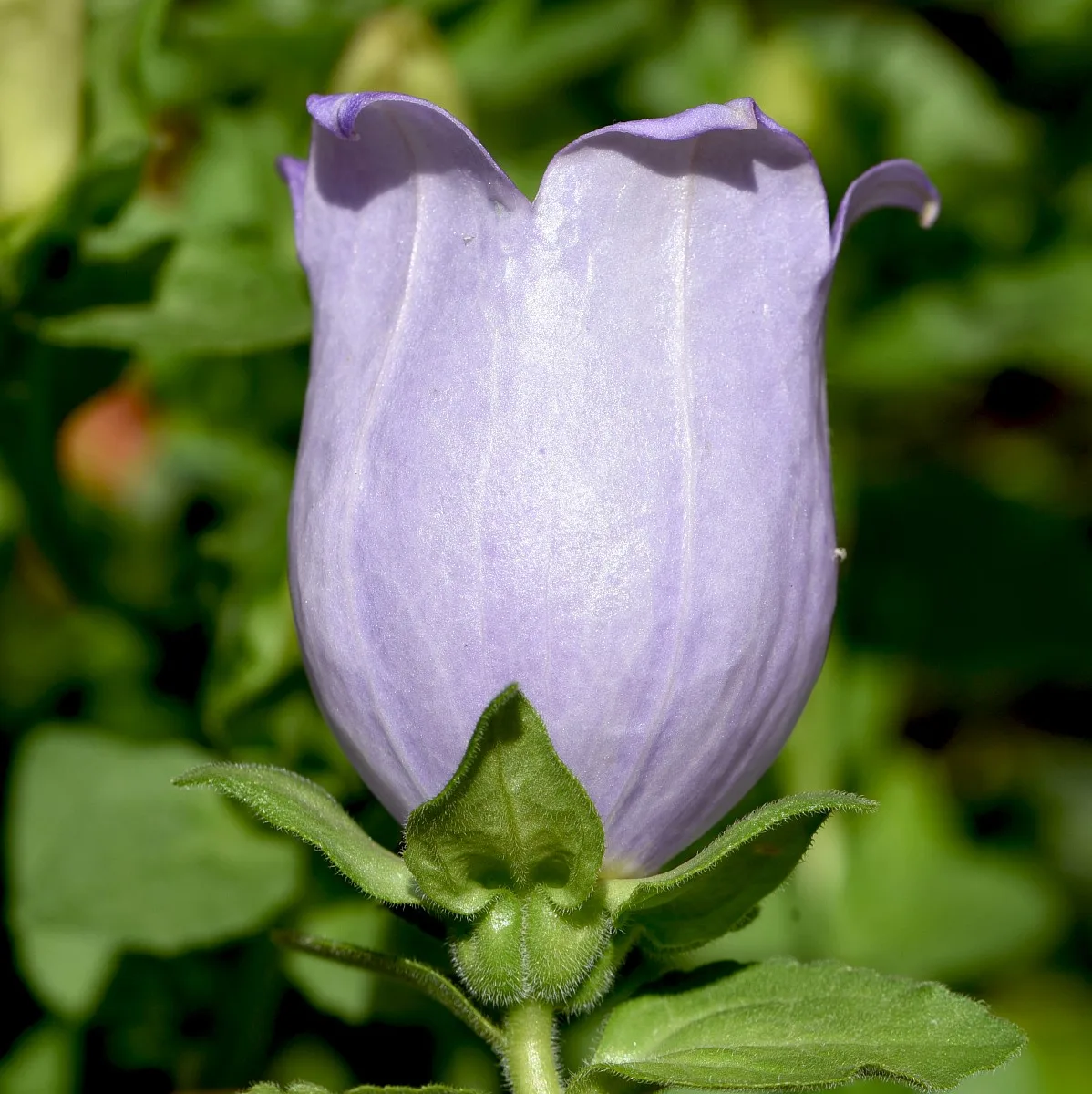
A short, softly hairy, biennial plant, that is usually monocarpic (dying after seeding once) though it can be longer-lived. Multiple flower stems, curving outward and upward to 30cm tall, rise out of a basal rosette of stalked, pale green, usually heart-shaped leaves. Flowers are large for the size of plant, 4-5cm long, a curvacous bell-shape like Canterbury bells, pale bluish-lilac, borne in lax panicles throughout the summer
Scientific classification
- Species
- Evia bellflower (Campanula incurva)
- Genus
- Campanula
- Family
- Campanulaceae
- Information to be completed
- Toxicity
- Alpine Rockery · Annual Biennial
- Plant type
- 0.1-0.5 metres
- Height
- 0.1-0.5 metres
- Spread
- Evergreen
- Foliage
- Bushy
- Habit
- Spring · Summer · Winter
- Season of interest
- Full sun · Partial shade
- Sunlight
- Information to be completed
- Ideal temperature









Evia bellflower pictures
Distribution of Evia bellflower
Distribution map
Greece
Information to be completed
Culture
Information to be completed
Toxicity
Information to be completed
Quick identification of Evia bellflower
Information to be completed
Evia bellflower care guide
- Moderate regular watering, avoid prolonged drought and stagnant waterlogging
- Watering
- Full sun · Partial shade
- Sunlight
- Information to be completed
- Ideal temperature

Watering
Moderate regular watering, avoid prolonged drought and stagnant waterlogging
Fertilizing
 Fertilizing
Balanced perennial feed every four weeks spring through summer growth
Pruning
 Pruning
None required
Propagation
 Propagation
Propagate by seed in winter or spring in a cold frame
Growing
 Growing
Plant in moderately fertile, well-drained soil in a sunny position
People also ask
Information to be completed
Common pests and diseases
Diseases
Usually trouble free
Pests
Slugs and snails may be problematic
Explore the plant health library →




