
tomato
Also known as: love apple; purple calabash tomato
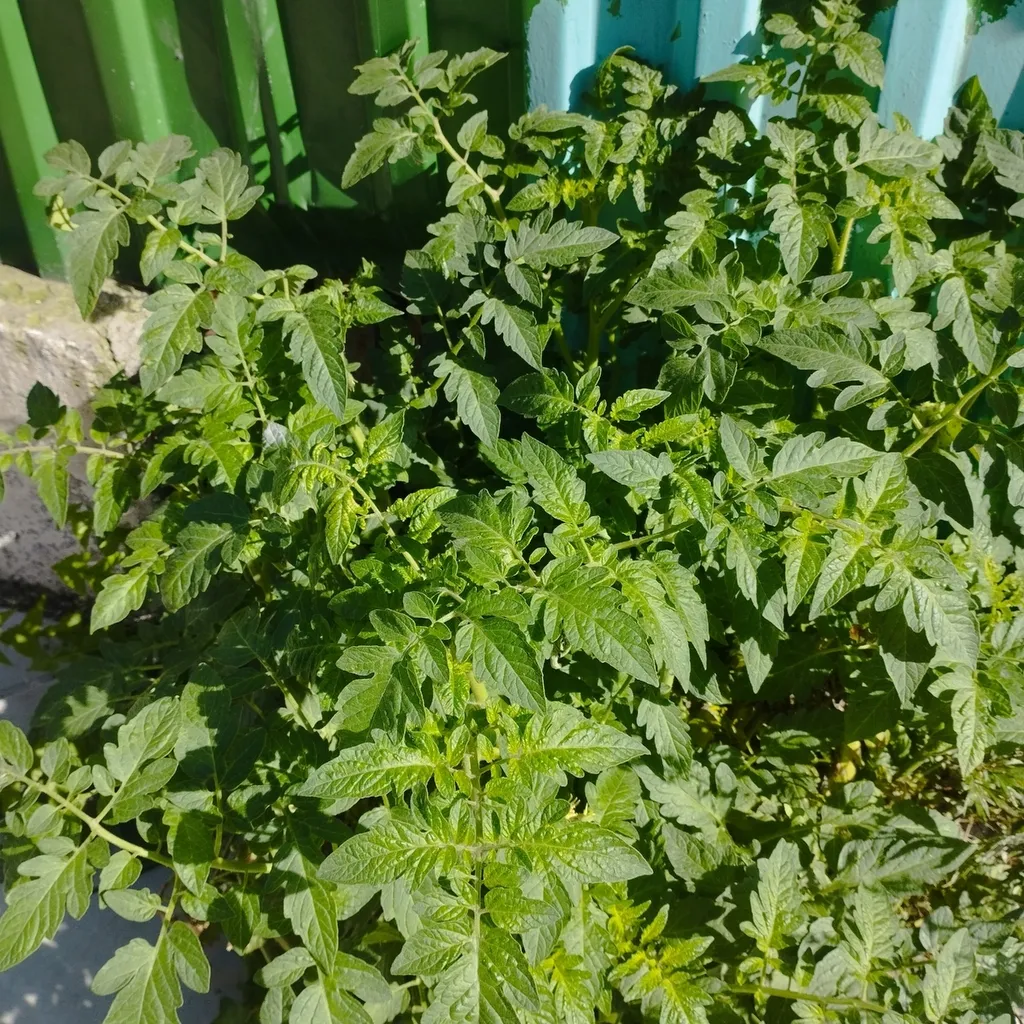
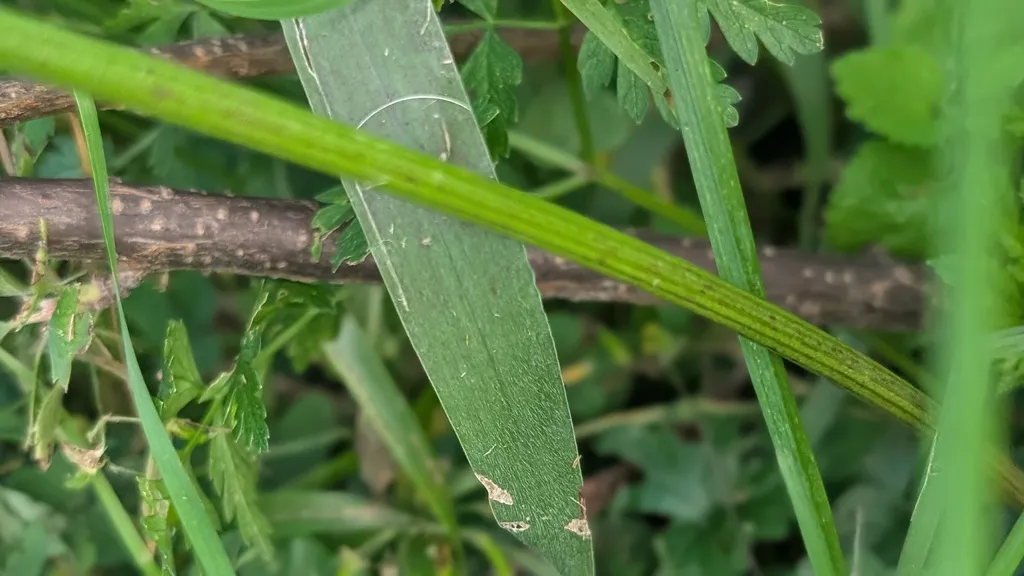
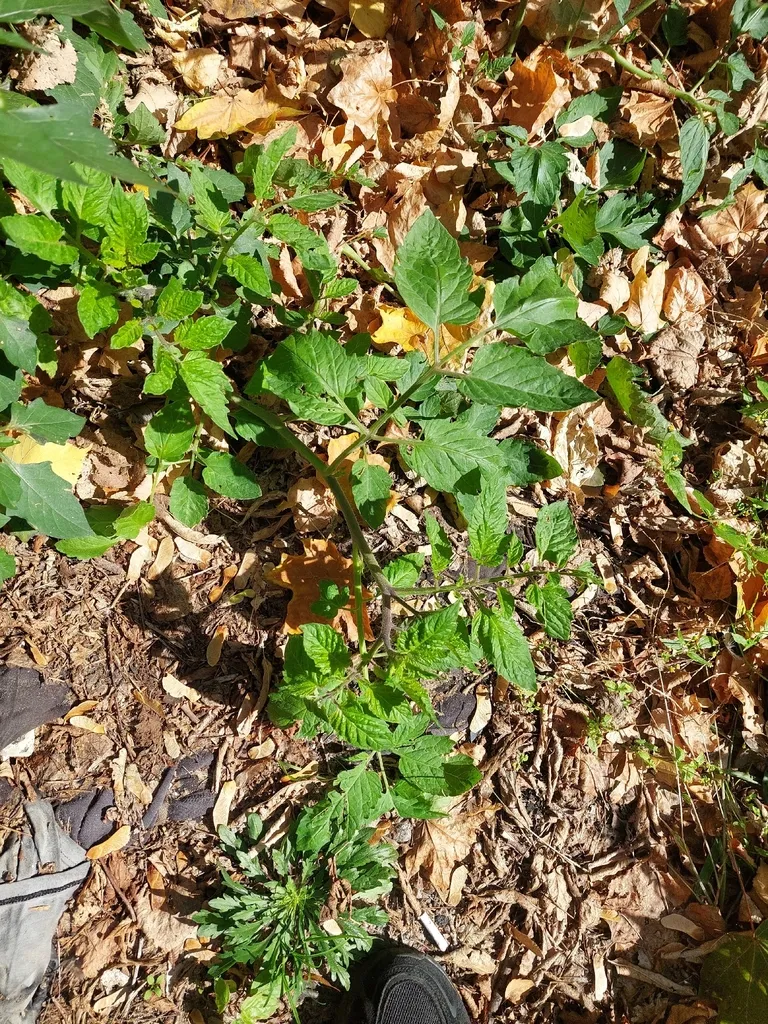
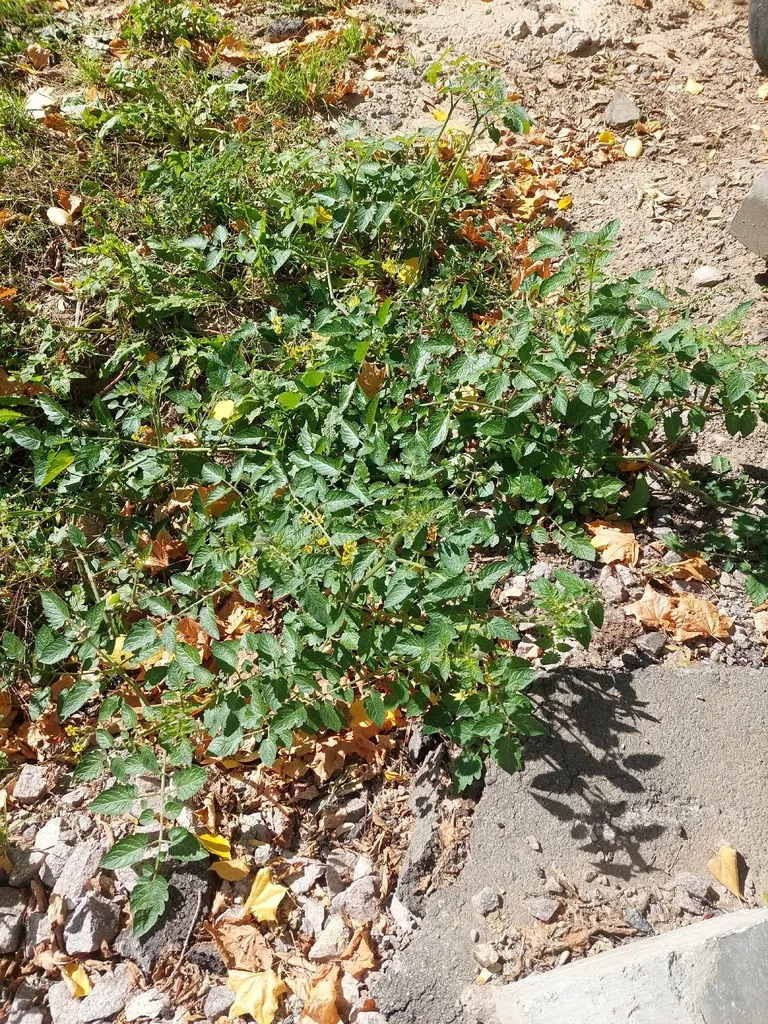
This is the original plant from which all know varieties of tomato have been bred. The original species is quite a large, branching and climbing plant growing up to 2m tall that is perennial subshrub in its native tropical habitat. The stems and leaves are covered with short hairs. The plant flowers with yellow, star-shaped flowers, 1-2cm across, that produce green berries, ripening to variable-sized tomatoes. There are many different cultivars that bear fruit differing in size, shape and colour
Scientific classification
- Species
- tomato (Solanum lycopersicum)
- Genus
- Solanum
- Family
- Solanaceae
- Order
- Solanales
- Class
- Magnoliopsida
- Phylum
- Magnoliophyta
- Information to be completed
- Toxicity
- Fruit Edible
- Plant type
- 1.5-2.5 metres
- Height
- 0.5-1 metres
- Spread
- Evergreen
- Foliage
- Bushy · Columnar upright · Climbing
- Habit
- Spring · Summer
- Season of interest
- Full sun
- Sunlight
- 18 – 27 °C
- Ideal temperature









tomato pictures
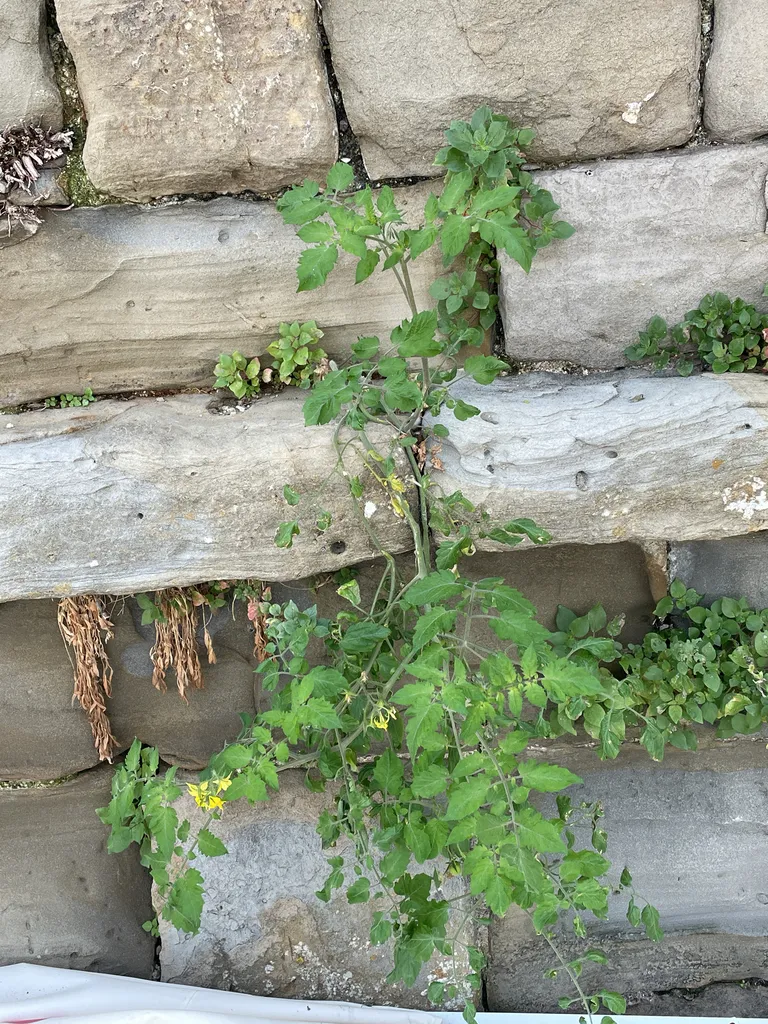
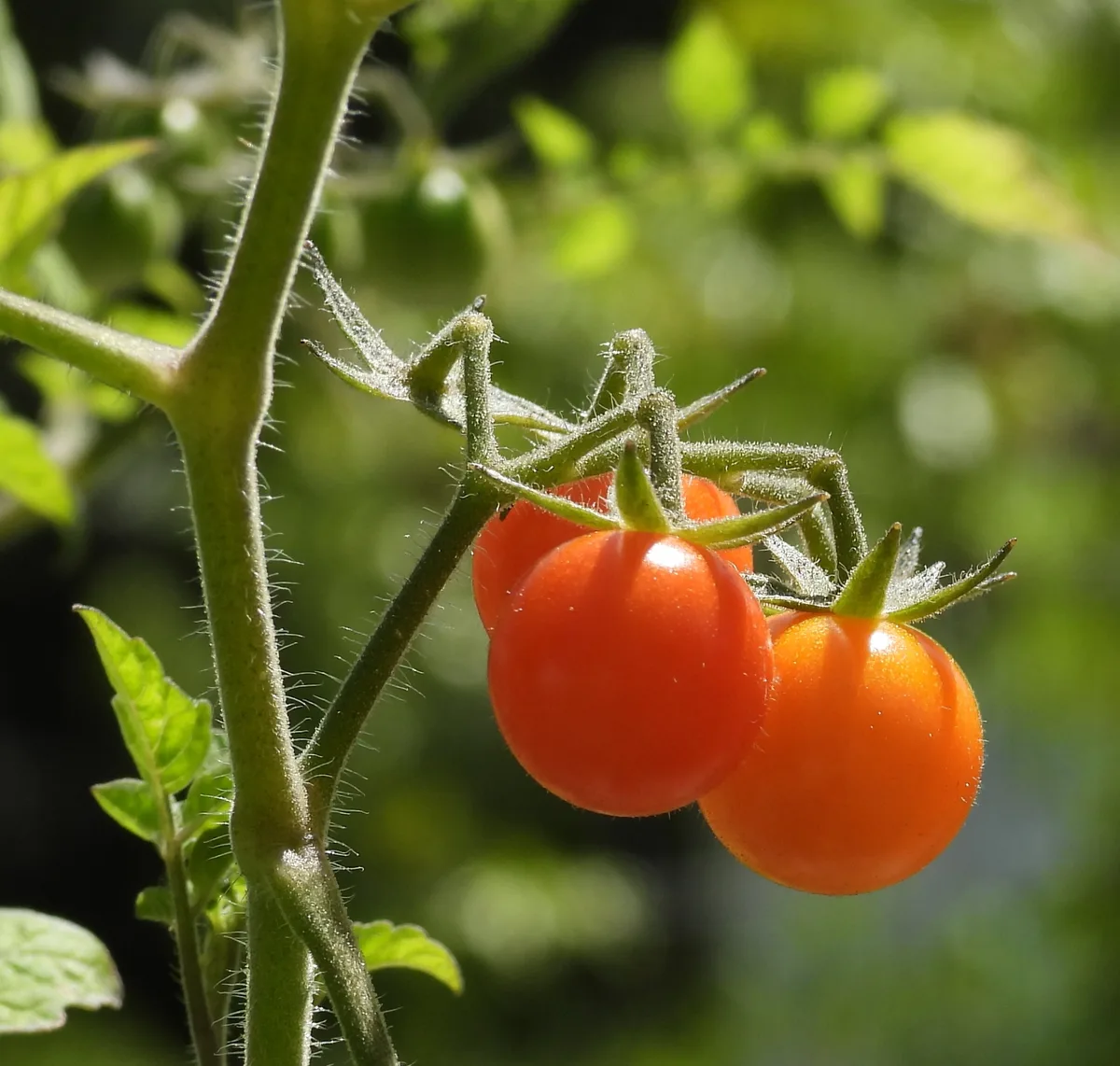
Distribution of tomato
Distribution map
- Native
- Introduced
- Cultivated
Source:WCVP v16 · Royal Botanic Gardens, Kew · CC BY 3.0 · Boundaries:WGSRPD / TDWG
tomato care guide
- Keep soil consistently moist but well-drained; water when top 1-2 cm of soil feels dry.
- Watering
- Full sun
- Sunlight
- 18 – 27 °C
- Ideal temperature

Watering
Keep soil consistently moist but well-drained; water when top 1-2 cm of soil feels dry.
Fertilizing
 Fertilizing
Every 1-2 weeks during the growing season with a balanced fertilizer.
Pruning
 Pruning
Remove all side shoots as they appear. Pinch the growing tip when the plant has formed seven trusses under cover or four trusses outdoors
Propagation
 Propagation
Propagate by seed. See sowing vegetable seeds or sowing seeds indoors for further advice
Growing
 Growing
Start from seed or buy as small plants and grow on in a heated greenhouse or warm windowsill. Move to an unheated greenhouse or outside once all risk of frost has passed. Water regularly to keep the soil evenly moist, feed every 10-14 days with a balanced liquid fertiliser before switching to a high potassium liquid feed once the first fruits have set. Provide support for cordon tomatoes. See also tomato cultivation for more advice
Common pests and diseases
Diseases
May be susceptible to honey fungus (rarely), blossom end rot, magnesium deficiency, tomato spotted wilt virus and grey moulds under glass
Pests
May be susceptible to glasshouse whitefly and tomato moth
Explore the plant health library →




