
spring crocus
Also known as: purple crocus
Aspring- to early-summer-flowering corm, good for naturalising in grass. Foliage is narrow and dark green, starting upright then spreading, and the goblet-shaped flowers may be white or shades of purple
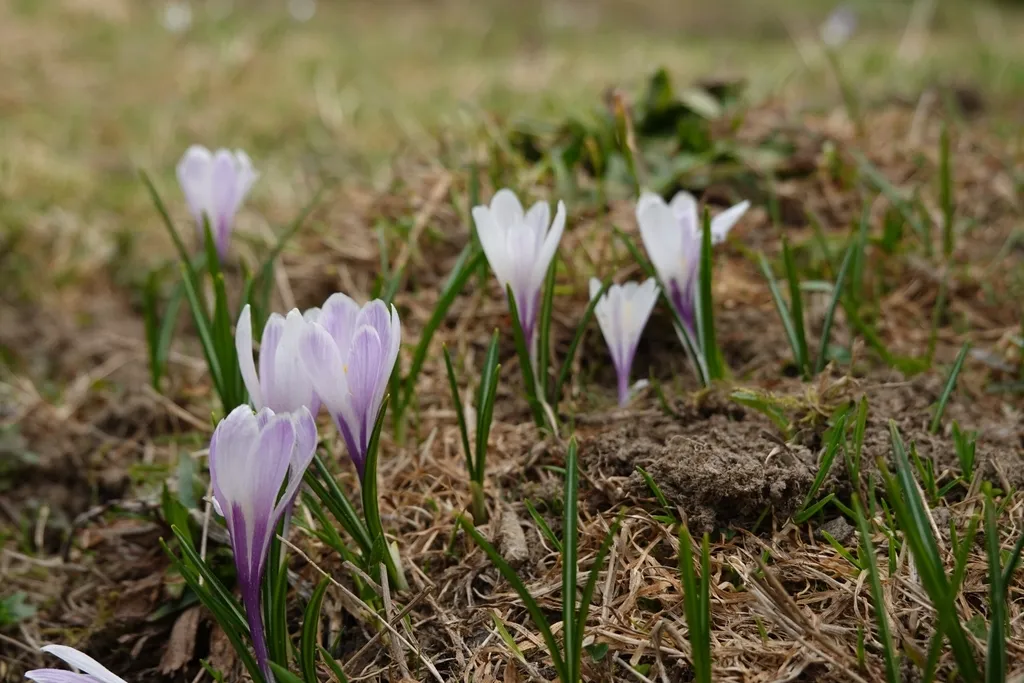
Scientific classification
- Species
- spring crocus (Crocus vernus)
- Genus
- Crocus
- Family
- Iridaceae
- Ornamental bulbs - not to be eaten. Wear gloves and other protective equipment when handling
- Toxicity
- Bulbs
- Plant type
- Up to 10 cm
- Height
- 0-0.1 metre
- Spread
- Deciduous
- Foliage
- Tufted
- Habit
- Spring · Winter · Summer
- Season of interest
- Full sun
- Sunlight
- Information to be completed
- Ideal temperature









spring crocus pictures
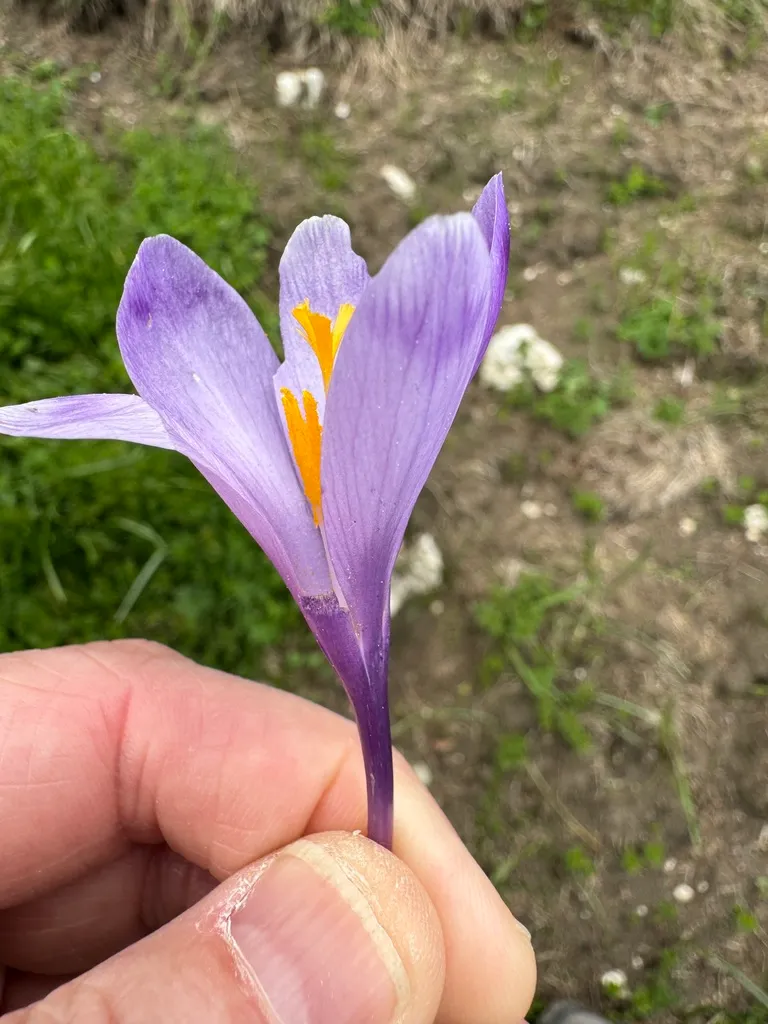
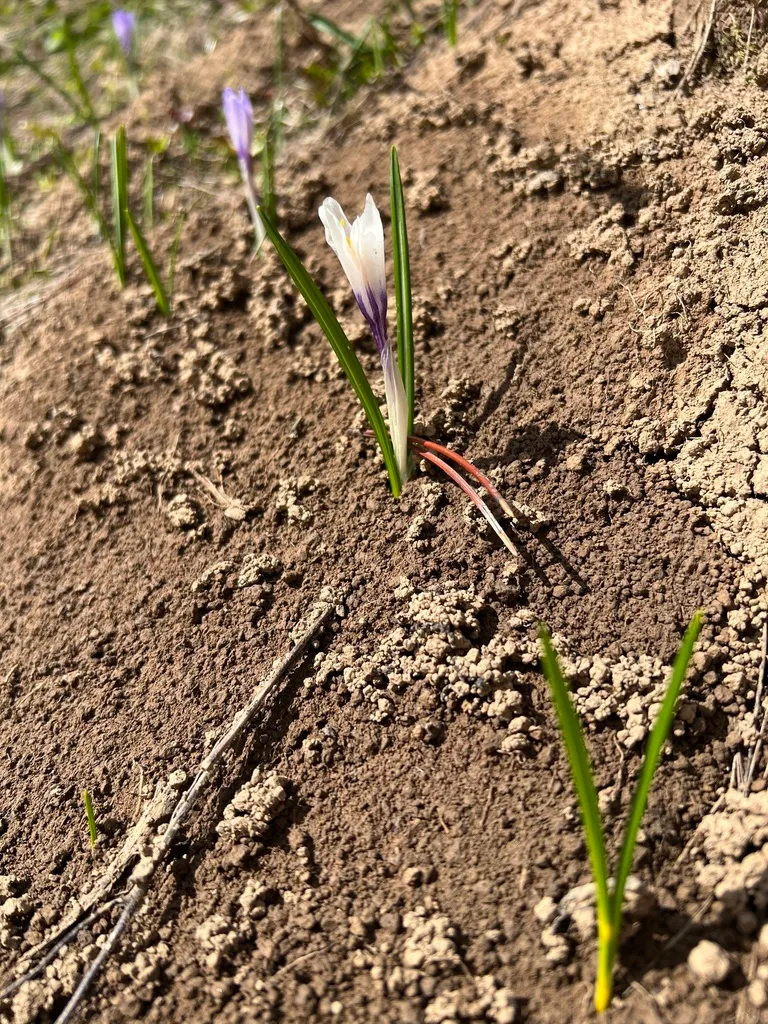
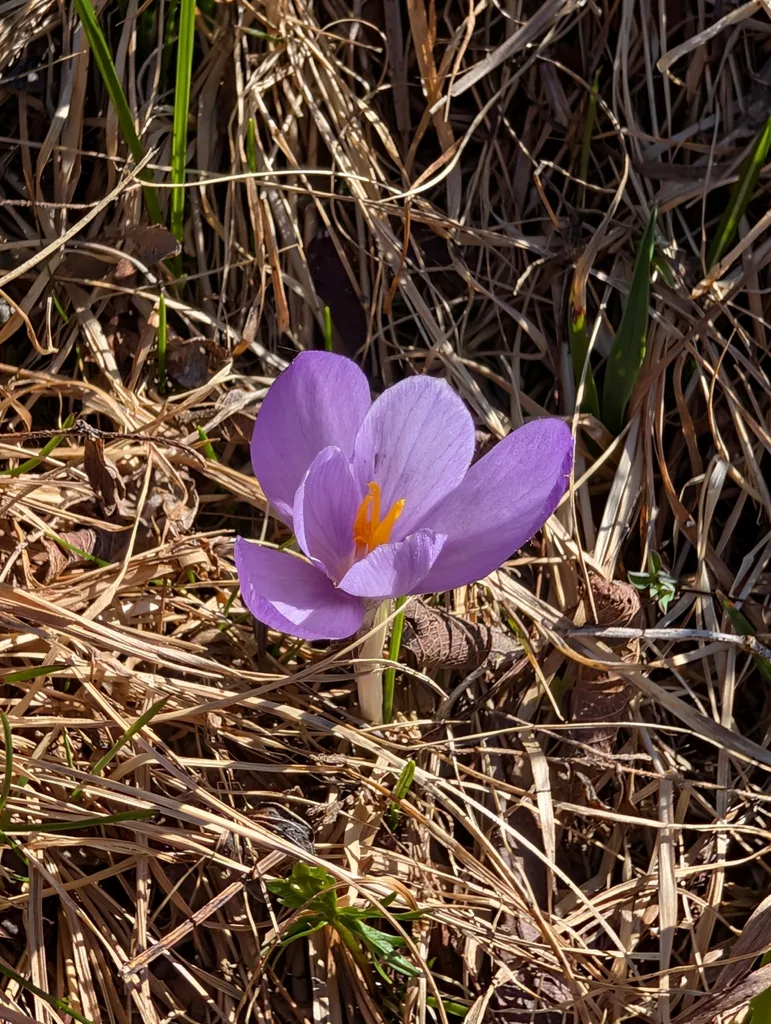
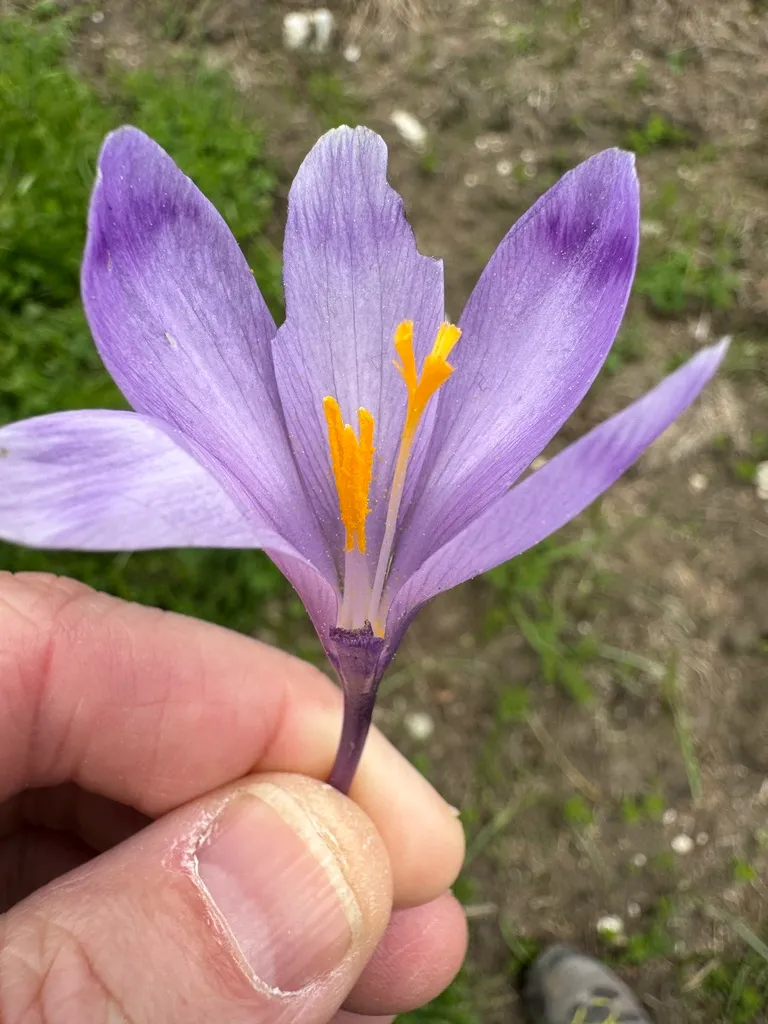
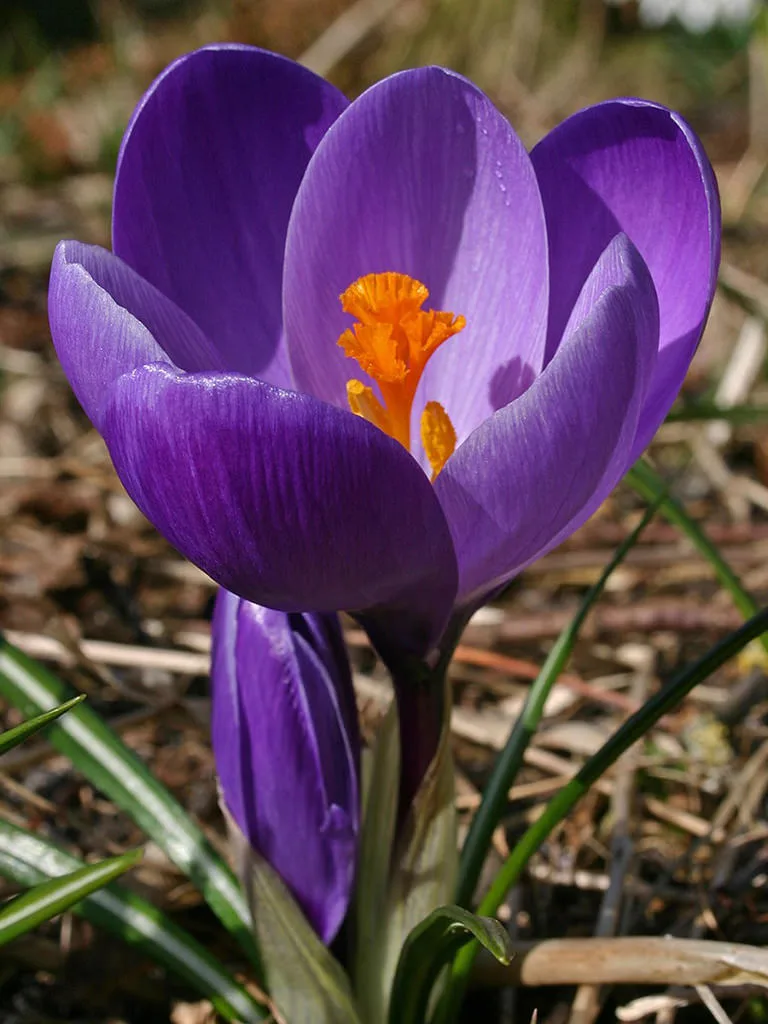
Distribution of spring crocus
Distribution map
Eastern Alps to Carpath.
Information to be completed
Culture
Information to be completed
Toxicity
Ornamental bulbs - not to be eaten. Wear gloves and other protective equipment when handling
Quick identification of spring crocus
Information to be completed
spring crocus care guide
- Moderate regular watering, allowing brief slight drying between soakings
- Watering
- Full sun
- Sunlight
- Information to be completed
- Ideal temperature

Watering
Moderate regular watering, allowing brief slight drying between soakings
Fertilizing
 Fertilizing
Balanced perennial feed every four weeks from spring through summer
Pruning
 Pruning
No pruning needed, allow leaves to die down naturally
Propagation
 Propagation
Propagate by division of clumps, or by separating cormlets
Growing
 Growing
Grow in well-drained soil in full sun, planting 5-6cm deep in late summer or autumn. If naturalised in grass delay mowing until leaves have died back
People also ask
Information to be completed
Common pests and diseases
Diseases
Generally disease-free, corms may rot in storage
Pests
May be susceptible to rodents and birds
Explore the plant health library →




