
Welsh poppy
Also known as: Information to be completed
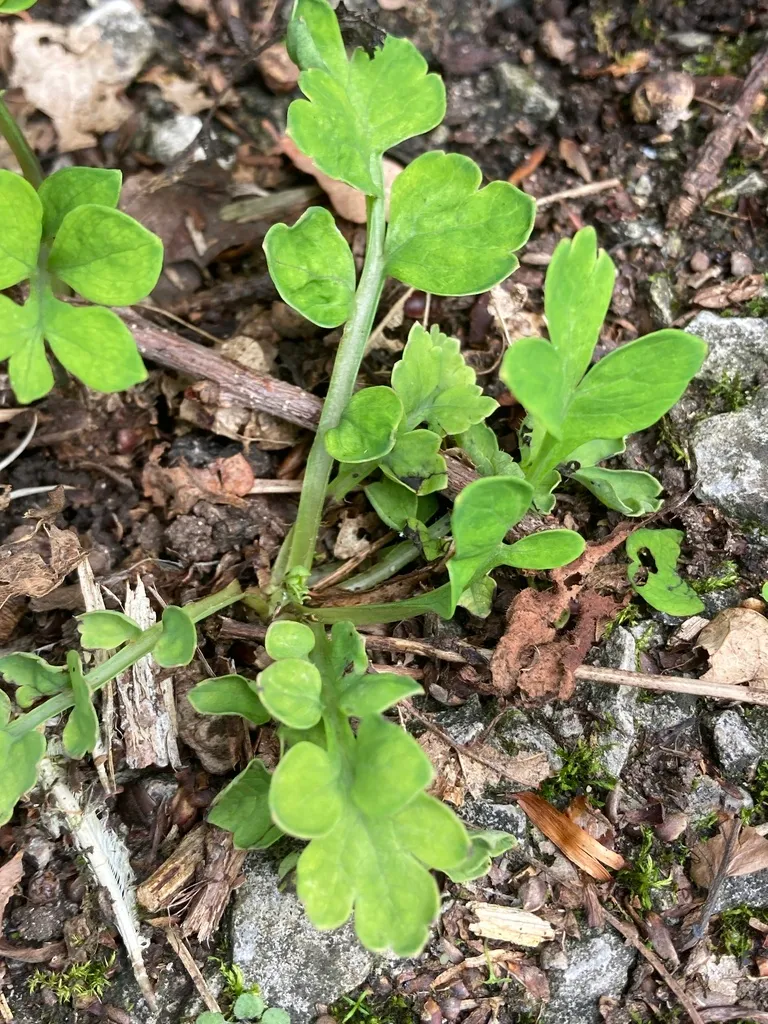
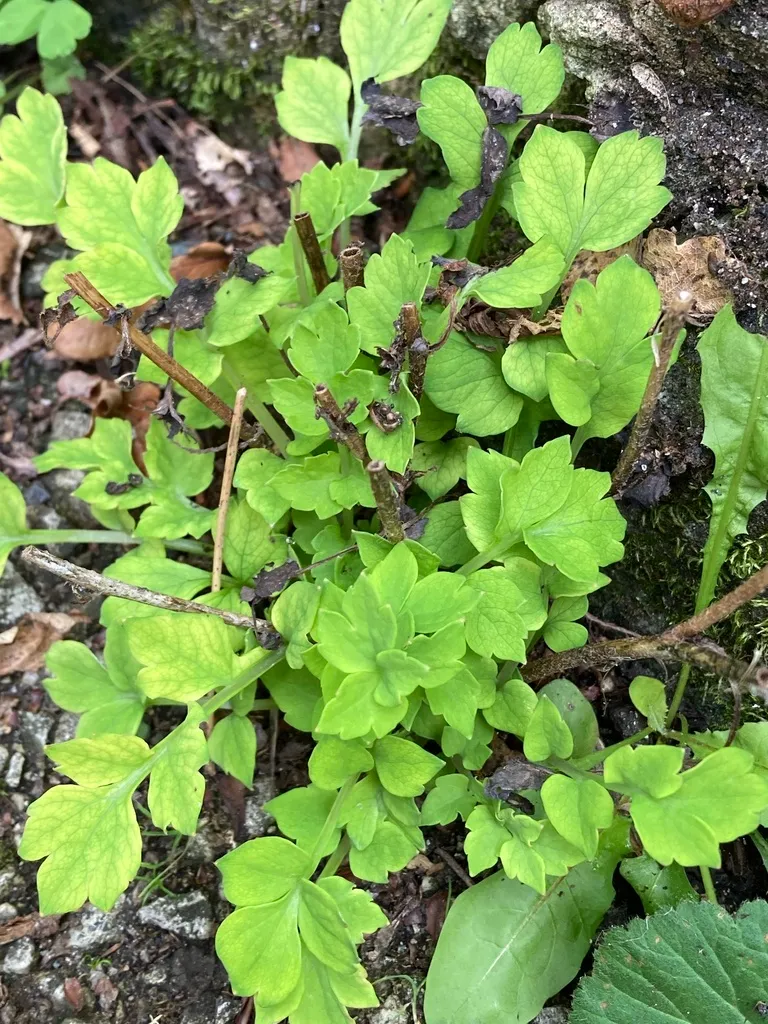
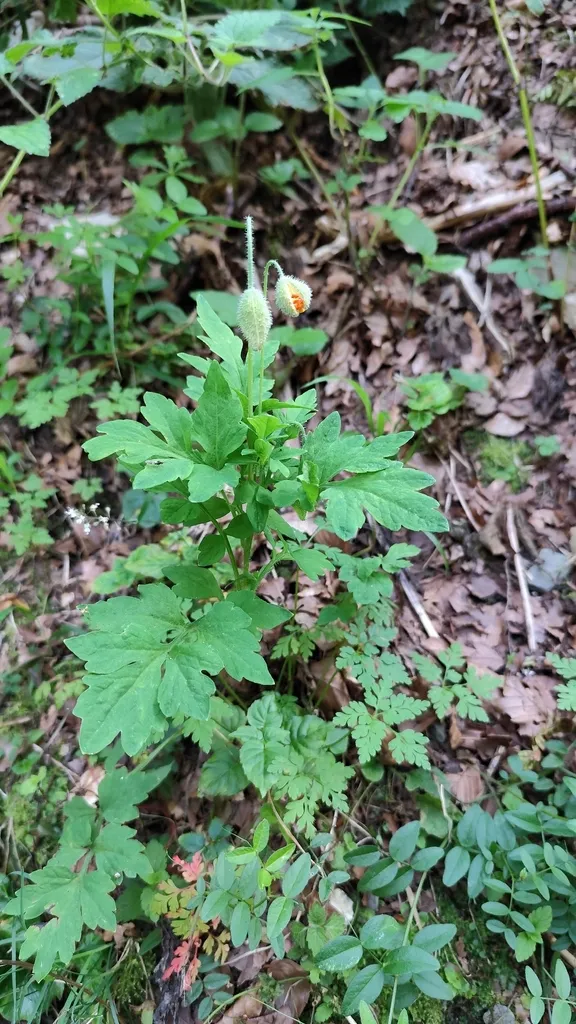
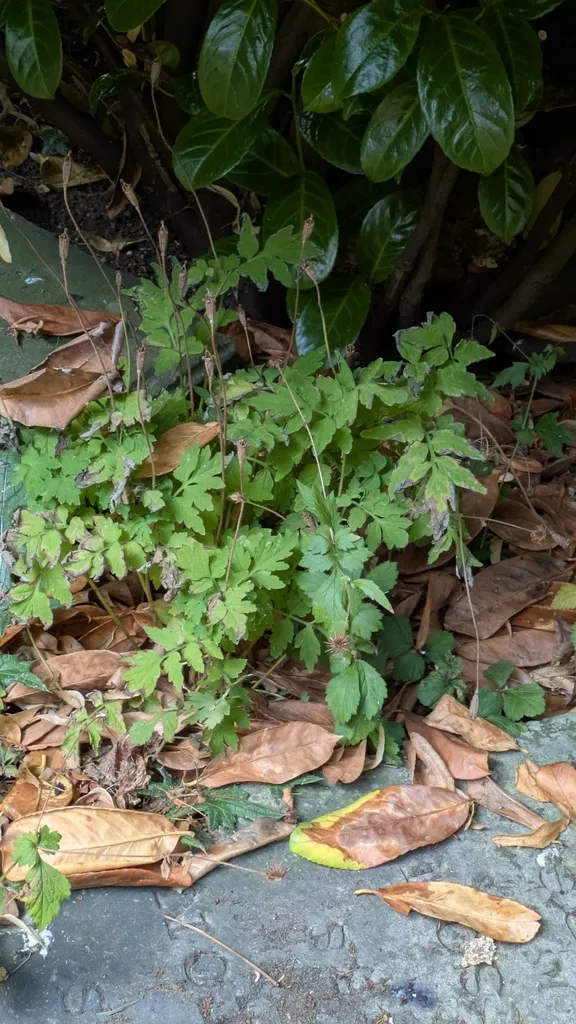
P. cambricum is a tap-rooted perennial with light green, pinnately lobed leaves and bowl-shaped lemon-yellow or orange flowers 5cm across, from late spring to early autumn
Scientific classification
- Species
- Welsh poppy (Papaver cambricum)
- Genus
- Papaver
- Family
- Papaveraceae
- Information to be completed
- Toxicity
- Herbaceous Perennial
- Plant type
- 0.1-0.5 metres
- Height
- 0.1-0.5 metres
- Spread
- Deciduous
- Foliage
- Clump forming
- Habit
- Spring · Summer · Autumn
- Season of interest
- Partial shade
- Sunlight
- Information to be completed
- Ideal temperature









Welsh poppy pictures
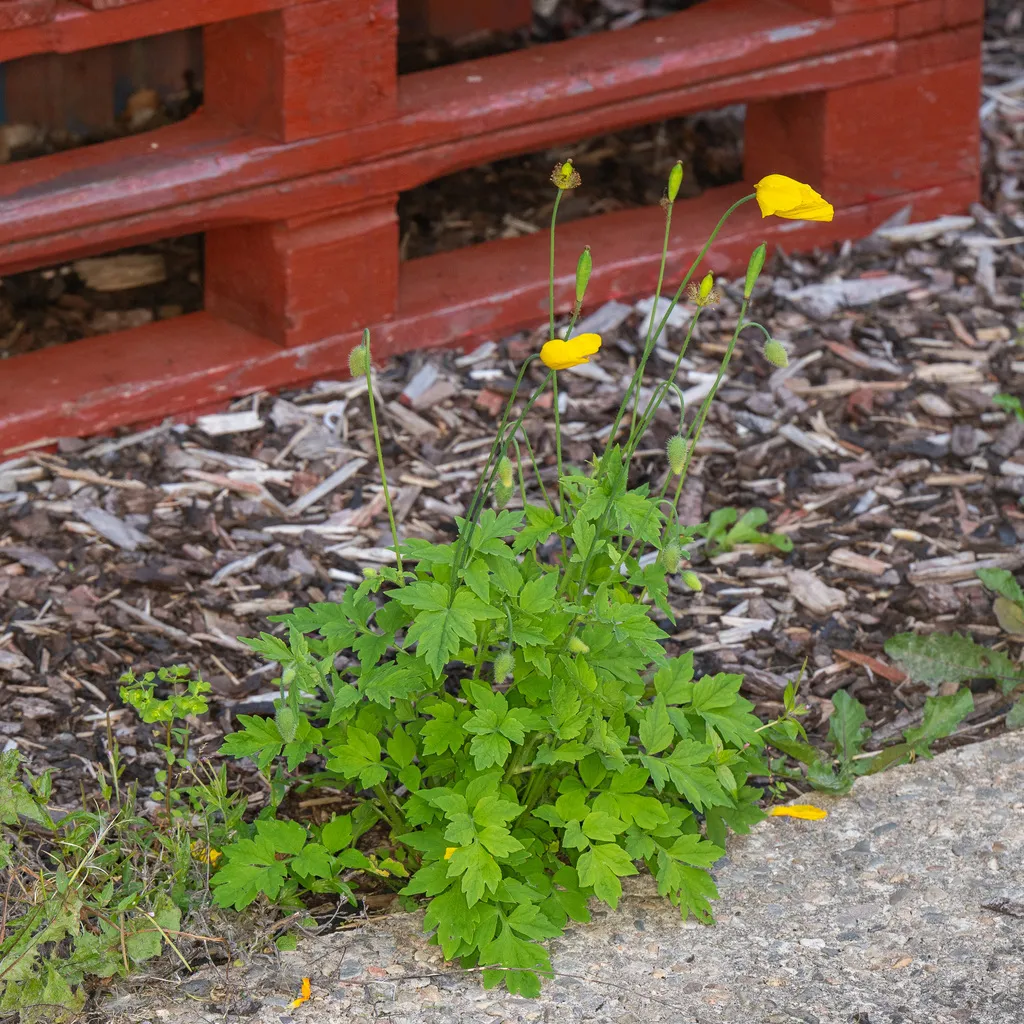
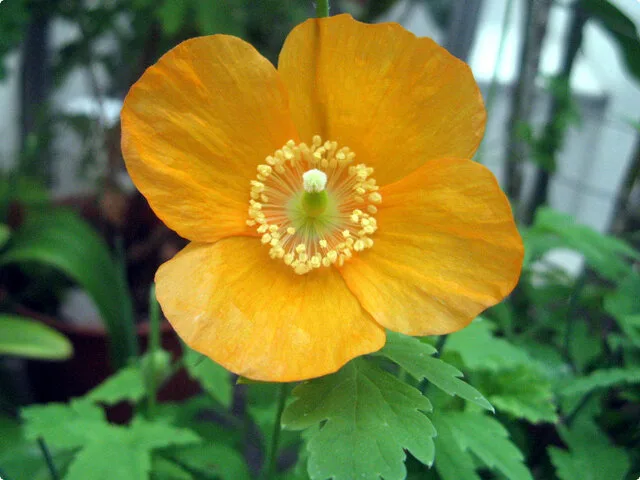
Distribution of Welsh poppy
Distribution map
- Native
- Introduced
- Cultivated
Source:WCVP v16 · Royal Botanic Gardens, Kew · CC BY 3.0 · Boundaries:WGSRPD / TDWG
Culture
Information to be completed
Toxicity
Information to be completed
Quick identification of Welsh poppy
Information to be completed
Welsh poppy care guide
- Medium steady soil moisture, reduce watering amounts in winter cold
- Watering
- Partial shade
- Sunlight
- Information to be completed
- Ideal temperature

Watering
Medium steady soil moisture, reduce watering amounts in winter cold
Fertilizing
 Fertilizing
Light bloom liquid feed every four weeks spring to early autumn
Pruning
 Pruning
No pruning required
Propagation
 Propagation
Propagate by seed
Growing
 Growing
Grows best in areas with cool, damp summers. Suitable for wildflower garden
People also ask
Information to be completed
Common pests and diseases
Diseases
May be susceptible to aphids
Pests
May be susceptible to aphids
Explore the plant health library →




