
Rainer's harebell
Also known as: Information to be completed
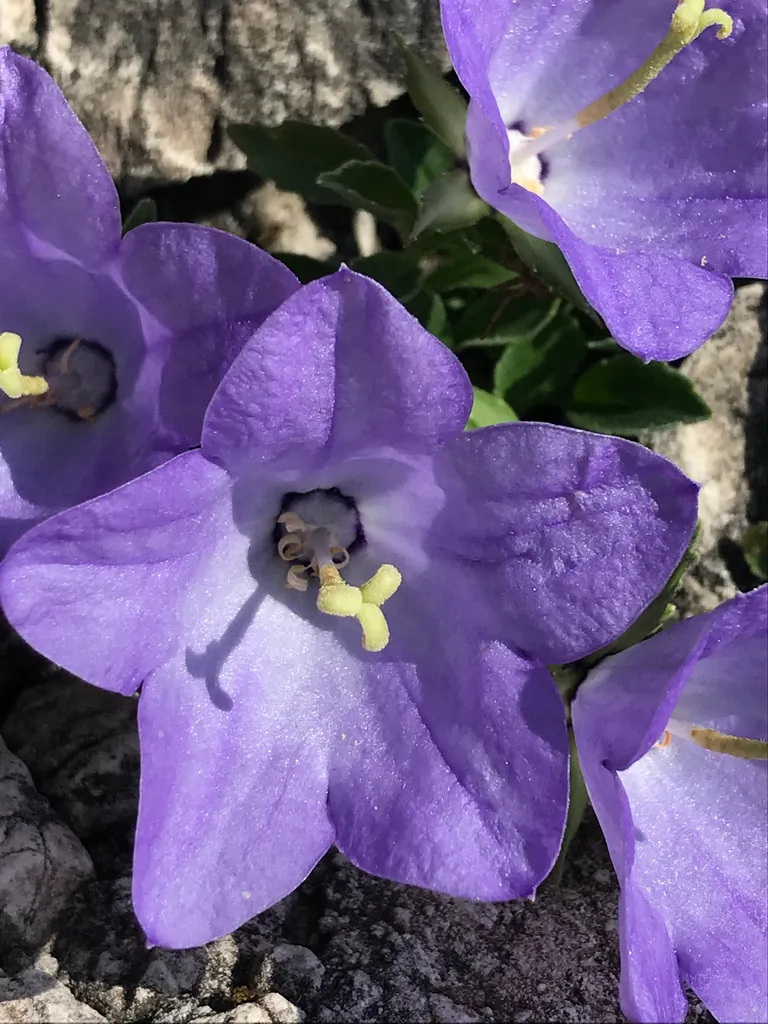
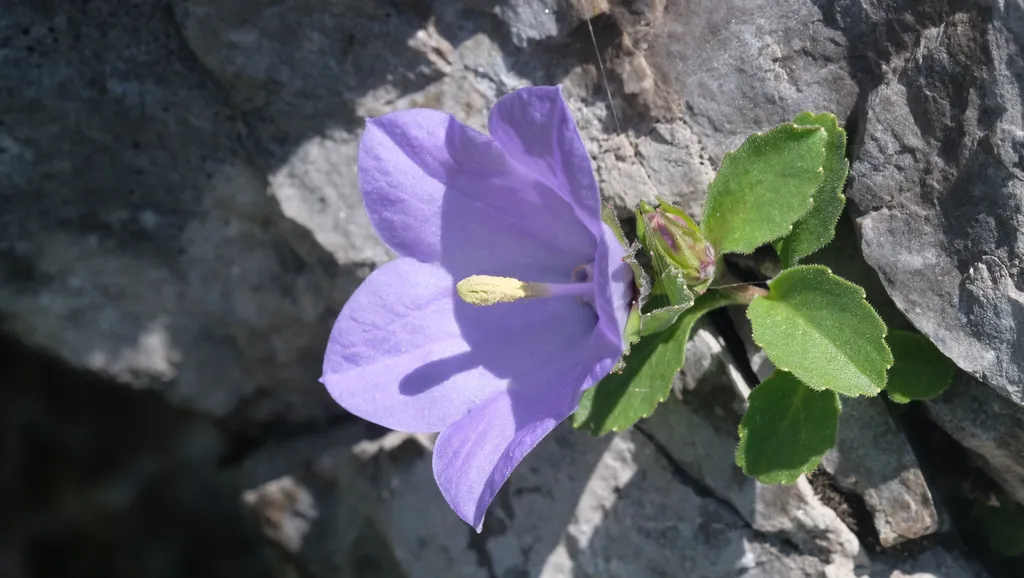
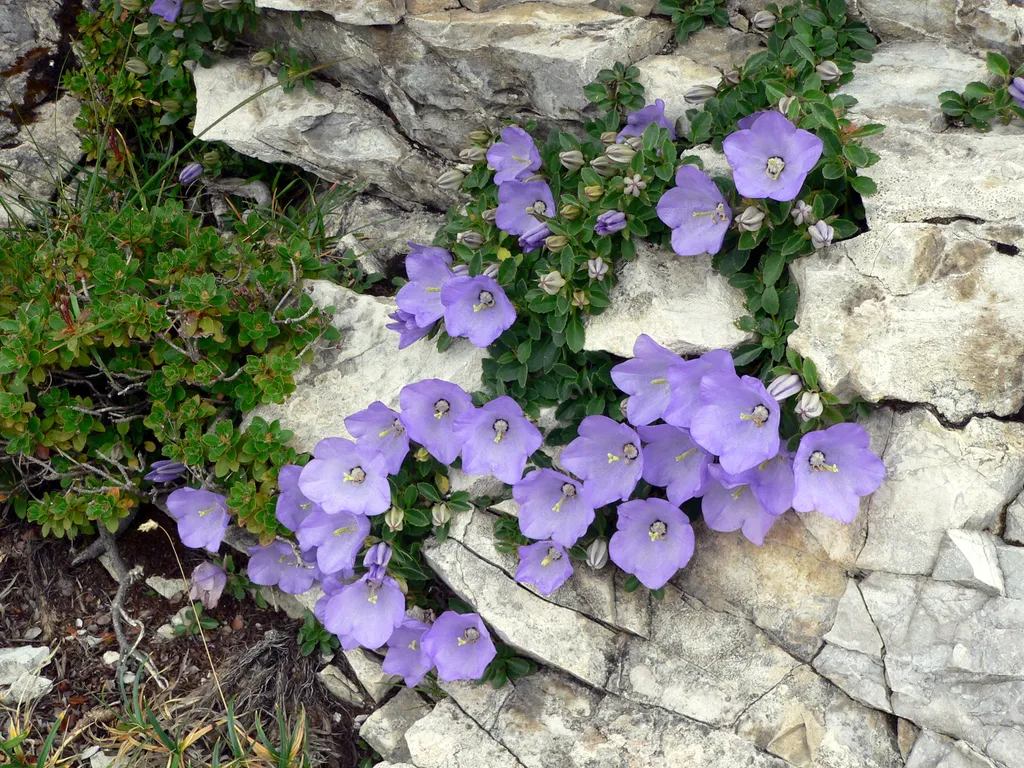
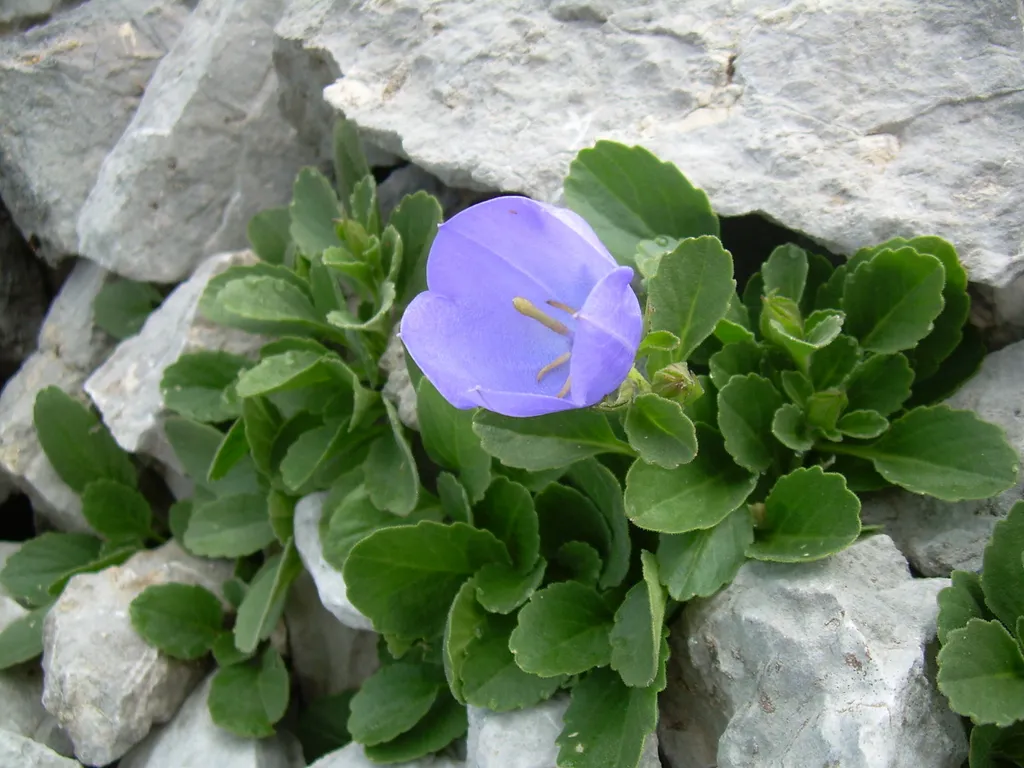
A tufted perennial to 5cm in height, with grey-green, ovate leaves and erect stems bearing 1-3 broadly funnel-shaped, light lavender-blue flowers 3-4cm in width
Scientific classification
- Species
- Rainer's harebell (Campanula raineri)
- Genus
- Campanula
- Family
- Campanulaceae
- Information to be completed
- Toxicity
- Alpine Rockery · Herbaceous Perennial
- Plant type
- Up to 10 cm
- Height
- 0.1-0.5 metres
- Spread
- Semi evergreen
- Foliage
- Clump forming
- Habit
- Spring · Summer · Autumn · Winter
- Season of interest
- Full sun
- Sunlight
- Information to be completed
- Ideal temperature









Rainer's harebell pictures
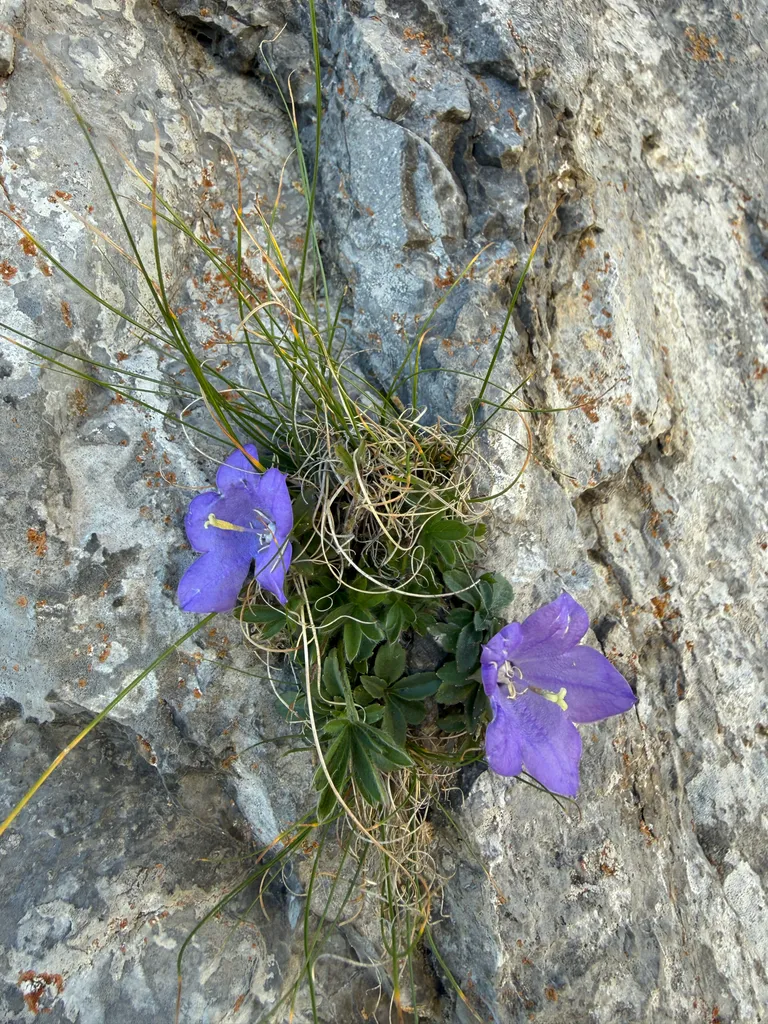
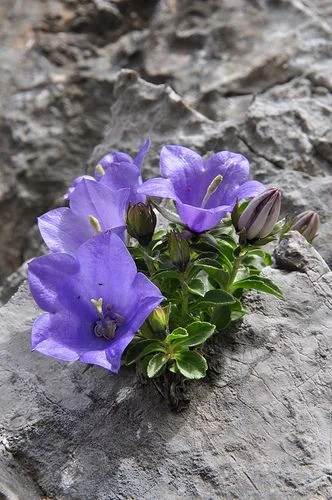
Distribution of Rainer's harebell
Distribution map
Switzerland Italy
Information to be completed
Culture
Information to be completed
Toxicity
Information to be completed
Quick identification of Rainer's harebell
Information to be completed
Rainer's harebell care guide
- Moderate regular watering, allowing brief slight drying between soakings
- Watering
- Full sun
- Sunlight
- Information to be completed
- Ideal temperature

Watering
Moderate regular watering, allowing brief slight drying between soakings
Fertilizing
 Fertilizing
Balanced perennial feed every four weeks from spring through summer
Pruning
 Pruning
Cut back after flowering to maintain compact shape
Propagation
 Propagation
Propagate by taking basal stem cuttings, insert into gritty compost in late spring
Growing
 Growing
Grow in gritty, moist but well-drained soil in a trough or in a pot in an alpine house. Protect from winter wet
People also ask
Information to be completed
Common pests and diseases
Diseases
May be subject to powdery mildews
Pests
May be attacked by slugs, snails, aphids and glasshouse red spider mite
Explore the plant health library →




