
common harebell
Also known as: blawort; bluebell; cuckoo shoe; English harebell; harebell; heath bells; lady's thimble; old man's bell; Olympia bellflower; Scotch bluebell; Scottish bluebell; St George's cup; thimbles; wind bells; witches' bells; witches' thimbles
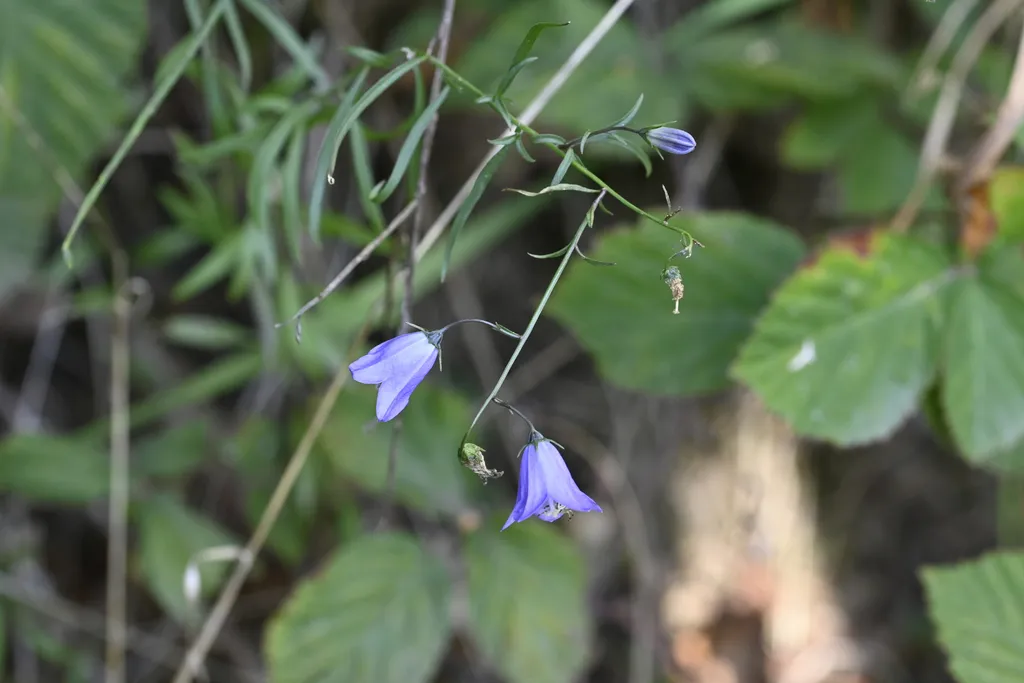
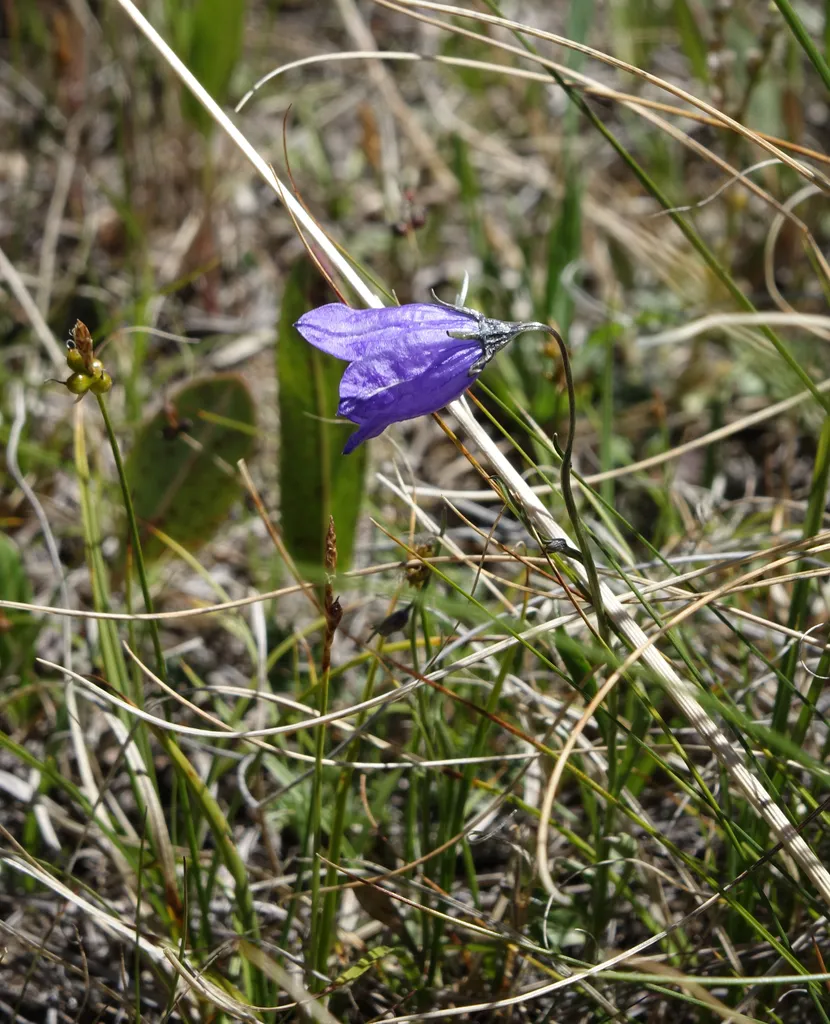
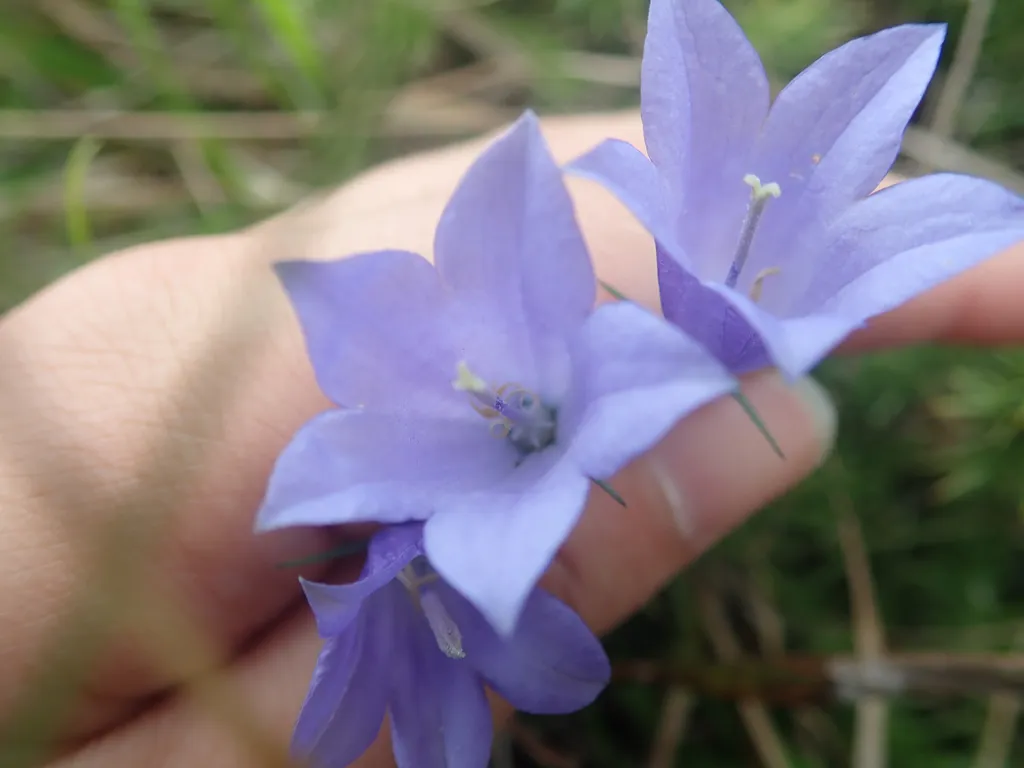
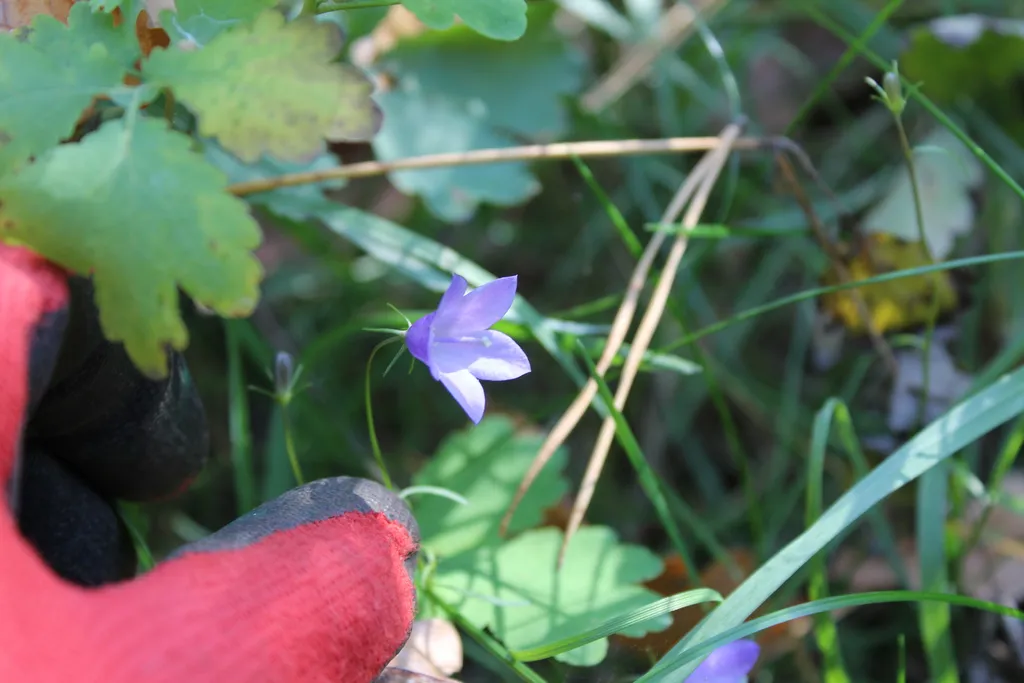
A perennial to 30cm, forming a clump of small, rounded basal leaves, with slender, erect stems bearing narrower leaves and light blue, ball-shaped flowers 2cm long, in lax terminal panicles in summer
Scientific classification
- Species
- common harebell (Campanula rotundifolia)
- Genus
- Campanula
- Family
- Campanulaceae
- Order
- Asterales
- Class
- Magnoliopsida
- Phylum
- Magnoliophyta
- Information to be completed
- Toxicity
- Herbaceous Perennial
- Plant type
- 0.1-0.5 metres
- Height
- 0.1-0.5 metres
- Spread
- Deciduous
- Foliage
- Clump forming
- Habit
- Spring · Summer
- Season of interest
- Full sun · Partial shade
- Sunlight
- Information to be completed
- Ideal temperature









common harebell pictures
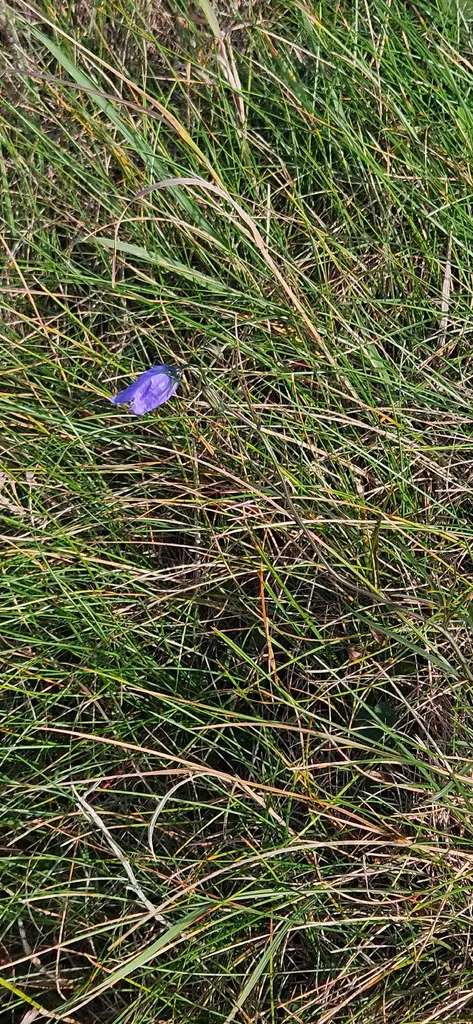
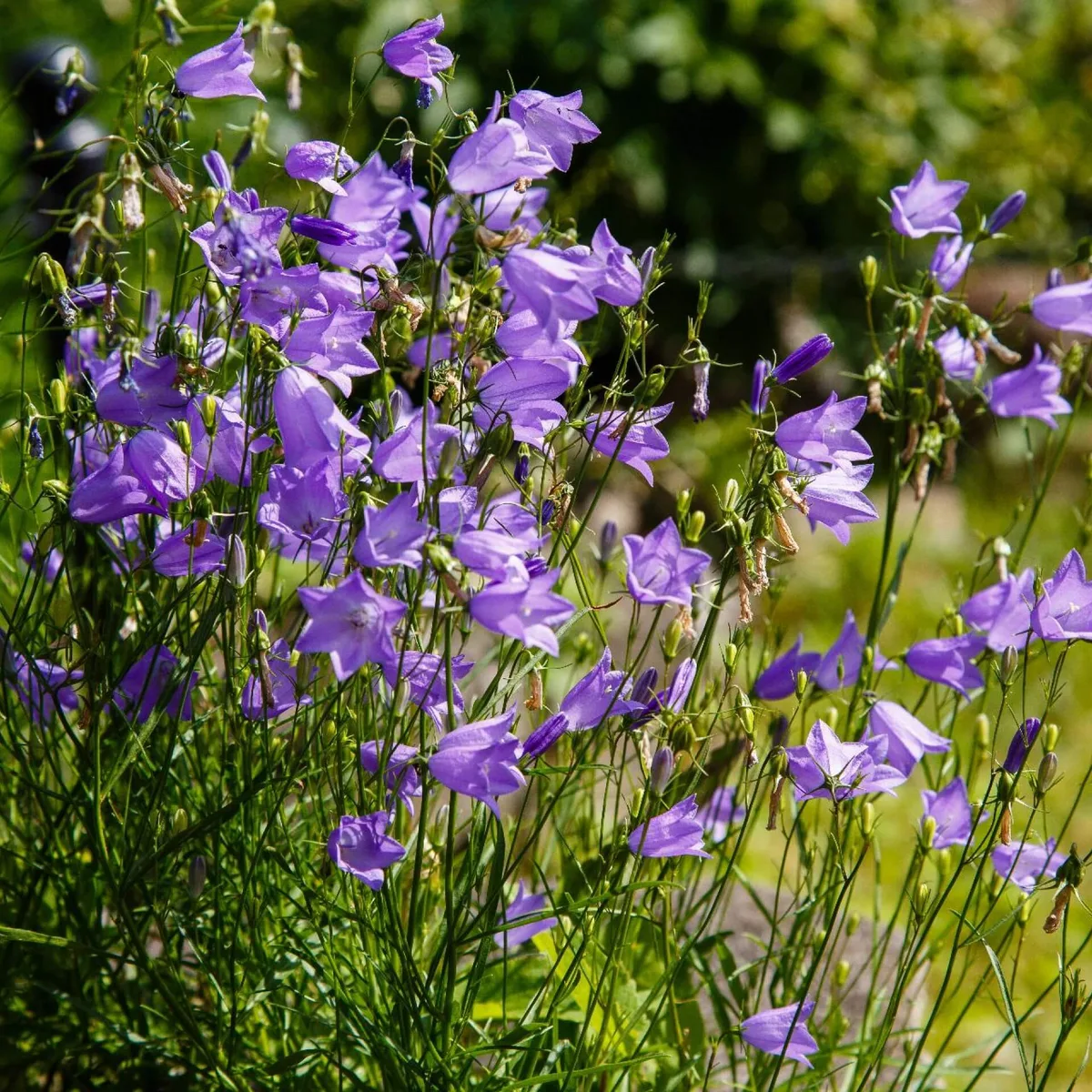
Distribution of common harebell
Distribution map
- Native
- Introduced
- Cultivated
Source:WCVP v16 · Royal Botanic Gardens, Kew · CC BY 3.0 · Boundaries:WGSRPD / TDWG
common harebell care guide
- Moderate regular watering, avoid prolonged drought and stagnant waterlogging
- Watering
- Full sun · Partial shade
- Sunlight

Watering
Moderate regular watering, avoid prolonged drought and stagnant waterlogging
Fertilizing
 Fertilizing
Balanced perennial feed every four weeks spring through summer growth
Pruning
 Pruning
No pruning required
Propagation
 Propagation
Propagate by seed, division or take basal cuttings
Growing
 Growing
Suitable for rock garden, sunny wall or bank.
Common pests and diseases
Diseases
May be infected by a rust, powdery mildews and a leaf spot
Pests
Can be damaged by slugs, snails, glasshouse red spider mite and aphids
Explore the plant health library →




