
begonia 'Red Giant'
Also known as: Information to be completed
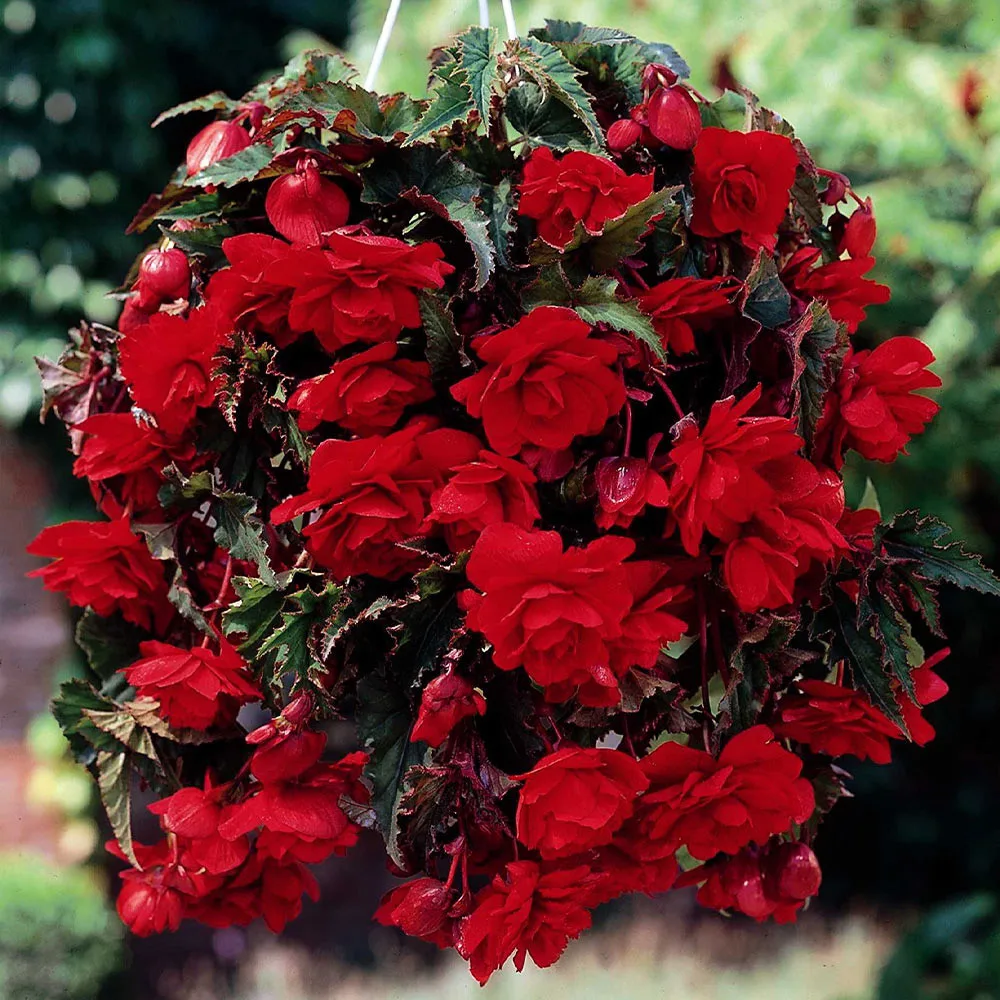
A trailing, tuberous perennial to 30cm tall with glossy, ovate leaves to 10cm long, carried on succulent stems. From summer to autumn it produces double, ruffled crimson flowers to 8cm across on lax stems
Scientific classification
- Species
- begonia 'Red Giant' (Begonia 'Red Giant')
- Genus
- Begonia
- Family
- Begoniaceae
- Order
- Cucurbitales
- Class
- Magnoliopsida
- Phylum
- Magnoliophyta
- Ornamental bulbs - not to be eaten. Wear gloves and other protective equipment when handling
- Toxicity
- Bedding
- Plant type
- 0.1-0.5 metres
- Height
- 0.1-0.5 metres
- Spread
- Deciduous
- Foliage
- Trailing
- Habit
- Spring · Summer · Autumn
- Season of interest
- Full sun · Partial shade
- Sunlight
- Information to be completed
- Ideal temperature









begonia 'Red Giant' pictures
Toxicity
Ornamental bulbs - not to be eaten. Wear gloves and other protective equipment when handling
begonia 'Red Giant' care guide
- Evenly moist potting mix, avoid fully drying root ball or waterlogging
- Watering
- Full sun · Partial shade
- Sunlight

Watering
Evenly moist potting mix, avoid fully drying root ball or waterlogging
Fertilizing
 Fertilizing
Balanced begonia feed biweekly during active blooming growth season
Pruning
 Pruning
No pruning required
Propagation
 Propagation
Propagate by seed, basal cuttings, or stem cuttings of sideshoots
Growing
 Growing
In spring plant tubers, hollow side uppermost, in free-draining compost at 16-18°C. Plant out after the last frosts in fertile, humus-rich, moist but well-drained soil in sun or partial shade. Lift the tubers in autumn before the first frosts and dry off. See begonias: outdoors for further information
Common pests and diseases
Diseases
May be susceptible to grey moulds, powdery mildews, stem rot and rhizome rot
Pests
May be susceptible to caterpillars, mealy bugs, mites, glasshouse thrips, vine weevil and aphids
Explore the plant health library →




