
yellow bellflower
Also known as: thyrsoid bellflower
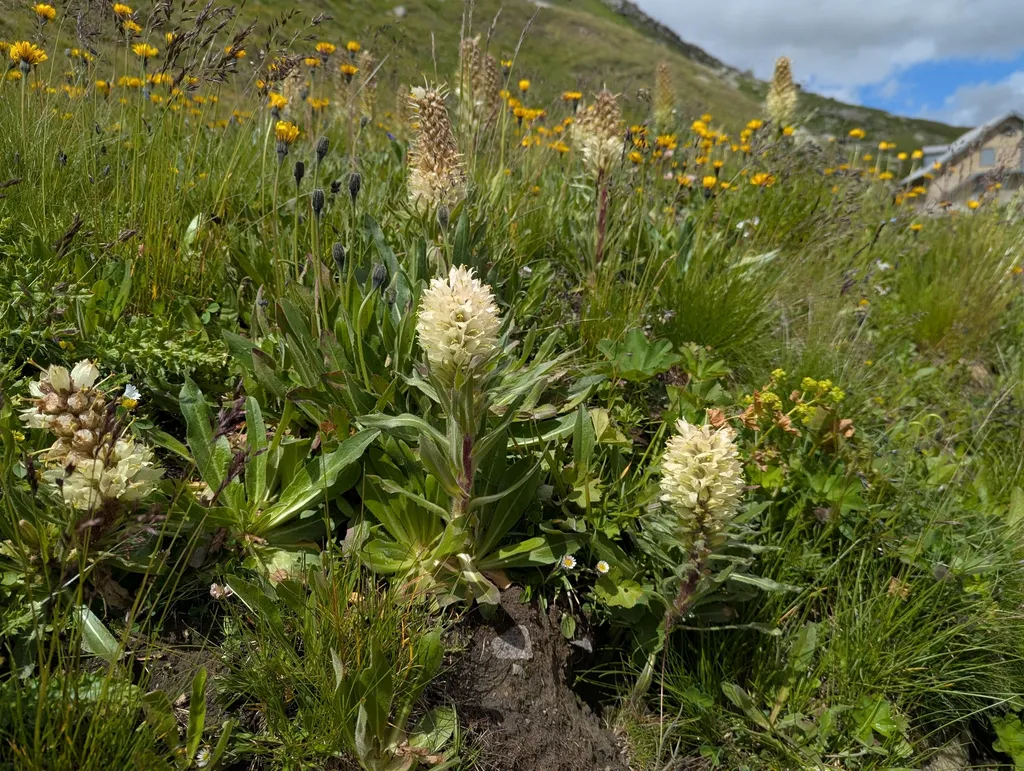
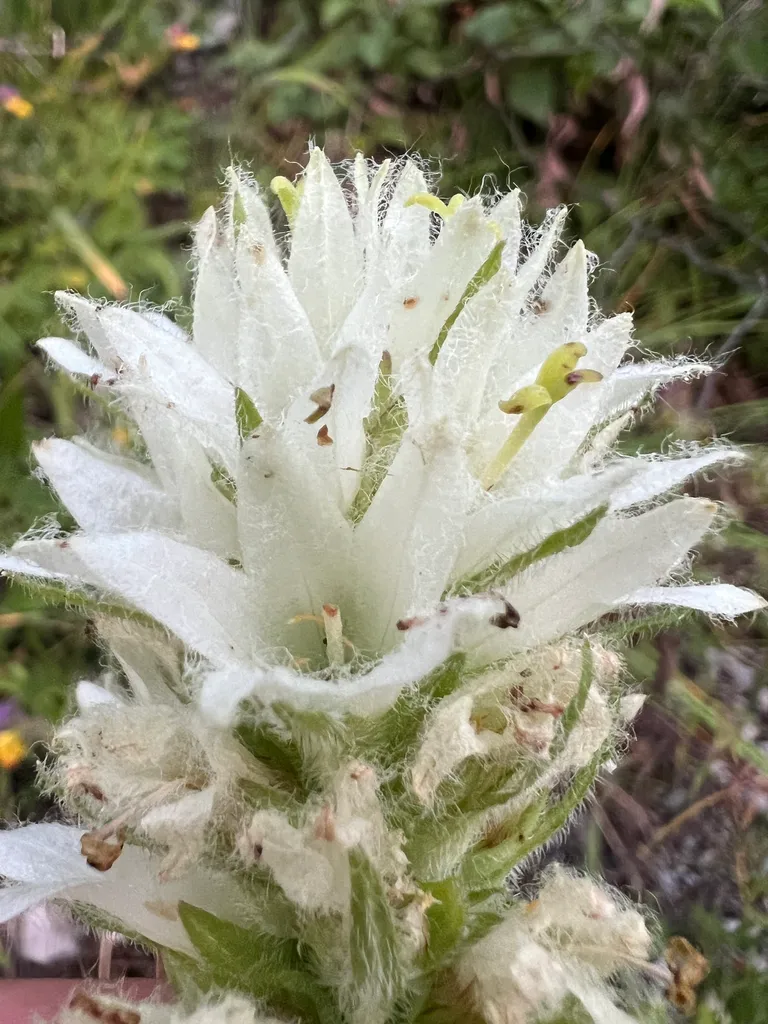
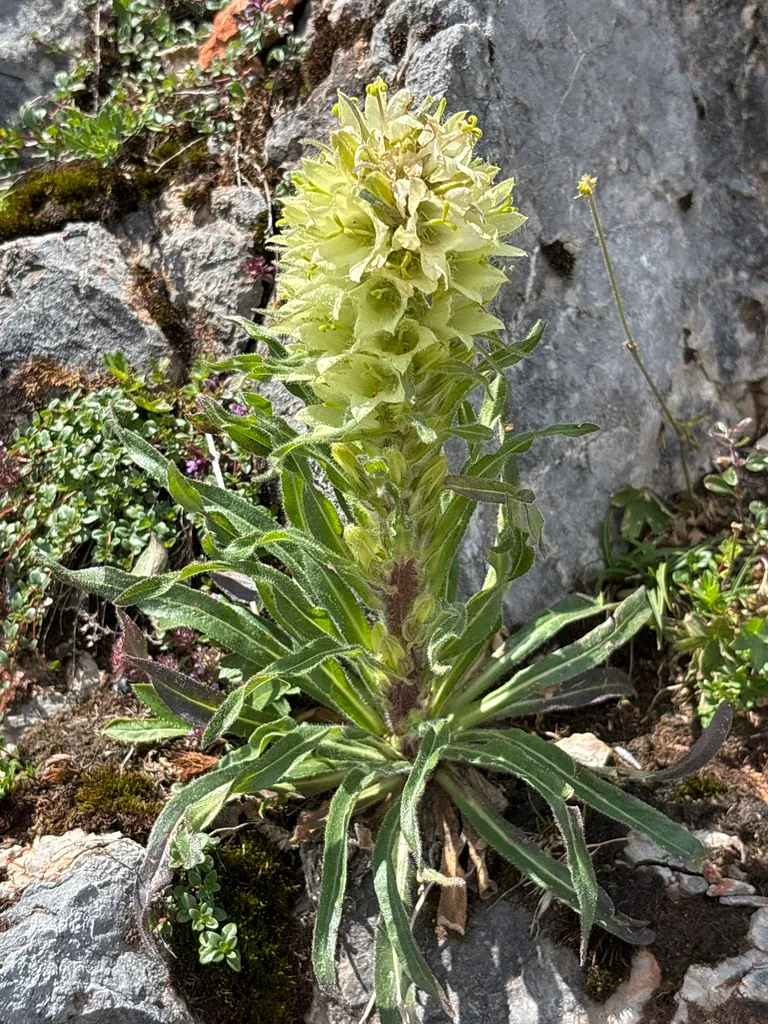
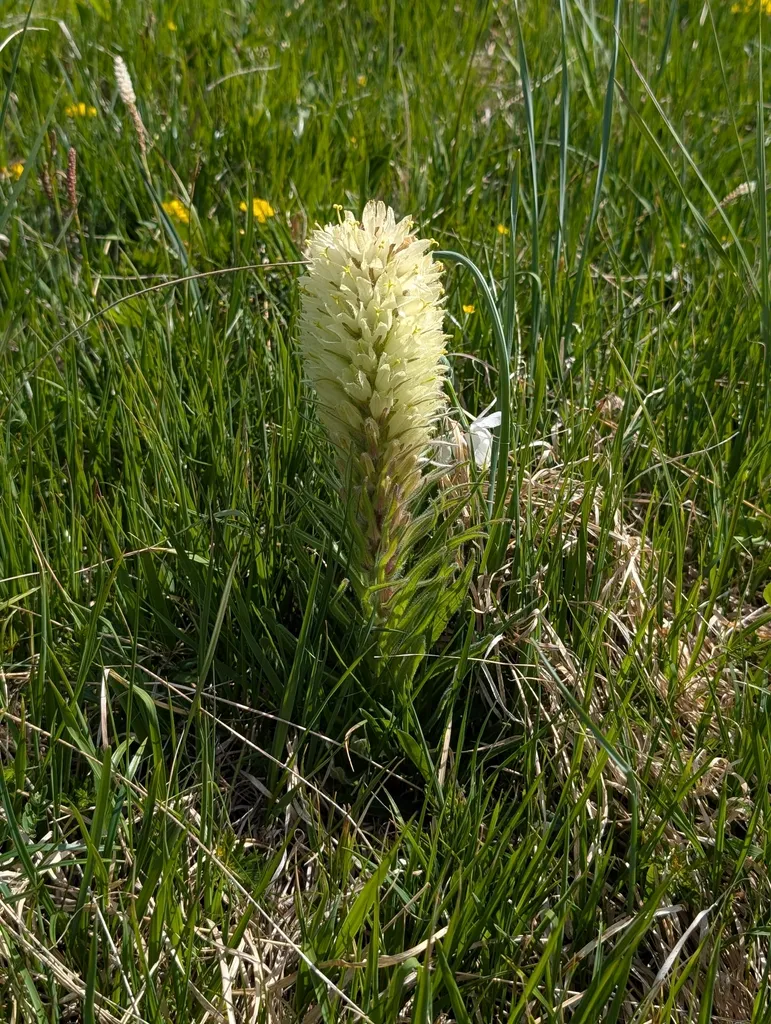
An upright biennial or short-lived perennial to around 50cm tall with a rosette of narrow, stiffly hairy, lance-shaped leaves to 12cm long. Unbranched, bristly and leafy stems develop in summer and bear a dense, fat spike of creamy-yellow, slightly fragrant, tubular flowers up to 2.5cm long
Scientific classification
- Species
- yellow bellflower (Campanula thyrsoides)
- Genus
- Campanula
- Family
- Campanulaceae
- Information to be completed
- Toxicity
- Herbaceous Perennial · Annual Biennial
- Plant type
- 0.5-1 metres
- Height
- 0.1-0.5 metres
- Spread
- Deciduous
- Foliage
- Columnar upright
- Habit
- Spring · Summer · Autumn
- Season of interest
- Full sun · Partial shade
- Sunlight
- Information to be completed
- Ideal temperature









yellow bellflower pictures
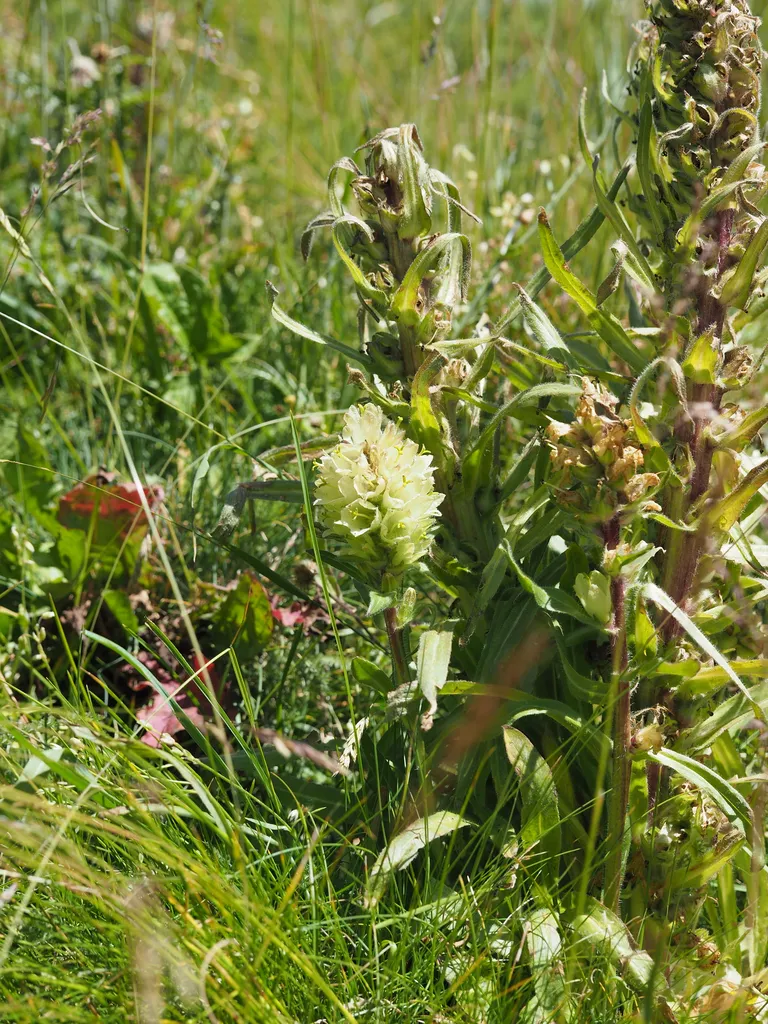
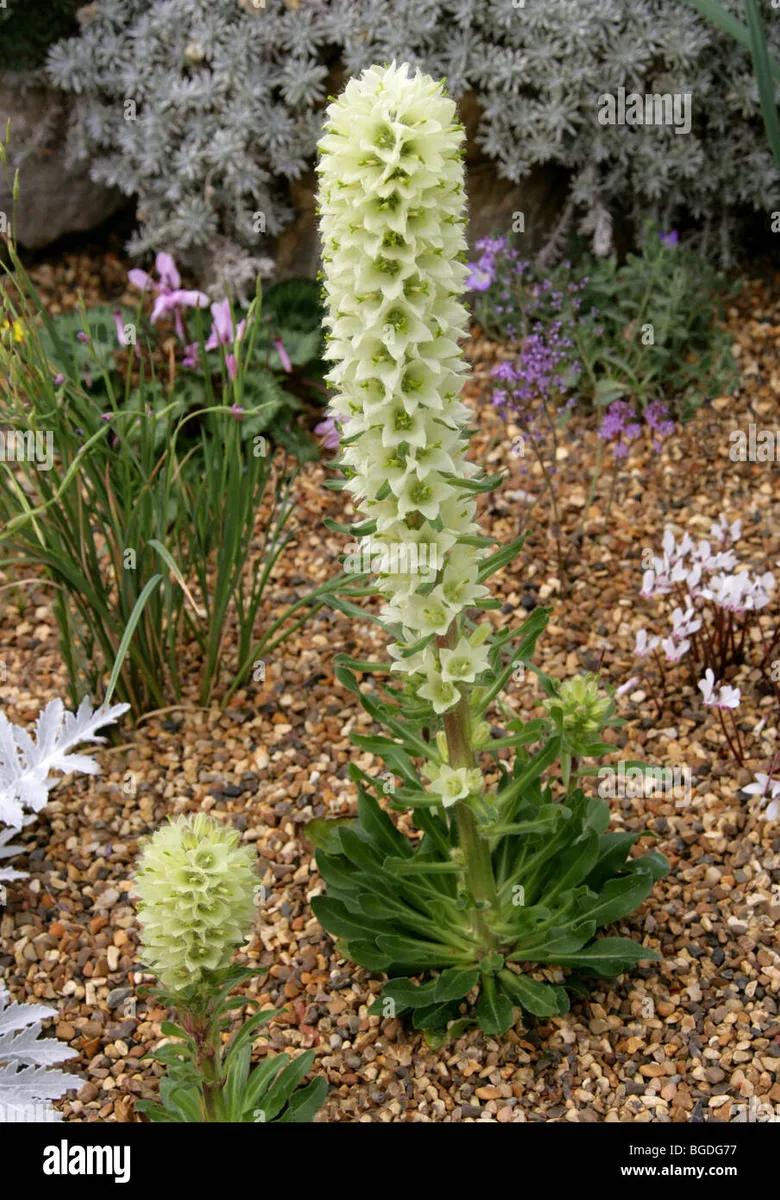
Distribution of yellow bellflower
Distribution map
European Alps
Information to be completed
Culture
Information to be completed
Toxicity
Information to be completed
Quick identification of yellow bellflower
Information to be completed
yellow bellflower care guide
- Moderate regular watering, allowing brief slight drying between soakings
- Watering
- Full sun · Partial shade
- Sunlight
- Information to be completed
- Ideal temperature

Watering
Moderate regular watering, allowing brief slight drying between soakings
Fertilizing
 Fertilizing
Balanced perennial feed every four weeks from spring through summer
Pruning
 Pruning
None required
Propagation
 Propagation
Propagate by seed
Growing
 Growing
Grows best in a well-drained soil in full sun
People also ask
Information to be completed
Common pests and diseases
Diseases
Generally trouble free but may be infected by a rust, powdery mildews and a leaf spot
Pests
Generally trouble free
Explore the plant health library →




