
nettle-leaved bellflower
Also known as: blue devil bellflower; blue devils; blue foxglove; Coventry bellflower; cover-keys; gloves of Mary; great throat root; great throatwort; throatwort
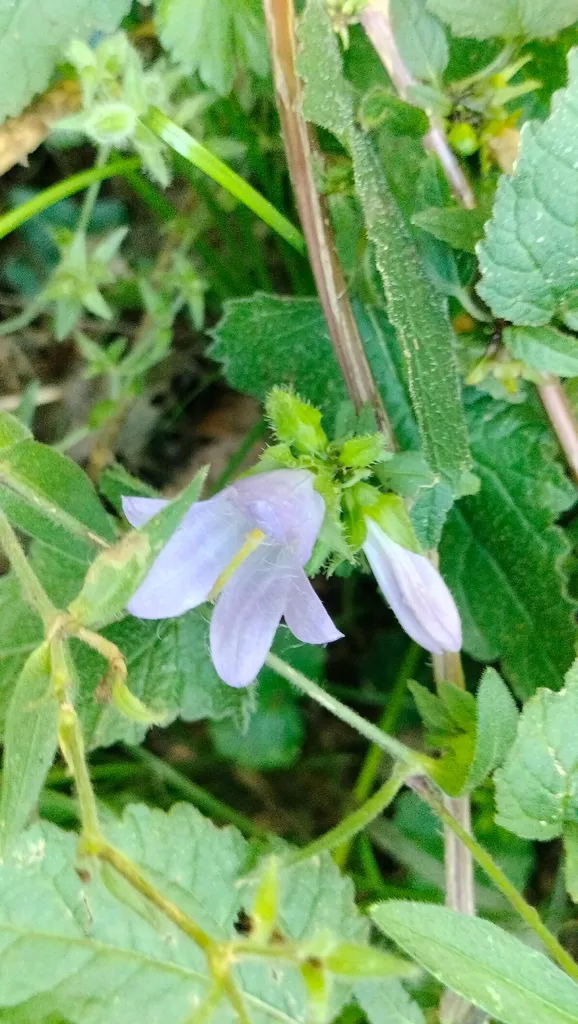
A robust perennial with nettle-like, deeply toothed leaves and erect, leafy stems bearing a raceme of bell-shaped lavender-blue flowers 3cm long in summer
Scientific classification
- Species
- nettle-leaved bellflower (Campanula trachelium)
- Genus
- Campanula
- Family
- Campanulaceae
- Information to be completed
- Toxicity
- Herbaceous Perennial
- Plant type
- 0.5-1 metres
- Height
- 0.1-0.5 metres
- Spread
- Deciduous
- Foliage
- Bushy
- Habit
- Spring · Summer
- Season of interest
- Full sun · Partial shade
- Sunlight
- Information to be completed
- Ideal temperature









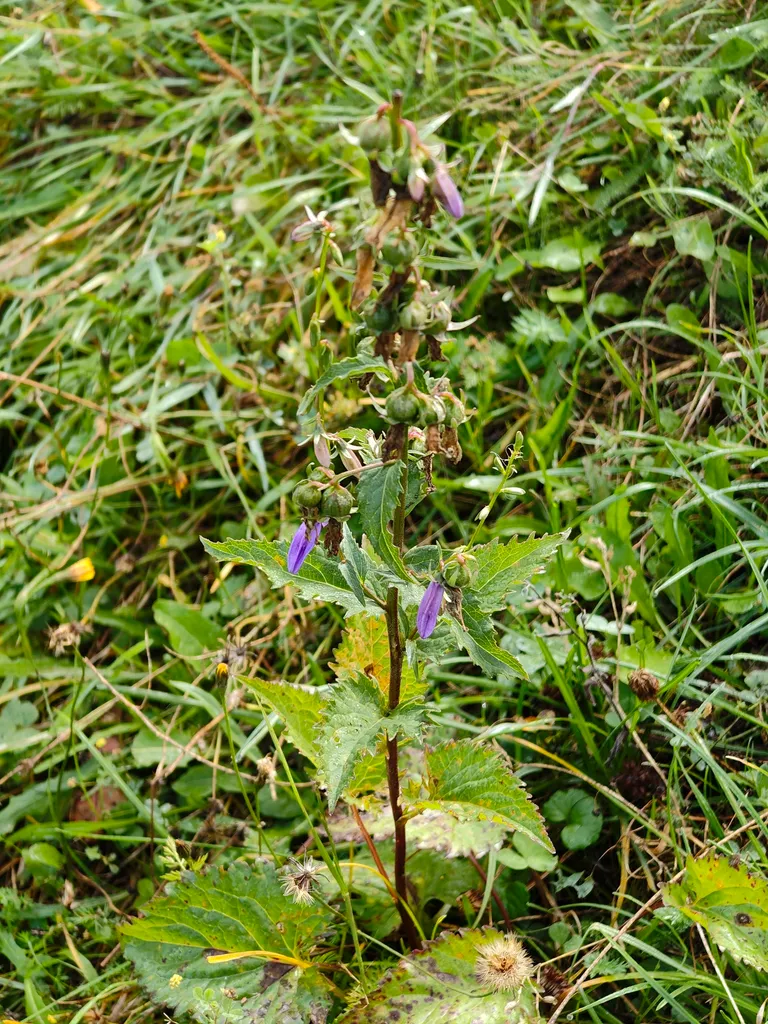
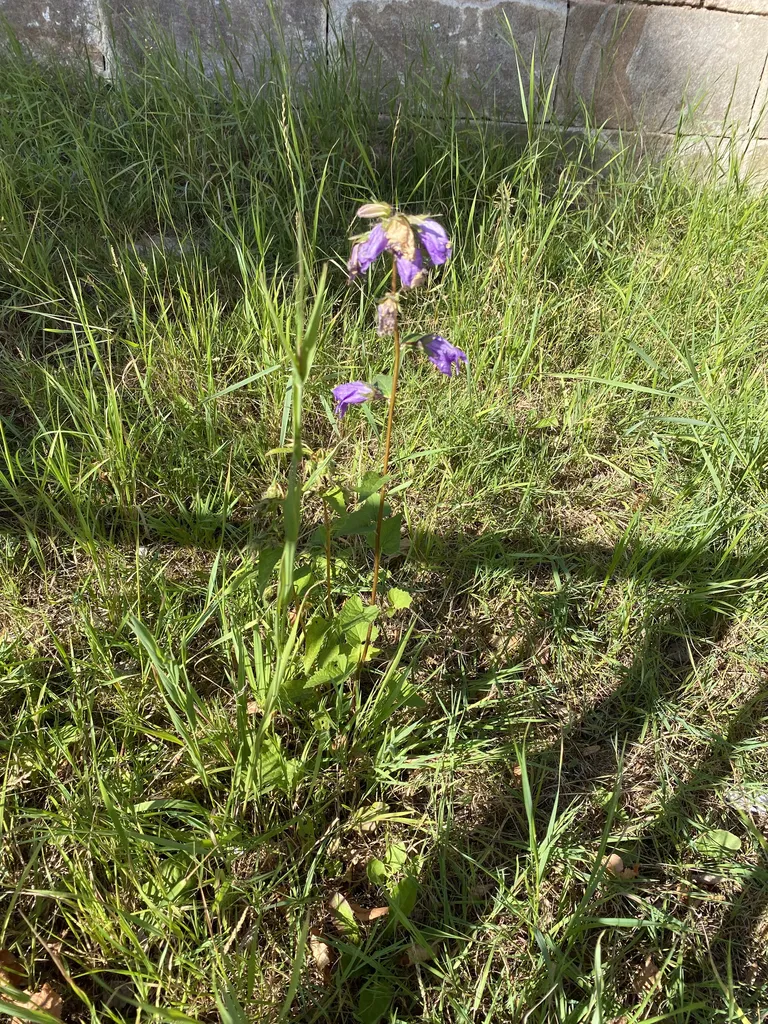
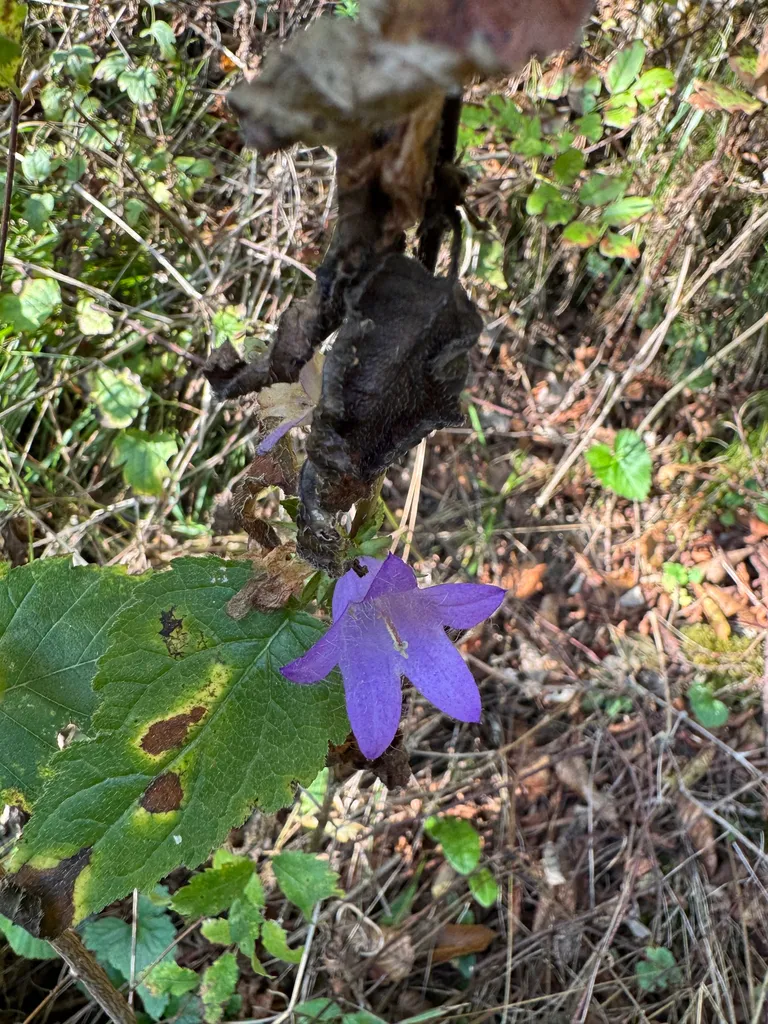
nettle-leaved bellflower pictures
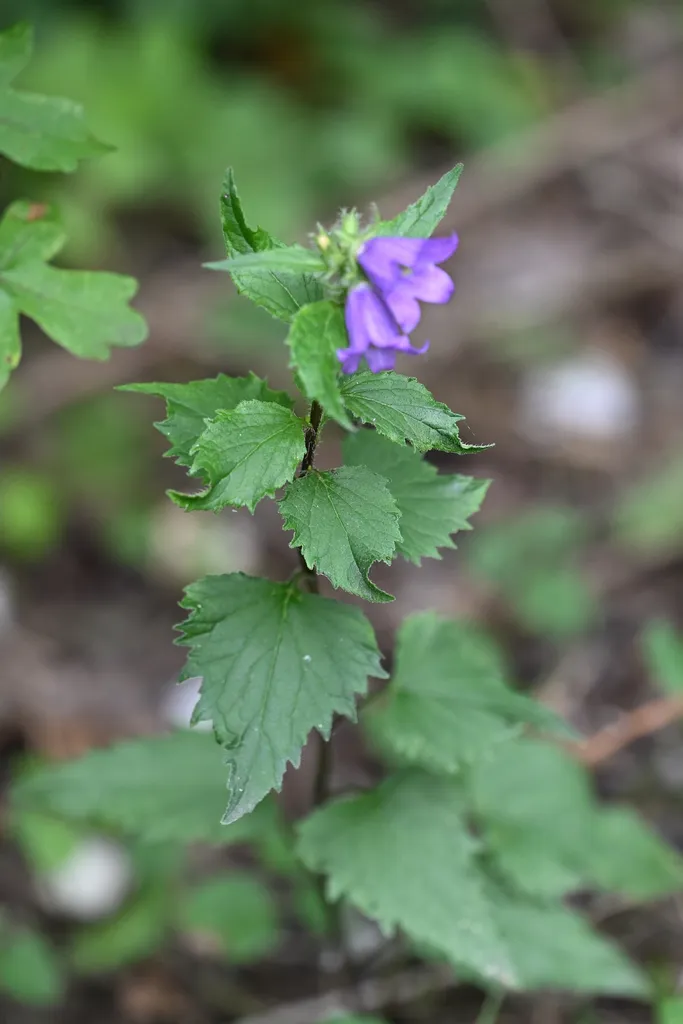
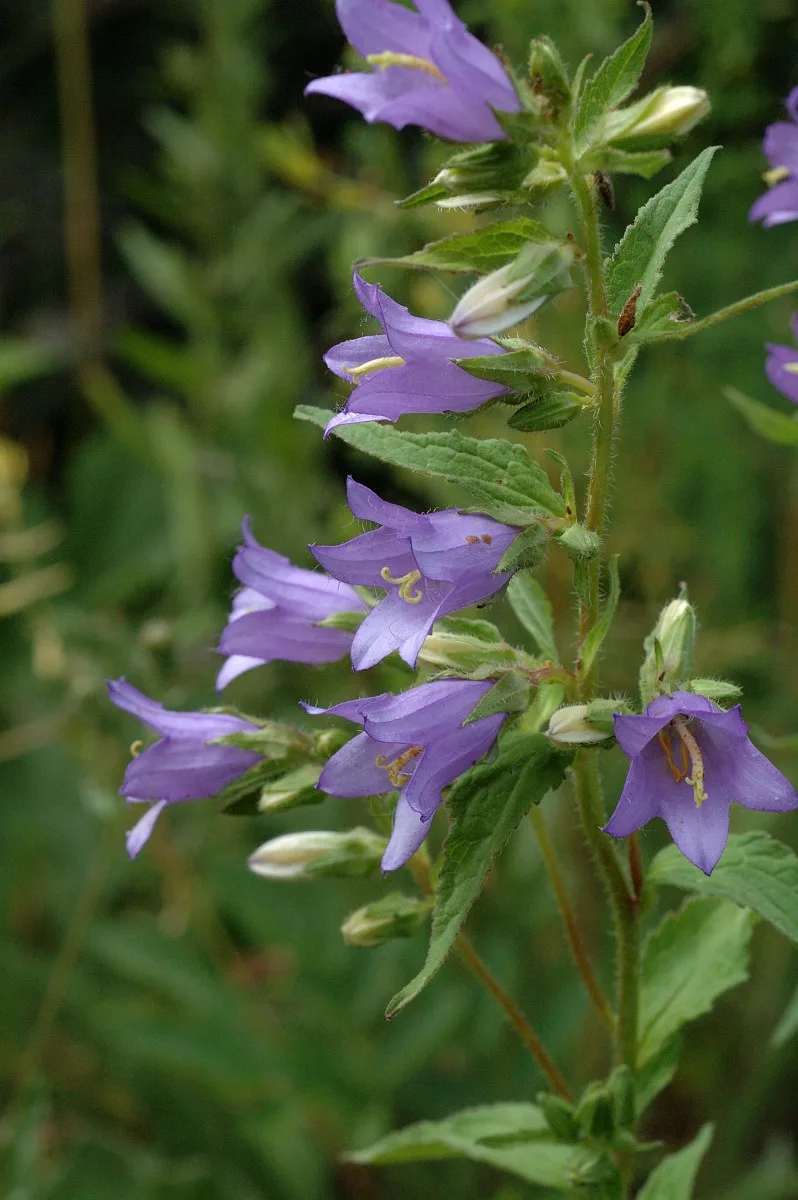
Distribution of nettle-leaved bellflower
Distribution map
Europe, Northern Africa and Siberia
Information to be completed
Culture
Information to be completed
Toxicity
Information to be completed
Quick identification of nettle-leaved bellflower
Information to be completed
nettle-leaved bellflower care guide
- Moderate regular watering, allowing brief slight drying between soakings
- Watering
- Full sun · Partial shade
- Sunlight
- Information to be completed
- Ideal temperature

Watering
Moderate regular watering, allowing brief slight drying between soakings
Fertilizing
 Fertilizing
Balanced perennial feed every four weeks from spring through summer
Pruning
 Pruning
Cut back after flowering to prevent seeding and to encourage a second flush of flower
Propagation
 Propagation
Propagate by seed in containers in a cold frame in spring. Divide in spring or autumn. Take stem-tip cuttings from new growth after flowering
Growing
 Growing
Any fertile, well-drained soil in sun or part shade. The flower colour is best in shade
People also ask
Information to be completed
Common pests and diseases
Diseases
Powdery mildew and rust may be problematic
Pests
Vulnerable to slugs and snails
Explore the plant health library →




