
purple coneflower 'Magnus Superior'
Also known as: Information to be completed
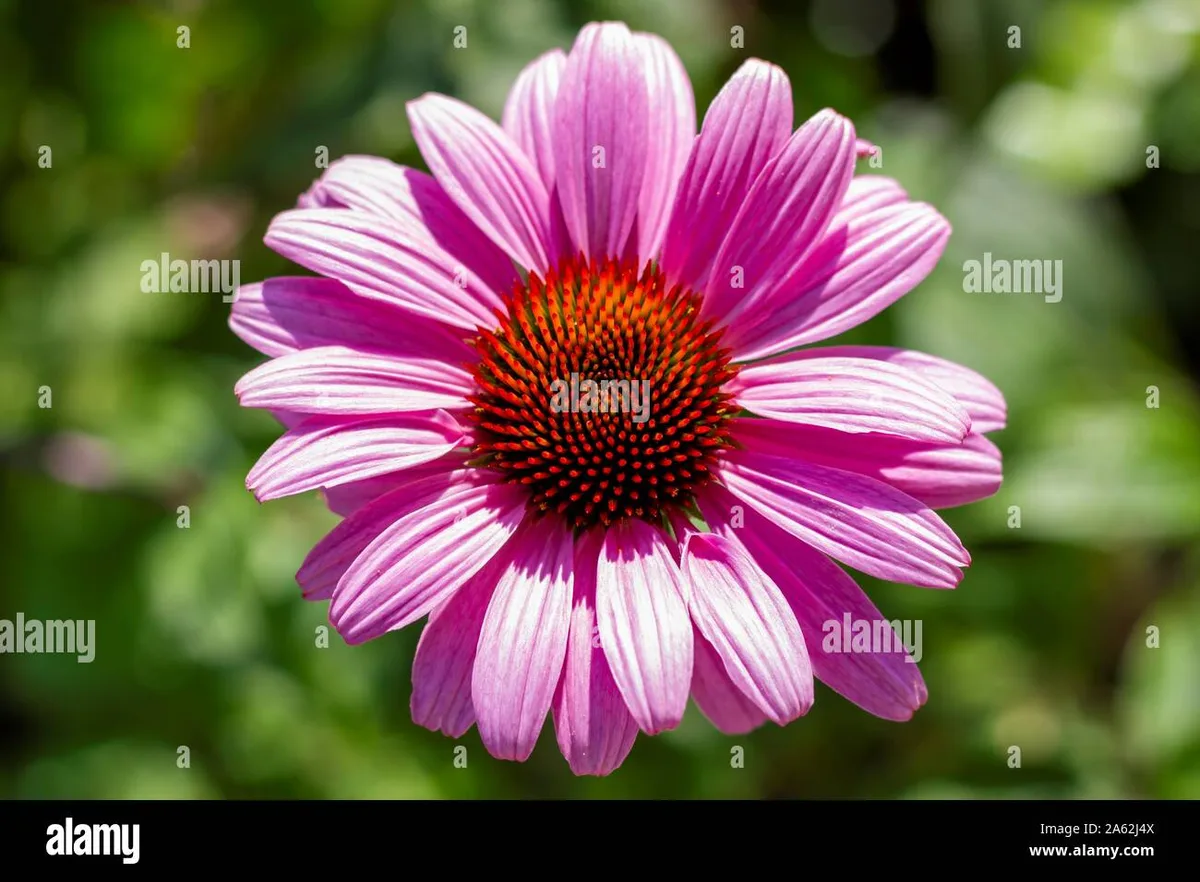
Sturdy, erect perennial coneflower to 1m in height and large, daisy-like flowers up to 18cm across with a bronze central cone and deep purplish-pink petals held almost horizontally
Scientific classification
- Species
- purple coneflower 'Magnus Superior' (Echinacea purpurea 'Magnus Superior')
- Genus
- Echinacea
- Family
- Asteraceae
- Order
- Asterales
- Class
- Magnoliopsida
- Phylum
- Magnoliophyta
- Information to be completed
- Toxicity
- Herbaceous Perennial
- Plant type
- 1-1.5 metres
- Height
- 0.1-0.5 metres
- Spread
- Deciduous
- Foliage
- Clump forming
- Habit
- Spring · Summer · Autumn
- Season of interest
- Full sun · Partial shade
- Sunlight
- Information to be completed
- Ideal temperature









purple coneflower 'Magnus Superior' pictures
Distribution of purple coneflower 'Magnus Superior'
Distribution map
- Native
- Introduced
- Cultivated
Source:WCVP v16 · Royal Botanic Gardens, Kew · CC BY 3.0 · Boundaries:WGSRPD / TDWG
purple coneflower 'Magnus Superior' care guide
- Water thoroughly when top substrate partially dries out each irrigation
- Watering
- Full sun · Partial shade
- Sunlight

Watering
Water thoroughly when top substrate partially dries out each irrigation
Fertilizing
 Fertilizing
Diluted coneflower feed every three weeks warm active growth months
Pruning
 Pruning
Cut back stems as the blooms fade to encourage further flower production. Remaining seed heads look good in winter and can attract seed-eating birds
Propagation
 Propagation
Propagate by seed sown at 13°C in spring, by division in spring or autumn (although they resent a lot of disturbance) or by root cuttings from late autumn to early winter.
Growing
 Growing
Grow in deep, well-drained, humus-rich soil ideally in full sun although they can tolerate some shade
Common pests and diseases
Diseases
Generally disease free
Pests
Generally pest-free
Explore the plant health library →




