
Centaurea cyanoides
Also known as: Information to be completed
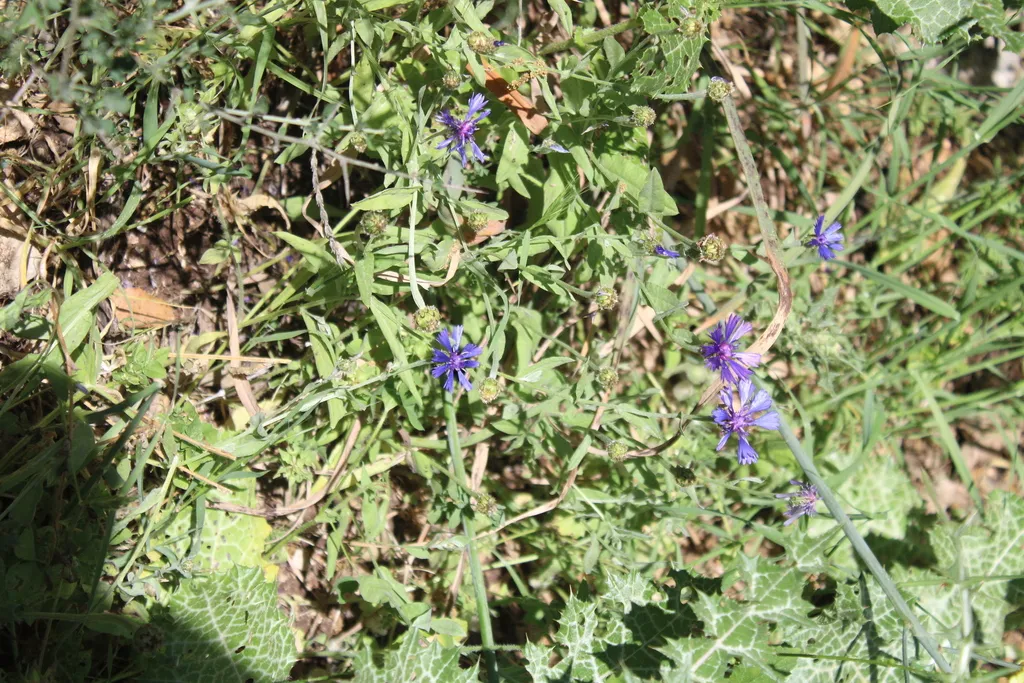
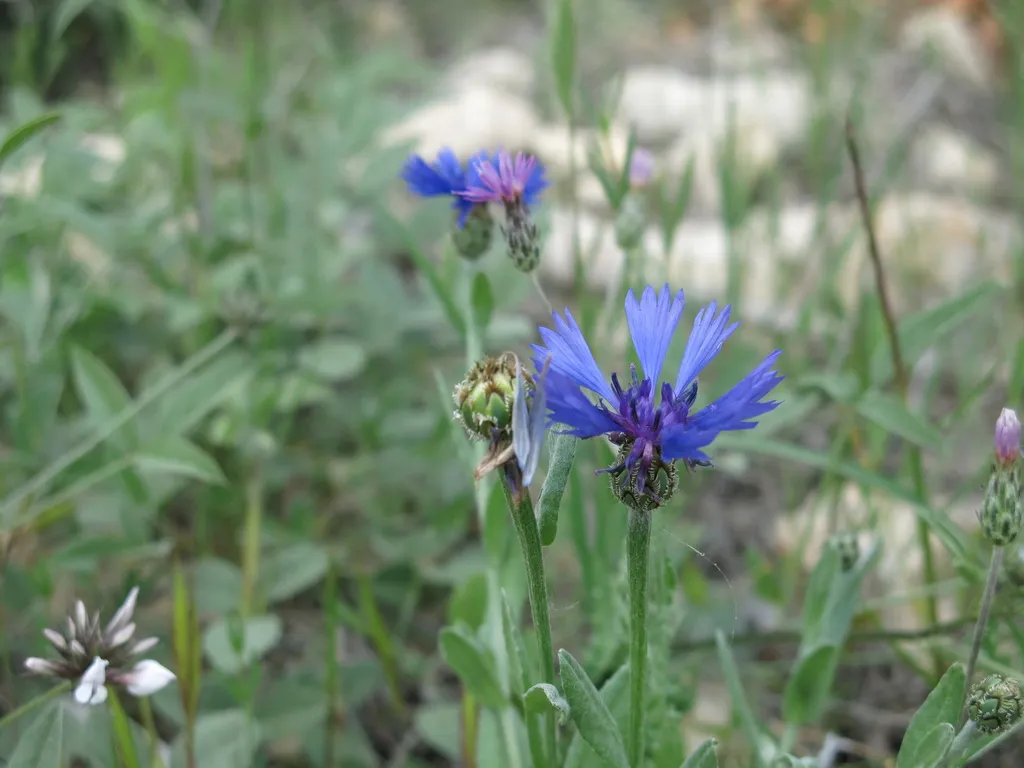
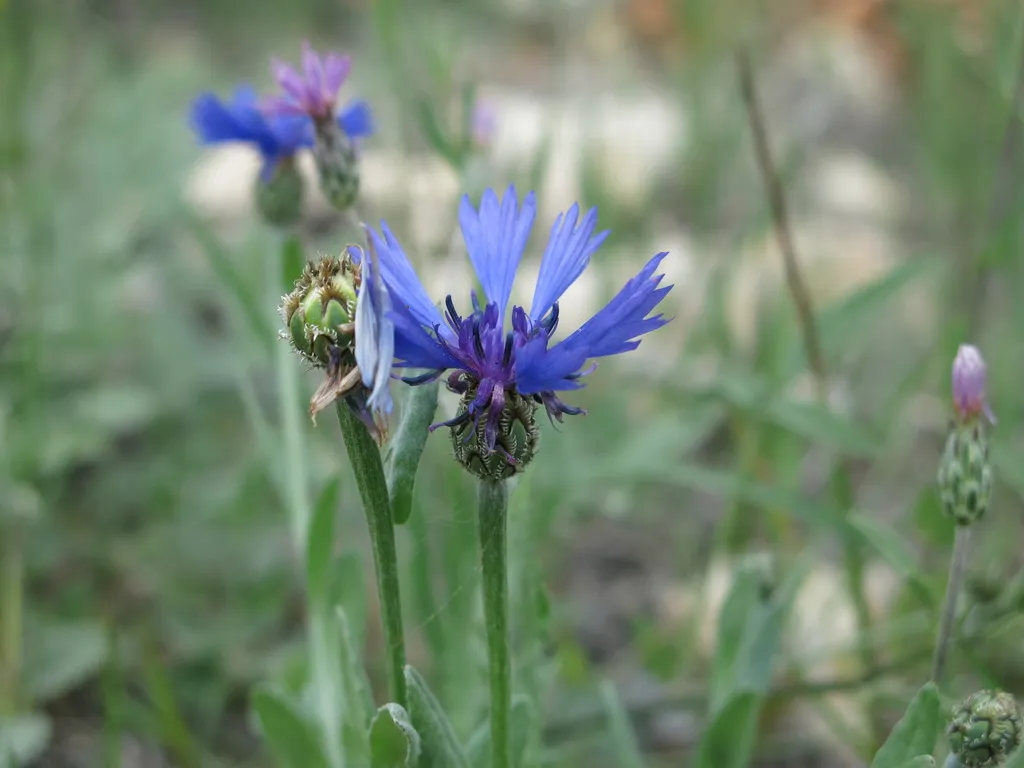
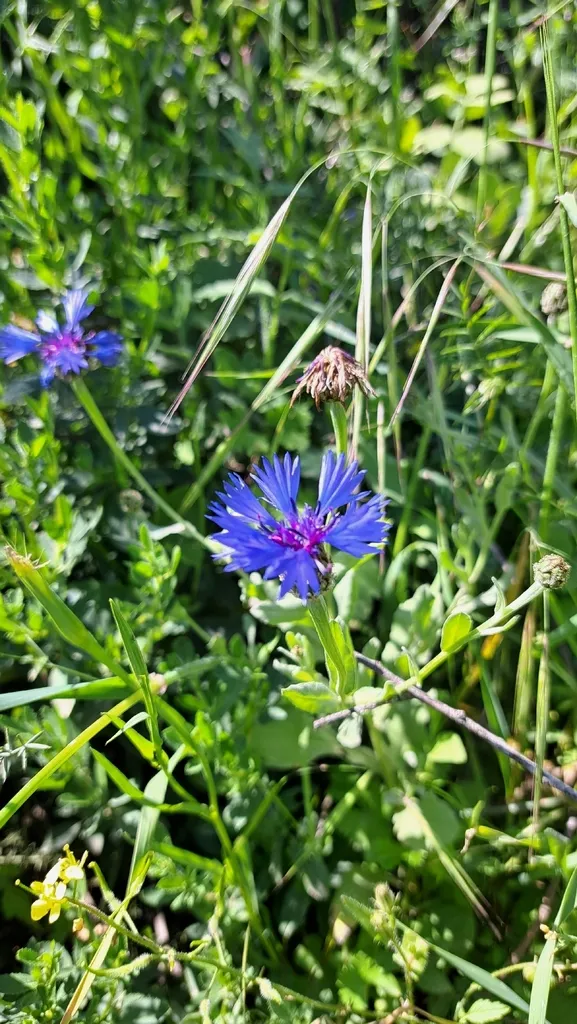
A Mediterranean annual to about 30cm high, with narrow, lance-shaped grey-green leaves. Flowers in spring and early summer, producing buds encased in overlapping bracts with hairy edges, which open to small flowers 2-3cm across, with a ring of showy, vivid blue outer florets surrounding tiny pale purple flowers in the centre
Scientific classification
- Species
- Centaurea cyanoides (Centaurea cyanoides)
- Genus
- Centaurea
- Family
- Asteraceae
- Information to be completed
- Toxicity
- Annual Biennial
- Plant type
- 0.1-0.5 metres
- Height
- 0.1-0.5 metres
- Spread
- Deciduous
- Foliage
- Information to be completed
- Habit
- Spring · Summer
- Season of interest
- Full sun
- Sunlight
- Information to be completed
- Ideal temperature









Centaurea cyanoides pictures
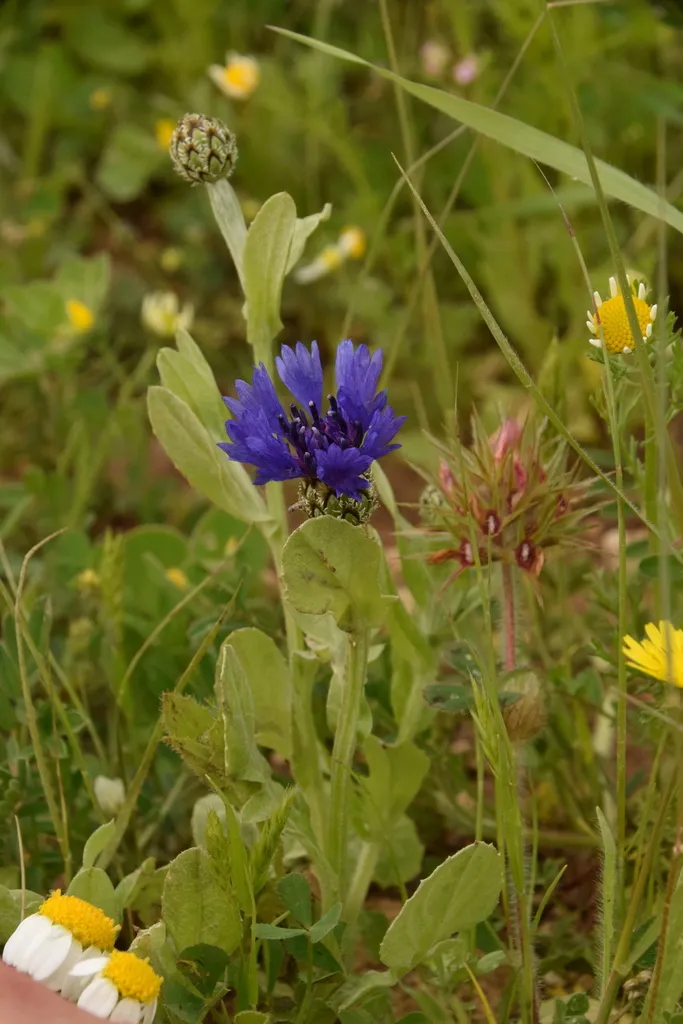
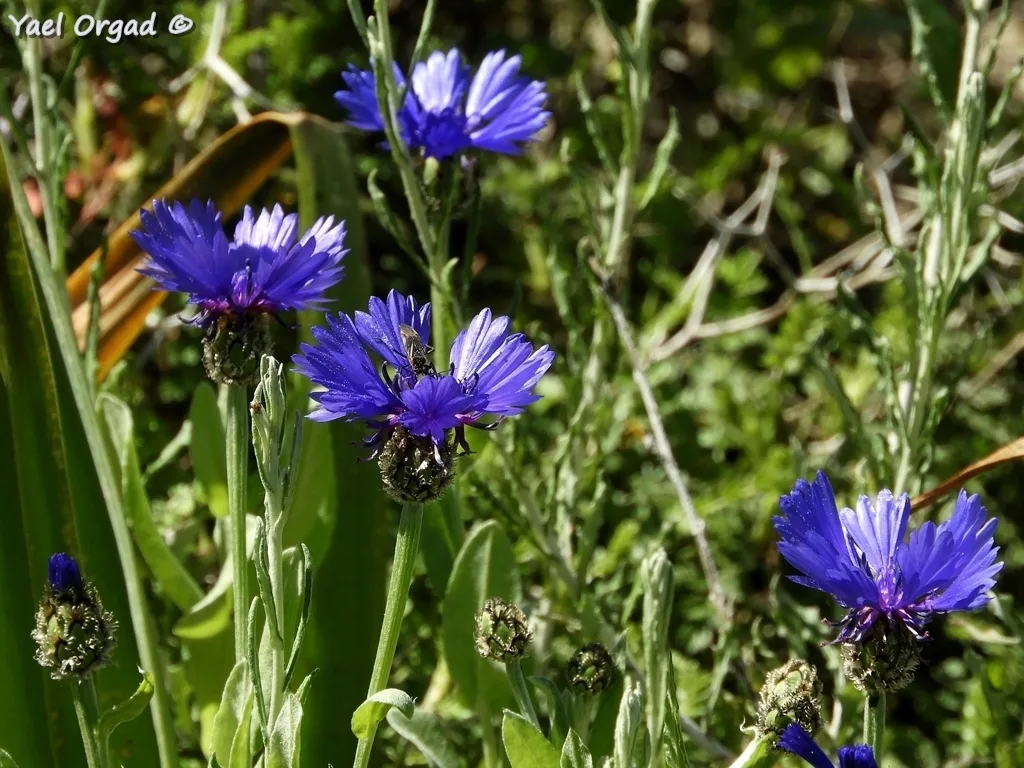
Distribution of Centaurea cyanoides
Distribution map
Information to be completed
Information to be completed
Culture
Information to be completed
Toxicity
Information to be completed
Quick identification of Centaurea cyanoides
Information to be completed
Centaurea cyanoides care guide
- Moderate regular watering, allowing brief slight drying between soakings
- Watering
- Full sun
- Sunlight
- Information to be completed
- Ideal temperature

Watering
Moderate regular watering, allowing brief slight drying between soakings
Fertilizing
 Fertilizing
Balanced perennial feed every four weeks from spring through summer
Pruning
 Pruning
Deadhead to encourage more flowers
Propagation
 Propagation
Propagate by seed
Growing
 Growing
Grow in almost any well-drained soil in full sun. Thrives in poor soils but will not tolerate waterlogging
People also ask
Information to be completed
Common pests and diseases
Diseases
May be susceptible to downy mildews, powdery mildews and rust diseases
Pests
Generally pest-free
Explore the plant health library →




