
Canary Island bellflower
Also known as: Information to be completed
A tuberous perennial with scrambling stems bearing lance-shaped leaves and pendent bell-shaped, attractively veined deep orange-red flowers
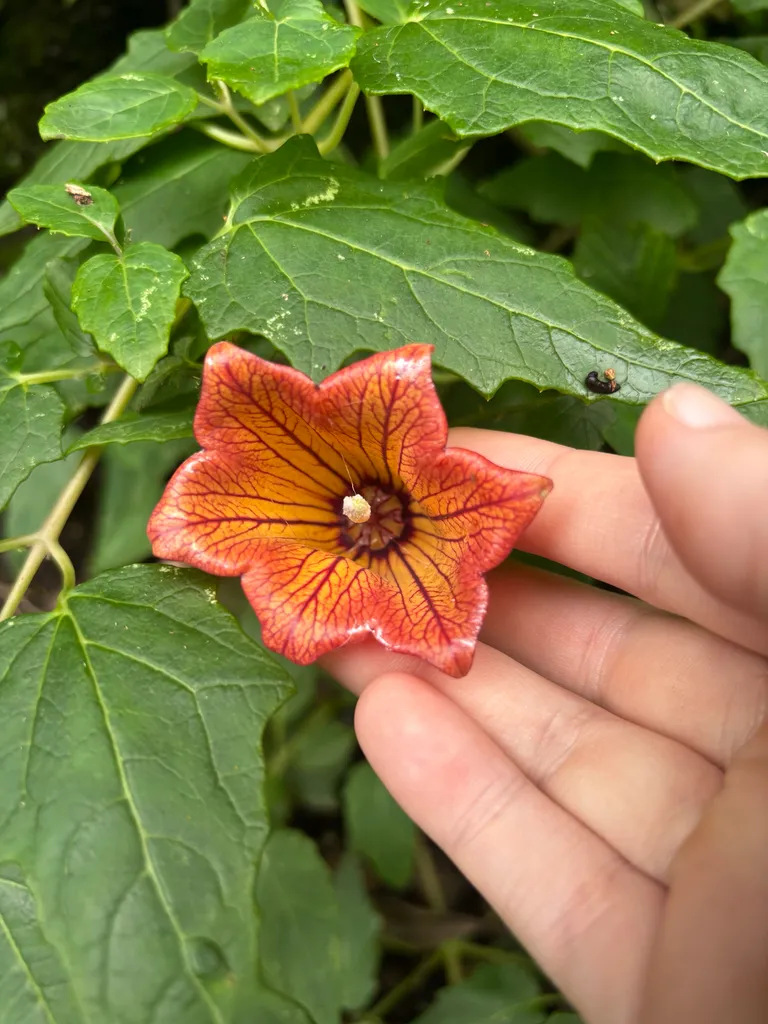
Scientific classification
- Species
- Canary Island bellflower (Canarina canariensis)
- Genus
- Canarina
- Family
- Campanulaceae
- Order
- Asterales
- Class
- Magnoliopsida
- Phylum
- Magnoliophyta
- Information to be completed
- Toxicity
- Climber Wall Shrub · Herbaceous Perennial
- Plant type
- 1-1.5 metres
- Height
- 0.1-0.5 metres
- Spread
- Deciduous
- Foliage
- Climbing
- Habit
- Spring · Summer · Autumn · Winter
- Season of interest
- Partial shade
- Sunlight
- Information to be completed
- Ideal temperature









Canary Island bellflower pictures
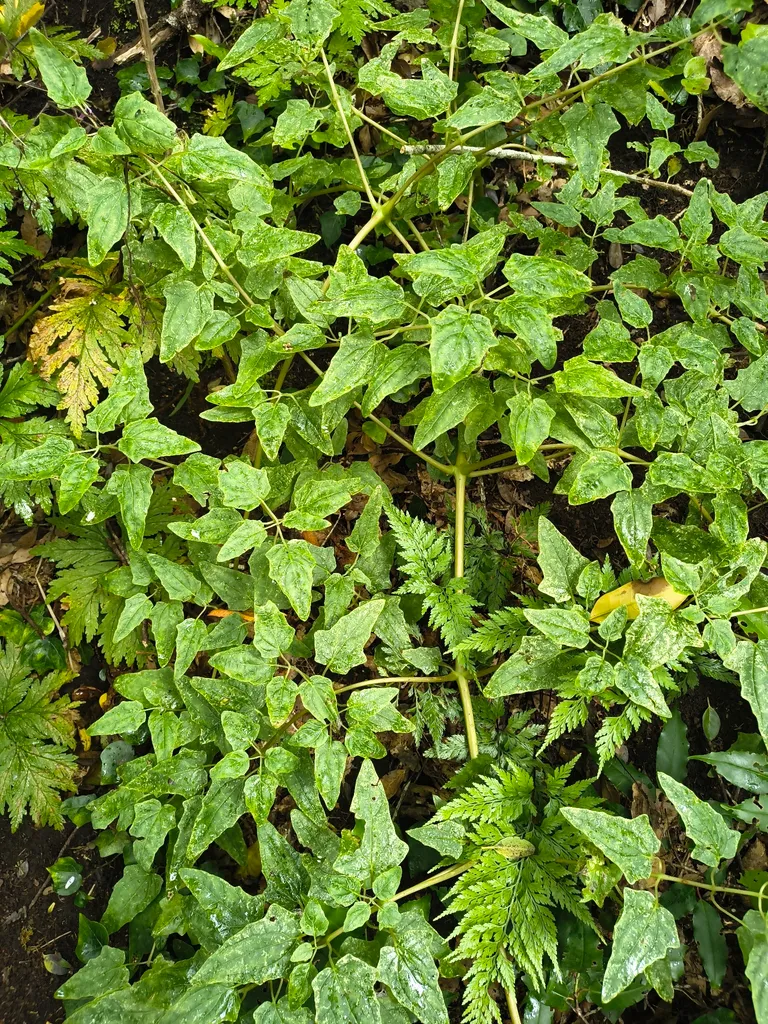
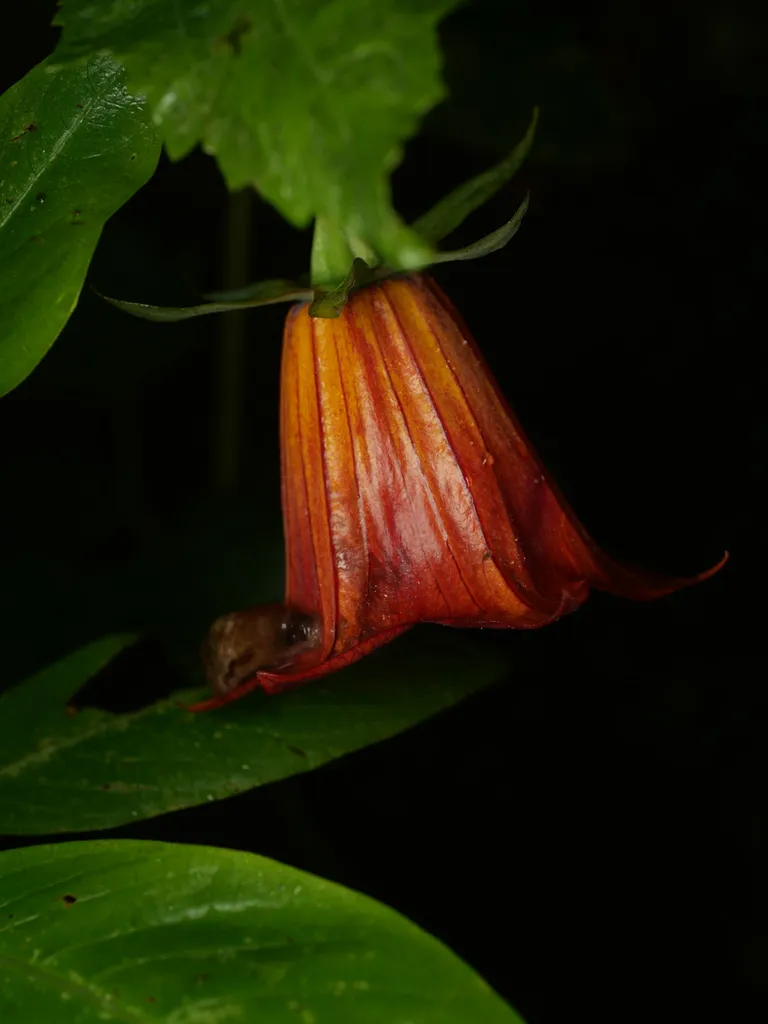
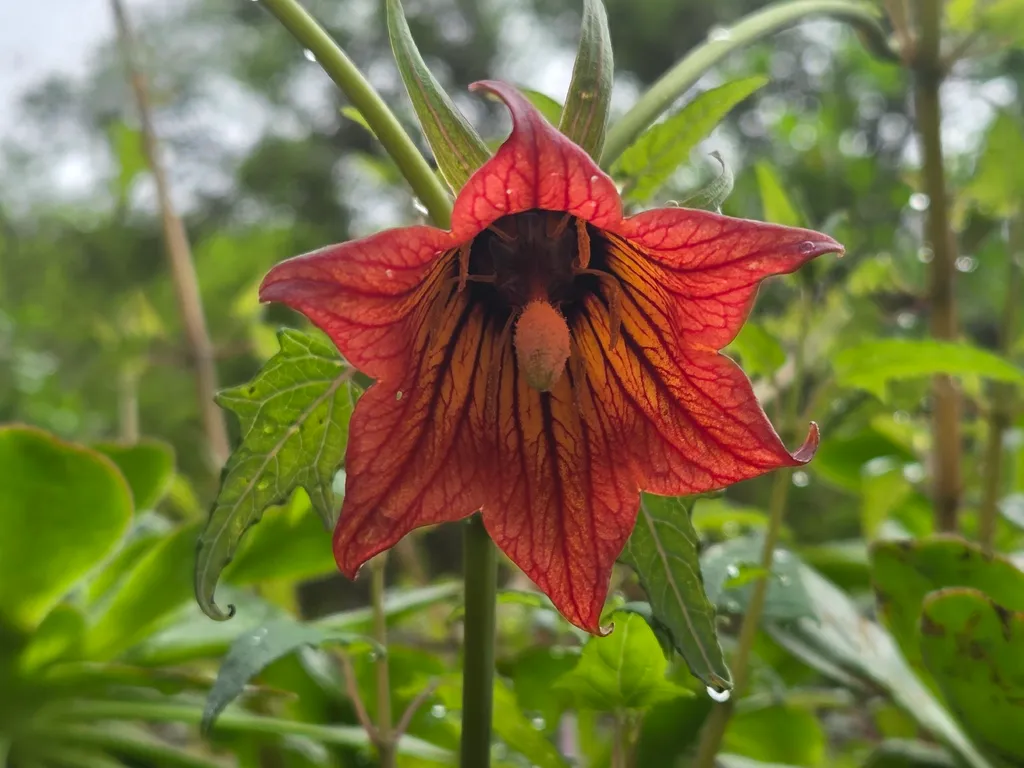
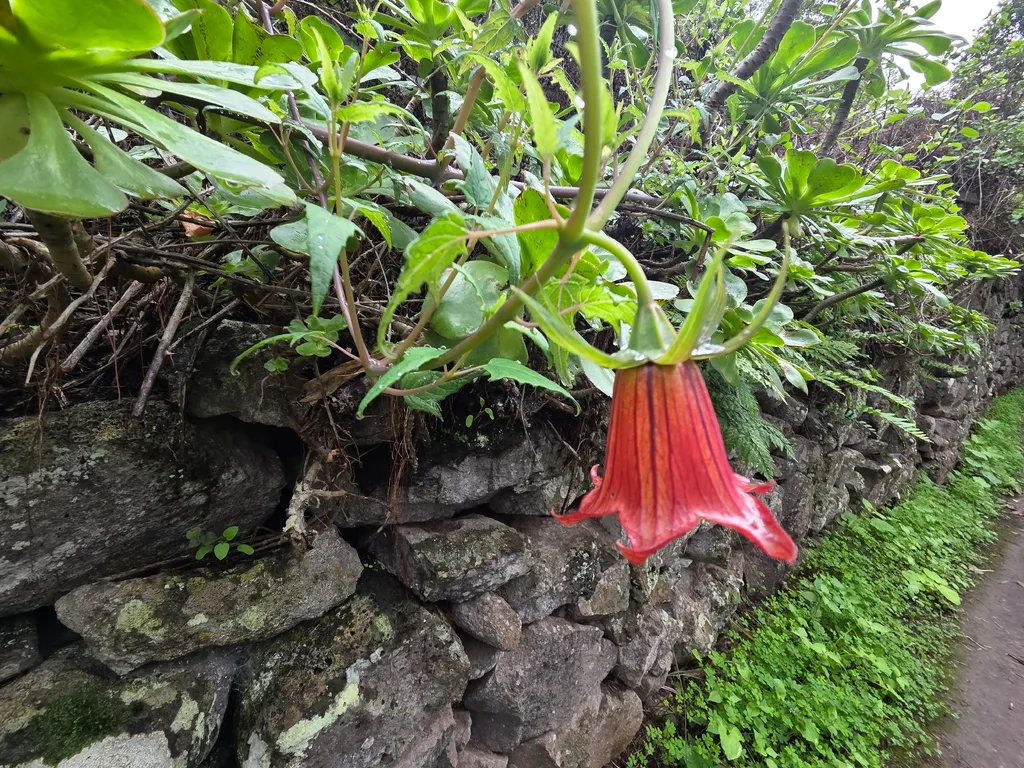
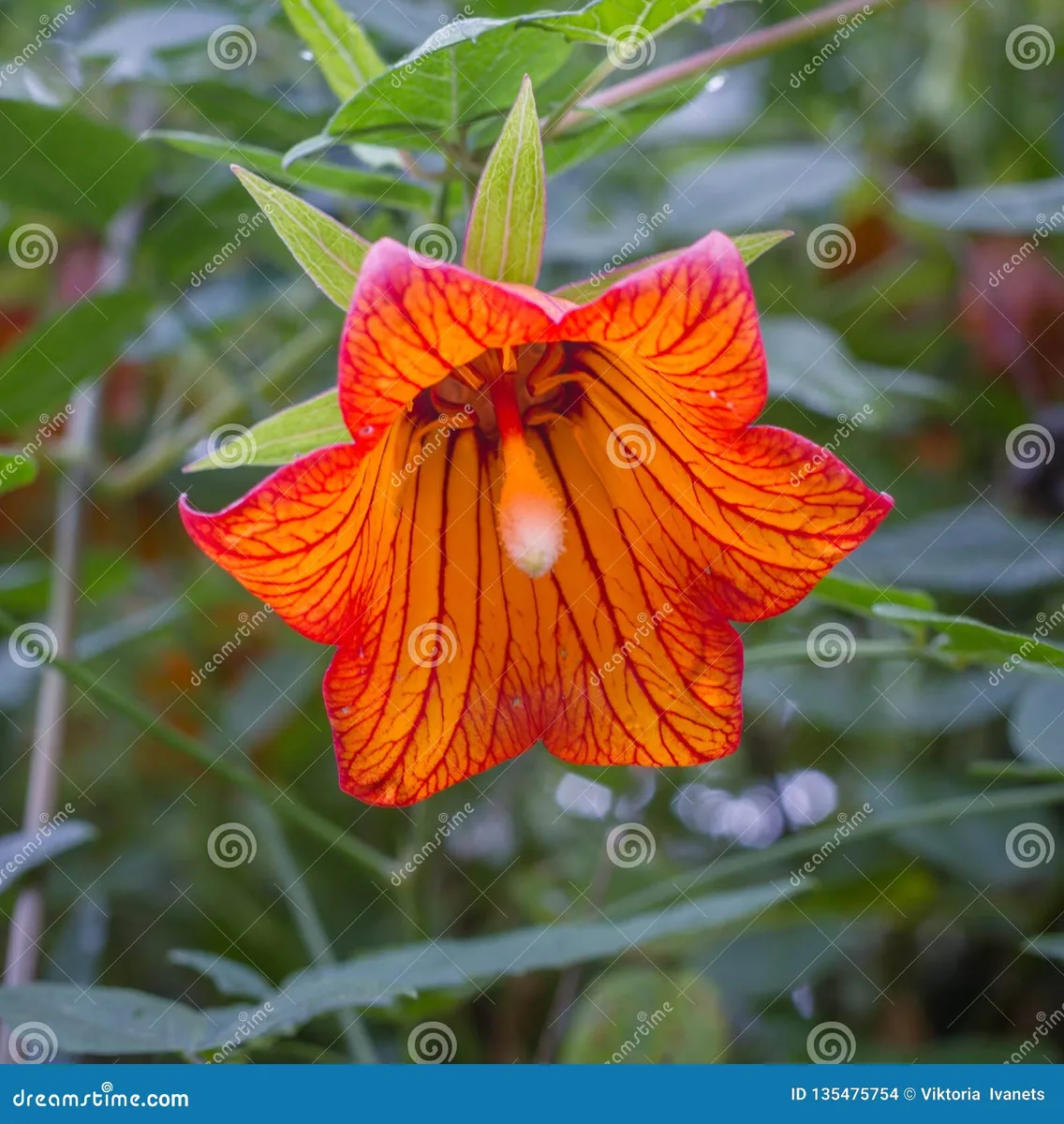
Distribution of Canary Island bellflower
Distribution map
- Native
- Introduced
- Cultivated
Source:WCVP v16 · Royal Botanic Gardens, Kew · CC BY 3.0 · Boundaries:WGSRPD / TDWG
Canary Island bellflower care guide
- Water deeply when medium dries halfway, reduce winter water
- Watering
- Partial shade
- Sunlight

Watering
Water deeply when medium dries halfway, reduce winter water
Fertilizing
 Fertilizing
Mild balanced liquid feed monthly spring and summer months
Pruning
 Pruning
No pruning required
Propagation
 Propagation
Propagate by seed at 15-18°C in spring
Growing
 Growing
Under glass grow in loam-based potting compost in bright filtered light with good ventilation. Water freely when in growth and keep completely dry when foliage yellows in late spring. Apply a balanced liquid fertiliser monthly when in growth. Pot on when dormant
Common pests and diseases
Diseases
Generally disease free
Pests
May be attacked by glasshouse whitefly and glasshouse red spider mite
Explore the plant health library →




