
blunt greenhood
Also known as: Information to be completed
P. curta is a terrestrial orchid to 30cm tall with basal rosettes of oval dark-green leaves to 10cm long, 2-6 per plant. Single, nodding flowers in spring, up to 3.5cm tall, are green with a brown lip and appear on green spikes which can reach a maximum length of 30cm
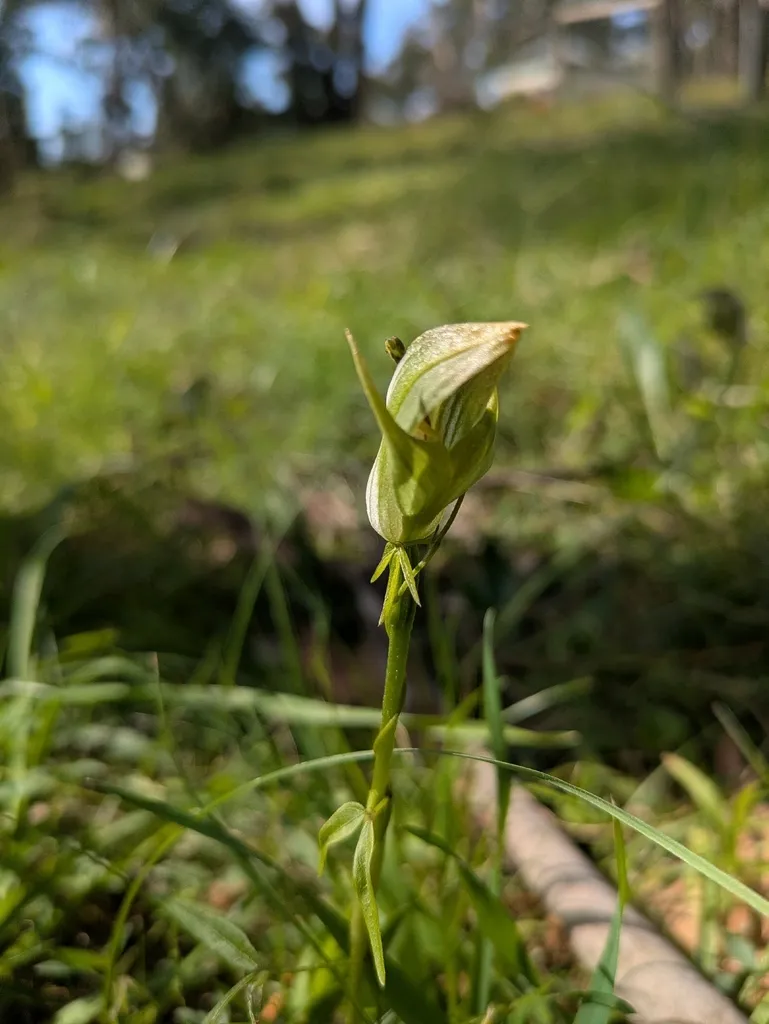
Scientific classification
- Species
- blunt greenhood (Pterostylis curta)
- Genus
- Pterostylis
- Family
- Orchidaceae
- Information to be completed
- Toxicity
- Conservatory Greenhouse · Houseplants
- Plant type
- 0.1-0.5 metres
- Height
- 0.1-0.5 metres
- Spread
- Evergreen
- Foliage
- Clump forming · Columnar upright
- Habit
- Spring · Autumn · Winter
- Season of interest
- Partial shade
- Sunlight
- Information to be completed
- Ideal temperature









blunt greenhood pictures
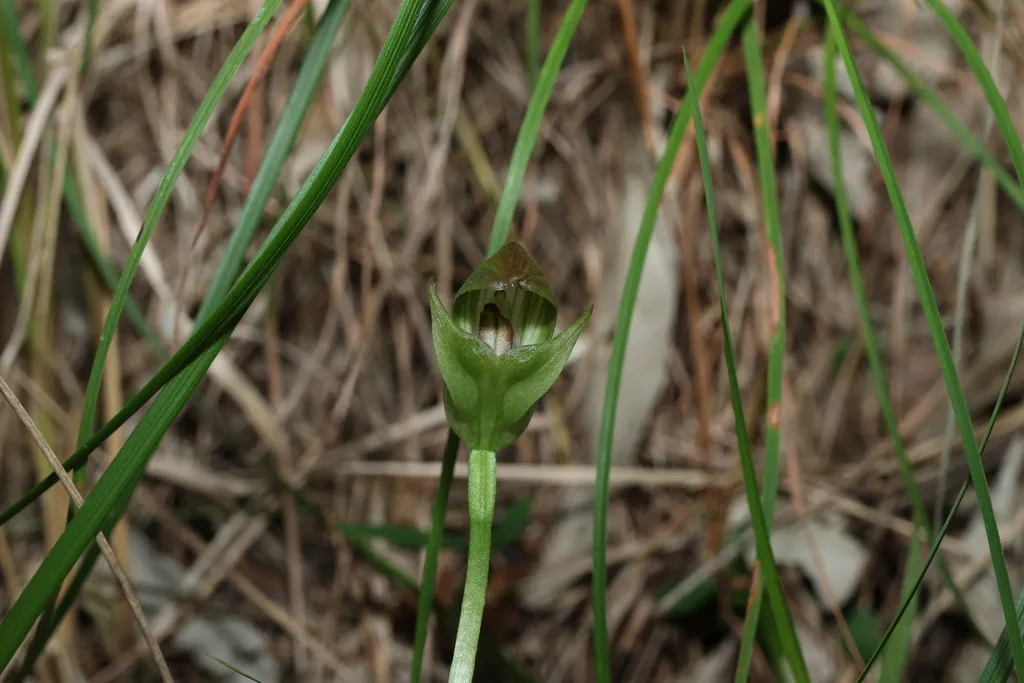
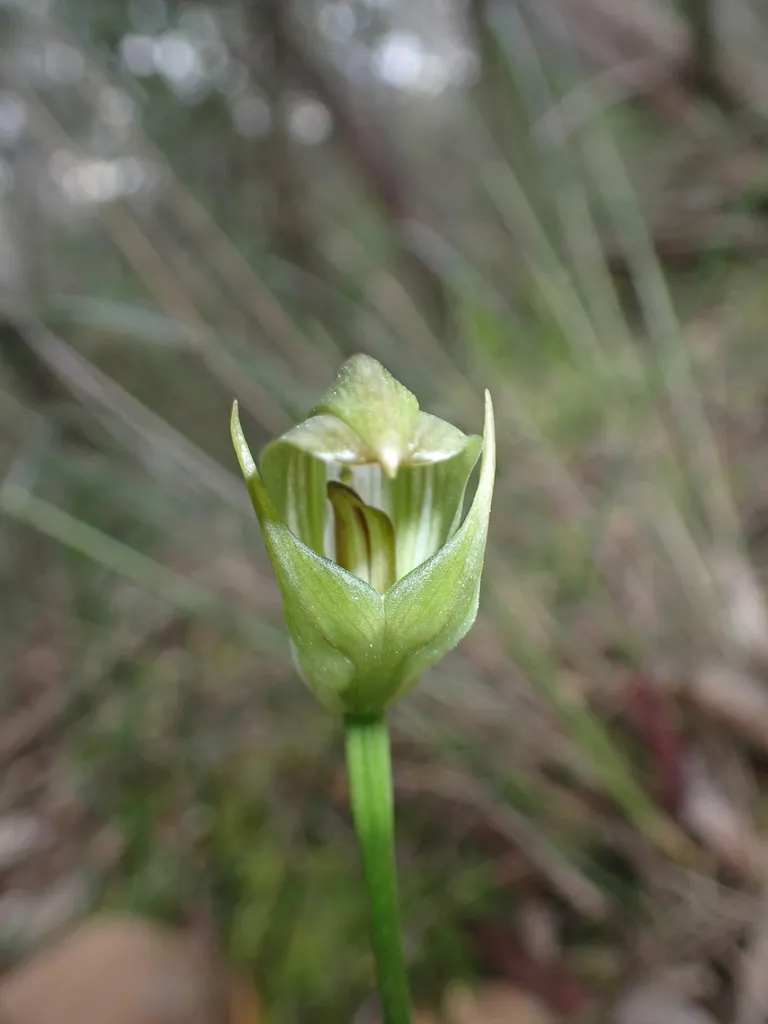
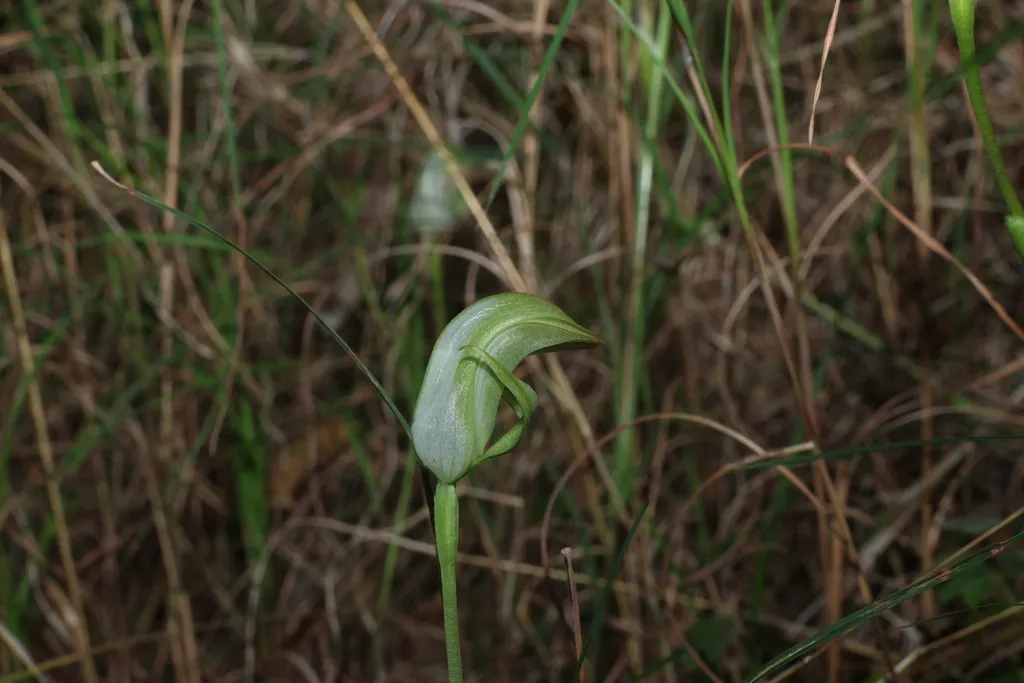
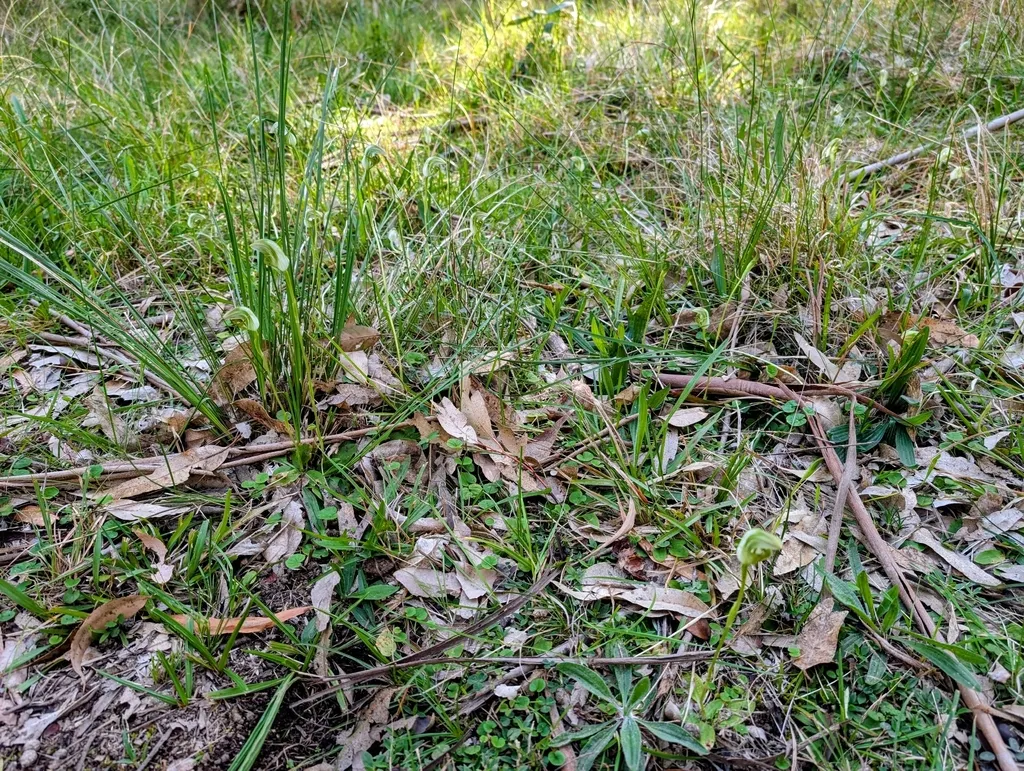
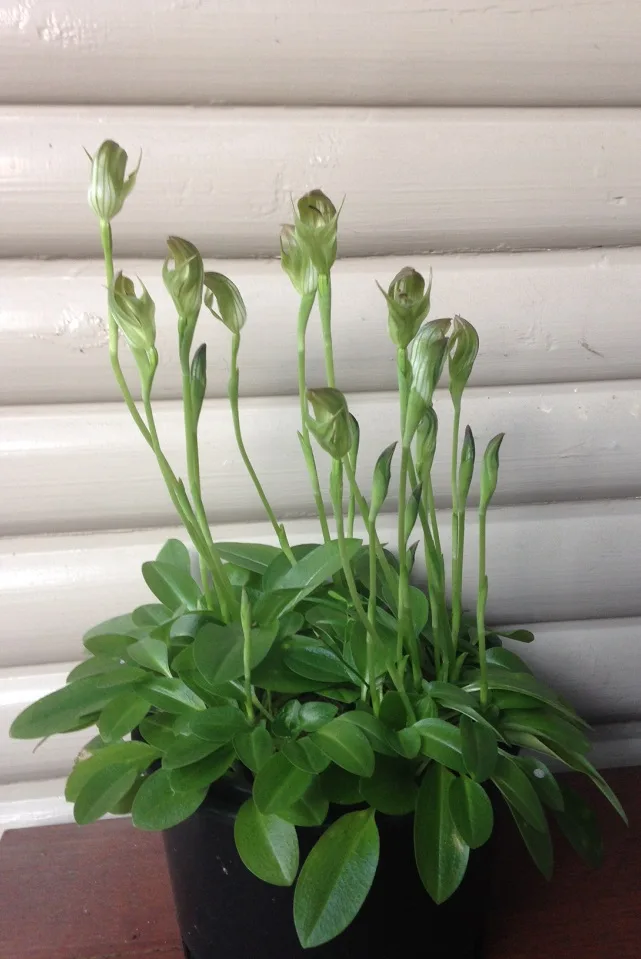
Distribution of blunt greenhood
Distribution map
New Caledonia, Austr.
Information to be completed
Culture
Information to be completed
Toxicity
Information to be completed
Quick identification of blunt greenhood
Information to be completed
blunt greenhood care guide
- Moderate regular watering, allowing brief slight drying between soakings
- Watering
- Partial shade
- Sunlight
- Information to be completed
- Ideal temperature

Watering
Moderate regular watering, allowing brief slight drying between soakings
Fertilizing
 Fertilizing
Balanced perennial feed every four weeks from spring through summer
Pruning
 Pruning
No pruning required, remove spent flower spikes as necessary
Propagation
 Propagation
Increase by separating and potting on new tubers during dormancy
Growing
 Growing
Grow in terrestrial orchid compost in full light, with shade from hot sun and night temperatures between 8 and 10°C; water sparingly only once the growth point emerges, increase watering as leaves develop and use orchid fertiliser when in full growth. Reduce watering when leaves start to yellow and dormancy starts, dormancy lasts 2-3 months when temperatures should be kept at 20-25°C with occasional misting only. Repot during the dormant period.
People also ask
Information to be completed
Common pests and diseases
Diseases
Generally disease free
Pests
Aphids and slugs may be a problem
Explore the plant health library →




