
Christmas berry
Also known as: Information to be completed
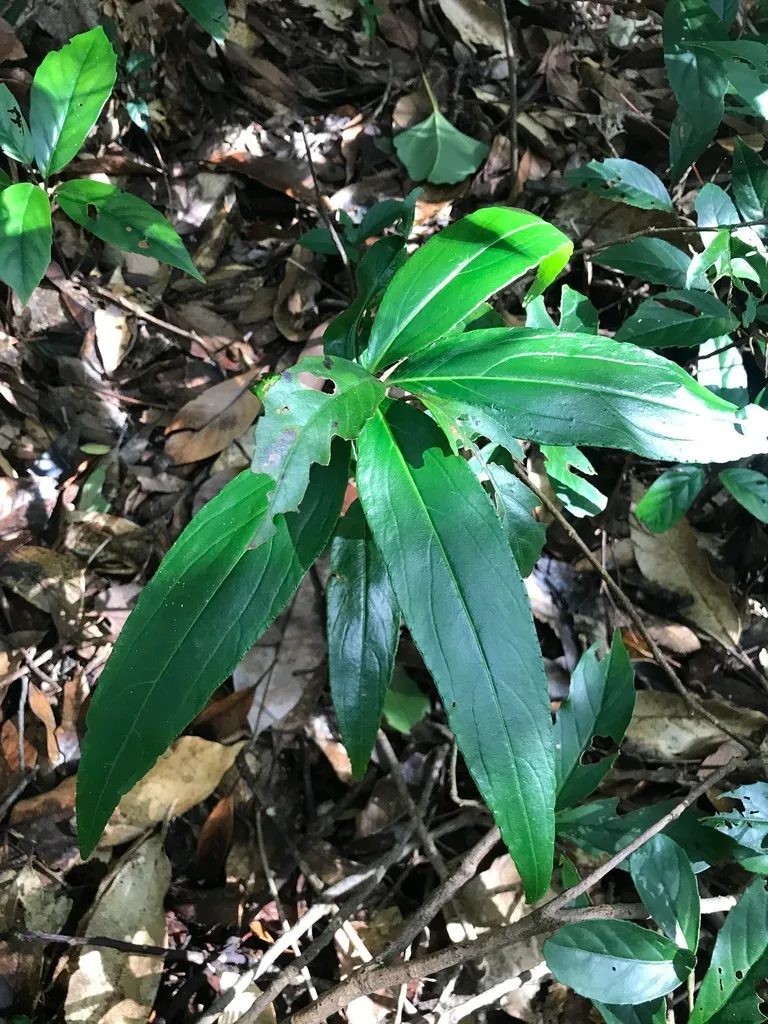
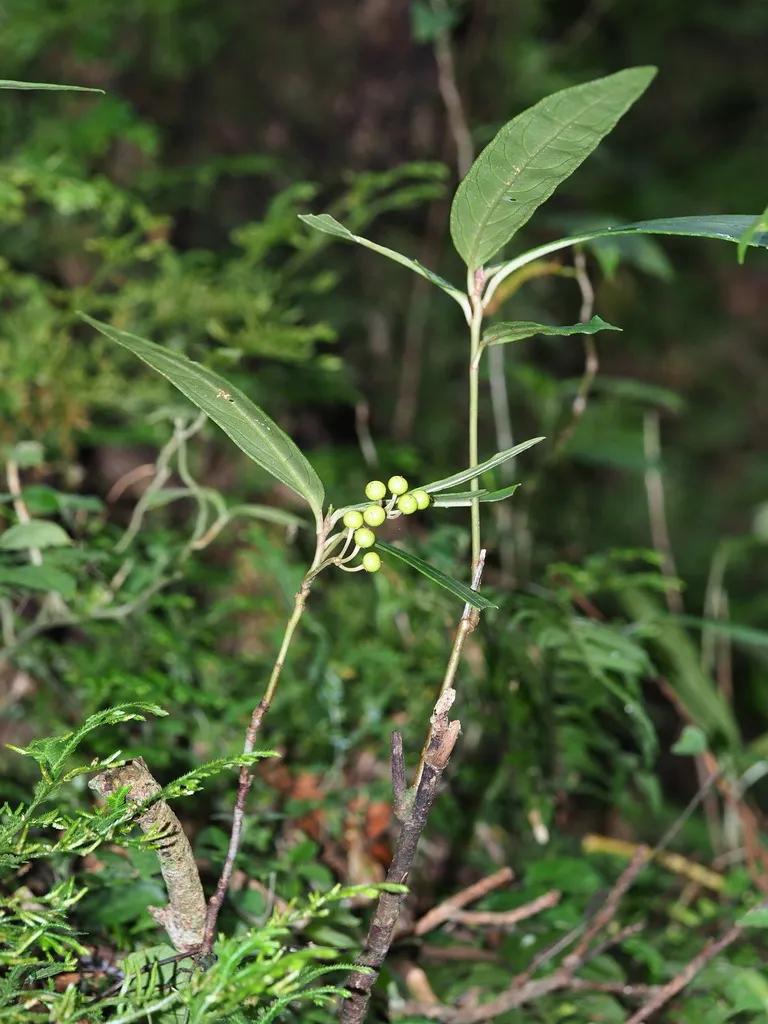
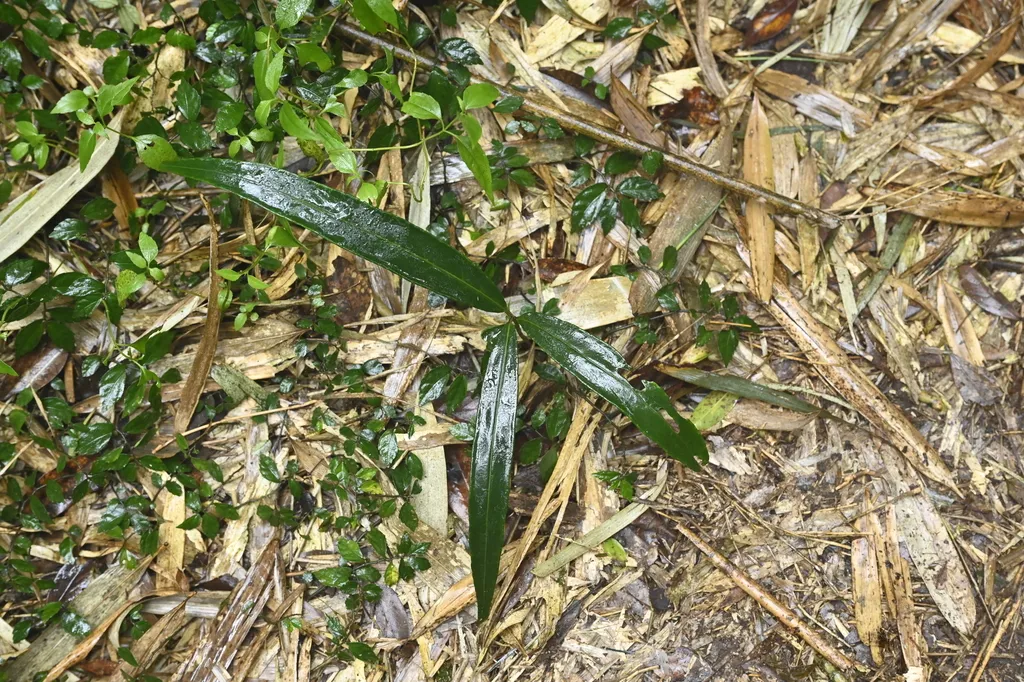
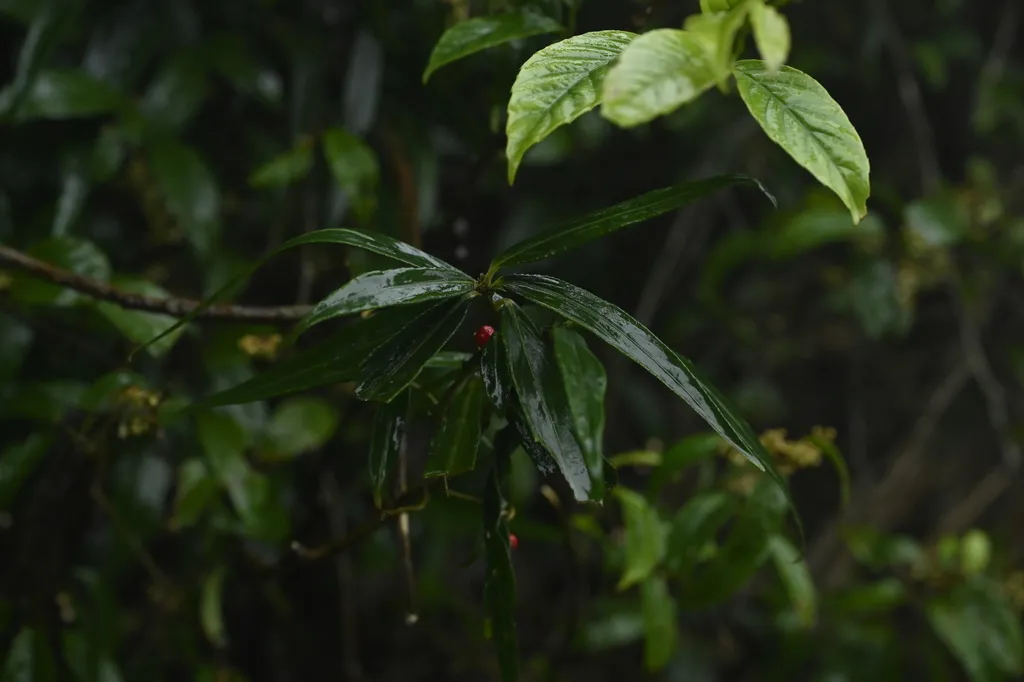
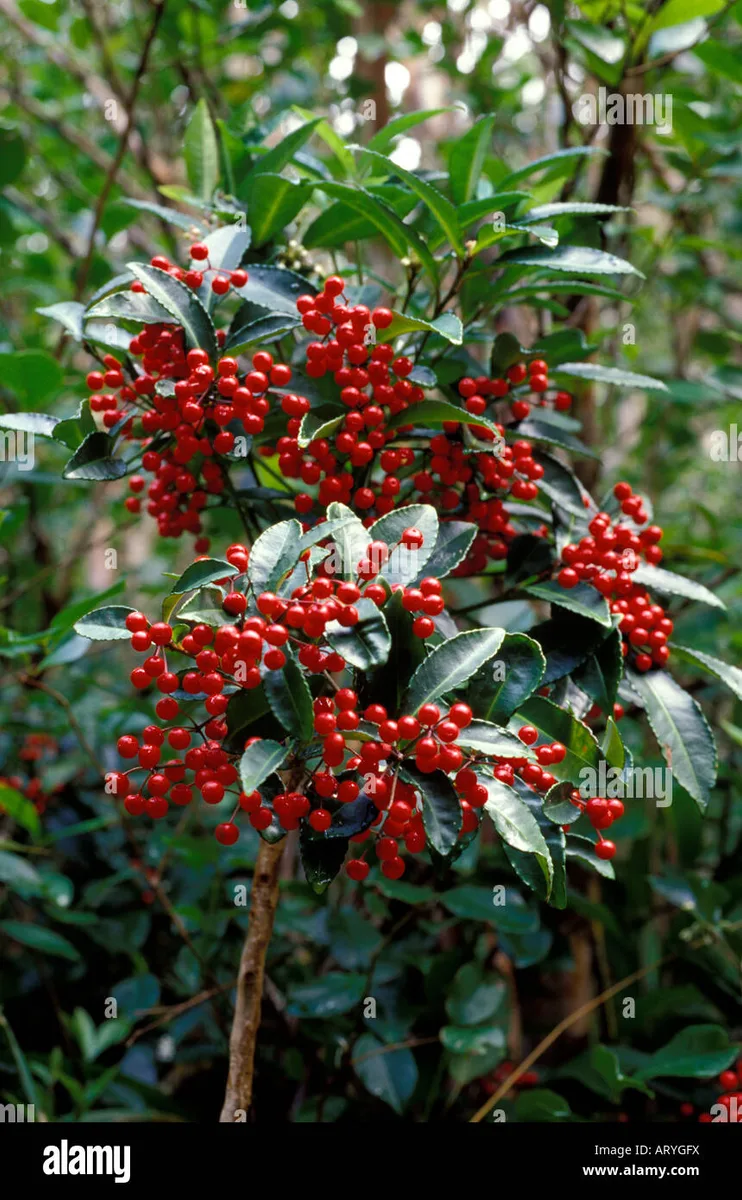
A compact evergreen shrub to 1.2m but usually less, the dark green, elliptic-oblong leaves with neatly crenate margins. Small pinkish flowers in panicles, followed by long-lasting red berries
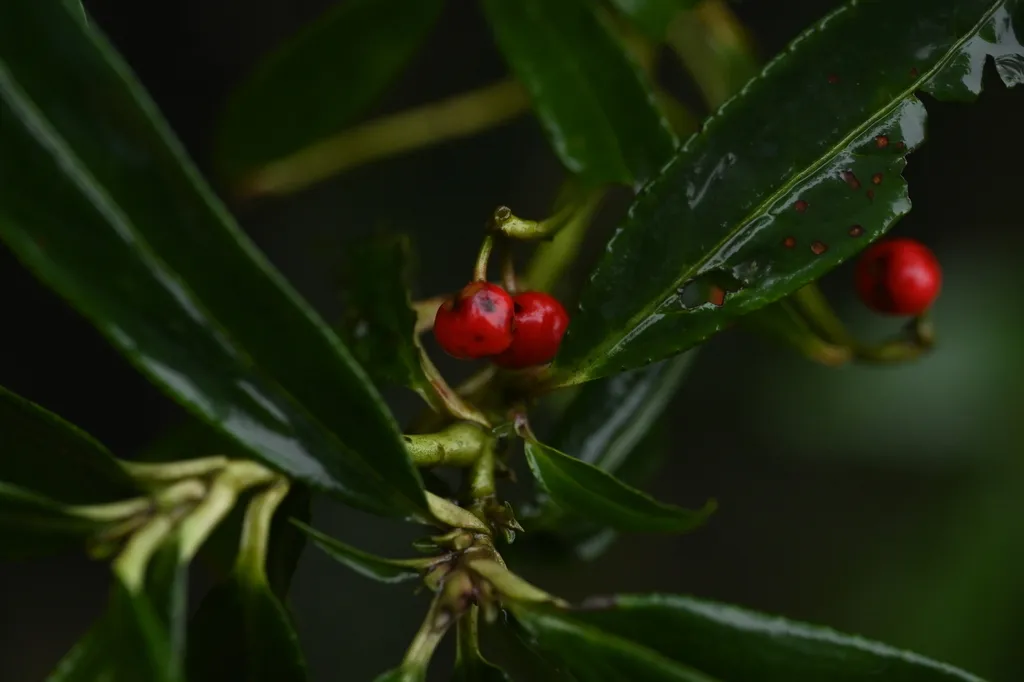
Scientific classification
- Species
- Christmas berry (Ardisia crispa)
- Genus
- Ardisia
- Family
- Primulaceae
- Order
- Ericales
- Class
- Magnoliopsida
- Phylum
- Magnoliophyta
- Fruit are ornamental - not to be eaten. Wear gloves and other protective equipment when handling
- Toxicity
- Conservatory Greenhouse · Houseplants · Shrubs
- Plant type
- 1-1.5 metres
- Height
- 0.5-1 metres
- Spread
- Evergreen
- Foliage
- Bushy
- Habit
- Spring · Summer · Autumn · Winter
- Season of interest
- Partial shade
- Sunlight
- Information to be completed
- Ideal temperature









Christmas berry pictures
Distribution of Christmas berry
Distribution map
- Native
- Introduced
- Cultivated
Source:WCVP v16 · Royal Botanic Gardens, Kew · CC BY 3.0 · Boundaries:WGSRPD / TDWG
Toxicity
Fruit are ornamental - not to be eaten. Wear gloves and other protective equipment when handling
Christmas berry care guide
- Moderate regular watering, allowing brief slight drying between soakings
- Watering
- Partial shade
- Sunlight

Watering
Moderate regular watering, allowing brief slight drying between soakings
Fertilizing
 Fertilizing
Balanced perennial feed every four weeks from spring through summer
Pruning
 Pruning
Prune lightly as needed to remove unwanted shoots and keep the shrub in shape. Prune in spring.
Propagation
 Propagation
Take semi-ripe cuttings in summer. Propagate by seed in spring; germinate at 13°C (55°F)
Growing
 Growing
Grow in loam-based compost such John Innes No. 3 with added horticultural grit or perlite in bright filtered light. When in growth water freely and apply balanced fertiliser liquid fertiliser monthly. Water moderately at other times. In summer ensure good ventilation or place outdoors after the risk of frost has passed. Shelter from midday sun. Best overwintered at about 7°C (45°F) though it may tolerate lower temperatures
Common pests and diseases
Diseases
Generally trouble free
Pests
Generally trouble free
Explore the plant health library →




