
pak choi 'Ivory'
Also known as: Information to be completed
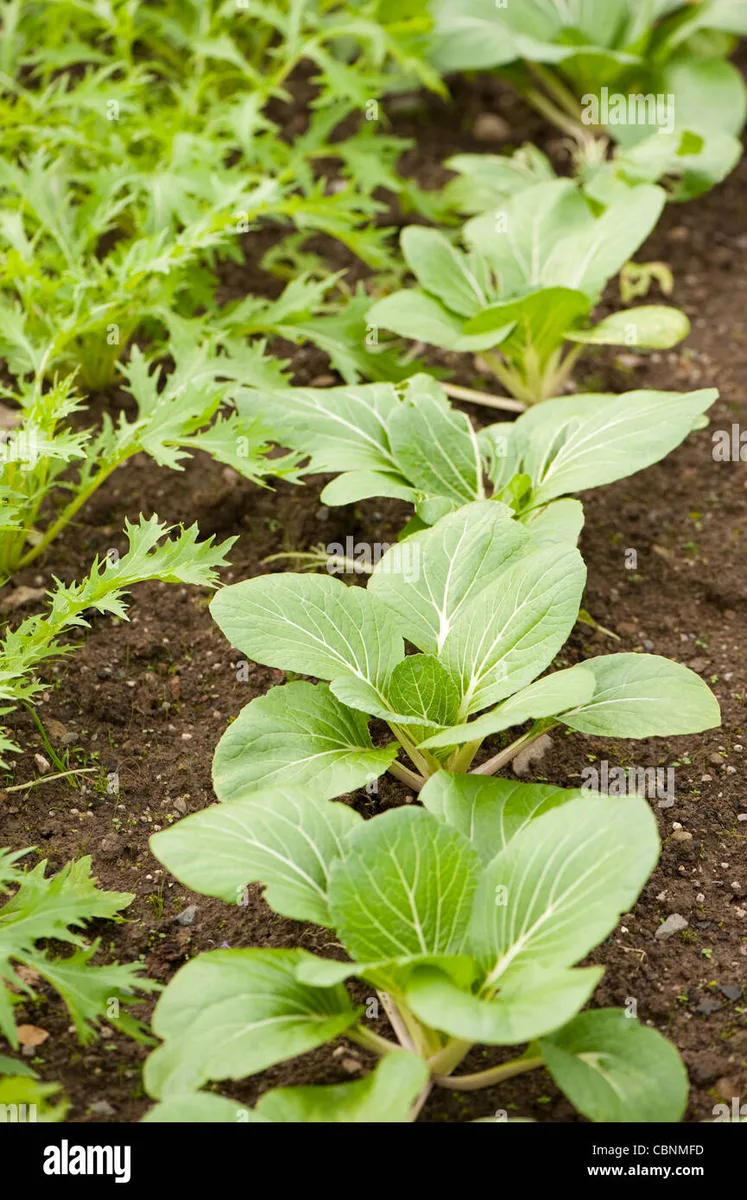
An easy-to-grow pak choi variety with succulent, crisp white stems and dark green leaves. Use as baby leaf in salads or allow to mature and use the stems and leaves in stir fries
Scientific classification
- Species
- pak choi 'Ivory' (Brassica rapa 'Ivory')
- Genus
- Brassica
- Family
- Brassicaceae
- Order
- Brassicales
- Class
- Magnoliopsida
- Phylum
- Tracheophyta
- Information to be completed
- Toxicity
- Annual Biennial
- Plant type
- 0.1-0.5 metres
- Height
- 0.1-0.5 metres
- Spread
- Deciduous
- Foliage
- Columnar upright
- Habit
- Spring · Summer · Autumn
- Season of interest
- Full sun
- Sunlight
- Information to be completed
- Ideal temperature









pak choi 'Ivory' pictures
Distribution of pak choi 'Ivory'
Distribution map
- Native
- Introduced
- Cultivated
Source:WCVP v16 · Royal Botanic Gardens, Kew · CC BY 3.0 · Boundaries:WGSRPD / TDWG
pak choi 'Ivory' care guide
- Keep soil consistently moist for tender leafy growth
- Watering
- Full sun
- Sunlight

Watering
Keep soil consistently moist for tender leafy growth
Fertilizing
 Fertilizing
Nitrogen-rich vegetable feed during active growth
Pruning
 Pruning
No pruning required
Propagation
 Propagation
Propagate by seed. See sowing vegetable seeds
Growing
 Growing
Thin out seedlings to prevent overcrowding; the thinnings can be used in a salad. Keep the plants well-watered during the growing season to avoid bolting. See 'growing pak choi' in vegetable cultivation
Common pests and diseases
Diseases
May be susceptible to powdery mildews
Pests
May be susceptible to flea beetle
Explore the plant health library →




