
Cape tulip
Also known as: Information to be completed
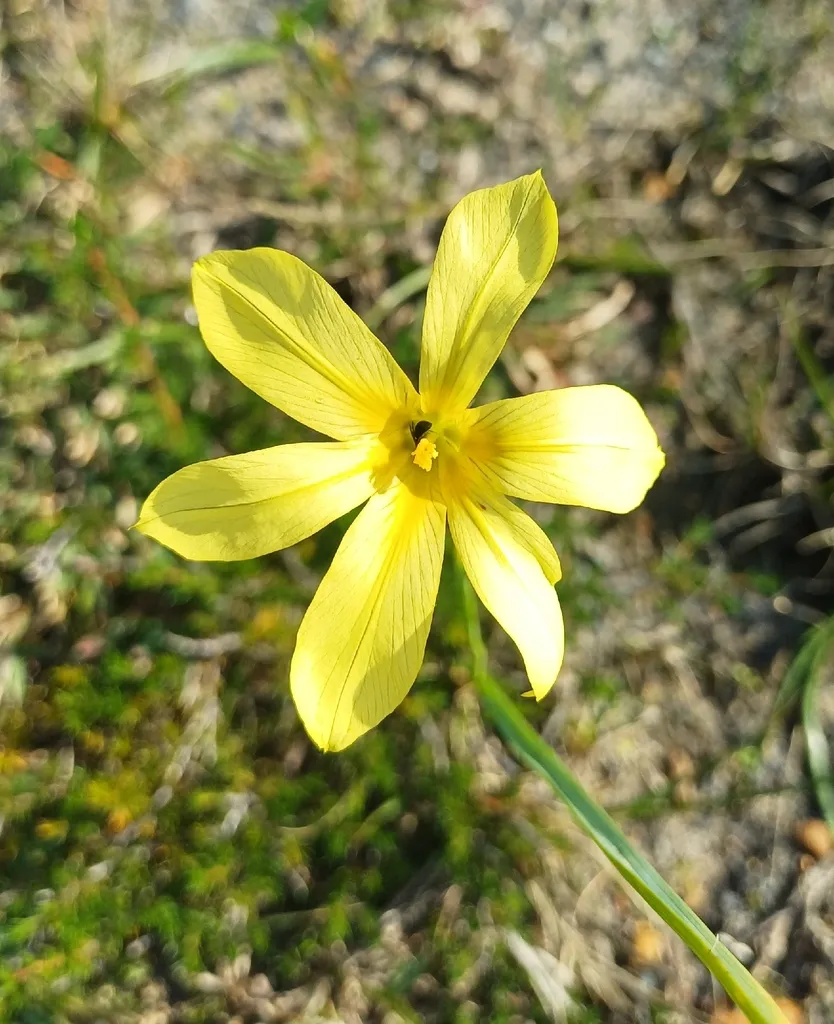
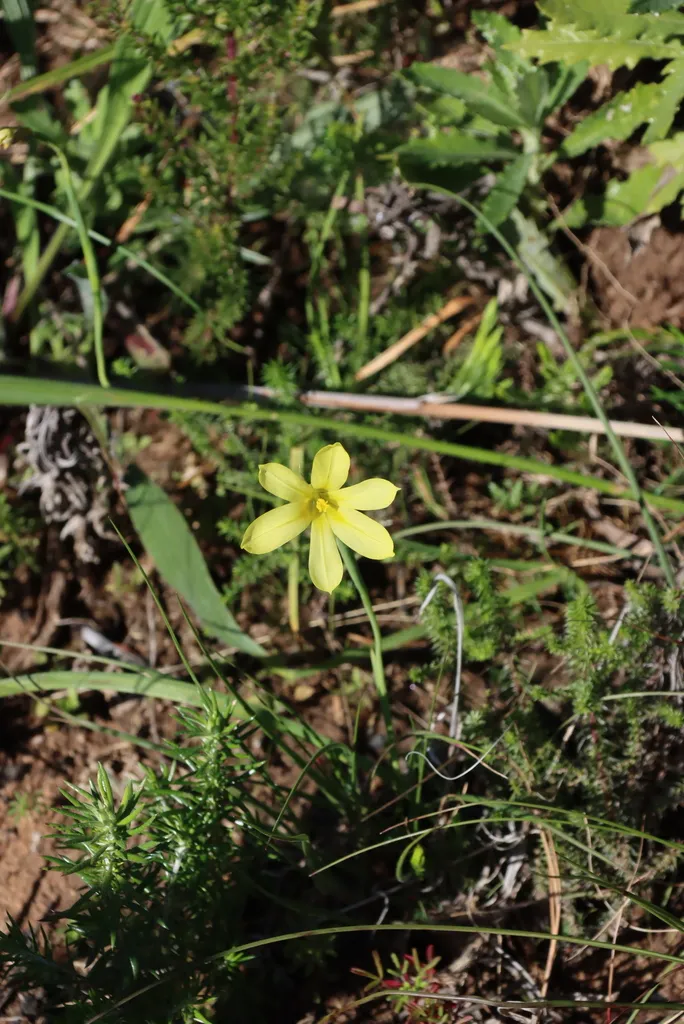
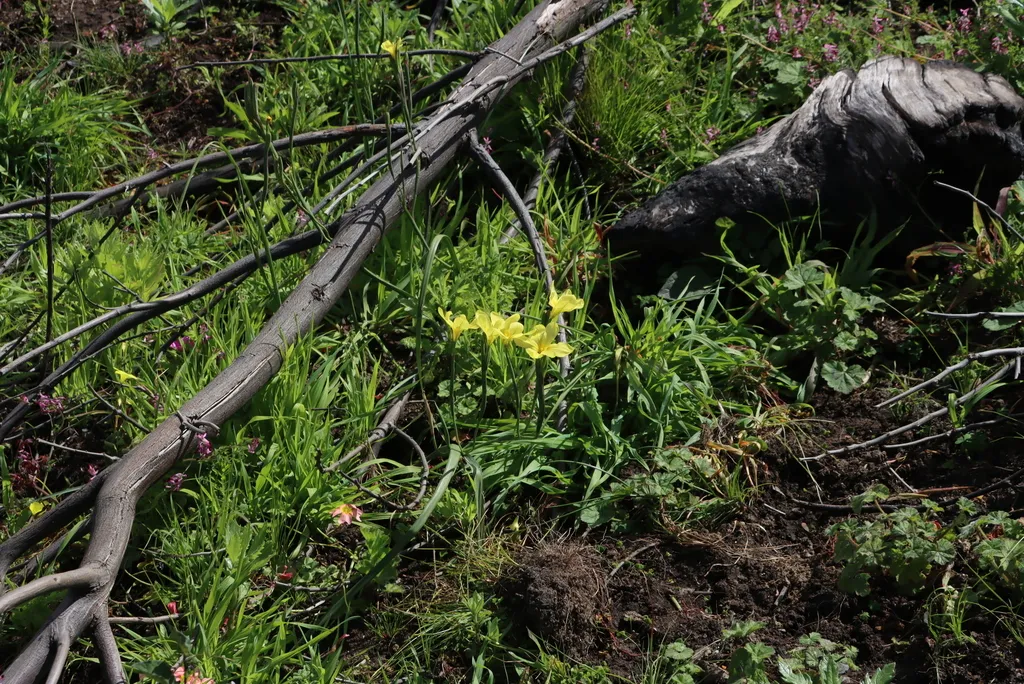
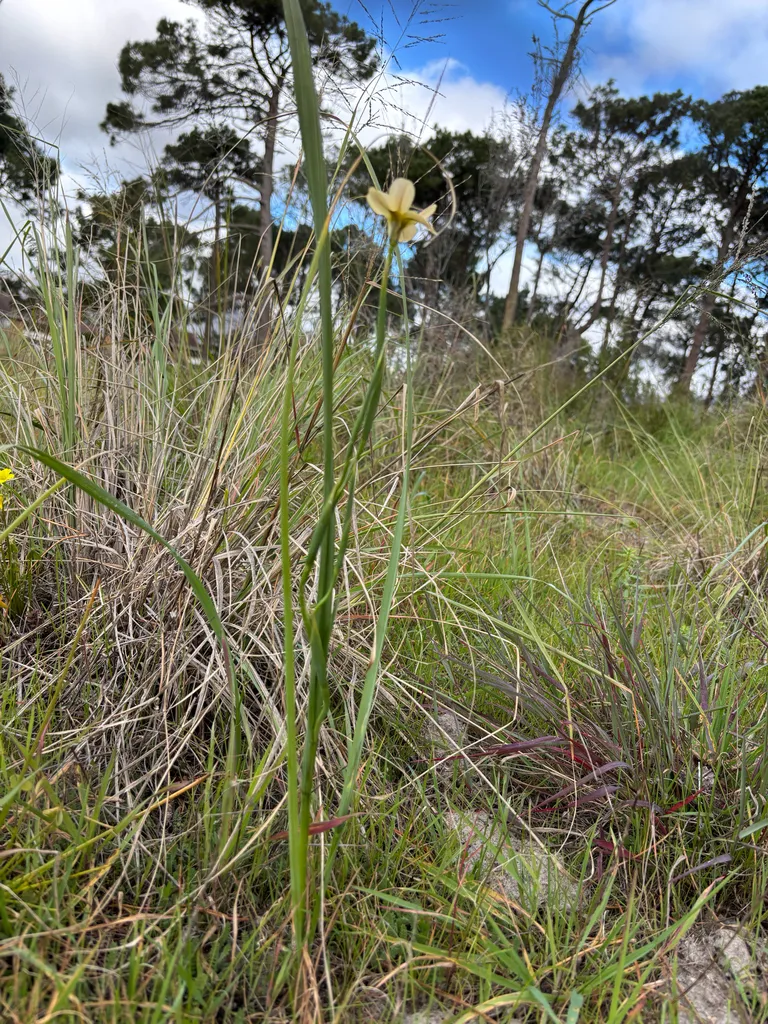
M. collina is a cormous perennial, to 40cm tall, with wiry stems and long, narrow leaves. Cup-shaped, scented, pink, peach or yellow flowers, to 7cm across, are produced in succession from spring to summer
Scientific classification
- Species
- Cape tulip (Moraea collina)
- Genus
- Moraea
- Family
- Iridaceae
- Harmful if eaten. Wear gloves and other protective equipment when handling
- Toxicity
- Bulbs · Conservatory Greenhouse
- Plant type
- 0.1-0.5 metres
- Height
- 0-0.1 metre
- Spread
- Deciduous
- Foliage
- Columnar upright
- Habit
- Spring · Summer
- Season of interest
- Full sun
- Sunlight
- Information to be completed
- Ideal temperature









Cape tulip pictures
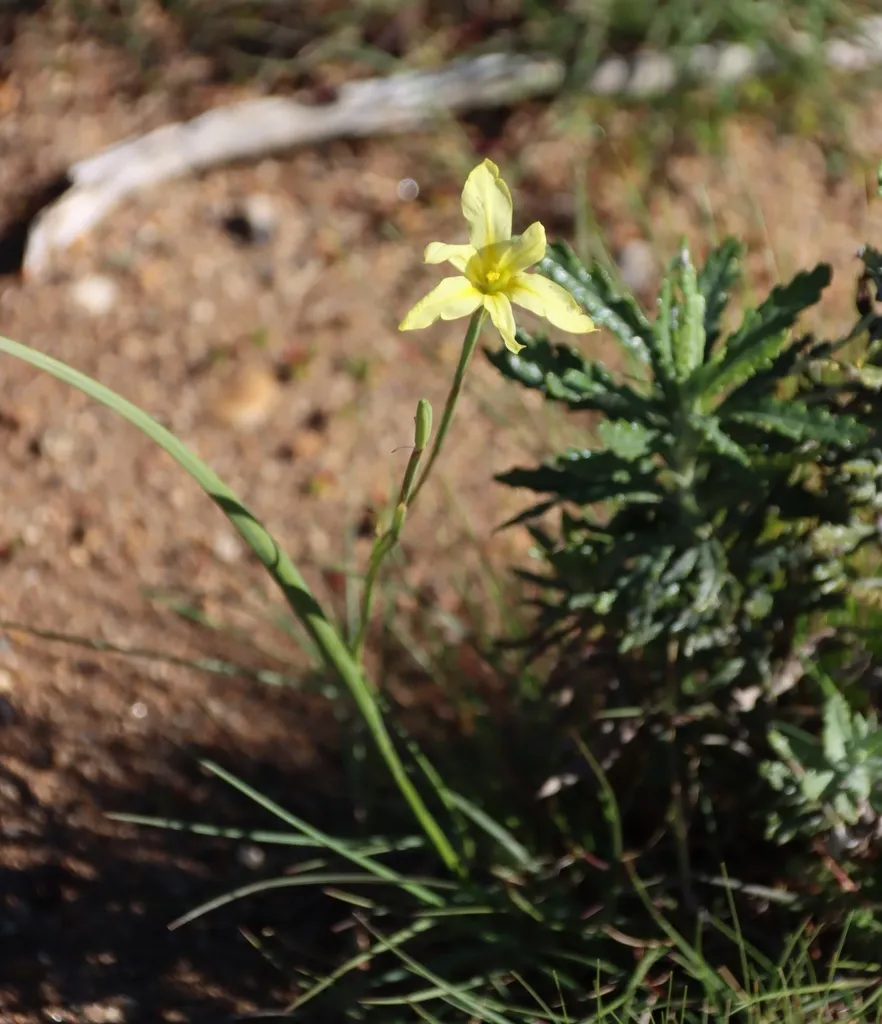
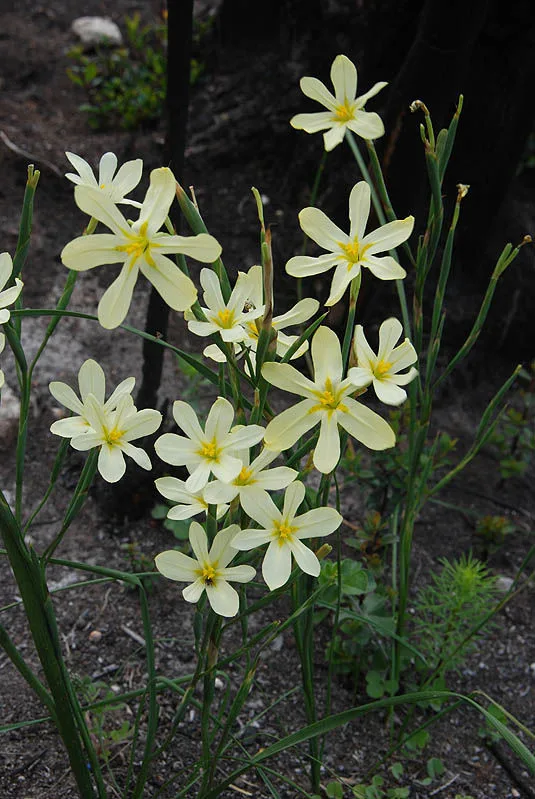
Distribution of Cape tulip
Distribution map
Southwestern Cape Prov.
Information to be completed
Culture
Information to be completed
Toxicity
Harmful if eaten. Wear gloves and other protective equipment when handling
Quick identification of Cape tulip
Information to be completed
Cape tulip care guide
- Moderate regular watering, allowing brief slight drying between soakings
- Watering
- Full sun
- Sunlight
- Information to be completed
- Ideal temperature

Watering
Moderate regular watering, allowing brief slight drying between soakings
Fertilizing
 Fertilizing
Balanced perennial feed every four weeks from spring through summer
Pruning
 Pruning
No pruning required
Propagation
 Propagation
Propagate by seed sown in containers in a coldframe in spring, or separate offsets when dormant
Growing
 Growing
Grow at the base of a warm, sunny wall in a well-drained, humus-rich, moderately fertile soil in full sun. Protect from excessive winter wet. Under glass grow in a loam-based compost (JI No 2) with added sharp grit. Water sparingly when growth begins and freely in full growth. Dry off as leaves wither, to ensure a dry dormancy from mid-summer to autumn
People also ask
Information to be completed
Common pests and diseases
Diseases
Generally disease-free
Pests
Generally pest-free
Explore the plant health library →




