
western flag iris
Also known as: Information to be completed
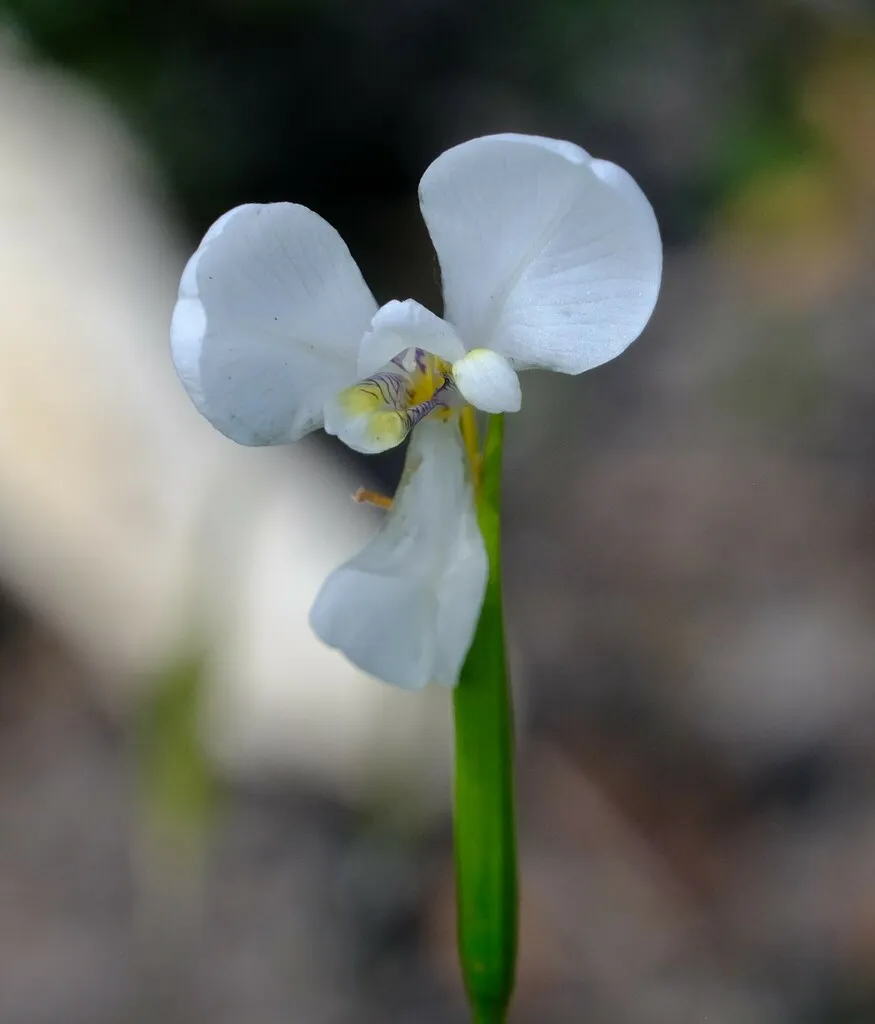
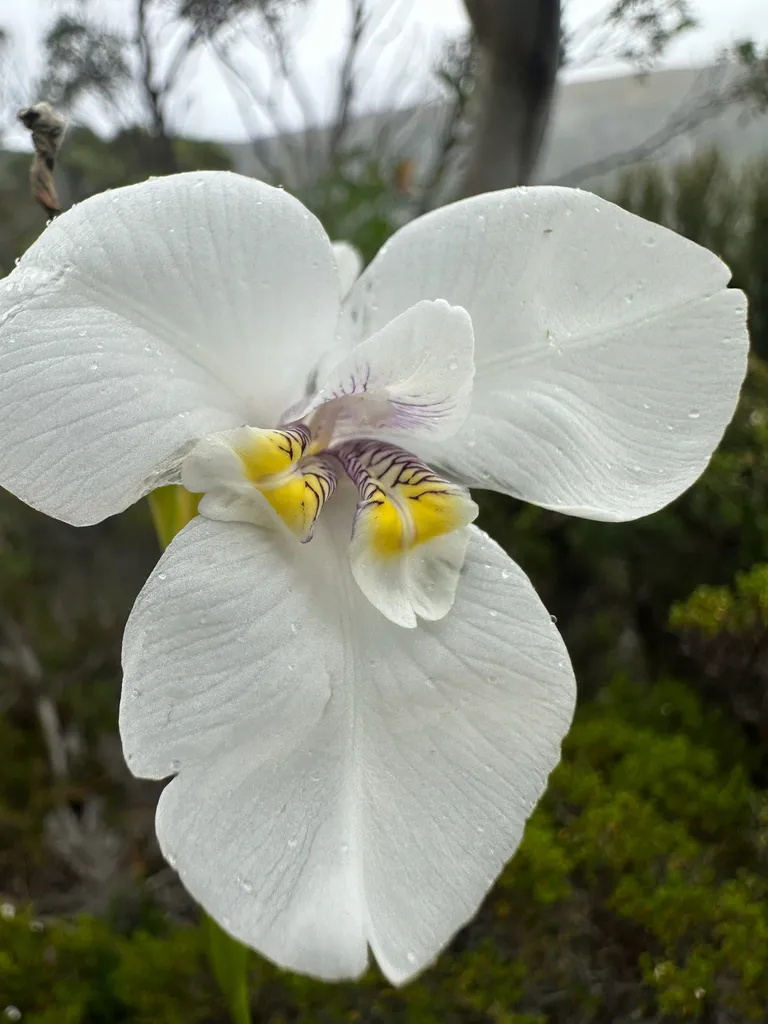
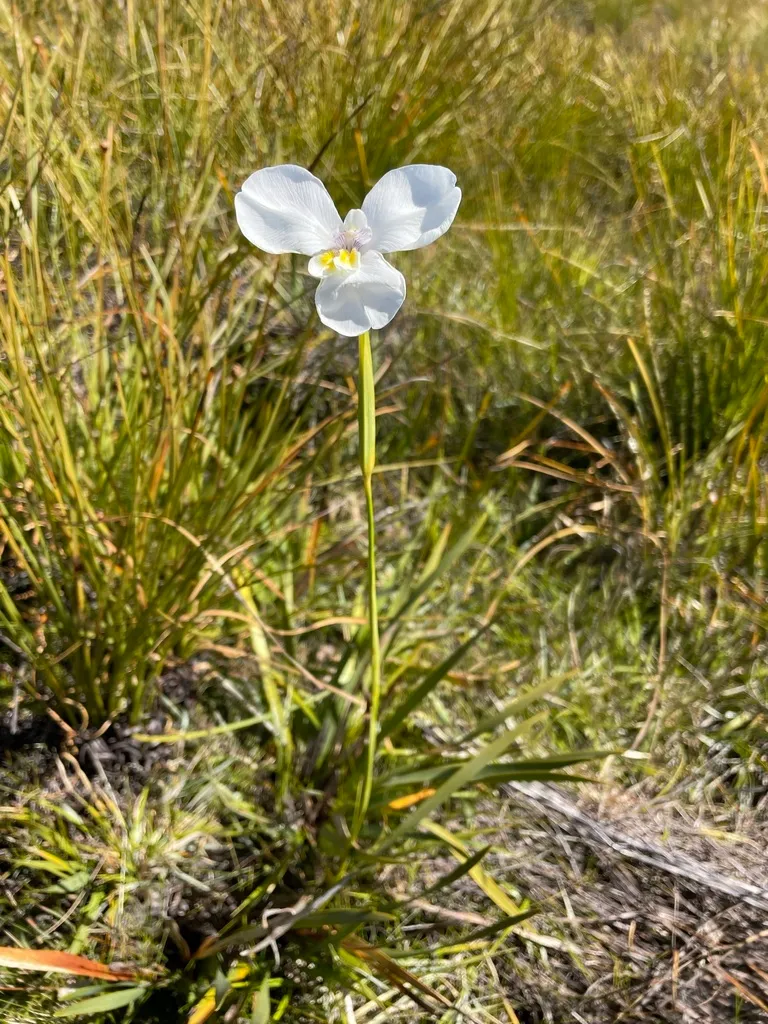
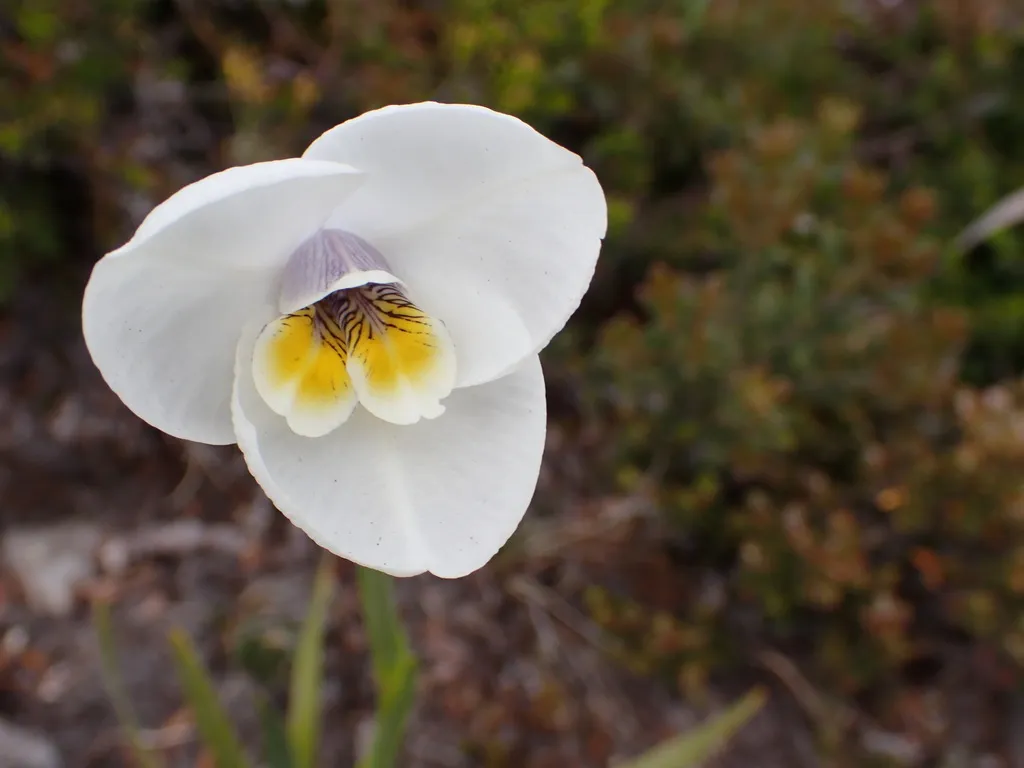
A clump-forming, rhizomatous, evergreen perennial to about 65cm. It has stiff, flat, narrowleaves and lightly scented flowers with three large and three small, white petals the smaller ones with yellow and purple markings
Scientific classification
- Species
- western flag iris (Diplarrena latifolia)
- Genus
- Diplarrena
- Family
- Iridaceae
- Order
- Asparagales
- Class
- Liliopsida
- Phylum
- Magnoliophyta
- Causes severe discomfort if ingested. Wear gloves and wash hands after handling
- Toxicity
- Herbaceous Perennial
- Plant type
- 0.5-1 metres
- Height
- 0.1-0.5 metres
- Spread
- Evergreen
- Foliage
- Columnar upright
- Habit
- Spring · Summer · Autumn · Winter
- Season of interest
- Full sun · Partial shade
- Sunlight
- Information to be completed
- Ideal temperature









western flag iris pictures
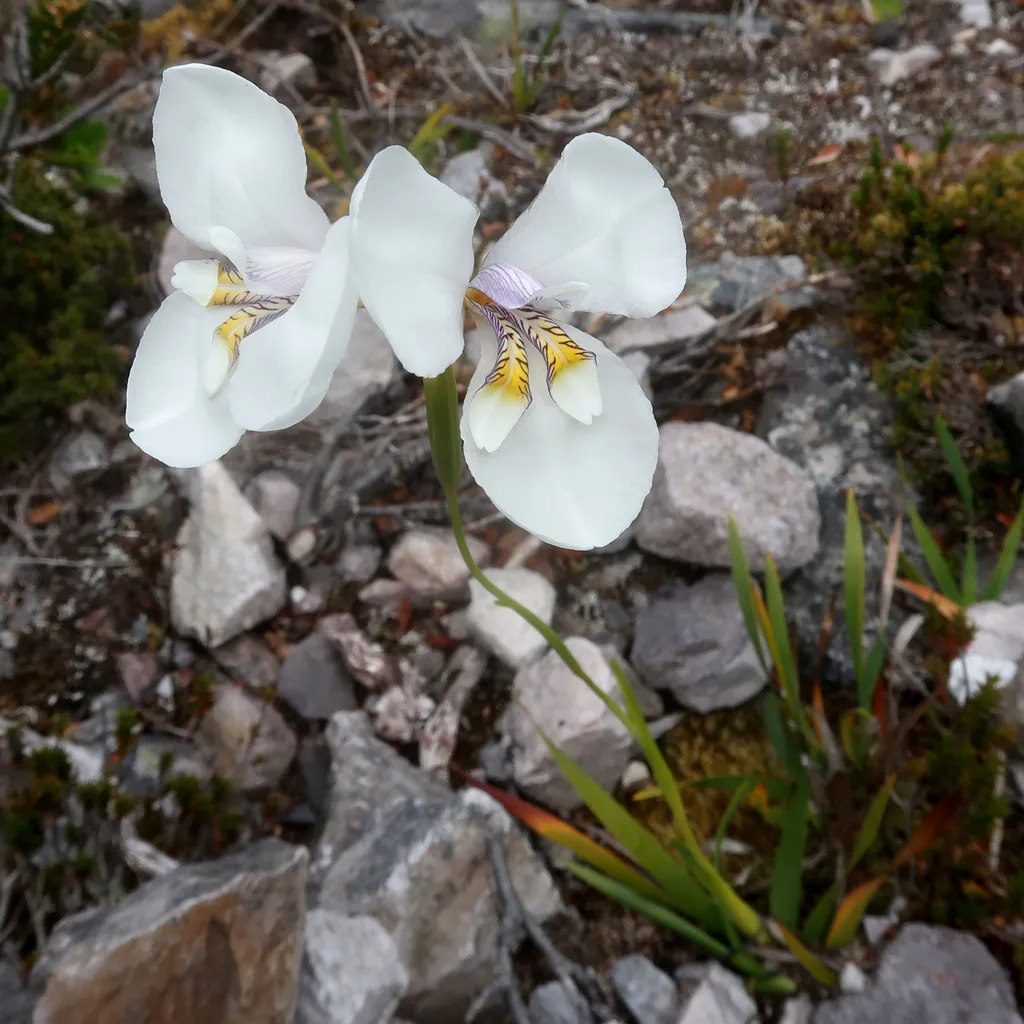
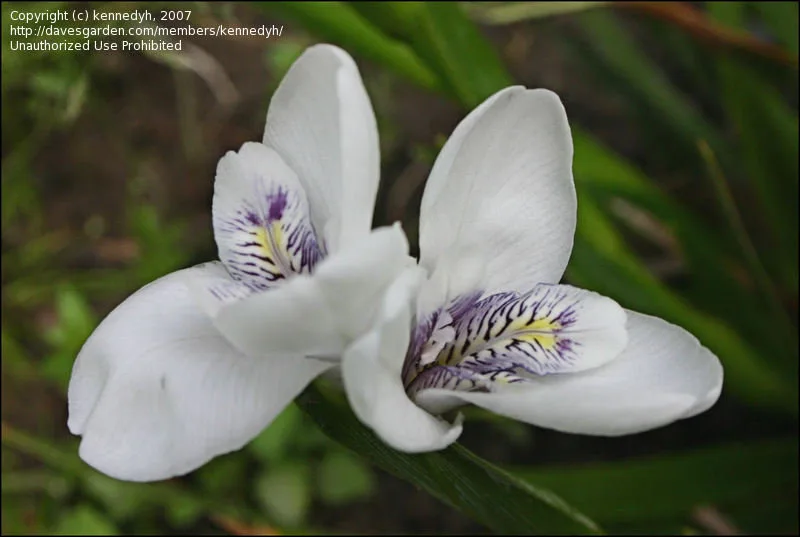
Distribution of western flag iris
Distribution map
- Native
- Introduced
- Cultivated
Source:WCVP v16 · Royal Botanic Gardens, Kew · CC BY 3.0 · Boundaries:WGSRPD / TDWG
Toxicity
Causes severe discomfort if ingested. Wear gloves and wash hands after handling
western flag iris care guide
- Moderate regular watering, allowing brief slight drying between soakings
- Watering
- Full sun · Partial shade
- Sunlight

Watering
Moderate regular watering, allowing brief slight drying between soakings
Fertilizing
 Fertilizing
Balanced perennial feed every four weeks from spring through summer
Pruning
 Pruning
None required
Propagation
 Propagation
Propagate by seed sown in containers in a cold frame in autumn or spring. Can also be propagated by division in spring
Growing
 Growing
Grow in a sunny position in humus-rich, moist, neutral to acid soil. Partial shade is suitable when planted in a hot site
Common pests and diseases
Diseases
Generally trouble free
Pests
Generally trouble free
Explore the plant health library →




