
greater cuckoo flower
Also known as: broad-leaved cuckoo flower
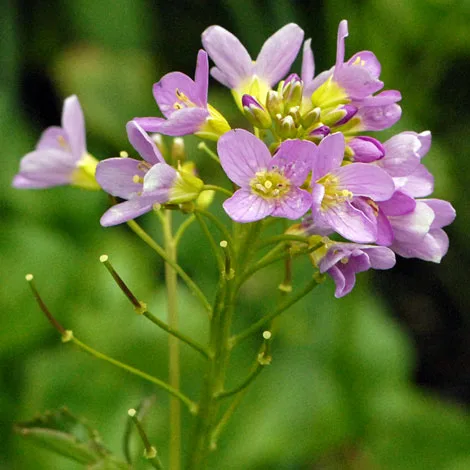
A spreading hardy perennial which grows from thick roots (rhizomes). In early summer it produces clusters of lilac-pink, or white four-petalled flowers on thin stems above a carpet of dark-green pinnate leaves.
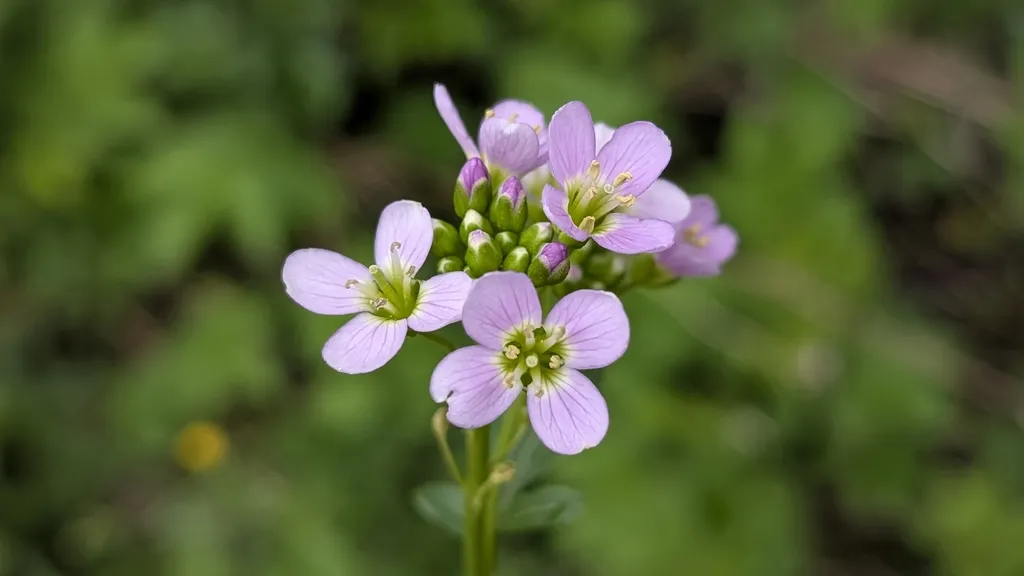
Scientific classification
- Species
- greater cuckoo flower (Cardamine raphanifolia)
- Genus
- Cardamine
- Family
- Brassicaceae
- Information to be completed
- Toxicity
- Herbaceous Perennial
- Plant type
- 0.1-0.5 metres
- Height
- 0.5-1 metres
- Spread
- Deciduous
- Foliage
- Clump forming
- Habit
- Spring · Summer
- Season of interest
- Full sun · Partial shade
- Sunlight
- Information to be completed
- Ideal temperature









greater cuckoo flower pictures

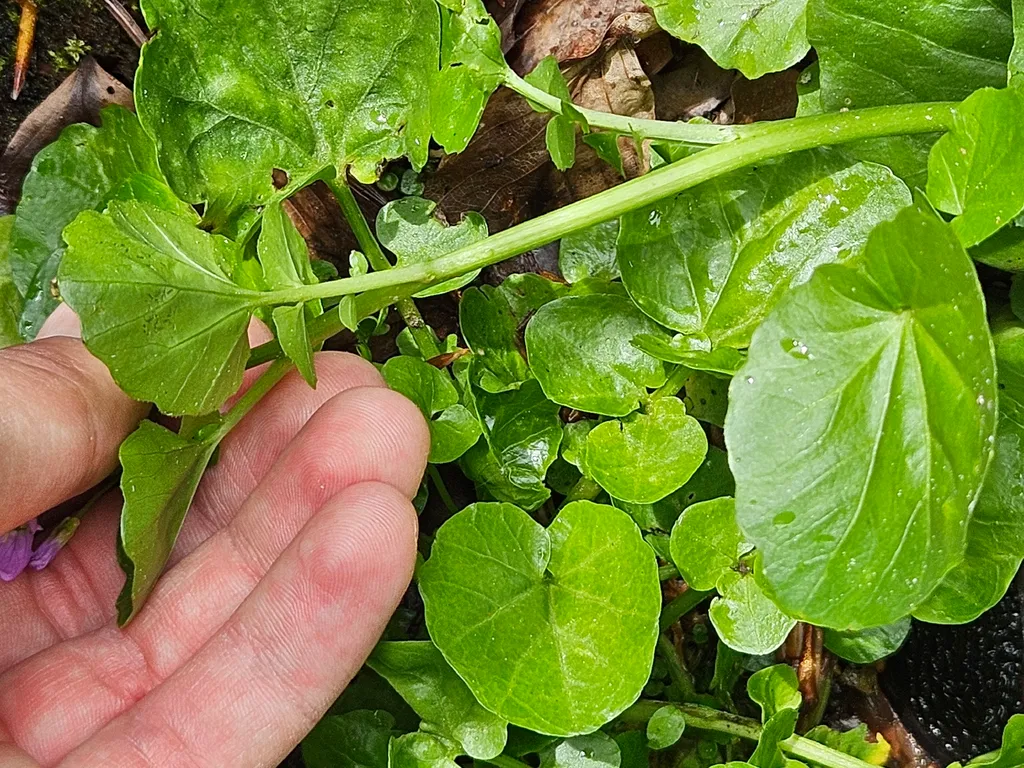
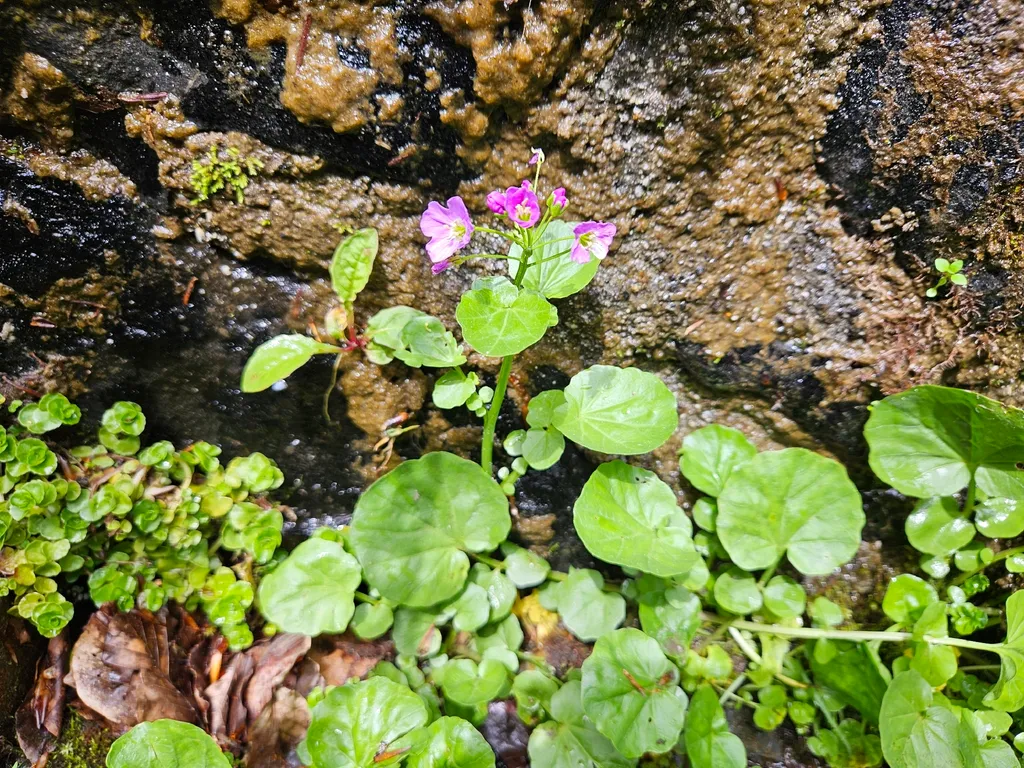
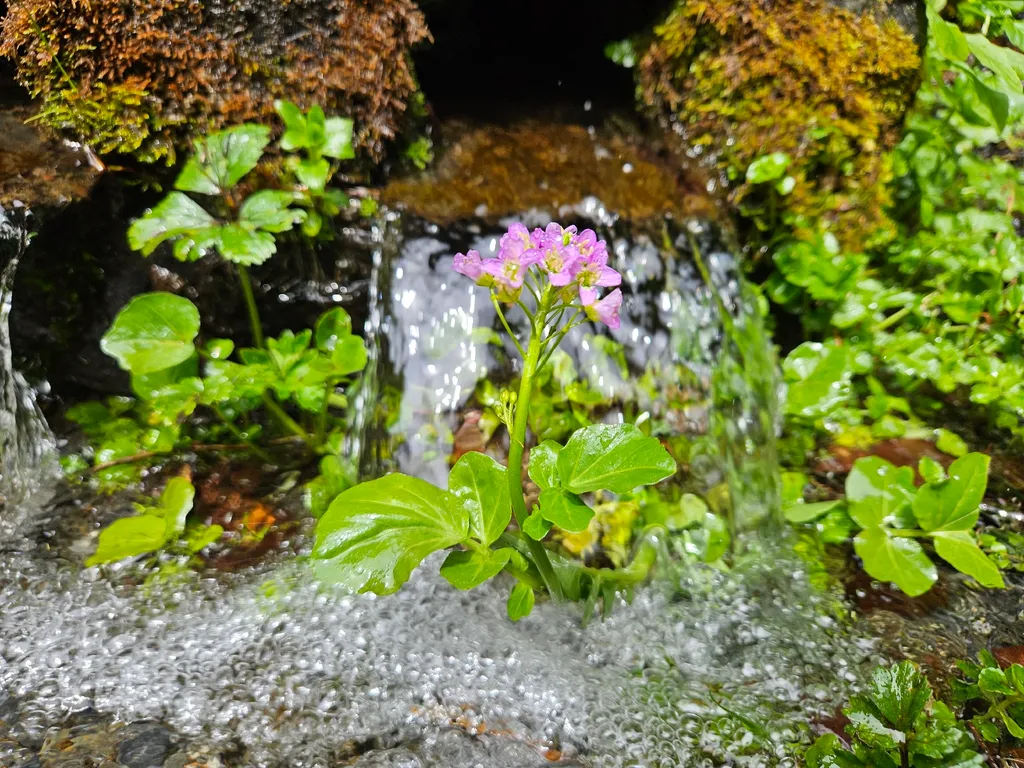
Distribution of greater cuckoo flower
Distribution map
Southern Europe (mts)
Information to be completed
Culture
Information to be completed
Toxicity
Information to be completed
Quick identification of greater cuckoo flower
Information to be completed
greater cuckoo flower care guide
- Constant soft damp soil, partial drying allowed after flowering
- Watering
- Full sun · Partial shade
- Sunlight
- Information to be completed
- Ideal temperature

Watering
Constant soft damp soil, partial drying allowed after flowering
Fertilizing
 Fertilizing
All-purpose mild feed monthly through spring growth phase
Pruning
 Pruning
No pruning required
Propagation
 Propagation
Readily spreads via rhizomes and by self-seeding. Alternatively, collect seed to sow in autumn or spring in a cold-frame or sheltered place outdoors. Mature plants can be divided after flowering.
Growing
 Growing
Grow on soils rich in organic matter that retain moisture. Sun or part-shade.
People also ask
Information to be completed
Common pests and diseases
Diseases
Generally disease-free
Pests
May be susceptible to flea beetles and aphids.
Explore the plant health library →




