
hairy columnea
Also known as: Information to be completed
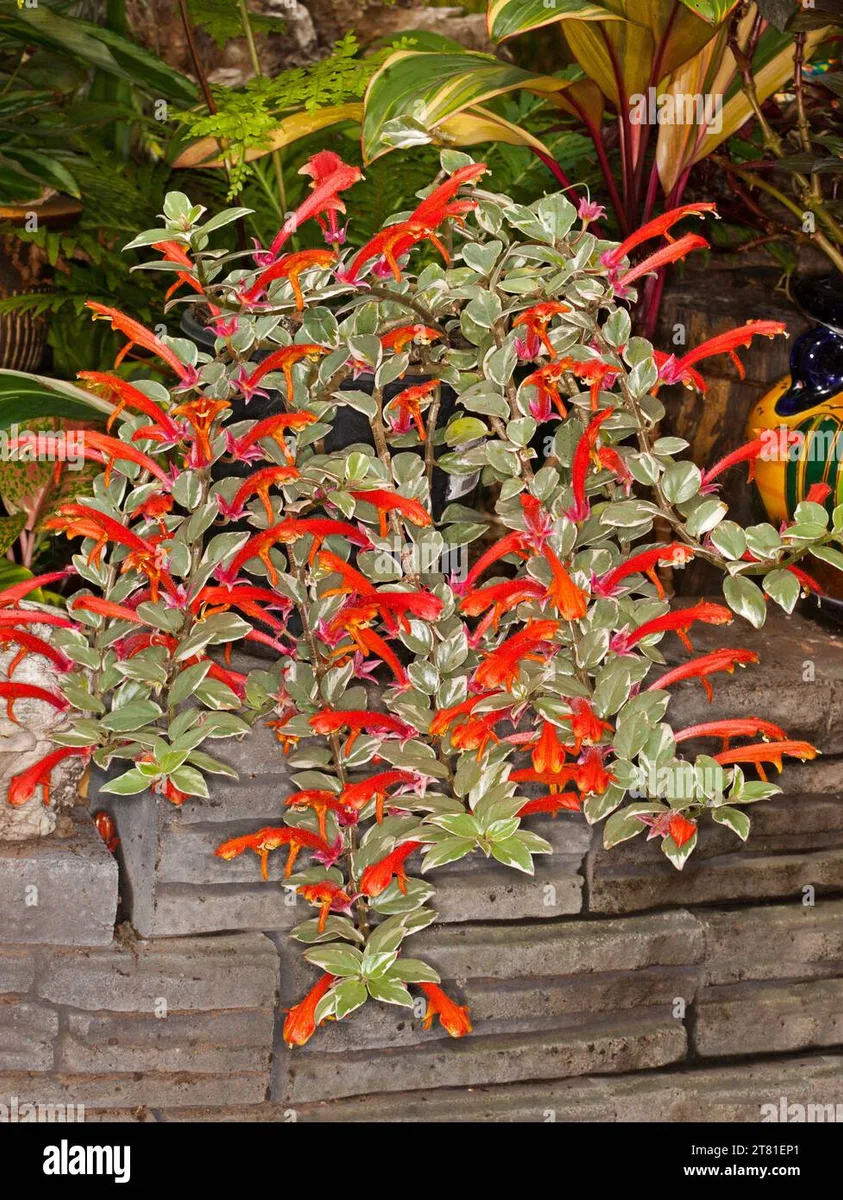
A trailing subshrub with hairy stems and densely hairy leaves to 4cm long. The 7cm long, tubular, orange-red flowers are produced in summer. A good houseplant for a hanging basket or top of a shelf, where it can trail down
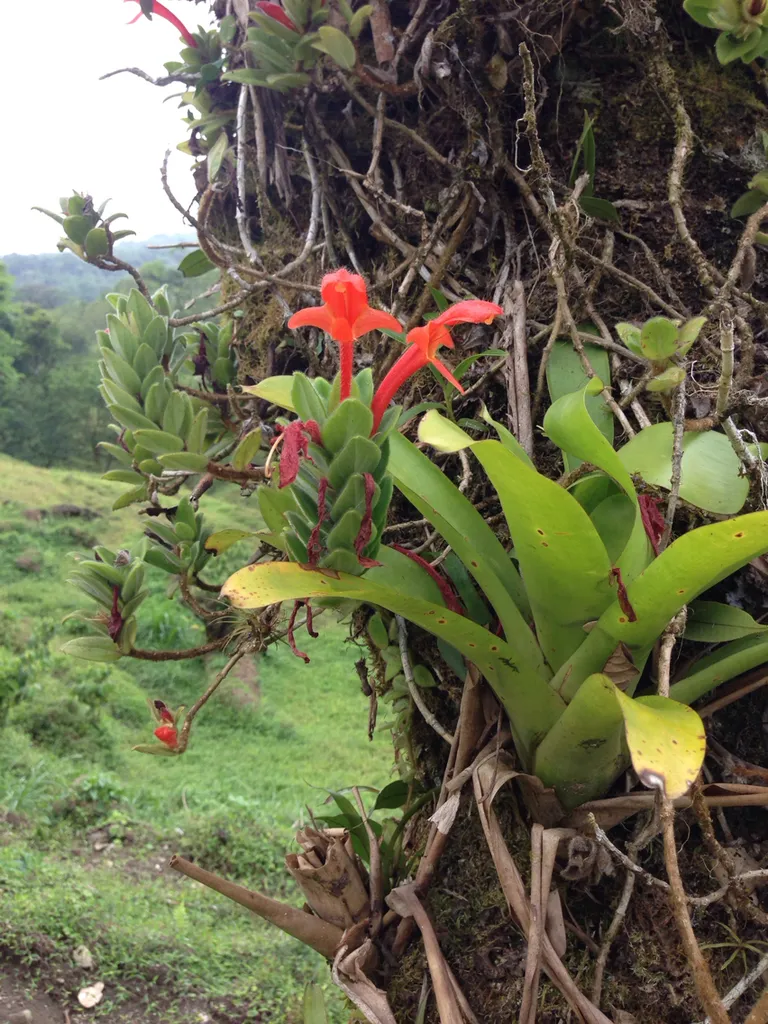
Scientific classification
- Species
- hairy columnea (Columnea hirta)
- Genus
- Columnea
- Family
- Gesneriaceae
- Order
- Lamiales
- Class
- Magnoliopsida
- Phylum
- Tracheophyta
- Information to be completed
- Toxicity
- Houseplants
- Plant type
- 0.5-1 metres
- Height
- 0.1-0.5 metres
- Spread
- Evergreen
- Foliage
- Trailing
- Habit
- Spring · Summer · Autumn · Winter
- Season of interest
- Partial shade
- Sunlight
- Information to be completed
- Ideal temperature









hairy columnea pictures
Distribution of hairy columnea
Distribution map
- Native
- Introduced
- Cultivated
Source:WCVP v16 · Royal Botanic Gardens, Kew · CC BY 3.0 · Boundaries:WGSRPD / TDWG
hairy columnea care guide
- Moderate regular watering, avoid prolonged drought or waterlogging
- Watering
- Partial shade
- Sunlight

Watering
Moderate regular watering, avoid prolonged drought or waterlogging
Fertilizing
 Fertilizing
Balanced feed in spring and light repeat in growth season
Pruning
 Pruning
Routine pruning is unnecessary; shorten overlong shoots to fit the available space. For last-year flowering growth, prune after flowering; for current-year flowering growth, prune in late winter or spring. This guidance is for established plants.
Propagation
 Propagation
Propagate by softwood cuttings
Growing
 Growing
Grow in pots or hanging baskets of open, humus-rich compost in bright filtered or indirect light. Mist regularly with tepid soft water to maintain high humidity. When in growth water freely but carefully with soft water and apply a quarter-strength, high potash liquid fertiliser at each watering. Water sparingly in winter. To maintain vigour, propagate every 2-3 years
Common pests and diseases
Diseases
May be susceptible to root and stem rots if overwatered
Pests
May be susceptible to mealybugs, cyclamen mites and aphids
Explore the plant health library →




