
ear-leaved tickseed
Also known as: Information to be completed
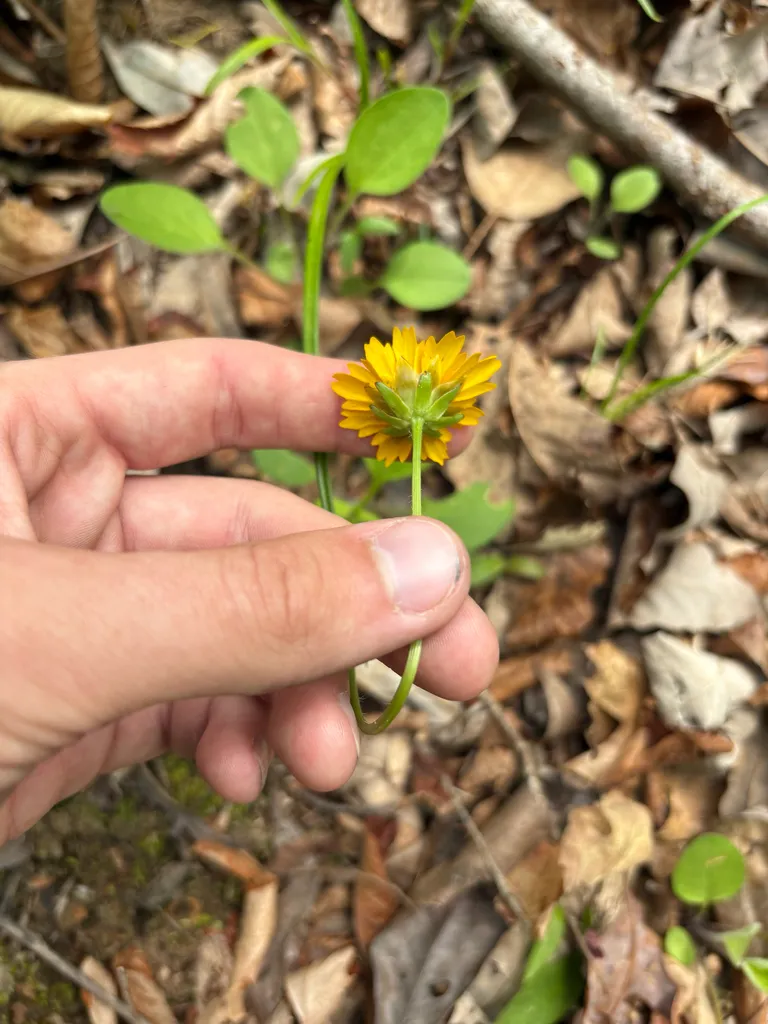
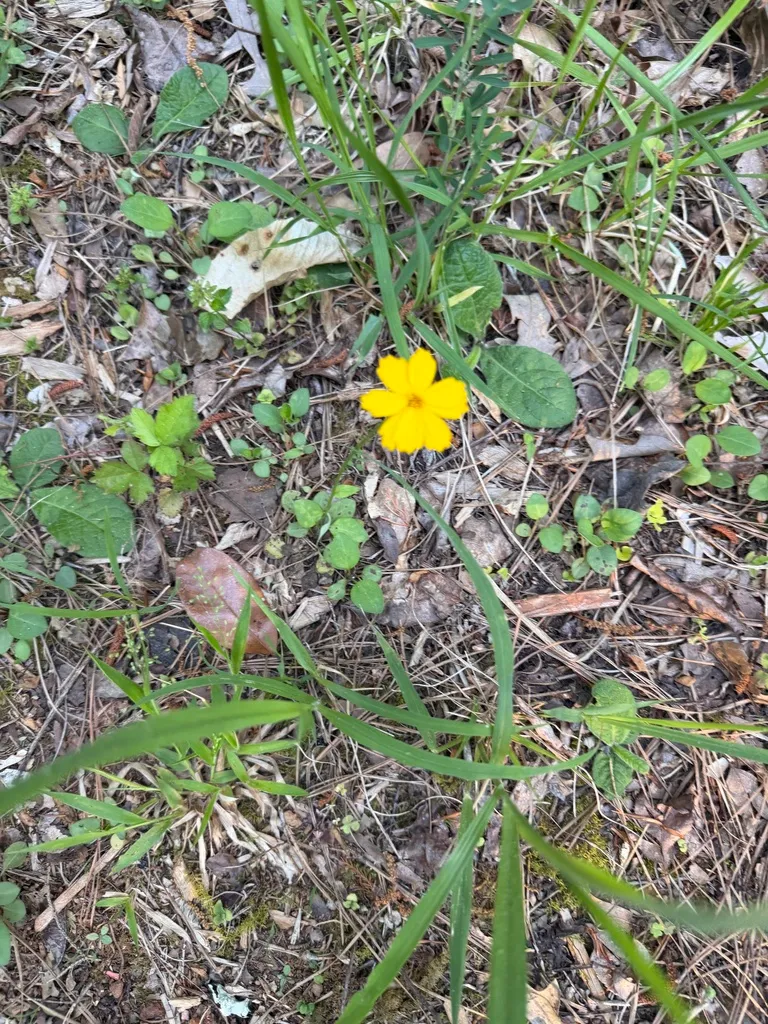
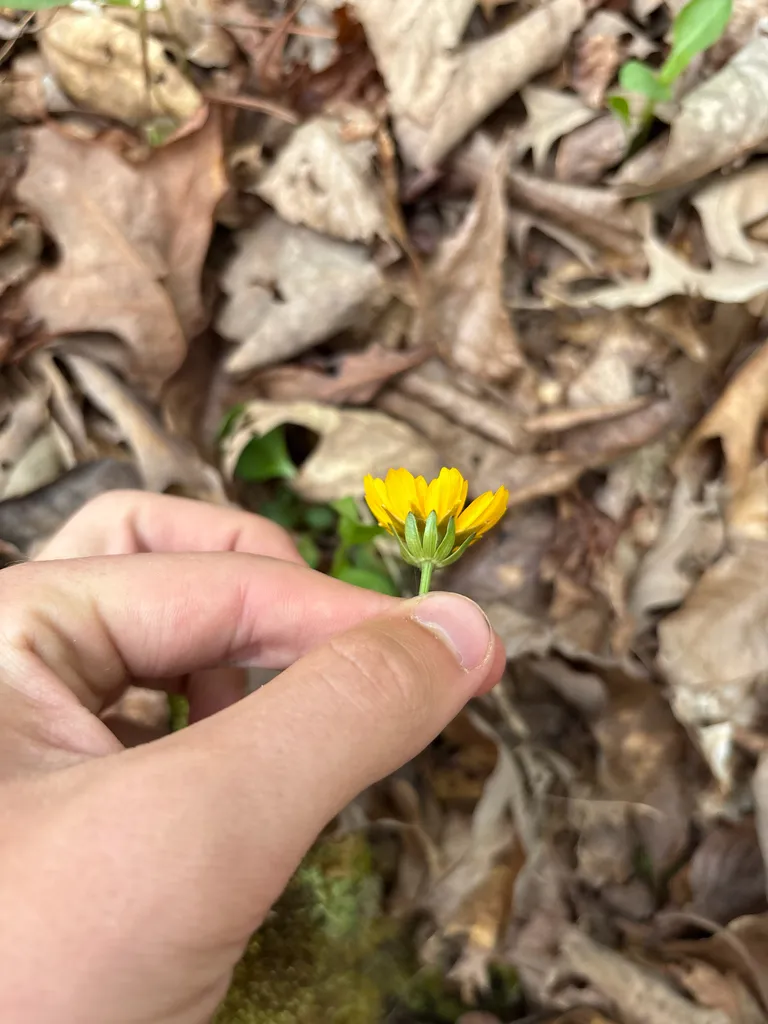
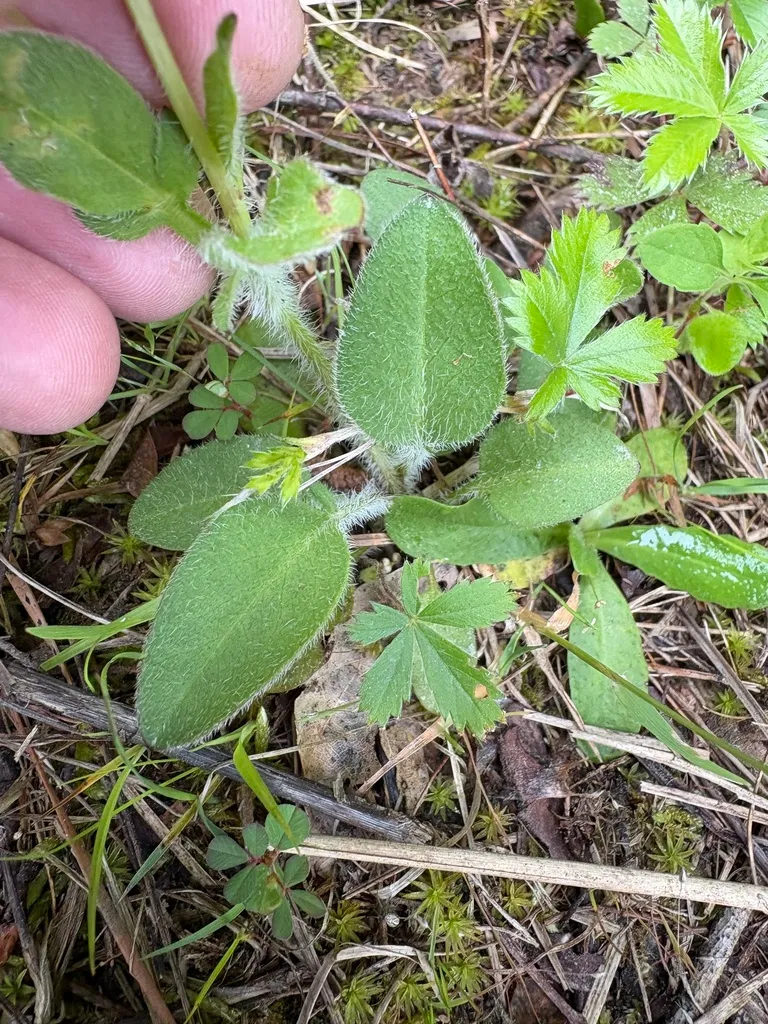
A bushy, upright perennial, up to around 80cm high, with oval-shaped green leaves, often with two smaller lobes near the base. Bright yellow, daisy-like flowers, around 5cm across and with toothed edges to the petals, are borne on tall, slender stems from late spring into early summer. Plants spread by stolons to form clumps over time
Scientific classification
- Species
- ear-leaved tickseed (Coreopsis auriculata)
- Genus
- Coreopsis
- Family
- Asteraceae
- Information to be completed
- Toxicity
- Herbaceous Perennial
- Plant type
- 0.5-1 metres
- Height
- 0.5-1 metres
- Spread
- Deciduous
- Foliage
- Bushy · Clump forming
- Habit
- Spring · Summer · Autumn
- Season of interest
- Full sun · Partial shade
- Sunlight
- Information to be completed
- Ideal temperature









ear-leaved tickseed pictures
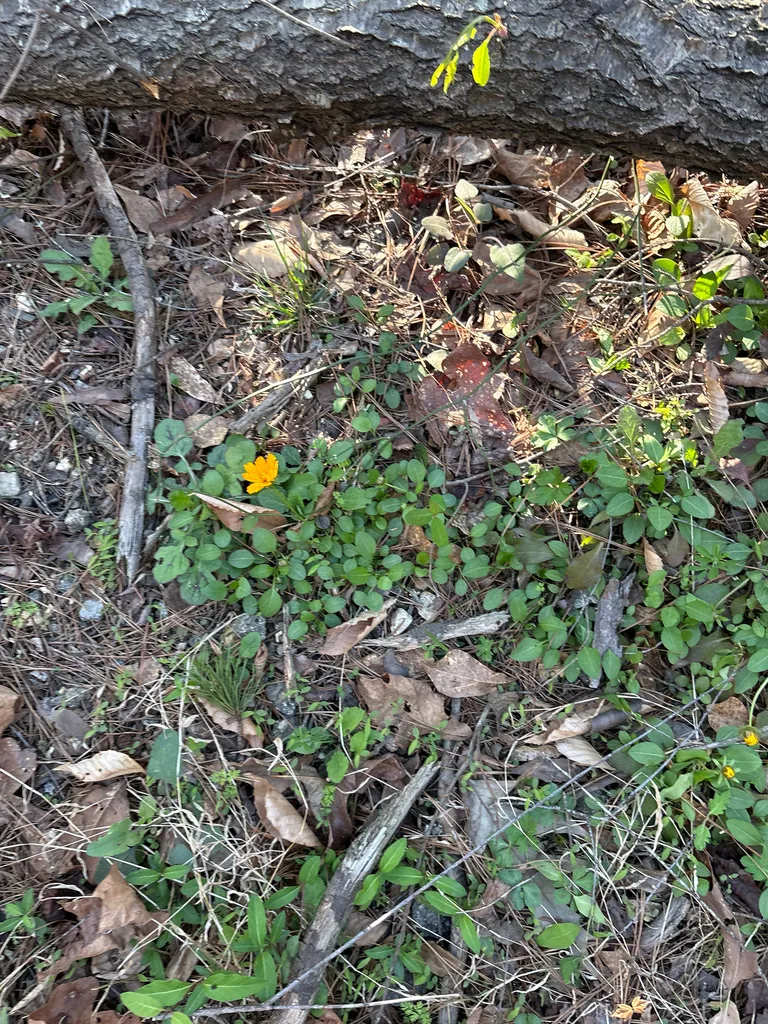
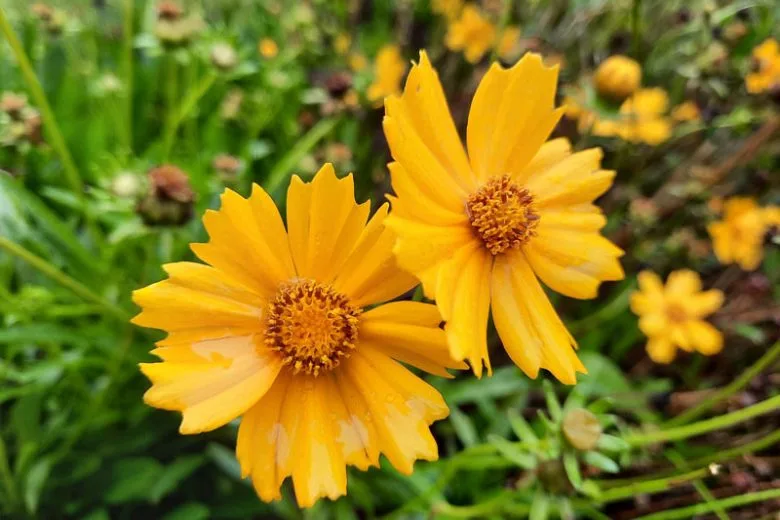
Distribution of ear-leaved tickseed
Distribution map
Information to be completed
Information to be completed
Culture
Information to be completed
Toxicity
Information to be completed
Quick identification of ear-leaved tickseed
Information to be completed
ear-leaved tickseed care guide
- Moderate regular watering, allow slight drying between waterings
- Watering
- Full sun · Partial shade
- Sunlight
- Information to be completed
- Ideal temperature

Watering
Moderate regular watering, allow slight drying between waterings
Fertilizing
 Fertilizing
Light balanced feed in spring and during bloom
Pruning
 Pruning
Deadhead to promote further flowering
Propagation
 Propagation
Propagate by seed, under cover in late winter or in situ in spring, or by division or basal root cuttings in spring
Growing
 Growing
Thrives in fertile, moist but well-drained soil in full sun, but will tolerate some light shade
People also ask
Information to be completed
Common pests and diseases
Diseases
Generally disease-free
Pests
May be susceptible to slugs and snails
Explore the plant health library →




