
cranberry
Also known as: bog berry; cornberries; crone berry; European cranberry; fen berry; fen grapes; marshberries; moorberries; mossberries; small cranberry; crauberry; monox heather
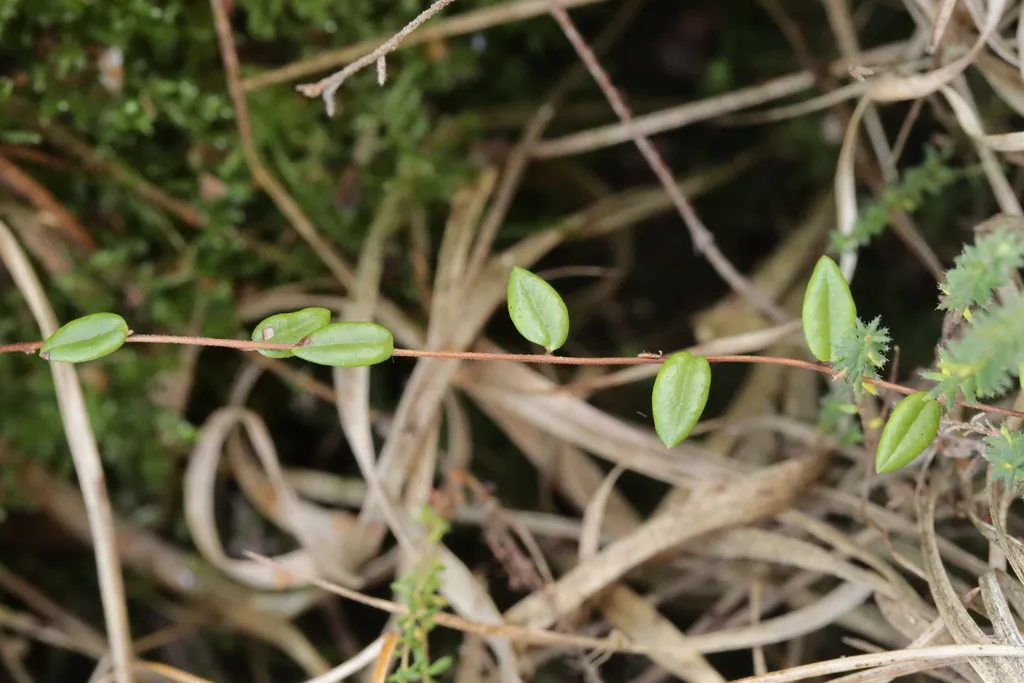
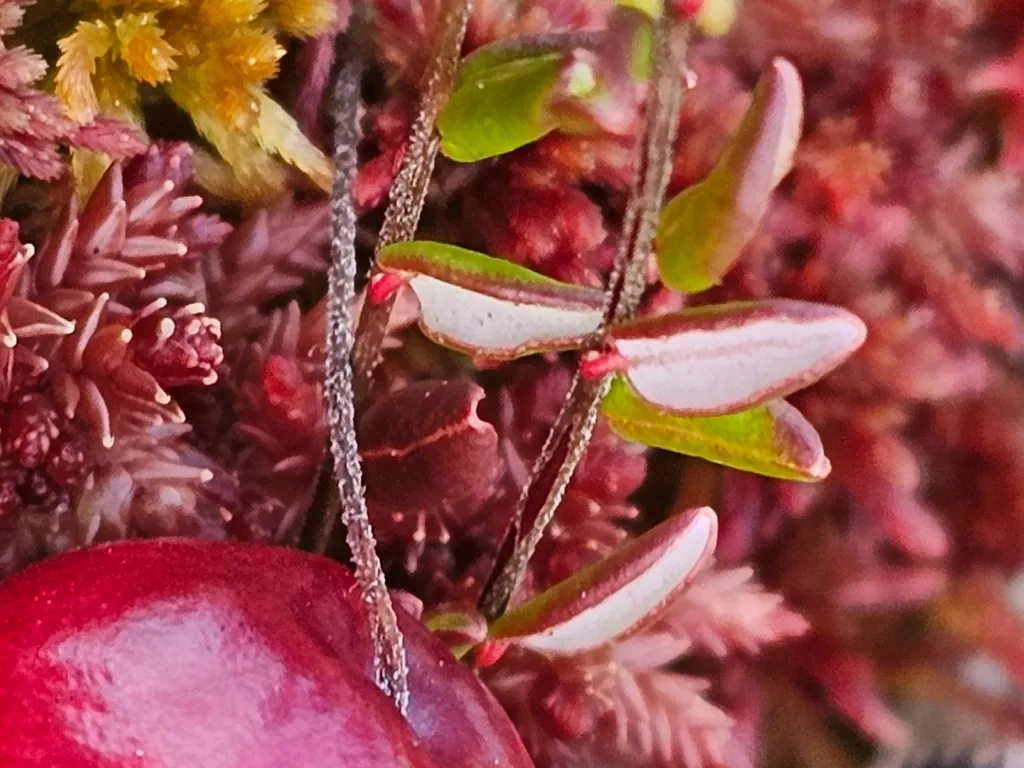
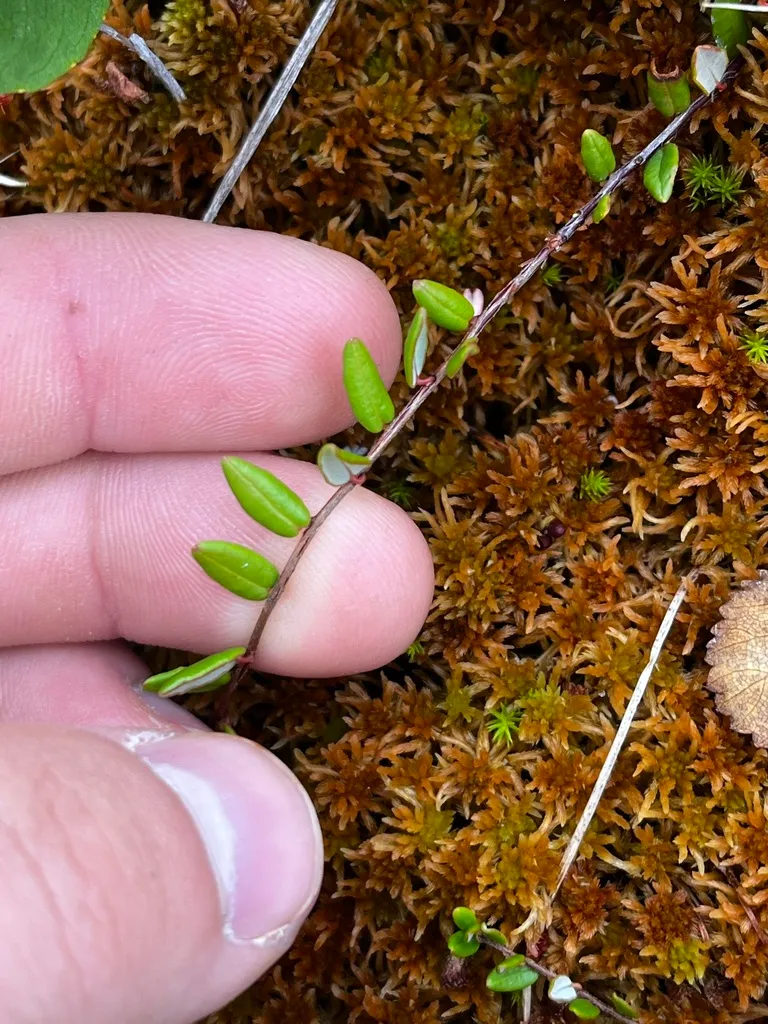
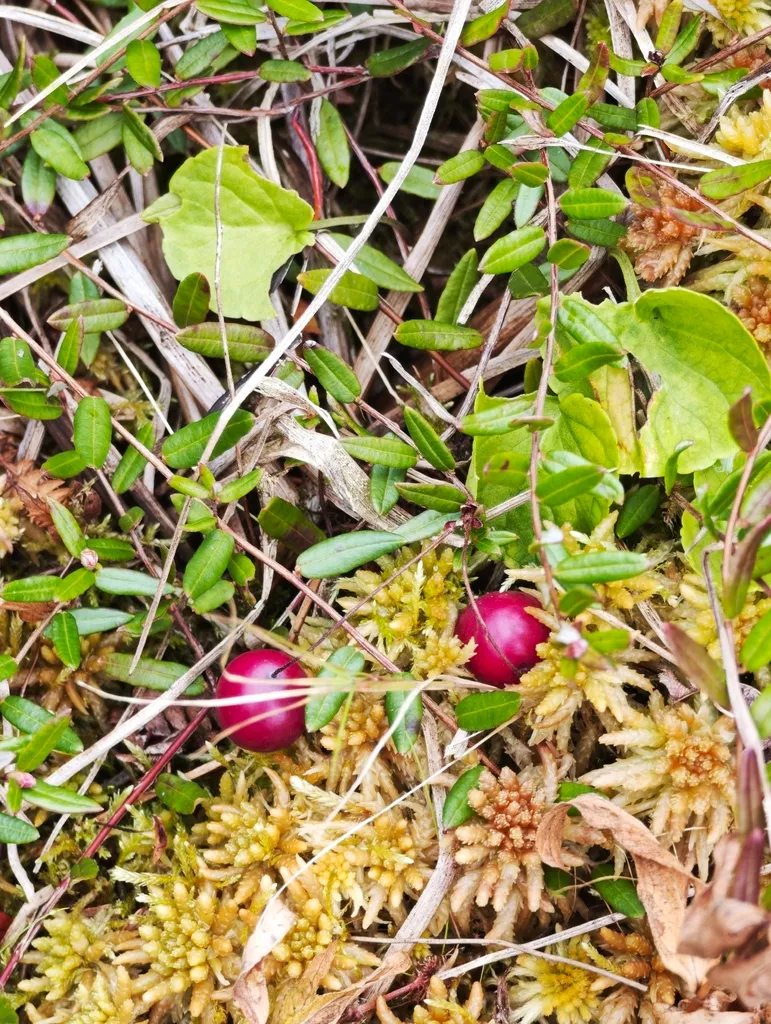
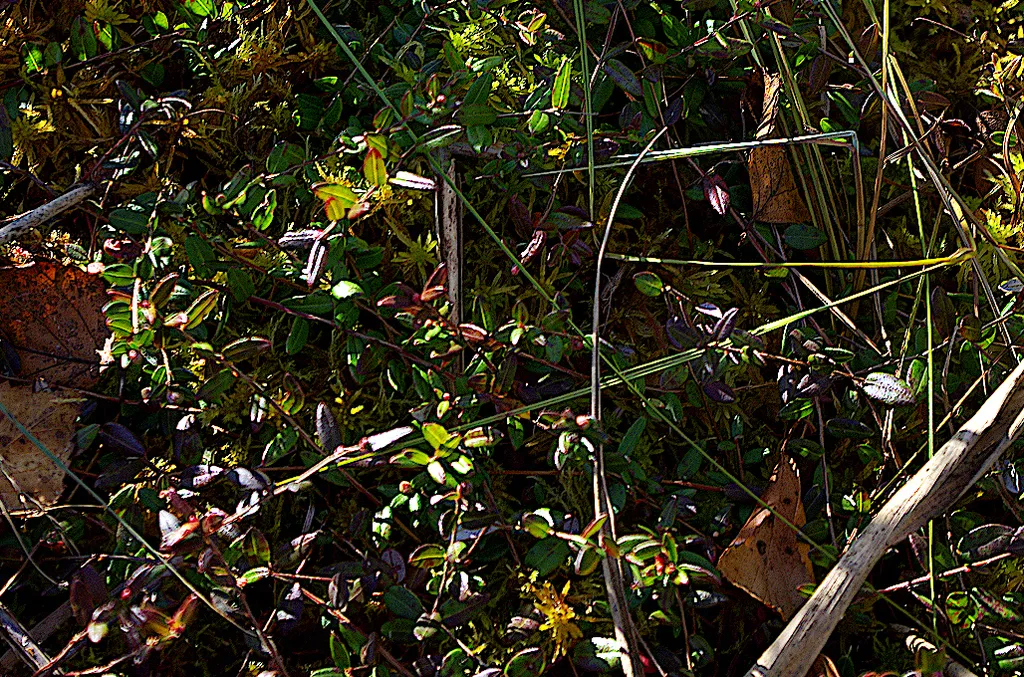
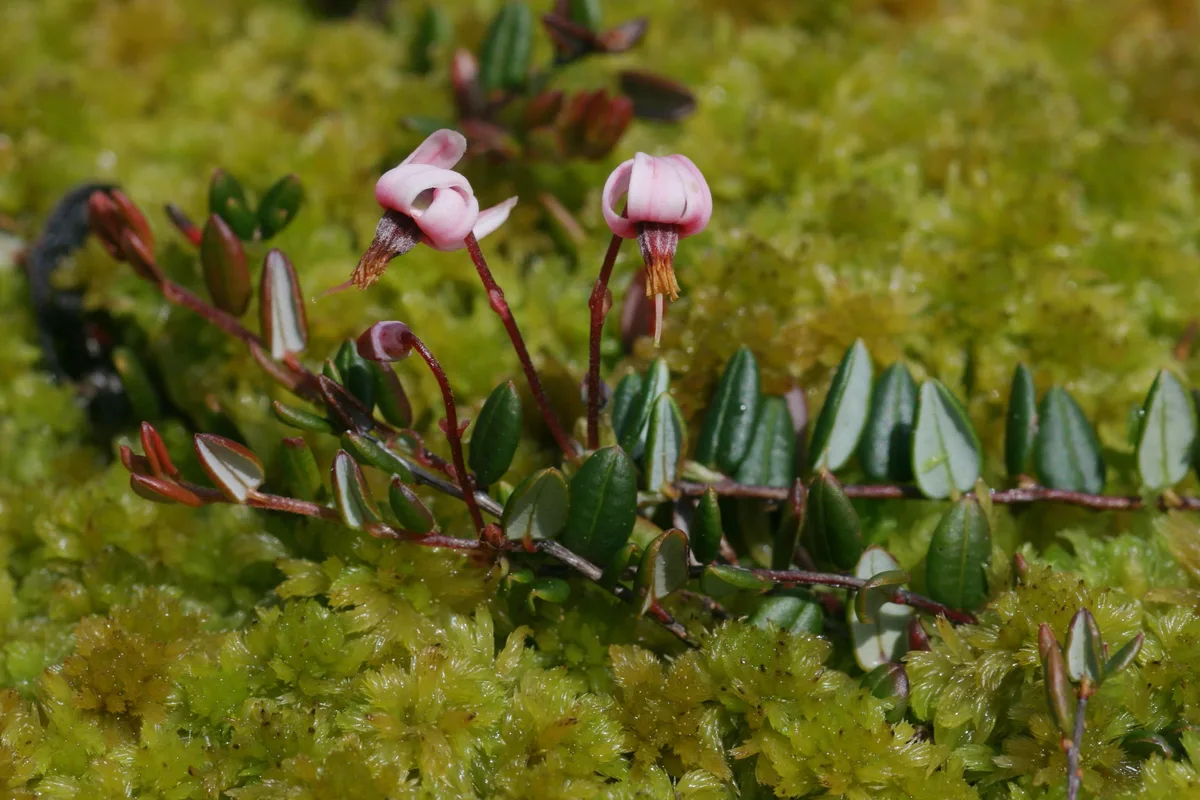
A creeping, evergreen, small cranberry found in wetlands growing over Sphagnum moss. It has small, dark green foliage and produces pale rose-pink flowers between May and August which are followed by red, occasionally off-white, fruits in late summer and autumn
Scientific classification
- Species
- cranberry (Vaccinium oxycoccos)
- Genus
- Vaccinium
- Family
- Ericaceae
- Order
- Ericales
- Class
- Magnoliopsida
- Phylum
- Magnoliophyta
- Information to be completed
- Toxicity
- Fruit Edible · Shrubs
- Plant type
- 0.1-0.5 metres
- Height
- 0.1-0.5 metres
- Spread
- Evergreen
- Foliage
- Information to be completed
- Habit
- Spring · Summer · Autumn · Winter
- Season of interest
- Full sun · Partial shade
- Sunlight
- Information to be completed
- Ideal temperature









cranberry pictures
Distribution of cranberry
Distribution map
- Native
- Introduced
- Cultivated
Source:WCVP v16 · Royal Botanic Gardens, Kew · CC BY 3.0 · Boundaries:WGSRPD / TDWG
cranberry care guide
- Moderate regular watering, allowing brief slight drying between soakings
- Watering
- Full sun · Partial shade
- Sunlight

Watering
Moderate regular watering, allowing brief slight drying between soakings
Fertilizing
 Fertilizing
Balanced perennial feed every four weeks from spring through summer
Pruning
 Pruning
Prune after harvesting to stimulate the production of vigorous uprights that will bear more fruit. Remove deadwood. See blueberry pruning
Propagation
 Propagation
Propagate by taking softwood cuttings in late spring or semi-ripe cuttings in early summer
Growing
 Growing
Grow in full sun to partial shade in moist but well drained acidic soil. Suited to boggy conditions, keep moist all year. See blueberry cultivation
Common pests and diseases
Diseases
May be susceptible to honey fungus (rarely), powdery mildews, root rot and chlorosis due to iron and manganese deficiency; see nutrient deficiencies
Pests
May be susceptible to caterpillars
Explore the plant health library →




