
cosmea
Also known as: Mexican aster; purple Mexican aster; Spanish needles
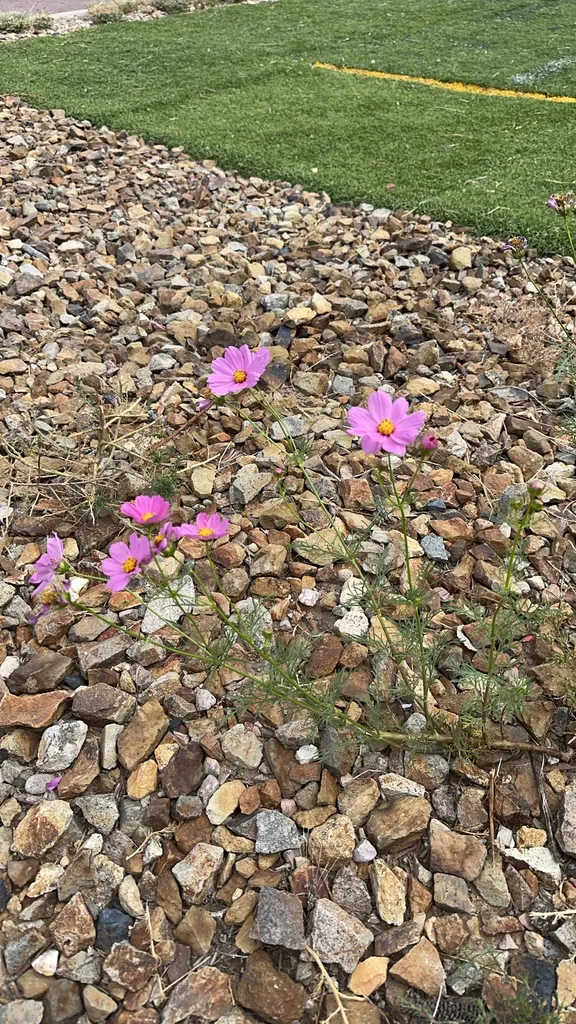
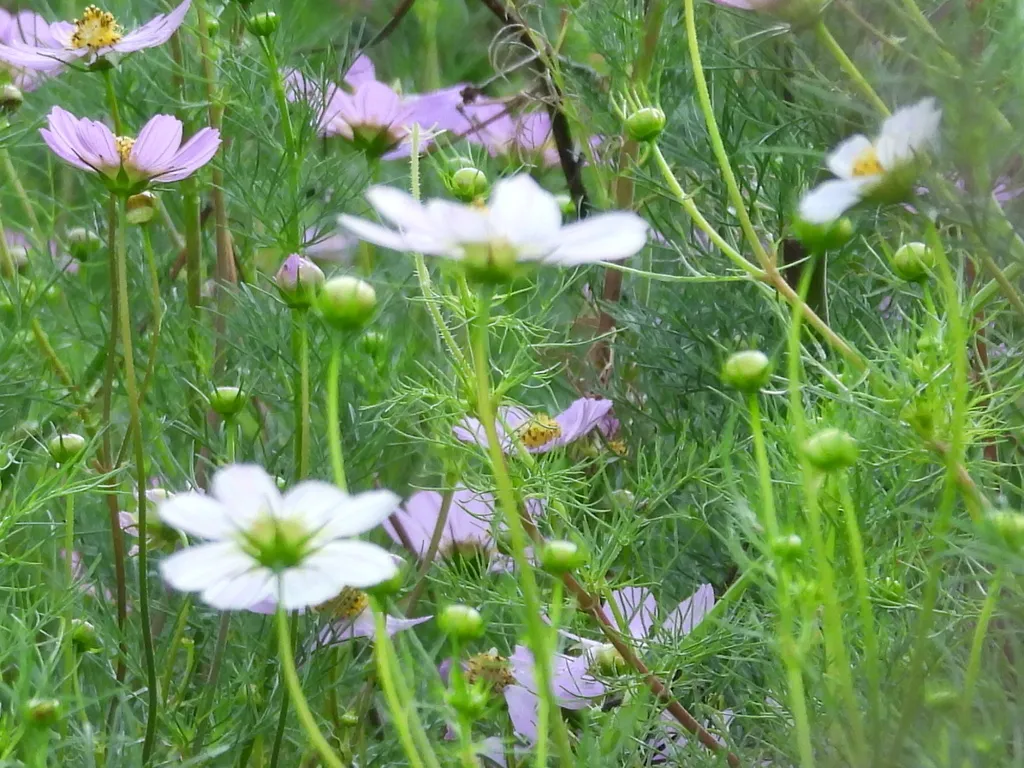
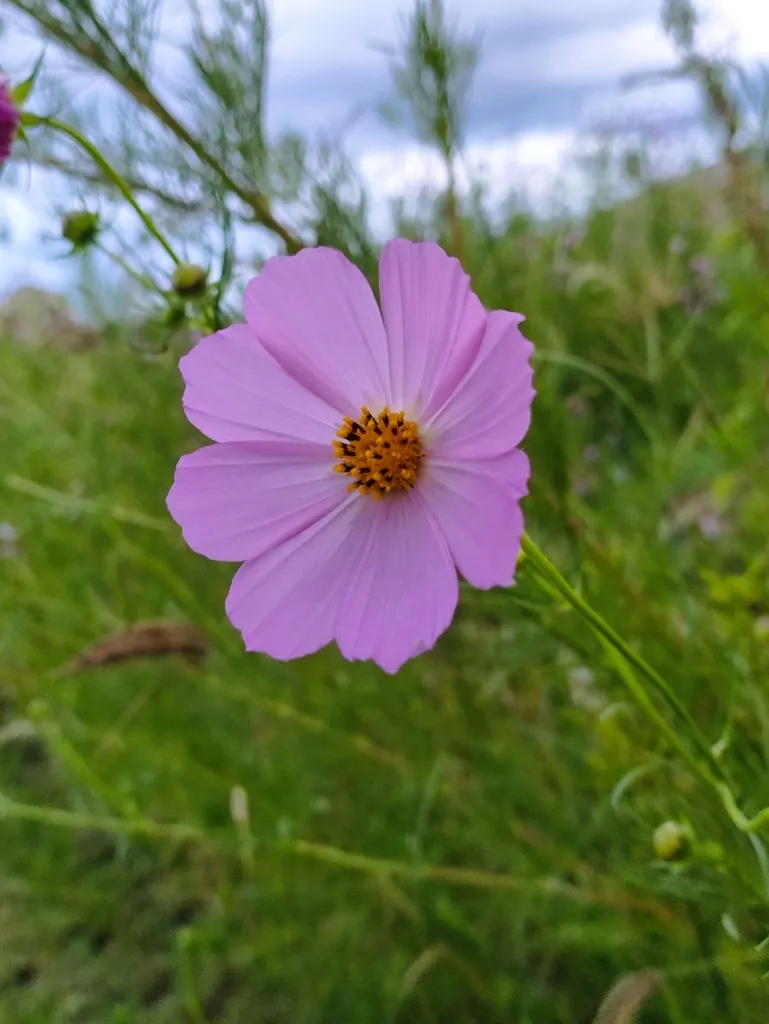
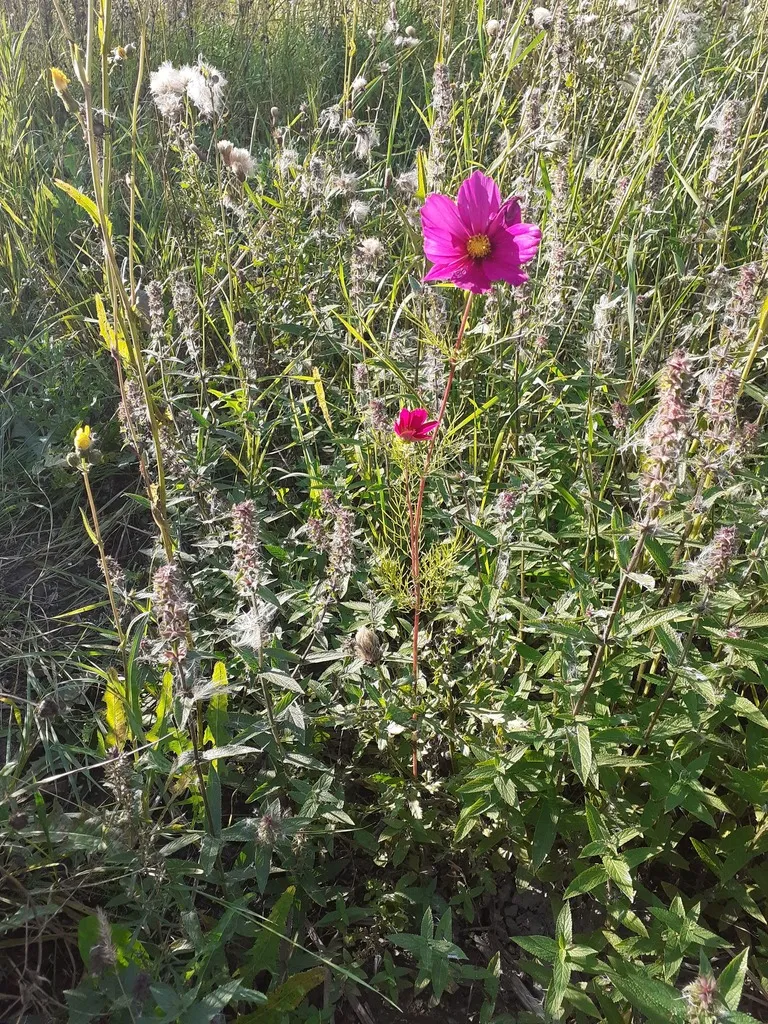
A tall, bushy annual to 2.5m, with very finely divided, mid-green leaves, and large flowers to 8cm across, usually white or pink the wide outer rays surround a central disc of tightly clustered, usually yellow, inner disc florets. Flowering late summer and into autumn, until frost occurs. Many named cultivars and selections are available, including doubles, forms with tubular rays, and picotee colours
Scientific classification
- Species
- cosmea (Cosmos bipinnatus)
- Genus
- Cosmos
- Family
- Asteraceae
- Order
- Asterales
- Class
- Magnoliopsida
- Phylum
- Tracheophyta
- Information to be completed
- Toxicity
- Annual Biennial
- Plant type
- 1.5-2.5 metres
- Height
- 0.1-0.5 metres
- Spread
- Deciduous
- Foliage
- Columnar upright
- Habit
- Summer · Autumn
- Season of interest
- Full sun
- Sunlight
- Information to be completed
- Ideal temperature









cosmea pictures
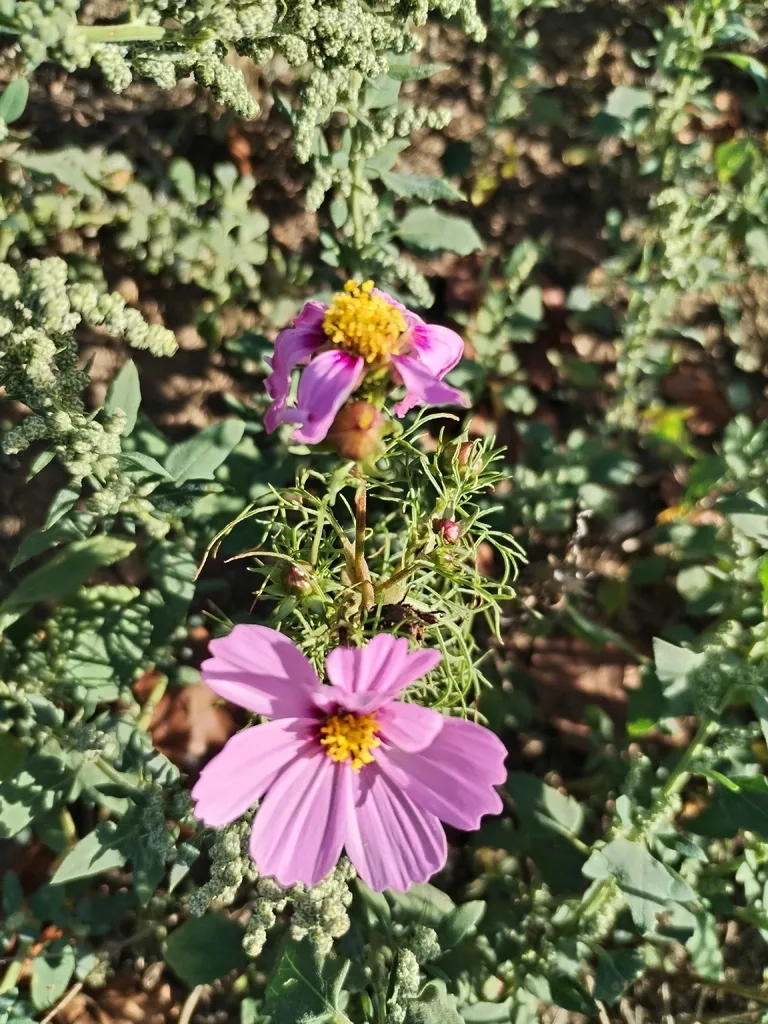
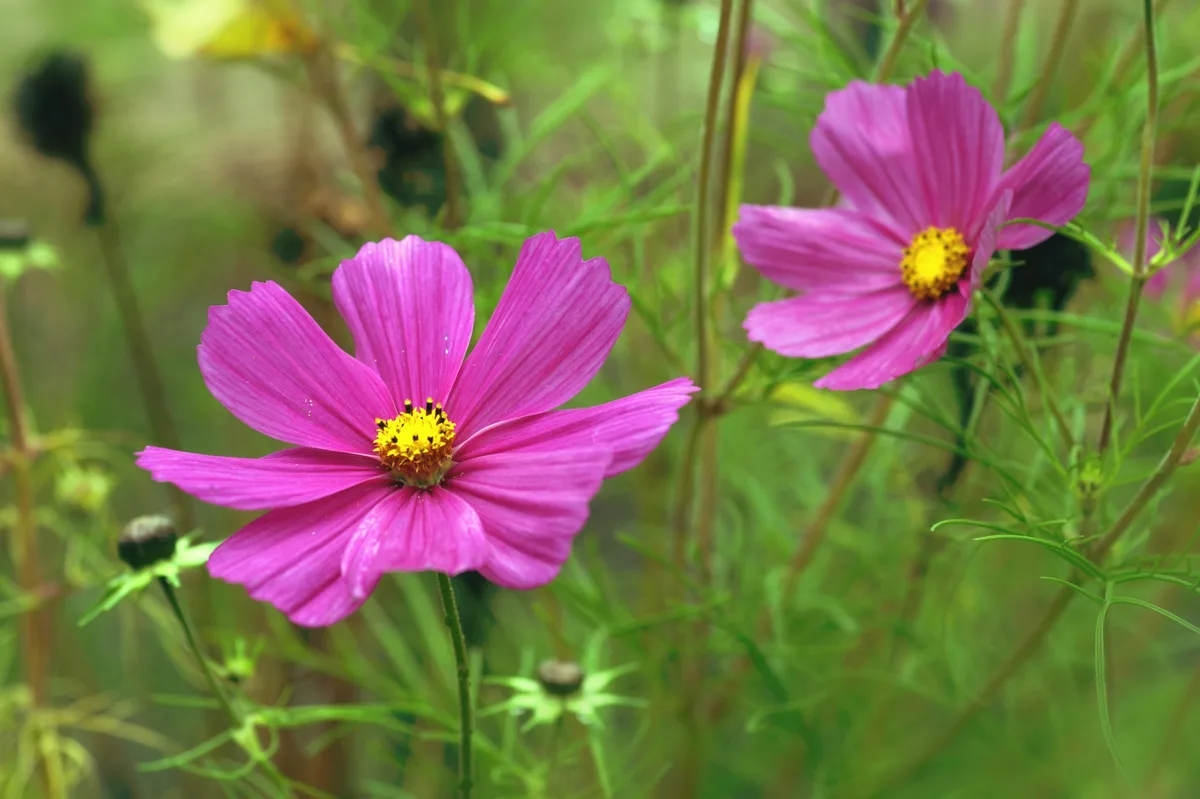
Distribution of cosmea
Distribution map
- Native
- Introduced
- Cultivated
Source:WCVP v16 · Royal Botanic Gardens, Kew · CC BY 3.0 · Boundaries:WGSRPD / TDWG
cosmea care guide
- Moderate regular watering, avoid prolonged drought and stagnant waterlogging
- Watering
- Full sun
- Sunlight

Watering
Moderate regular watering, avoid prolonged drought and stagnant waterlogging
Fertilizing
 Fertilizing
Balanced perennial feed every four weeks spring through summer growth
Pruning
 Pruning
Deadhead to prolong the flowering season
Propagation
 Propagation
See sowing seeds indoors
Growing
 Growing
Grow in moderately fertile, moist, but well-drained soil in full sun. Deadhead flowers to prologue flowering season. Leave a few seedheads to ripen to selfseed if required
Common pests and diseases
Diseases
May be susceptible to grey moulds
Pests
Aphids and slugs may be troublesome
Explore the plant health library →




