
Zea mays var. rugosa 'Minipop'
Also known as: Information to be completed
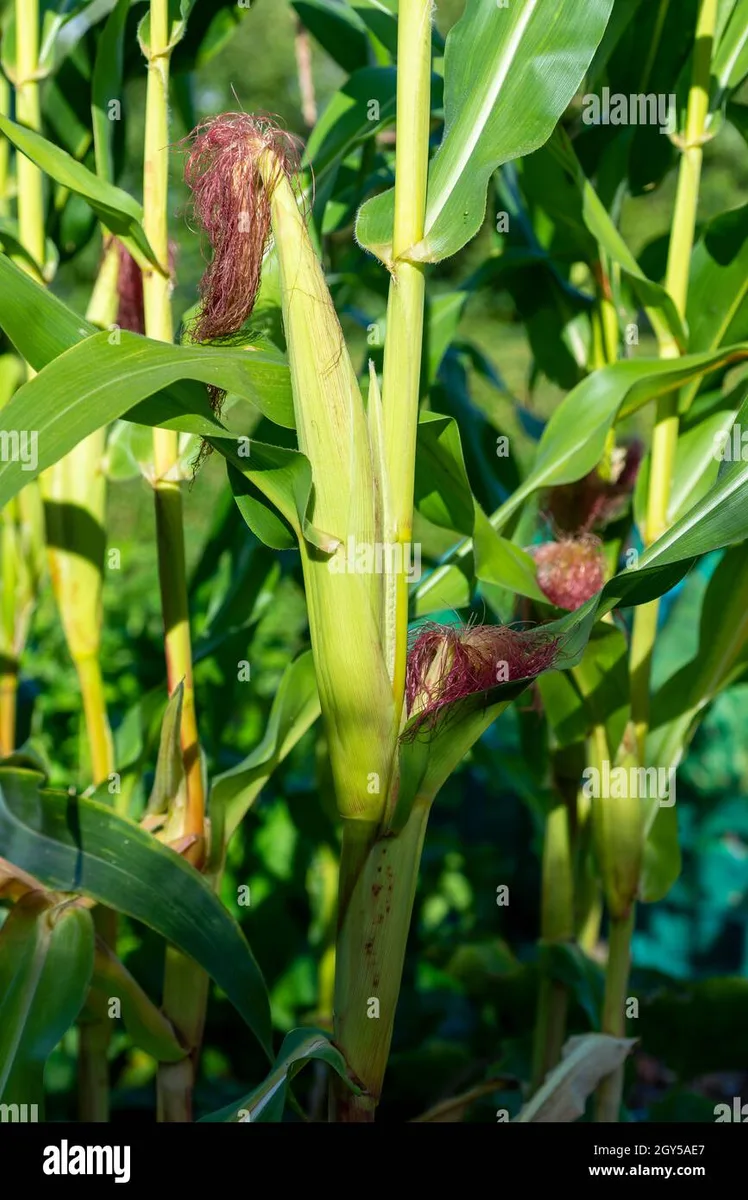
These baby sweetcorn are easy to grow and great for a smaller plot. This variety produces about five sweet, crunchy baby sweetcorn per plant. Harvest them as soon as the silks appear and the tassels darken (about 10cm long) to avoid pollination. Delicious steamed or raw and much better than shop bought! Sow indoors: March to May. Sow / plant outdoors: May to June. Harvest: July to October
Scientific classification
- Species
- Zea mays var. rugosa 'Minipop' (Zea mays var. rugosa 'Minipop')
- Genus
- Zea
- Family
- Poaceae
- Order
- Poales
- Class
- Liliopsida
- Phylum
- Magnoliophyta
- Information to be completed
- Toxicity
- Annual Biennial
- Plant type
- 1.5-2.5 metres
- Height
- 0.5-1 metres
- Spread
- Deciduous
- Foliage
- Columnar upright
- Habit
- Spring · Summer
- Season of interest
- Full sun
- Sunlight
- Information to be completed
- Ideal temperature









Zea mays var. rugosa 'Minipop' pictures
Distribution of Zea mays var. rugosa 'Minipop'
Distribution map
- Native
- Introduced
- Cultivated
Source:WCVP v16 · Royal Botanic Gardens, Kew · CC BY 3.0 · Boundaries:WGSRPD / TDWG
Zea mays var. rugosa 'Minipop' care guide
- Moderate regular watering, avoid prolonged drought and stagnant waterlogging
- Watering
- Full sun
- Sunlight

Watering
Moderate regular watering, avoid prolonged drought and stagnant waterlogging
Fertilizing
 Fertilizing
Balanced perennial feed every four weeks spring through summer growth
Pruning
 Pruning
No pruning required.
Propagation
 Propagation
Sow seeds undercover from March to May in pots or modules and then plant out May - June after hardening off and the last frosts have passed. Alternatively sow 'in situ' from late spring to early summer. Always plant in a grid pattern to ensure pollination. See sowing vegetable seeds
Growing
 Growing
Grow in a sunny, sheltered spot in soil that has been enriched with well-rotted organic matter. Sweetcorn can tolerate many soil types but prefers well-drained soils with a pH between 5.5 and 7.0. Harvest from July to October. See sweetcorn cultivation for futher information.
Common pests and diseases
Diseases
May be susceptible to smuts which appear as large galls on the cobs and stalks in hot weather.
Pests
May be susceptible to damage from birds, slugs, mice and badgers.
Explore the plant health library →




