
Cordyline australis 'Atlantic Green'
Also known as: Information to be completed
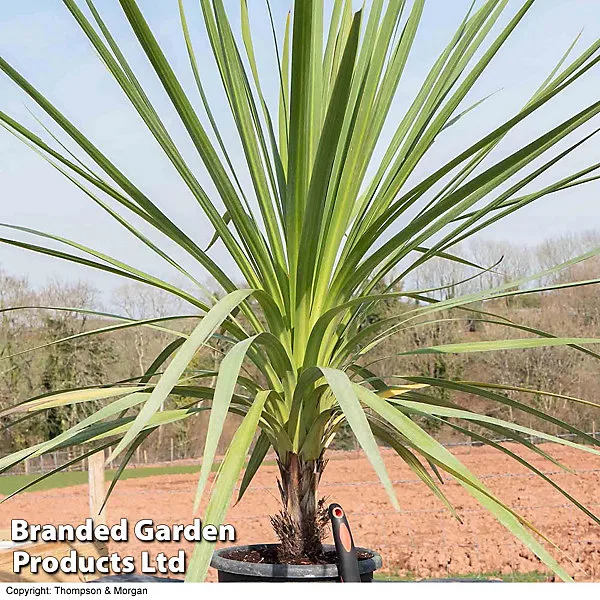
A palm-like shrub or small tree with bright green to greyish-green, arching leaves. Mature plants may produce scented, white flowers in rounded clusters followed by berries
Scientific classification
- Species
- Cordyline australis 'Atlantic Green' (Cordyline australis 'Atlantic Green')
- Genus
- Cordyline
- Family
- Asparagaceae
- Order
- Asparagales
- Class
- Liliopsida
- Phylum
- Tracheophyta
- Information to be completed
- Toxicity
- Palms · Shrubs · Trees
- Plant type
- 2.5-4 metres
- Height
- 1-1.5 metres
- Spread
- Evergreen
- Foliage
- Bushy · Columnar upright
- Habit
- Spring · Summer · Autumn · Winter
- Season of interest
- Full sun · Partial shade
- Sunlight
- Information to be completed
- Ideal temperature









Cordyline australis 'Atlantic Green' pictures
Distribution of Cordyline australis 'Atlantic Green'
Distribution map
- Native
- Introduced
- Cultivated
Source:WCVP v16 · Royal Botanic Gardens, Kew · CC BY 3.0 · Boundaries:WGSRPD / TDWG
Cordyline australis 'Atlantic Green' care guide
- Water when upper soil begins to dry, avoid soggy roots
- Watering
- Full sun · Partial shade
- Sunlight

Watering
Water when upper soil begins to dry, avoid soggy roots
Fertilizing
 Fertilizing
Balanced feed every few weeks in warm growth season
Pruning
 Pruning
No pruning required. Old, dead leaves can be pulled away from the base
Propagation
 Propagation
Propagate by removing well-rooted suckers in spring
Growing
 Growing
Grow in well-drained soil in full sun or partial shade in a sheltered position. See cordyline cultivation
Common pests and diseases
Diseases
May be susceptible to cordyline slime flux and honey fungus (rarely)
Pests
May be susceptible to glasshouse red spider mite and scale insects
Explore the plant health library →




