
rough Indian paintbrush
Also known as: Information to be completed
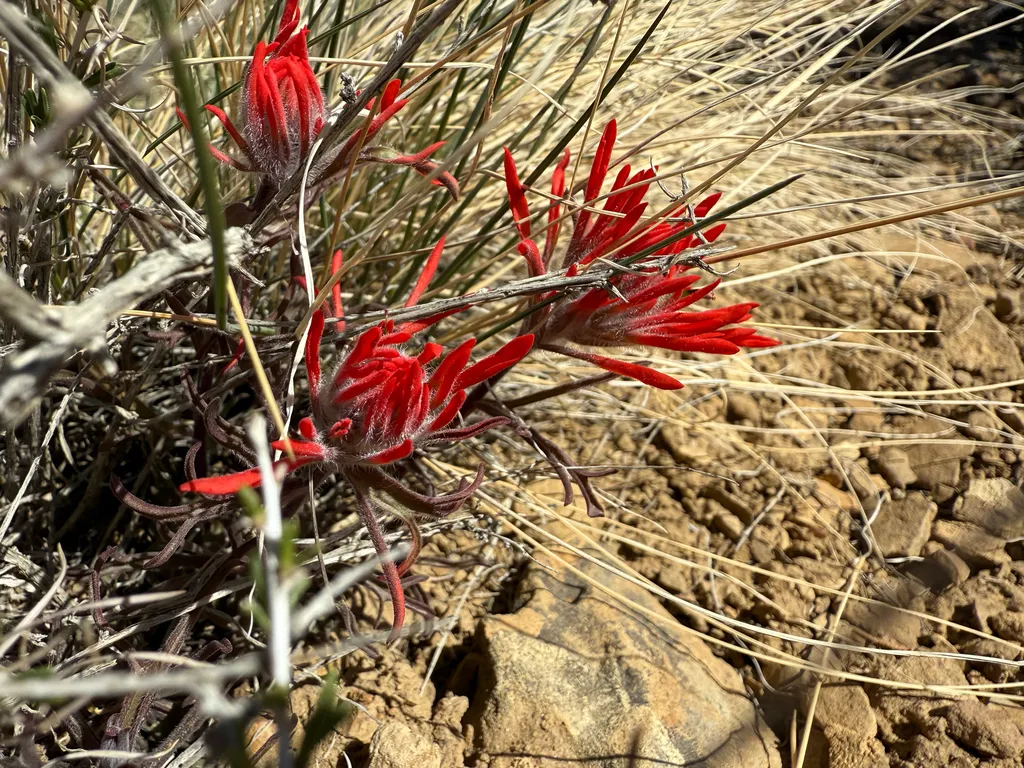
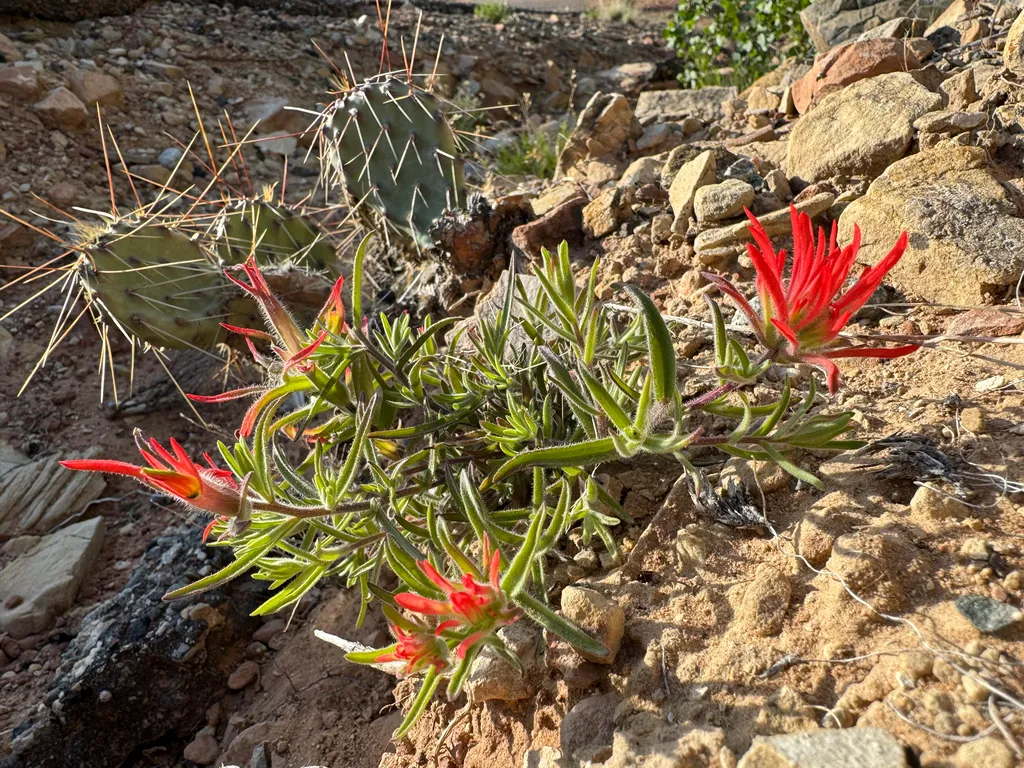
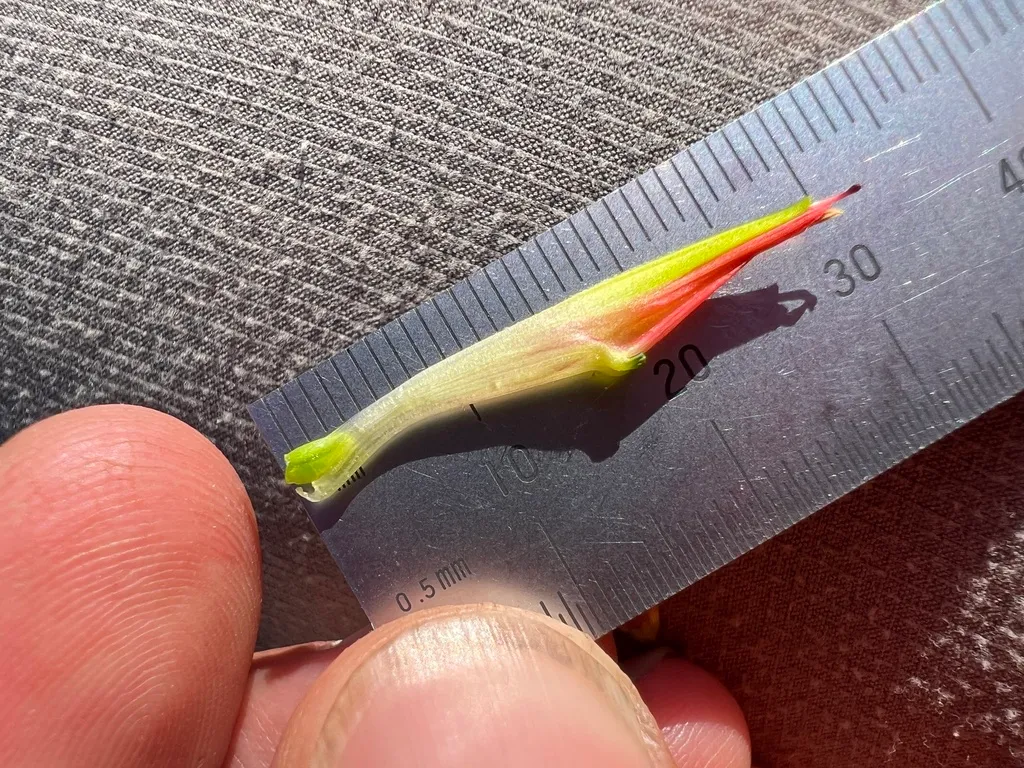
A semi-parasitic herbaceous perennial up to 15cm high covered in rough, stiff hairs, and has green or purple stems, grey-green, narrow leaves, 5-8cm long, and small yellow-green tubular flowers with bright red bracts from spring to summer; the usual host plants include Penstemons, and although Castilleja are partly parasitic on the roots of other plants they seem to cause little damage to their hosts
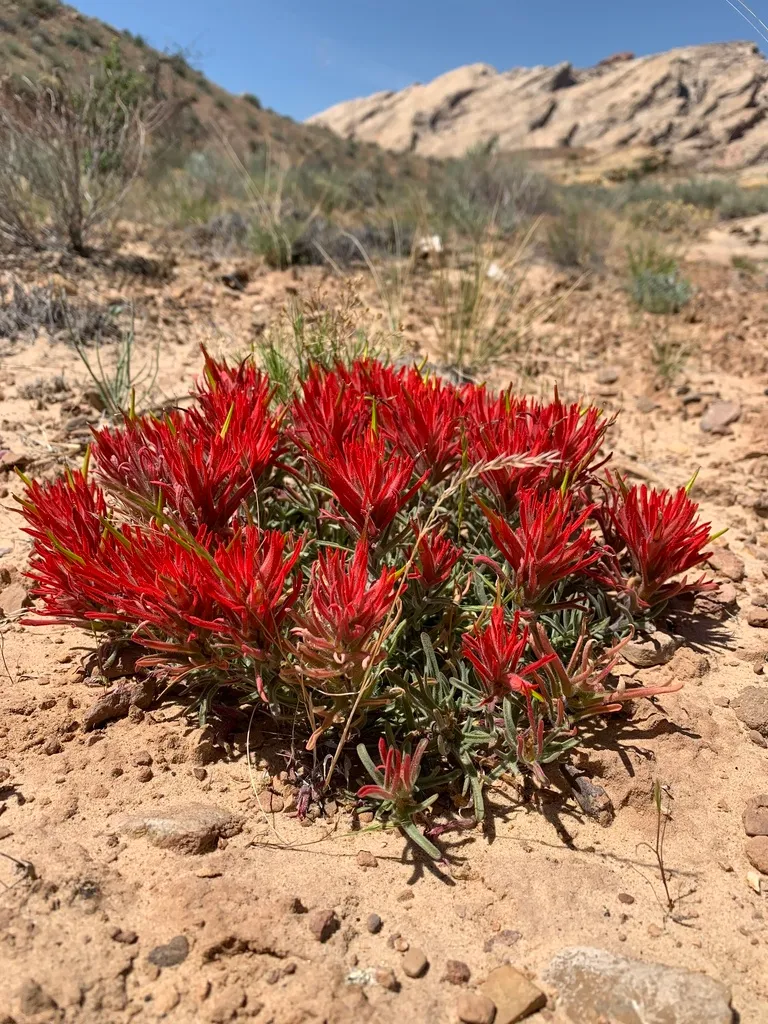
Scientific classification
- Species
- rough Indian paintbrush (Castilleja scabrida)
- Genus
- Castilleja
- Family
- Orobanchaceae
- Information to be completed
- Toxicity
- Herbaceous Perennial
- Plant type
- 0.1-0.5 metres
- Height
- 0.1-0.5 metres
- Spread
- Deciduous
- Foliage
- Trailing
- Habit
- Spring · Summer · Autumn
- Season of interest
- Full sun
- Sunlight
- Information to be completed
- Ideal temperature









rough Indian paintbrush pictures
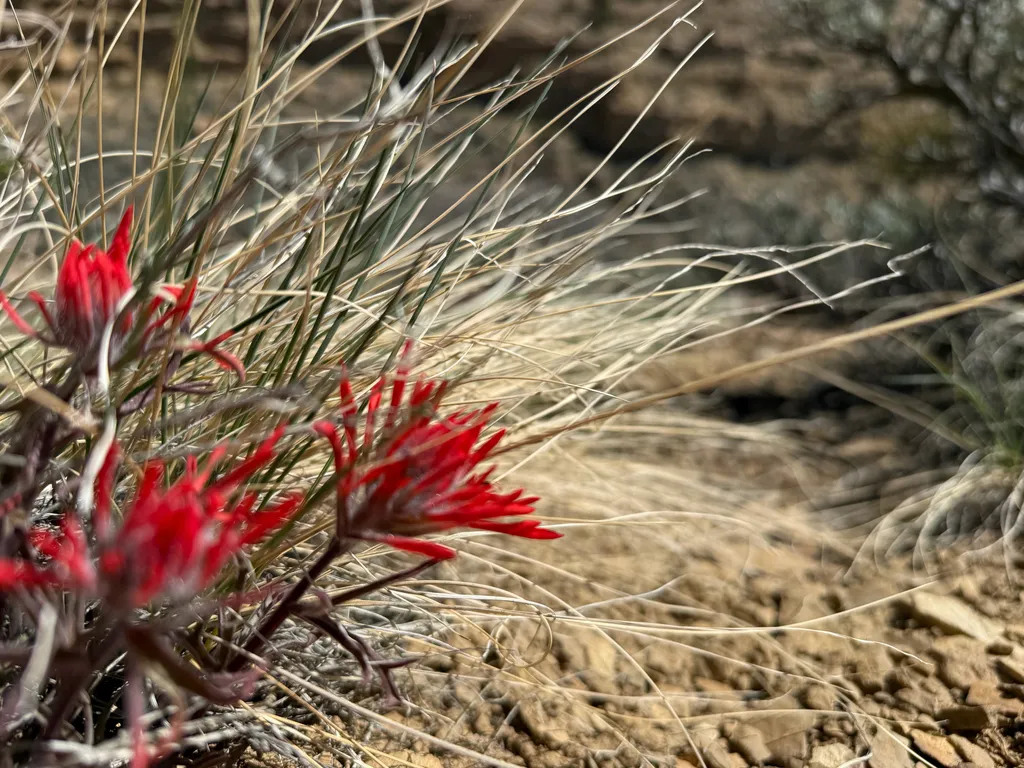
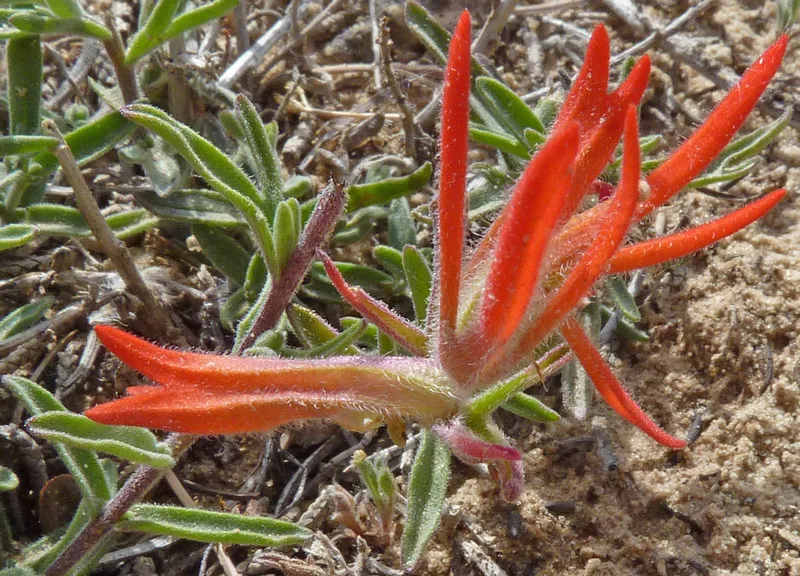
Distribution of rough Indian paintbrush
Distribution map
- Native
- Introduced
- Cultivated
Source:WCVP v16 · Royal Botanic Gardens, Kew · CC BY 3.0 · Boundaries:WGSRPD / TDWG
Culture
Information to be completed
Toxicity
Information to be completed
Quick identification of rough Indian paintbrush
Information to be completed
rough Indian paintbrush care guide
- Moderate regular watering, allowing brief slight drying between soakings
- Watering
- Full sun
- Sunlight
- Information to be completed
- Ideal temperature

Watering
Moderate regular watering, allowing brief slight drying between soakings
Fertilizing
 Fertilizing
Balanced perennial feed every four weeks from spring through summer
Pruning
 Pruning
No pruning required
Propagation
 Propagation
Propagate by seed in the intended final position, ensuring that seedlings can become established by forming a connection with a host plant by growing them within a few cm of a suitable host such as Penstemons
Growing
 Growing
Grow in full sun in a very well-drained light sandy medium with added leafmould, close to Penstemons or other host plants
People also ask
Information to be completed
Common pests and diseases
Diseases
Generally disease-free
Pests
Generally pest-free
Explore the plant health library →




