
potato 'Maris Piper'
Also known as: Information to be completed
A bushy perennial grown as an annual vegetable for its edible tubers. This is a reliable maincrop potato, with heavy crops of oval tubers, with cream-coloured skin and flesh and good flavour
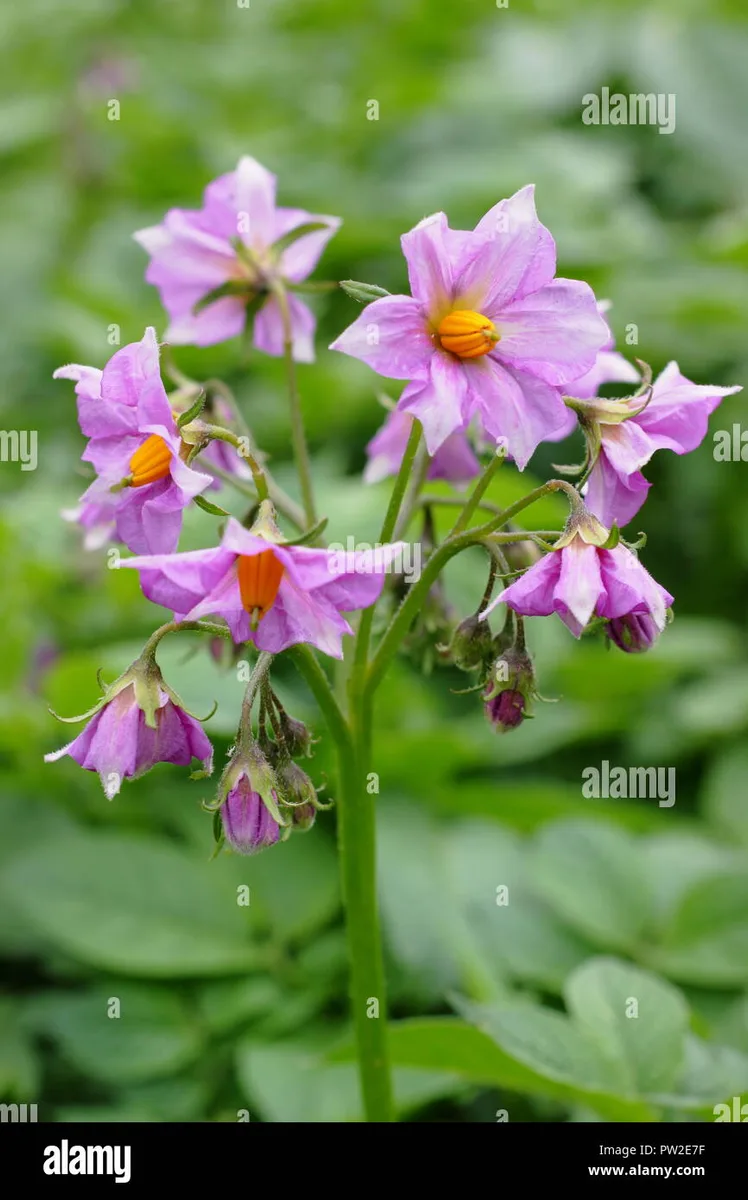
Scientific classification
- Species
- potato 'Maris Piper' (Solanum tuberosum 'Maris Piper')
- Genus
- Solanum
- Family
- Solanaceae
- Order
- Solanales
- Class
- Magnoliopsida
- Phylum
- Magnoliophyta
- Harmful if eaten, except potato crop. Wear gloves and other protective equipment when handling]
- Toxicity
- Annual Biennial
- Plant type
- 0.5-1 metres
- Height
- 0.5-1 metres
- Spread
- Deciduous
- Foliage
- Bushy
- Habit
- Spring · Summer
- Season of interest
- Full sun
- Sunlight
- Information to be completed
- Ideal temperature









potato 'Maris Piper' pictures
Distribution of potato 'Maris Piper'
Distribution map
- Native
- Introduced
- Cultivated
Source:WCVP v16 · Royal Botanic Gardens, Kew · CC BY 3.0 · Boundaries:WGSRPD / TDWG
Toxicity
Harmful if eaten, except potato crop. Wear gloves and other protective equipment when handling]
potato 'Maris Piper' care guide
- Keep soil evenly moist during tuber swelling, not soggy
- Watering
- Full sun
- Sunlight

Watering
Keep soil evenly moist during tuber swelling, not soggy
Fertilizing
 Fertilizing
Balanced potato feed during early growth and tuber set
Pruning
 Pruning
No pruning required
Propagation
 Propagation
Grow from certified seed potatoes, chitted and planted in situ from April onwards
Growing
 Growing
Grow in a sunny site away from frost pockets, in deep soil with plenty of organic matter. Earth up as the stems grow to exclude light. Keep watered in dry weather. See the RHS A-Z guide to vegetable cultivation for more detailed advice
Common pests and diseases
Diseases
May be susceptible to honey fungus (rarely), potato blight, potato blackleg, potato scab, potato rot and virus diseases
Pests
May be susceptible to flea beetles and potato cyst nematodes
Explore the plant health library →




