
Warminster broom
Also known as: Information to be completed
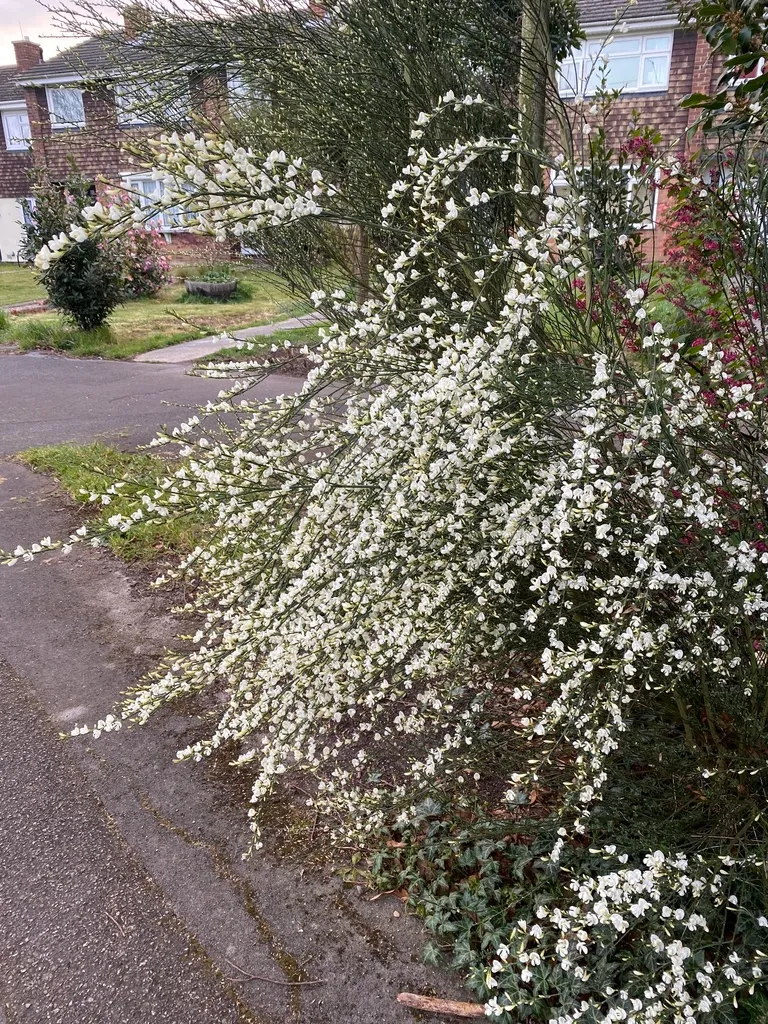
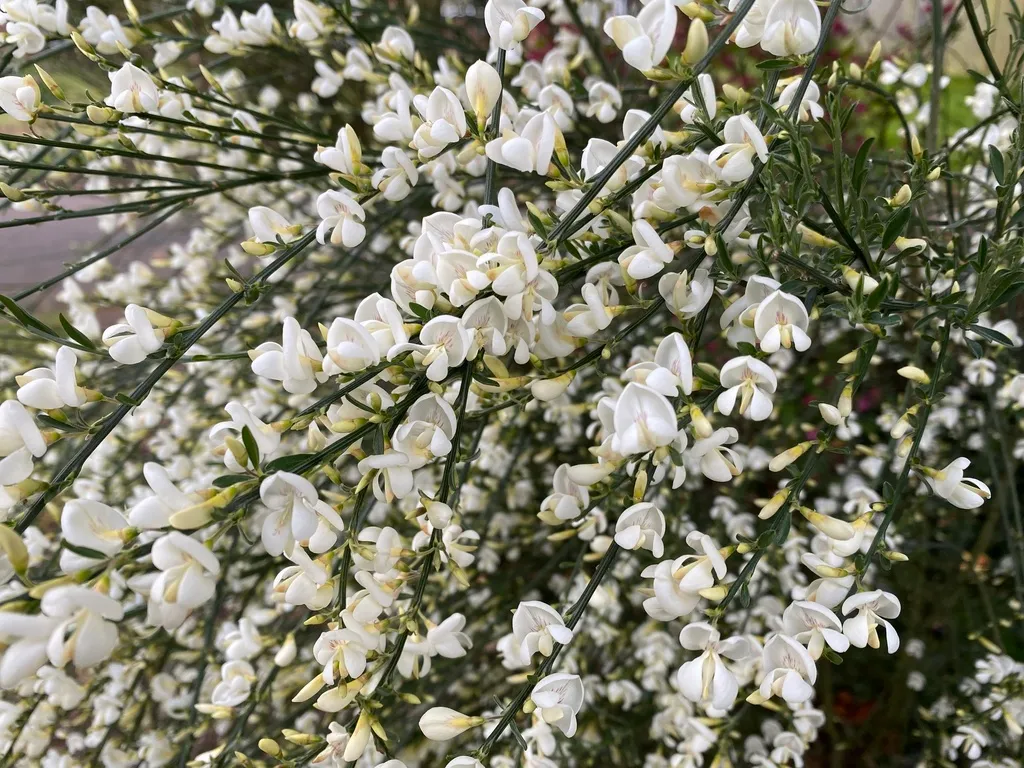
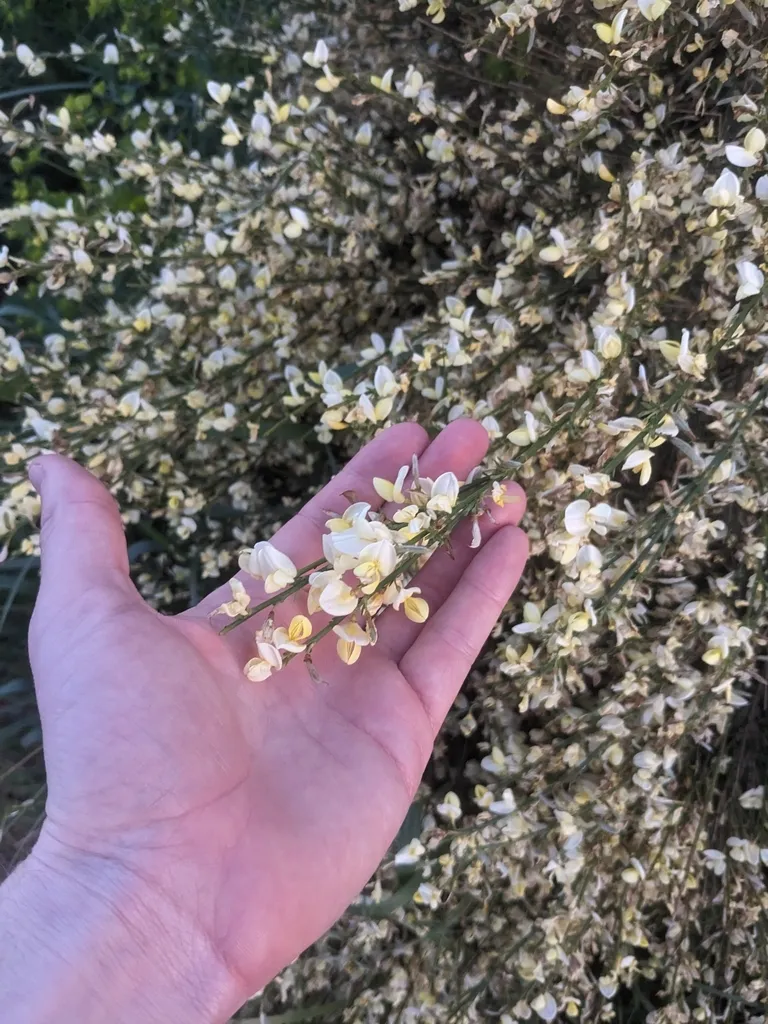
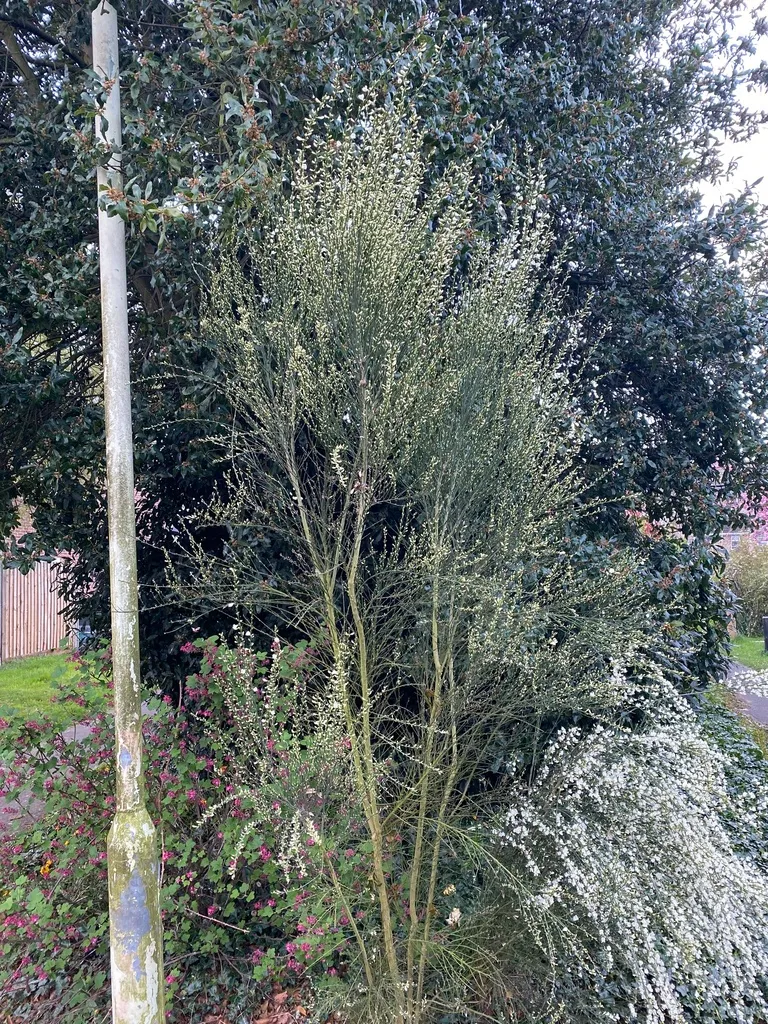
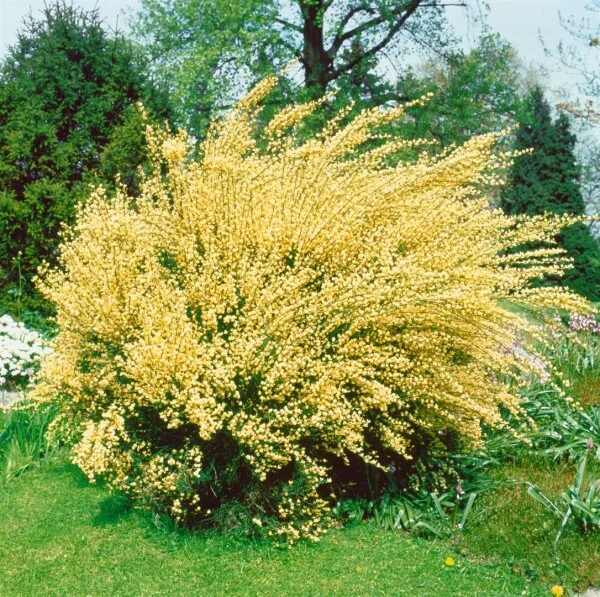
A small, dense, bushy, deciduous shrub with small, mostly simple leaves, silky when young. Covered in small, pale yellow flowers in late spring
Scientific classification
- Species
- Warminster broom (Cytisus × praecox)
- Genus
- Cytisus
- Family
- Fabaceae
- Order
- Fabales
- Class
- Magnoliopsida
- Phylum
- Magnoliophyta
- Harmful if eaten. Wear gloves and other protective equipment when handling
- Toxicity
- Shrubs
- Plant type
- 1-1.5 metres
- Height
- 1-1.5 metres
- Spread
- Deciduous
- Foliage
- Bushy
- Habit
- Spring · Summer · Autumn
- Season of interest
- Full sun
- Sunlight
- Information to be completed
- Ideal temperature









Warminster broom pictures
Toxicity
Harmful if eaten. Wear gloves and other protective equipment when handling
Warminster broom care guide
- Moderate regular watering, avoid prolonged drought and stagnant waterlogging
- Watering
- Full sun
- Sunlight

Watering
Moderate regular watering, avoid prolonged drought and stagnant waterlogging
Fertilizing
 Fertilizing
Balanced perennial feed every four weeks spring through summer growth
Pruning
 Pruning
Shorten flowered shoots to vigorous sideshoots; remove about a third of stems at ground level annually. Prune immediately after flowering.
Propagation
 Propagation
Propagate by semi-ripe cuttings in late summer
Growing
 Growing
Will grow in any well-drained soil in full sun. Thrives in poor, acid soil but may become chlorotic on shallow chalk soil. Resents transplanting
Common pests and diseases
Diseases
May be susceptible to honey fungus
Pests
May be susceptible to broom gall mites
Explore the plant health library →




