
pawpaw
Also known as: melon tree; papaya; tree melon
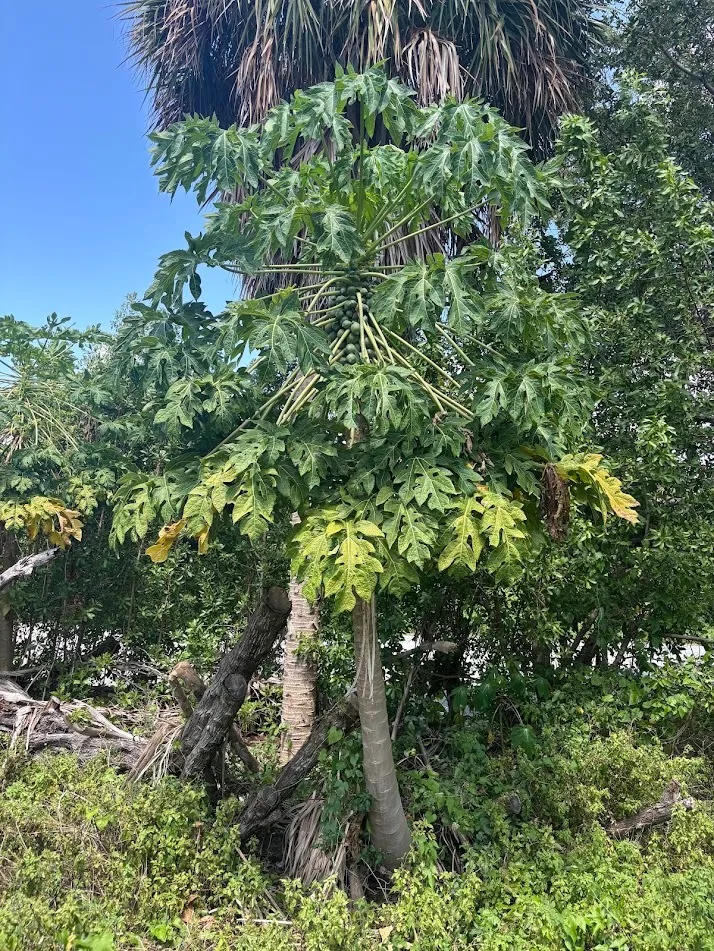
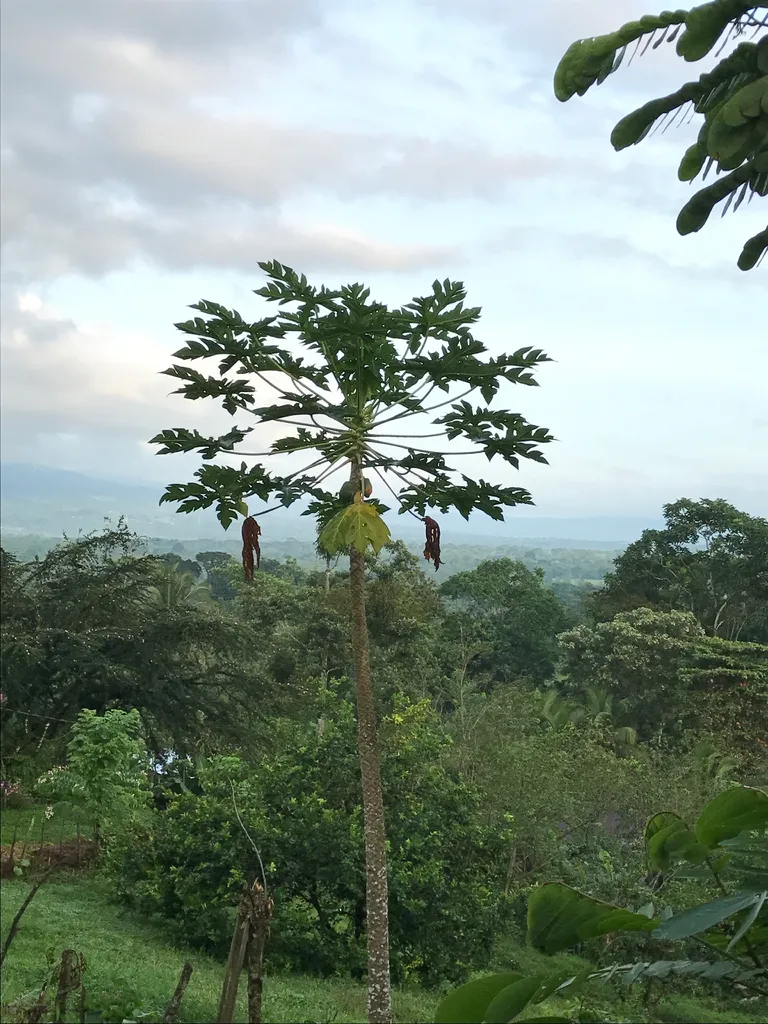
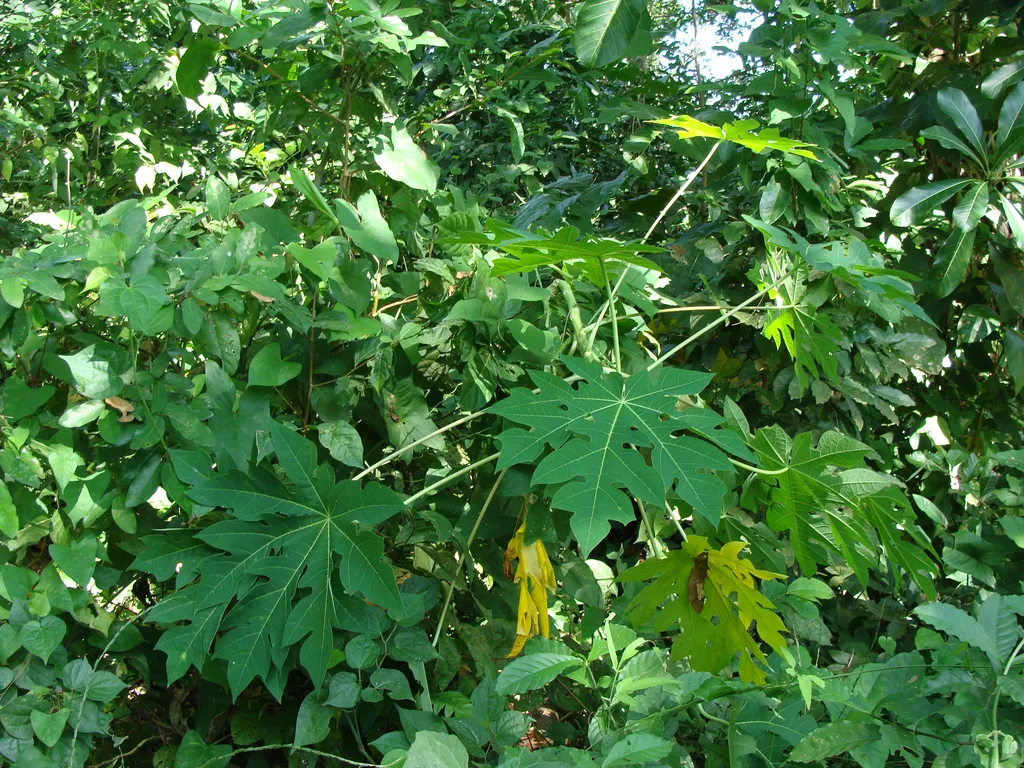
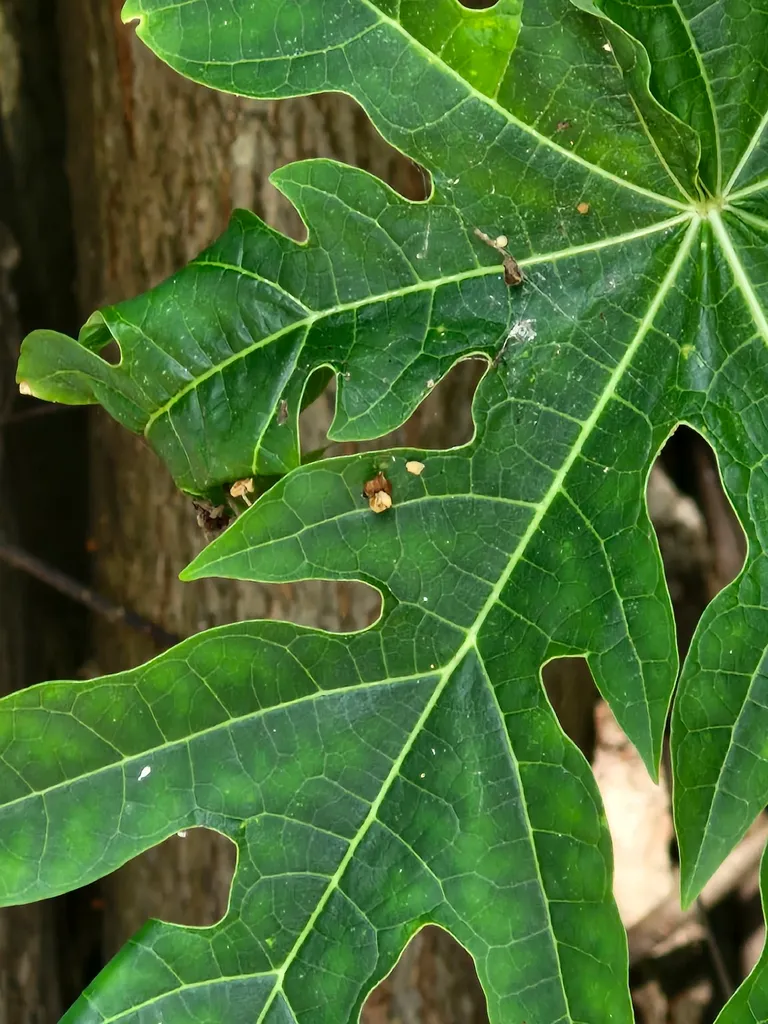
A tree-like, evergreen,herbaceous plant that can reach 6m in tropical conditions. The single, upright stem is topped with a palm-like spread of large, long stemmed, deeply divided leaves. Cream, scented flowers, which may be male, female or hermaphrodite, develop at any time of year directly from the trunk, followed by large, edible, melon-like fruits initially green, ripening to yellow or orange
Scientific classification
- Species
- pawpaw (Carica papaya)
- Genus
- Carica
- Family
- Caricaceae
- Order
- Brassicales
- Class
- Magnoliopsida
- Phylum
- Magnoliophyta
- Information to be completed
- Toxicity
- Conservatory Greenhouse · Fruit Edible · Trees · Herbaceous Perennial
- Plant type
- 2.5-4 metres
- Height
- 2.5-4 metres
- Spread
- Evergreen
- Foliage
- Columnar upright
- Habit
- Spring · Summer · Autumn · Winter
- Season of interest
- Full sun
- Sunlight
- 20 – 30 °C
- Ideal temperature









pawpaw pictures
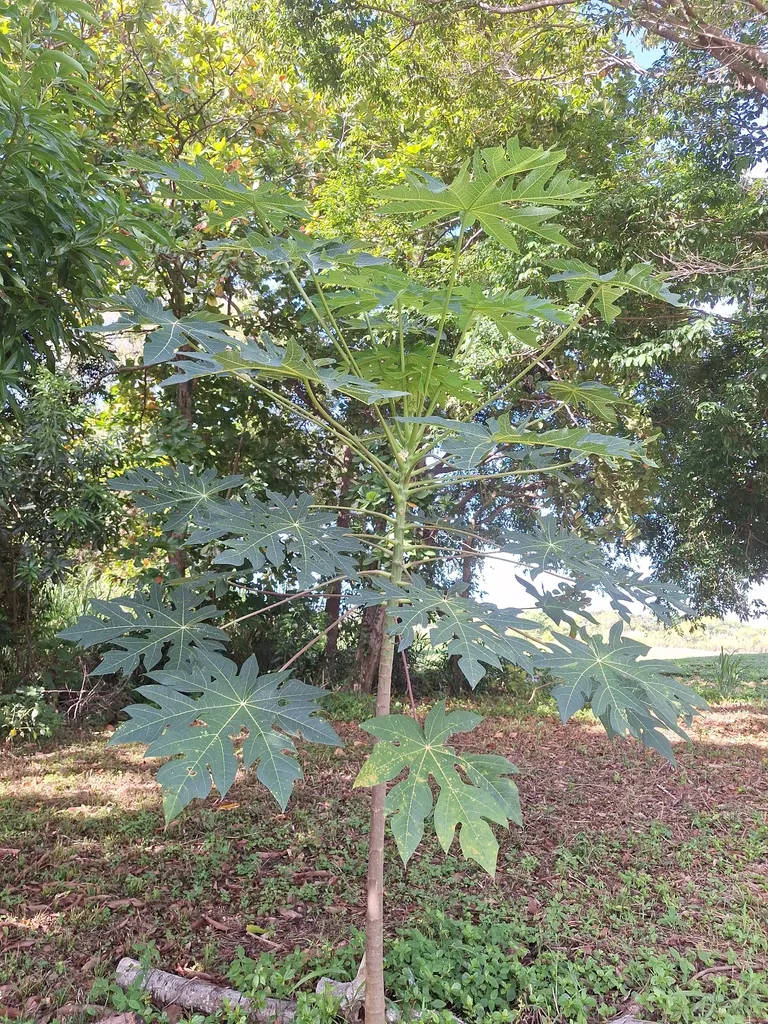
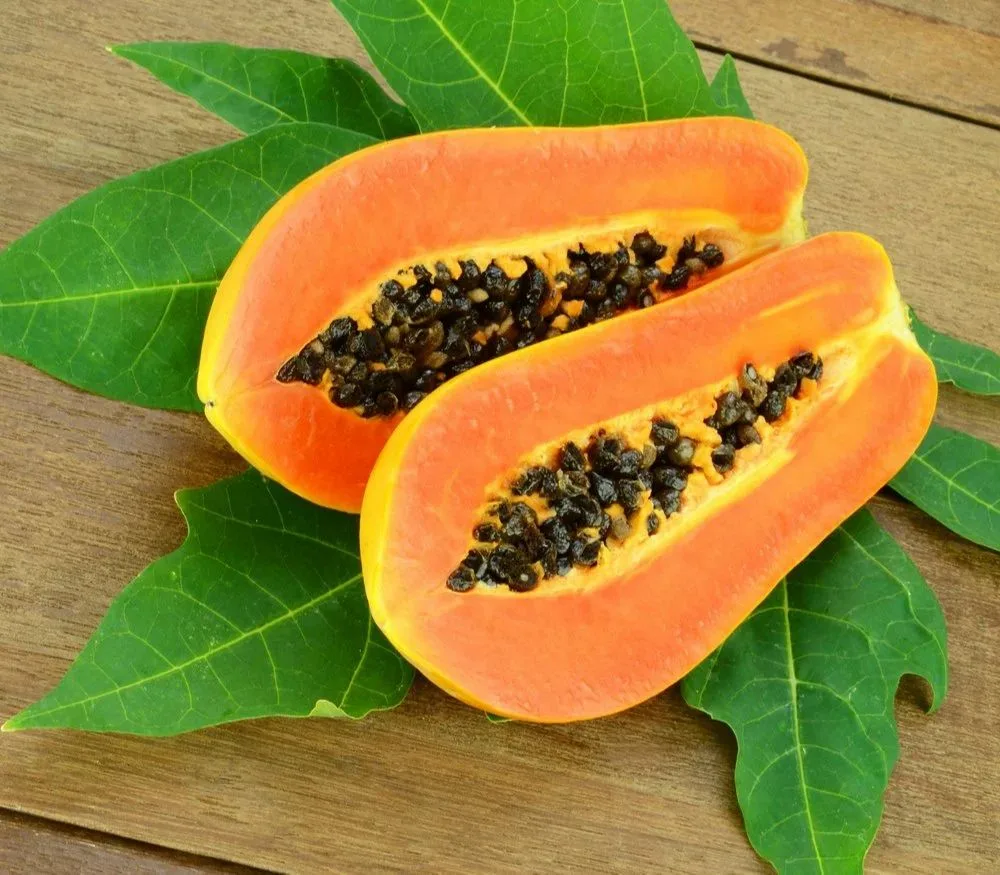
Distribution of pawpaw
Distribution map
- Native
- Introduced
- Cultivated
Source:WCVP v16 · Royal Botanic Gardens, Kew · CC BY 3.0 · Boundaries:WGSRPD / TDWG
pawpaw care guide
- Moderate regular watering, allowing brief slight drying between soakings
- Watering
- Full sun
- Sunlight
- 20 – 30 °C
- Ideal temperature

Watering
Moderate regular watering, allowing brief slight drying between soakings
Fertilizing
 Fertilizing
Balanced perennial feed every four weeks from spring through summer
Pruning
 Pruning
No pruning needed
Propagation
 Propagation
Propagate by seed - plants can fruit within a year in suitable conditions and need replacing every few years
Growing
 Growing
Plants require deep, humus-rich soil and sub-tropical conditions to fruit. Can also be grown as bedding or container plants for foliage effect in summer, with well-drained soil, full sun and a sheltered position
Common pests and diseases
Diseases
Susceptible to root rots
Pests
May be affected by glasshouse red spider mite, glasshouse thrips and glasshouse whitefly
Explore the plant health library →




