
common hornbeam
Also known as: charmille; European hornbeam; horn beech; horse beech; hurst beech; white beech; yoke elm
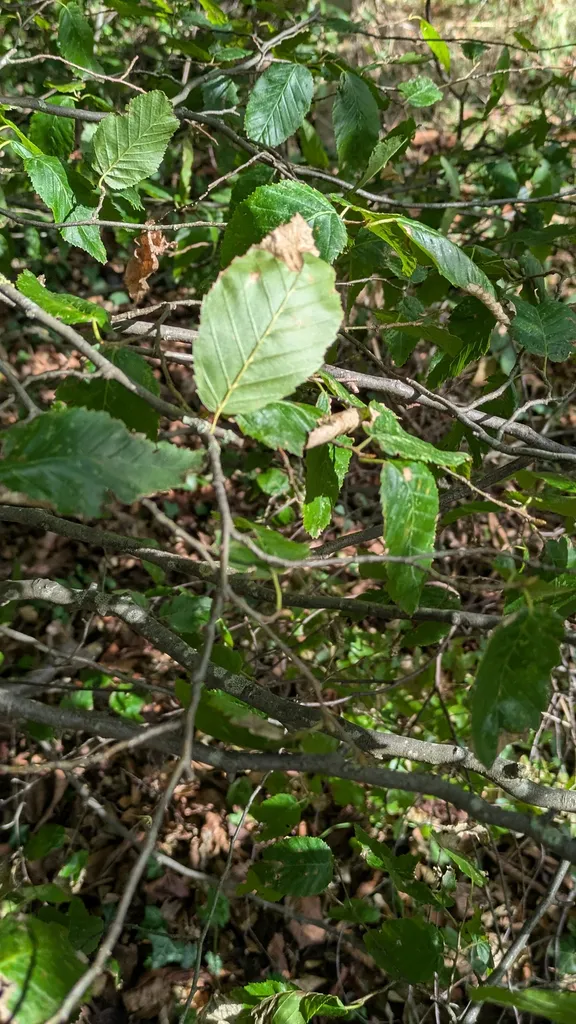
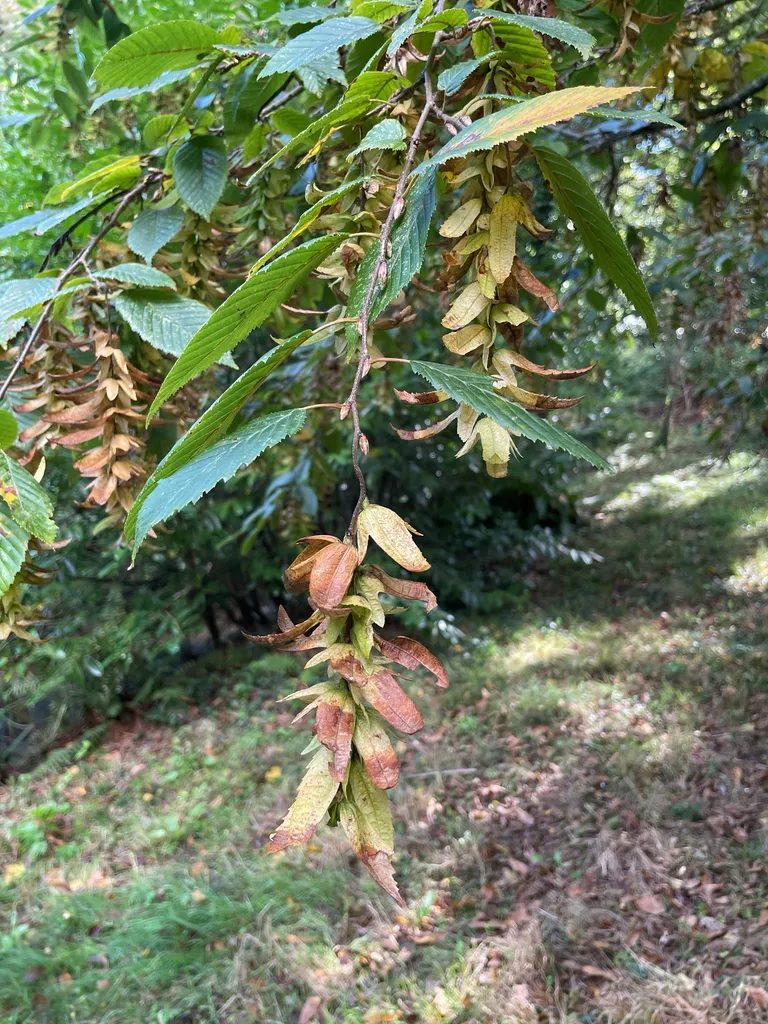
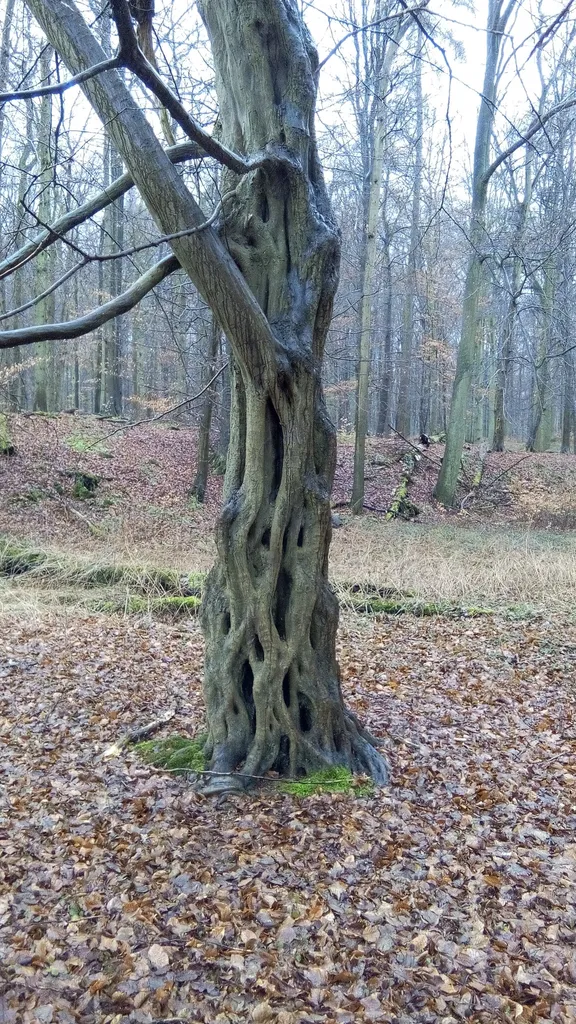
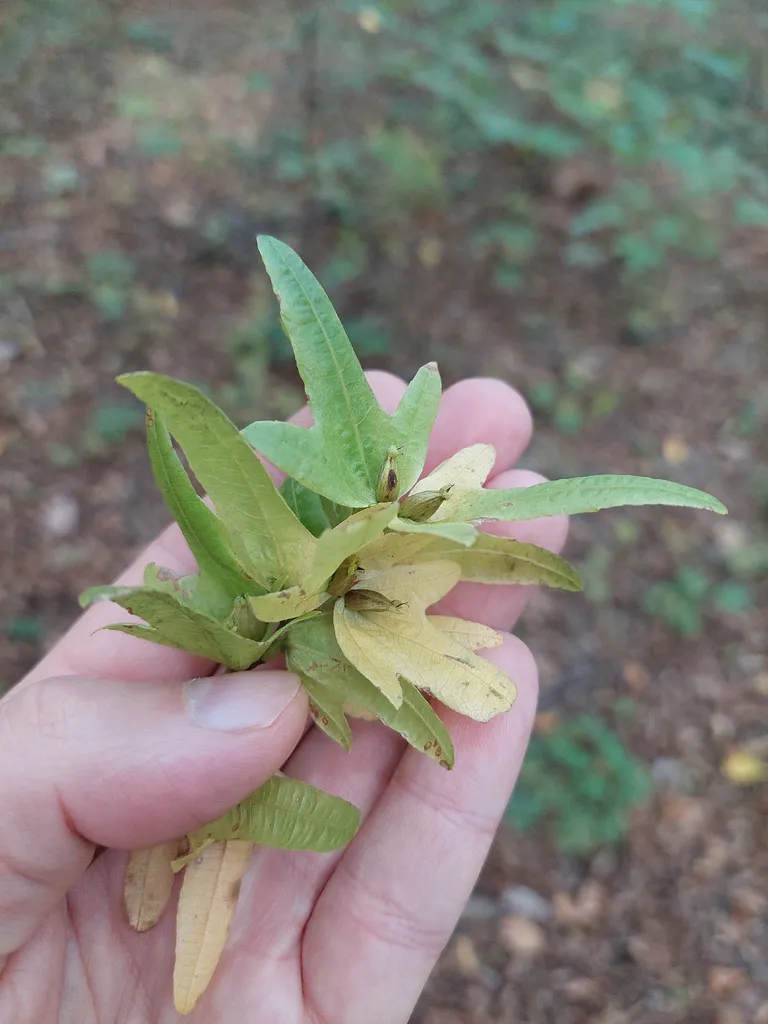
A large deciduous tree developing a fluted grey trunk. Leaves 5-8cm long, ovate, conspicuously ribbed, turning yellow in autumn. Catkins open in spring, followed by hop-like fruiting catkins to 8cm. Good for woodland settings
Scientific classification
- Species
- common hornbeam (Carpinus betulus)
- Genus
- Carpinus
- Family
- Betulaceae
- Information to be completed
- Toxicity
- Trees
- Plant type
- Higher than 12 metres
- Height
- wider than 8 metres
- Spread
- Deciduous
- Foliage
- Bushy
- Habit
- Autumn · Spring · Summer
- Season of interest
- Full sun · Partial shade
- Sunlight
- Information to be completed
- Ideal temperature









common hornbeam pictures
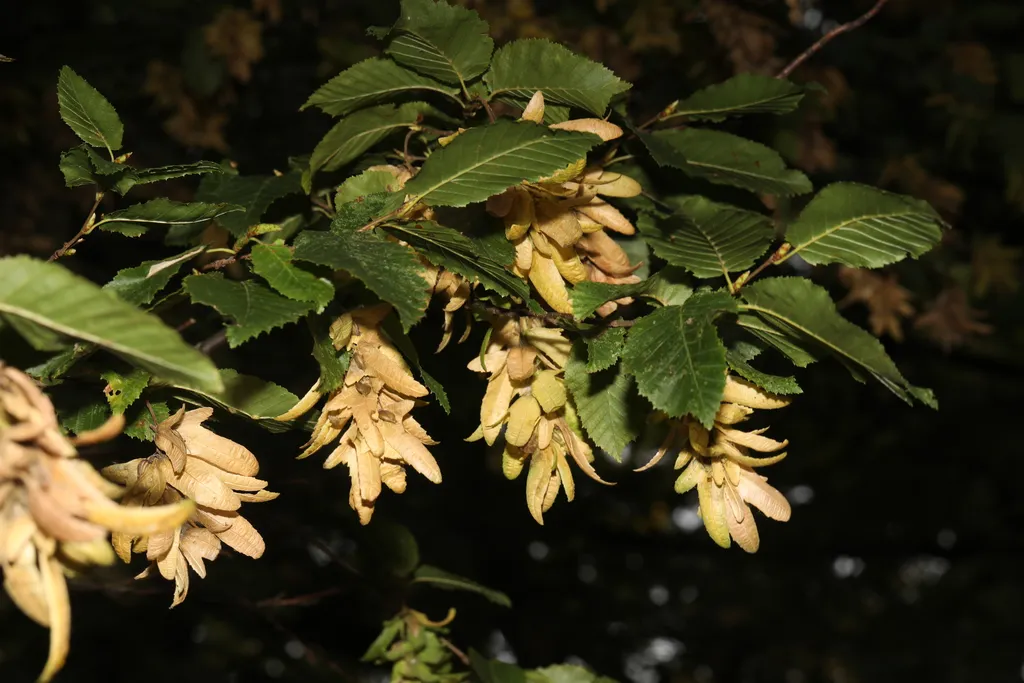
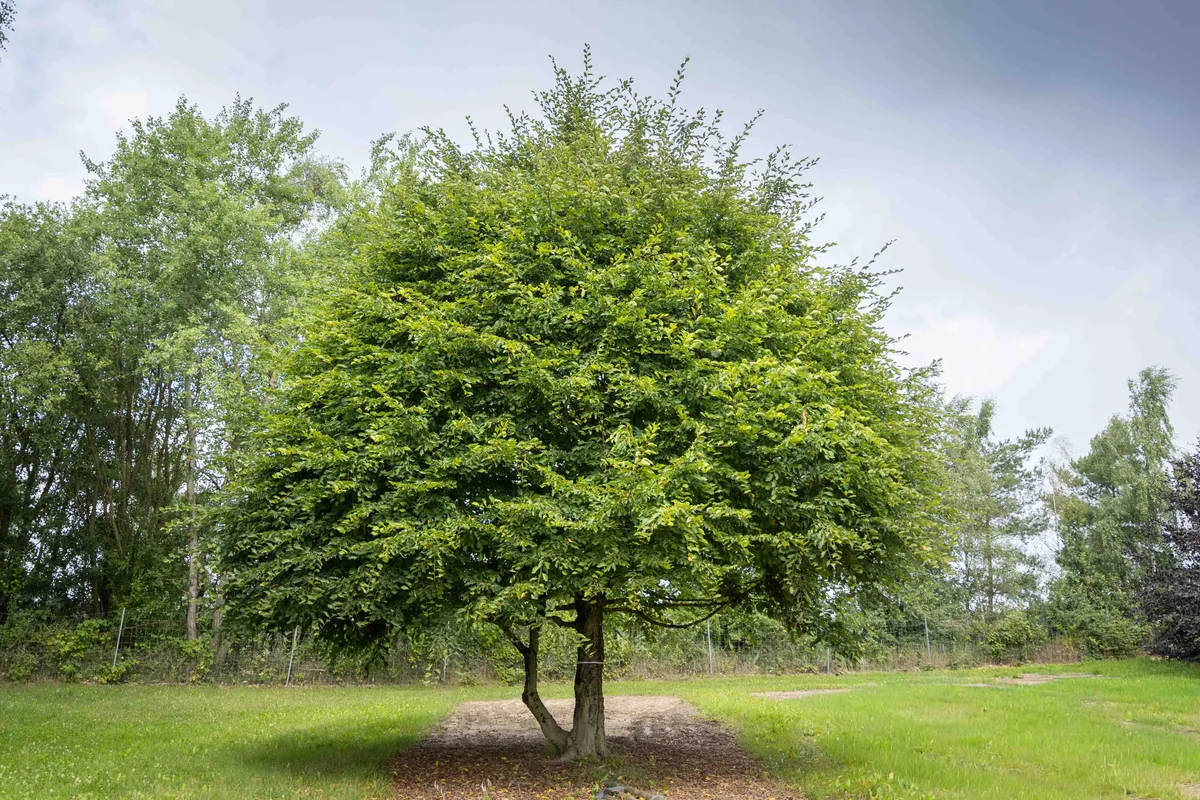
Distribution of common hornbeam
Distribution map
Europe to Iran
Information to be completed
Culture
Information to be completed
Toxicity
Information to be completed
Quick identification of common hornbeam
Information to be completed
common hornbeam care guide
- Water deeply to reach roots, let top soil dry slightly between
- Watering
- Full sun · Partial shade
- Sunlight
- Information to be completed
- Ideal temperature

Watering
Water deeply to reach roots, let top soil dry slightly between
Fertilizing
 Fertilizing
Apply balanced tree fertilizer once each early spring
Pruning
 Pruning
Little pruning is needed. Remove diseased, damaged, crowded or crossing shoots and unwanted growth. Timing depends on the plant: generally late winter or early spring; plants prone to bleeding and deciduous magnolias need different timing, and deciduous azaleas and lilacs are pruned after flowering.
Propagation
 Propagation
Propagate by seed, softwood cuttings or by grafting
Growing
 Growing
Grow in fertile, well-drained soil in full sun or partial shade
People also ask
Information to be completed
Common pests and diseases
Diseases
May be susceptible to powdery mildews, coral spot and sometimes honey fungus
Pests
May be susceptible to caterpillars and aphids
Explore the plant health library →




