
oriental hornbeam
Also known as: Information to be completed
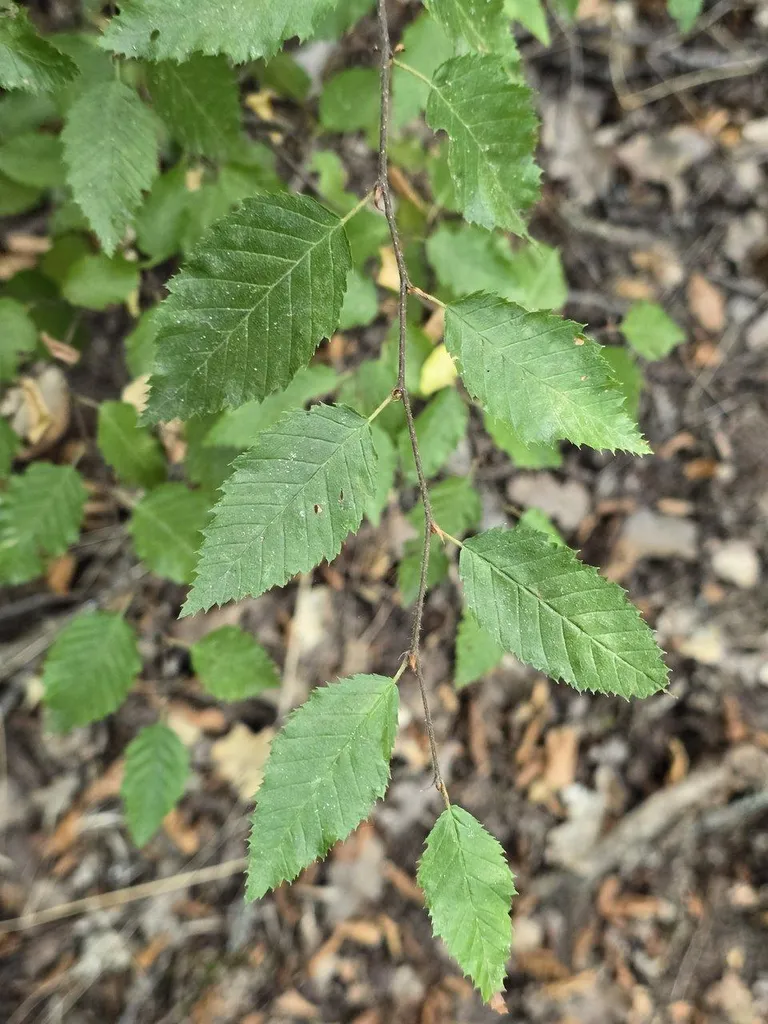
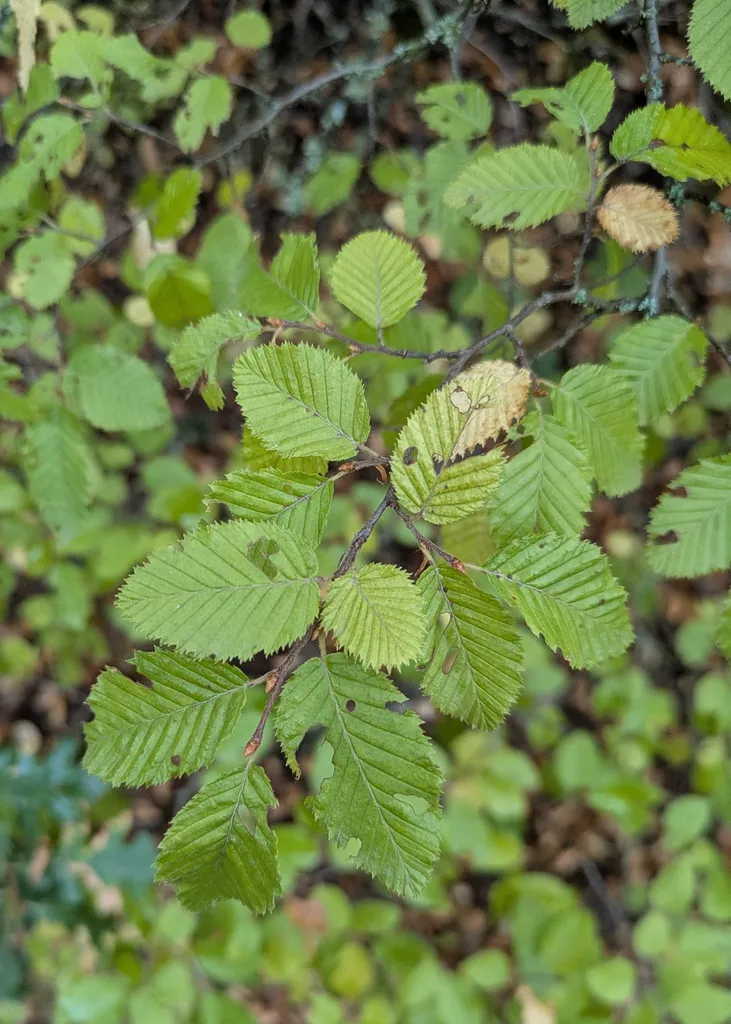
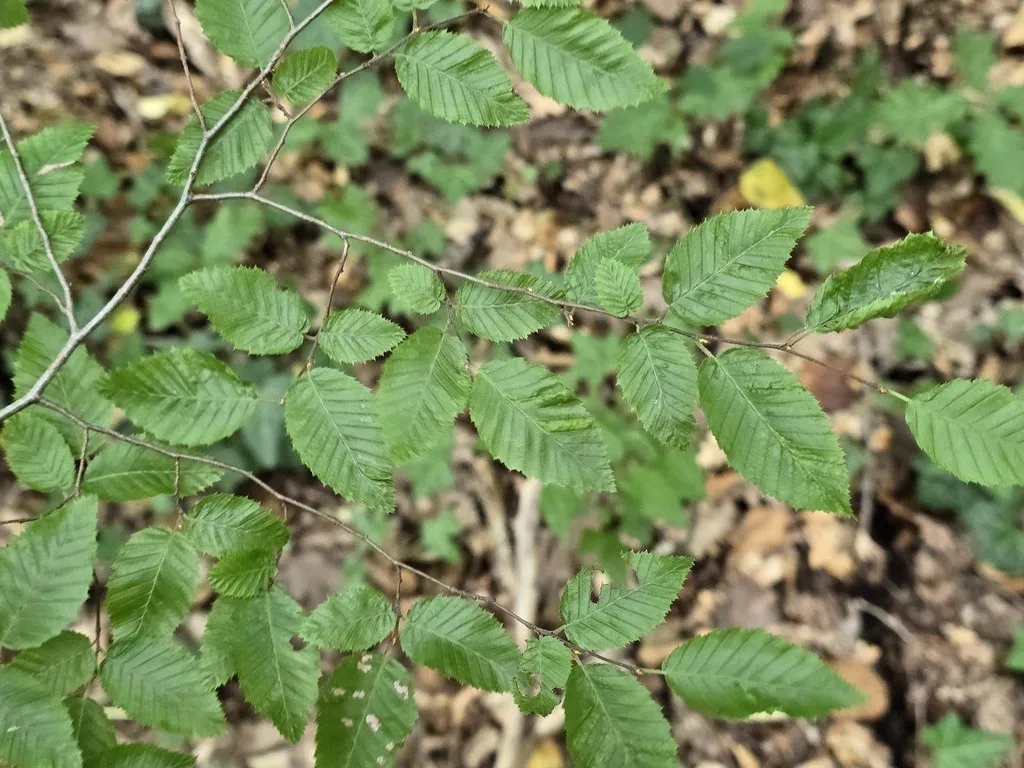
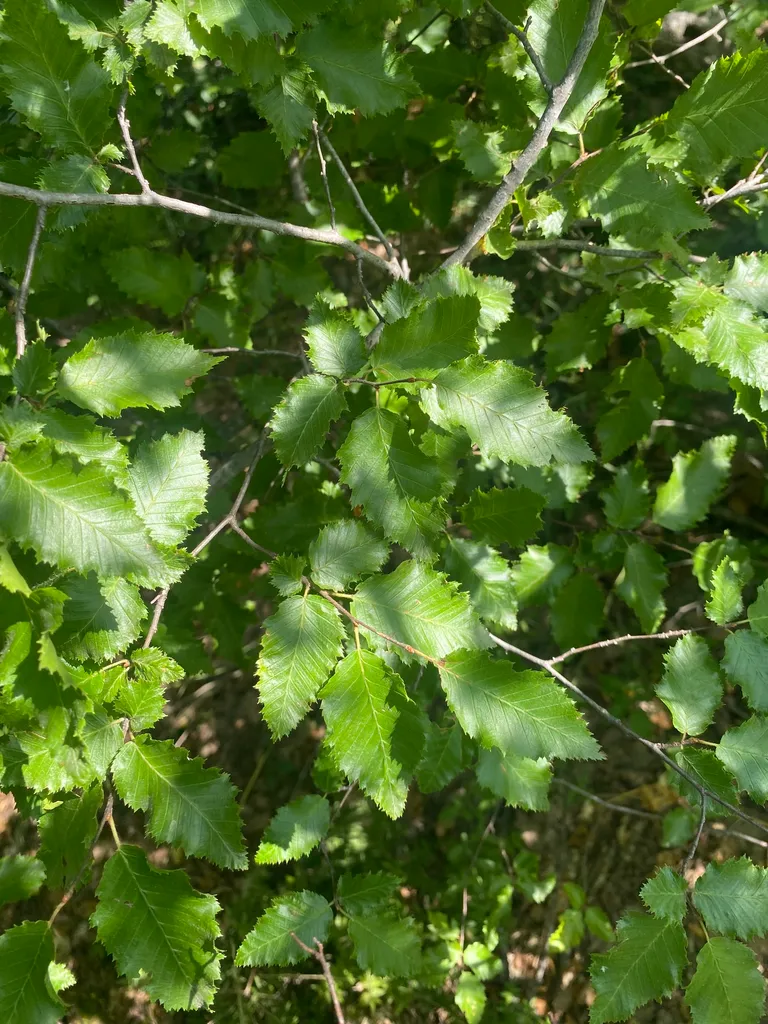
Carpinus orientalis is a slow-growing, densely-branched small tree or large shrub up to around 5m tall with glossy, prominently veined and sharply toothed leaves to 5cm long. Spring flowers are borne in separate male and female catkins with female flowers going on to form clusters of winged nuts
Scientific classification
- Species
- oriental hornbeam (Carpinus orientalis)
- Genus
- Carpinus
- Family
- Betulaceae
- Information to be completed
- Toxicity
- Shrubs · Trees
- Plant type
- 4-8 metres
- Height
- 4-8 metres
- Spread
- Deciduous
- Foliage
- Bushy
- Habit
- Spring · Summer · Autumn
- Season of interest
- Full sun · Partial shade
- Sunlight
- Information to be completed
- Ideal temperature









oriental hornbeam pictures
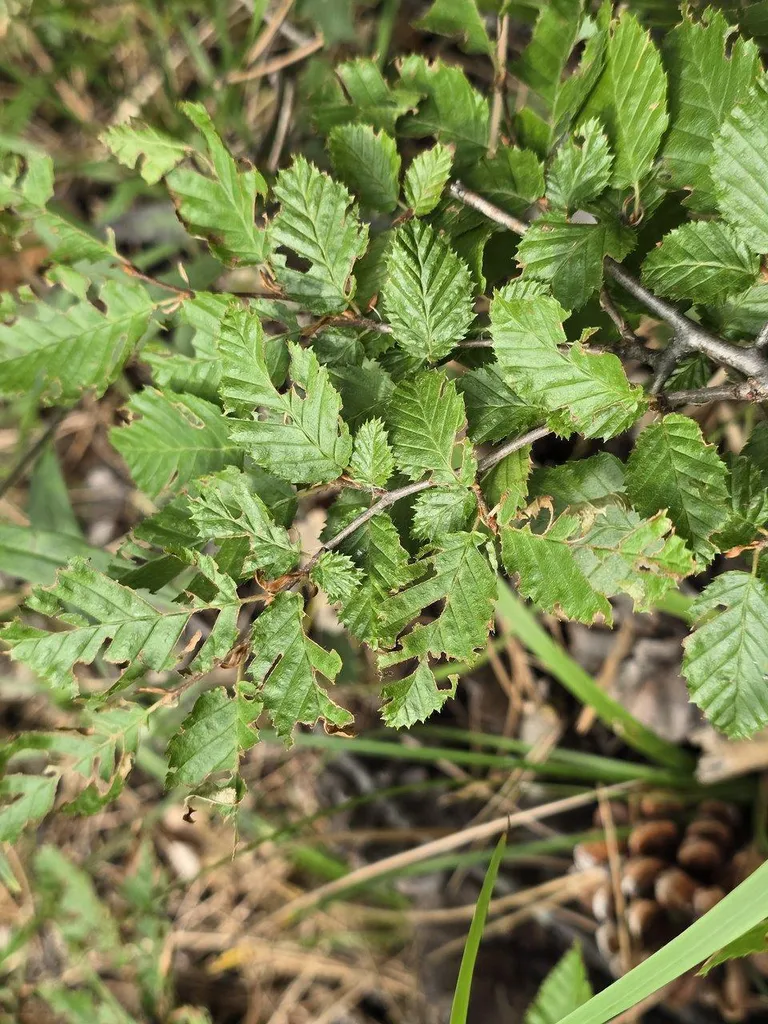
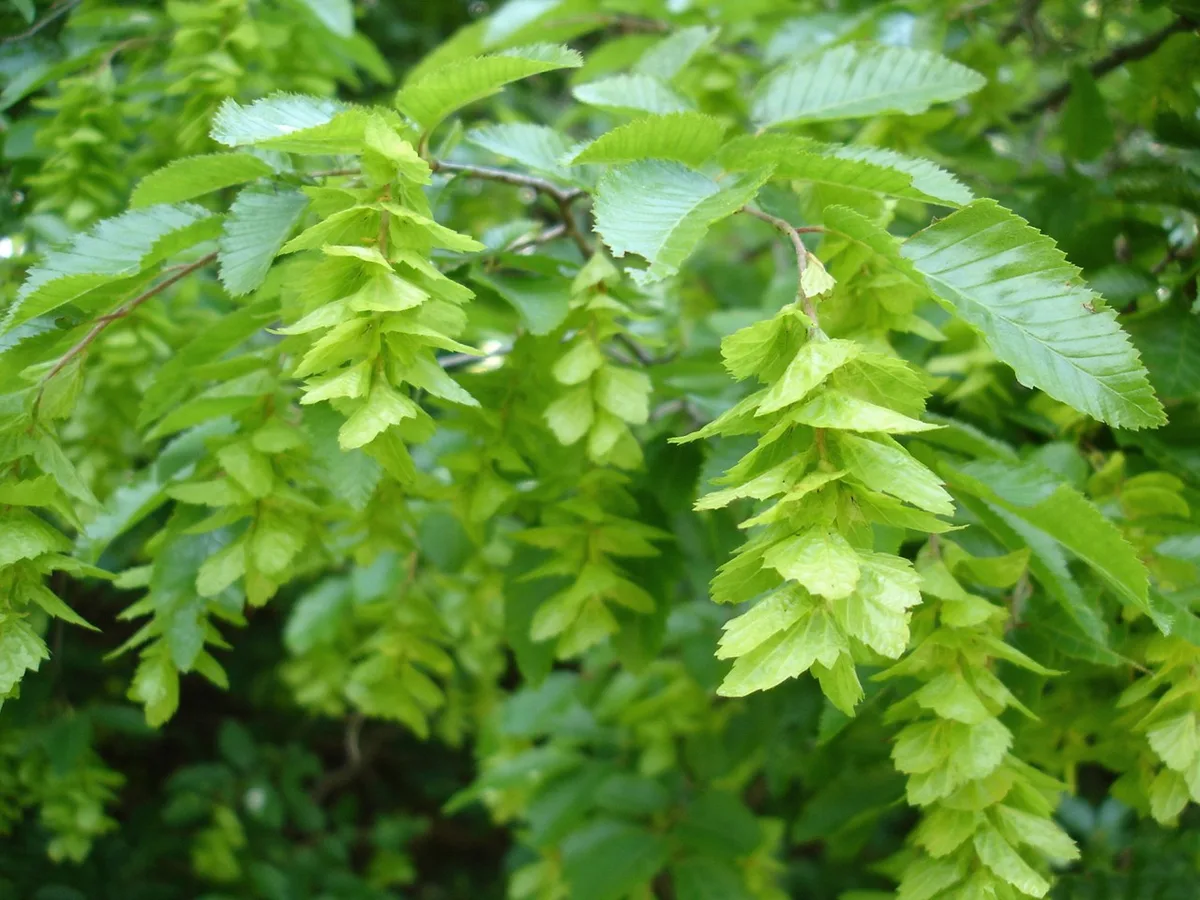
Distribution of oriental hornbeam
Distribution map
Southeastern Europe, Turkey
Information to be completed
Culture
Information to be completed
Toxicity
Information to be completed
Quick identification of oriental hornbeam
Information to be completed
oriental hornbeam care guide
- Deep occasional watering with excellent drainage, less once established
- Watering
- Full sun · Partial shade
- Sunlight
- Information to be completed
- Ideal temperature

Watering
Deep occasional watering with excellent drainage, less once established
Fertilizing
 Fertilizing
Light conifer feed once yearly in early spring only
Pruning
 Pruning
Little pruning is needed. Remove diseased, damaged, crowded or crossing shoots and unwanted growth. Timing depends on the plant: generally late winter or early spring; plants prone to bleeding and deciduous magnolias need different timing, and deciduous azaleas and lilacs are pruned after flowering.
Propagation
 Propagation
Propagate by seed or by softwood cuttings
Growing
 Growing
Grow in any moderately fertile soil in full sun or partial shade
People also ask
Information to be completed
Common pests and diseases
Diseases
May be susceptible to powdery mildews, coral spot and sometimes honey fungus
Pests
May be susceptible to caterpillars and aphids
Explore the plant health library →




