
dwarf silver-wattle
Also known as: Information to be completed
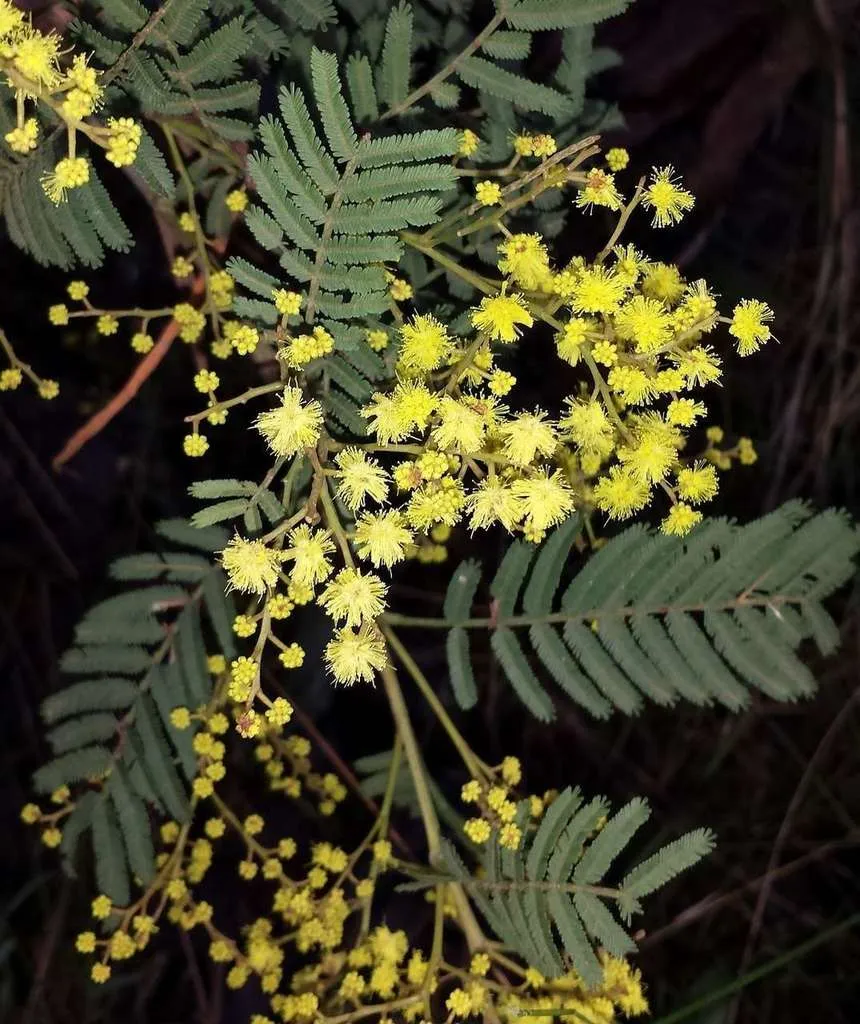
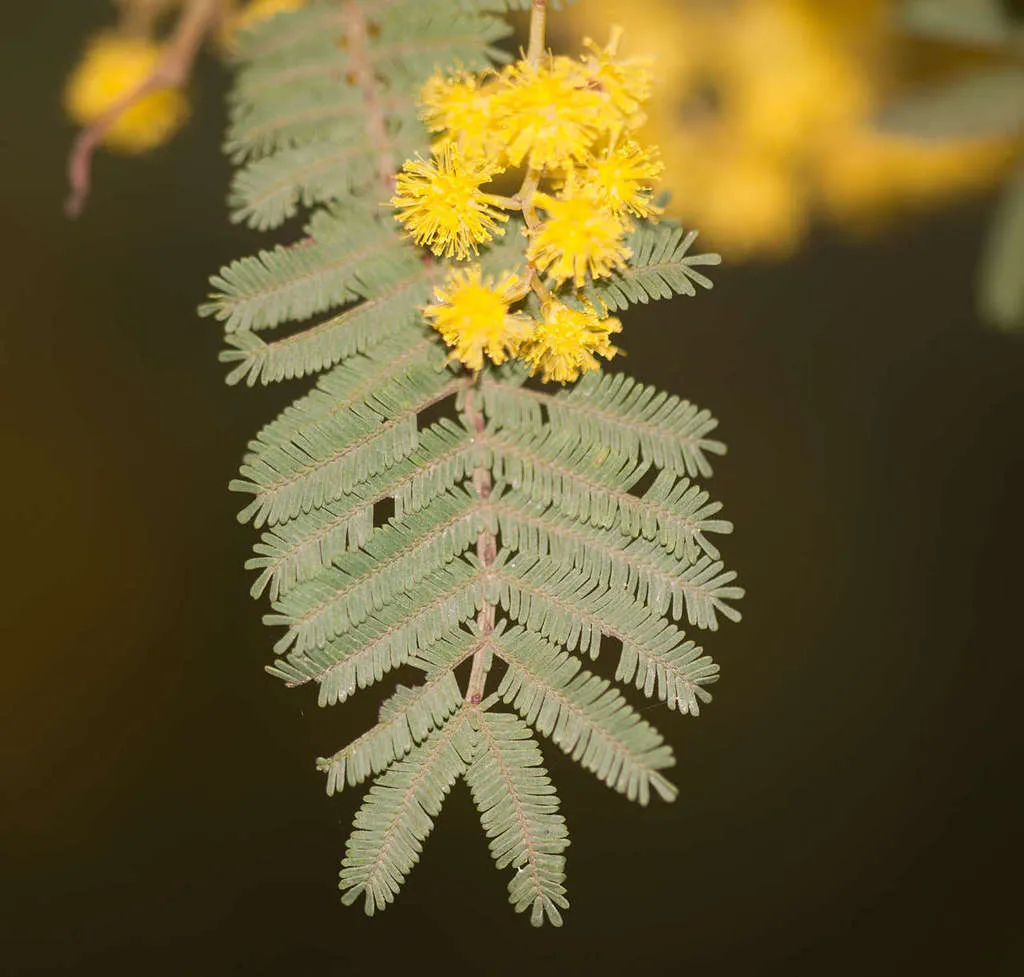
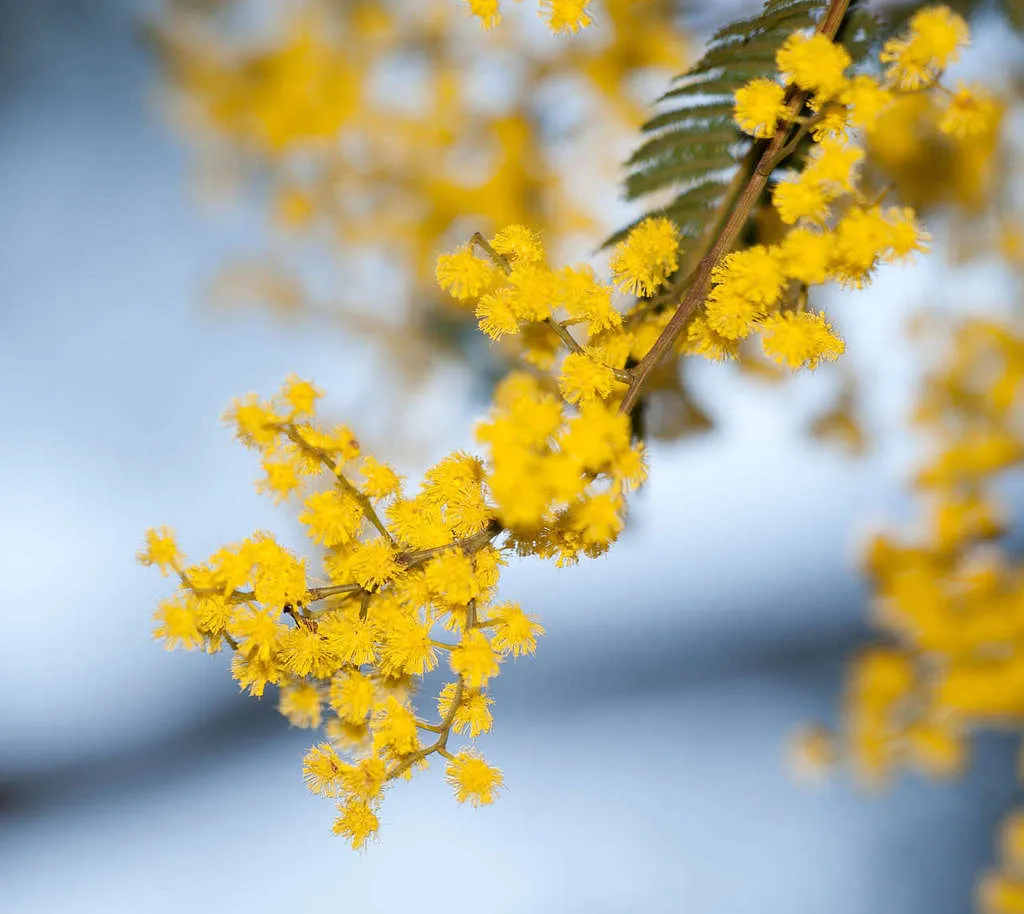
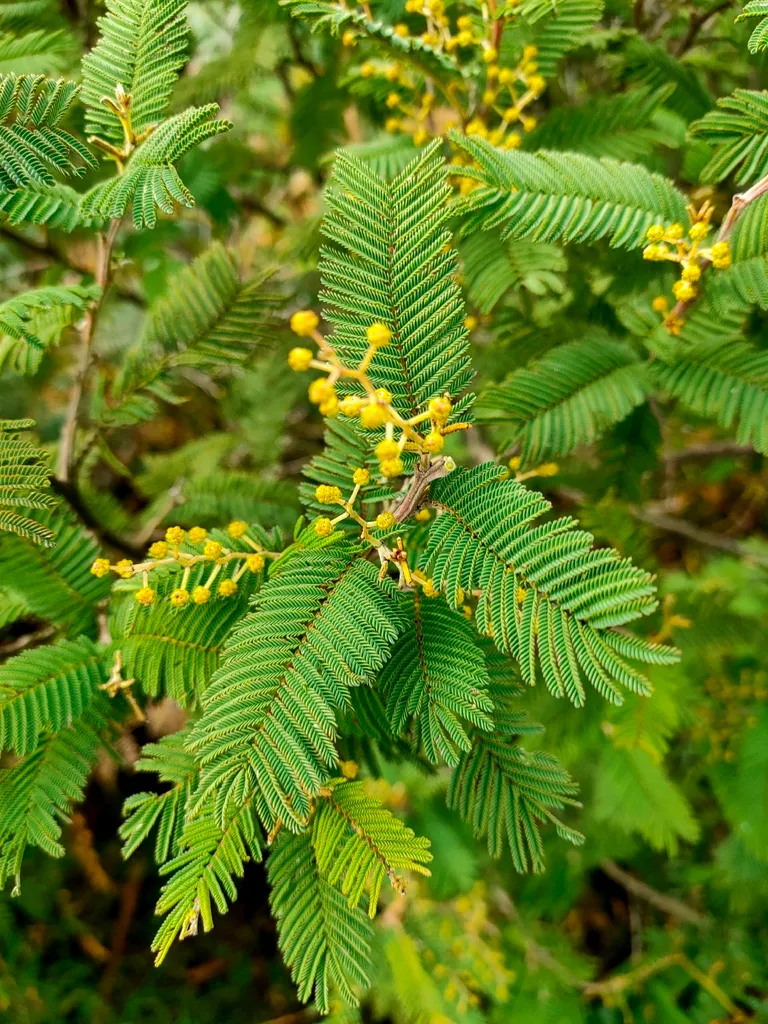
An evergreen shrub or small tree to around 6m. The leaves are beautiful green 'ferns' which are attractive all year round. In spring fluffy bright yellow fragrant flowers are produced
Scientific classification
- Species
- dwarf silver-wattle (Acacia nanodealbata)
- Genus
- Acacia
- Family
- Fabaceae
- Information to be completed
- Toxicity
- Trees · Shrubs
- Plant type
- 2.5-4 metres
- Height
- 2.5-4 metres
- Spread
- Evergreen
- Foliage
- Bushy
- Habit
- Spring · Summer · Autumn · Winter
- Season of interest
- Full sun
- Sunlight
- Information to be completed
- Ideal temperature









dwarf silver-wattle pictures
Distribution of dwarf silver-wattle
Distribution map
Information to be completed
Information to be completed
Culture
Information to be completed
Toxicity
Information to be completed
Quick identification of dwarf silver-wattle
Information to be completed
dwarf silver-wattle care guide
- Low watering needs, fully tolerate extended seasonal dry soil conditions
- Watering
- Full sun
- Sunlight
- Information to be completed
- Ideal temperature

Watering
Low watering needs, fully tolerate extended seasonal dry soil conditions
Fertilizing
 Fertilizing
Low-nitrogen shrub feed once annually at start of spring new growth
Pruning
 Pruning
Little pruning is needed. Remove diseased, damaged, crowded or crossing shoots and unwanted growth. Timing depends on the plant: generally late winter or early spring; plants prone to bleeding and deciduous magnolias need different timing, and deciduous azaleas and lilacs are pruned after flowering.
Propagation
 Propagation
Propagate by semi-hardwood cuttings or seed. For more advice see Propagate by seed
Growing
 Growing
Grow outdoors in neutral to acid well-drained soil in sheltered location with full sun. Suits courtyard and urban gardens in milder locations, but will need winter protection elsewhere. Under glass, grow in ericaceous or loam-based compost (peat-free JI No.2) in full light. Resents hard pruning. For more advice see tree cultivation
People also ask
Information to be completed
Common pests and diseases
Diseases
May be susceptible to honey fungus
Pests
May be susceptible to glasshouse red spider mite, fluted scale and mealybugs
Explore the plant health library →




