
Helen of Troy foxglove
Also known as: Information to be completed
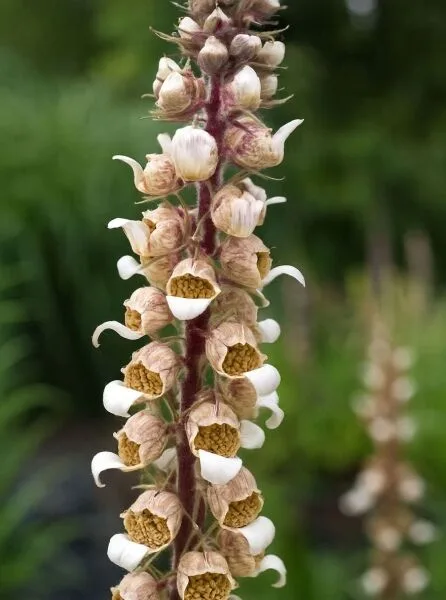
An upright herbaceous perennial producing stems to about 80cm, bearing unusual caramel-brown flowers veined with red, with a conspicuous white lip
Scientific classification
- Species
- Helen of Troy foxglove (Digitalis trojana)
- Genus
- Digitalis
- Family
- Plantaginaceae
- Order
- Lamiales
- Class
- Magnoliopsida
- Phylum
- Magnoliophyta
- TOXIC if eaten. Wear gloves and other protective equipment when handling
- Toxicity
- Herbaceous Perennial
- Plant type
- 0.5-1 metres
- Height
- 0.1-0.5 metres
- Spread
- Semi evergreen
- Foliage
- Columnar upright
- Habit
- Spring · Summer · Autumn
- Season of interest
- Full sun · Partial shade
- Sunlight
- Information to be completed
- Ideal temperature









Helen of Troy foxglove pictures
Distribution of Helen of Troy foxglove
Distribution map
- Native
- Introduced
- Cultivated
Source:WCVP v16 · Royal Botanic Gardens, Kew · CC BY 3.0 · Boundaries:WGSRPD / TDWG
Toxicity
TOXIC if eaten. Wear gloves and other protective equipment when handling
Helen of Troy foxglove care guide
- Evenly moist humus soil, avoid standing water at plant base crown
- Watering
- Full sun · Partial shade
- Sunlight

Watering
Evenly moist humus soil, avoid standing water at plant base crown
Fertilizing
 Fertilizing
Weak balanced liquid feed every four weeks spring and summer months
Pruning
 Pruning
Cut down flower stems after flowering to encourage a second flowering, and to prevent self-seeding
Propagation
 Propagation
Propagate by seed
Growing
 Growing
Grow in any free draining soil in sun or partial shade. See foxglove cultivation
Common pests and diseases
Diseases
May be susceptible to leaf spot and powdery mildews
Pests
May be susceptible to glasshouse red spider mite and glasshouse whitefly as young plants
Explore the plant health library →




