
Edraianthus serpyllifolius
Also known as: Information to be completed
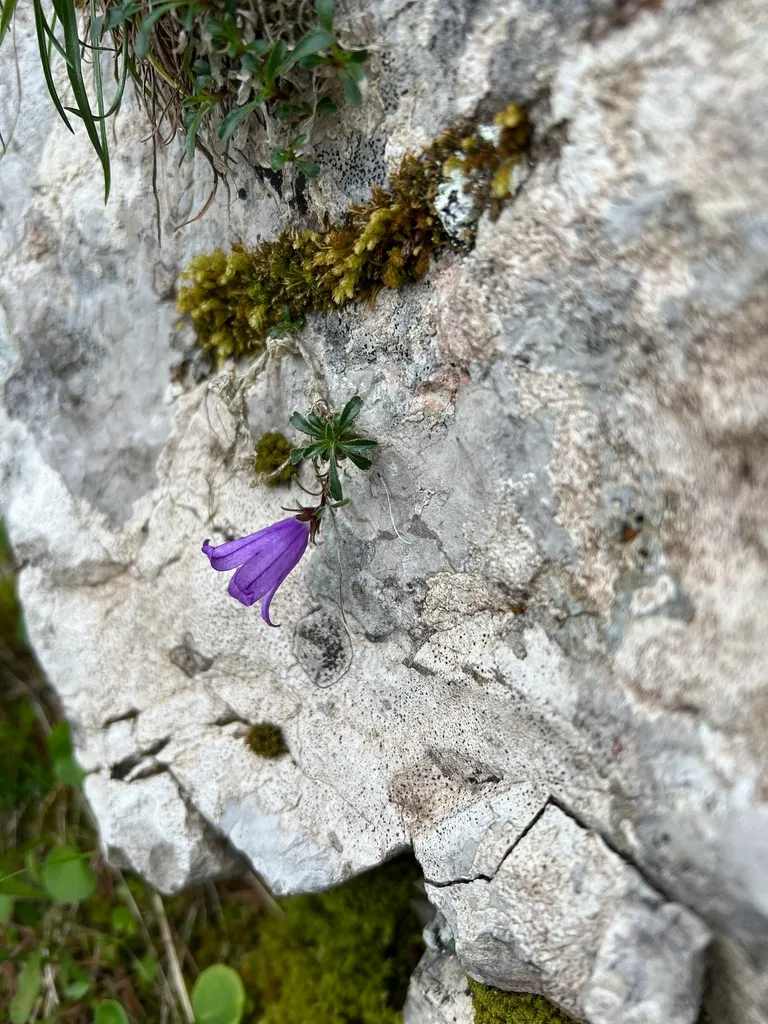
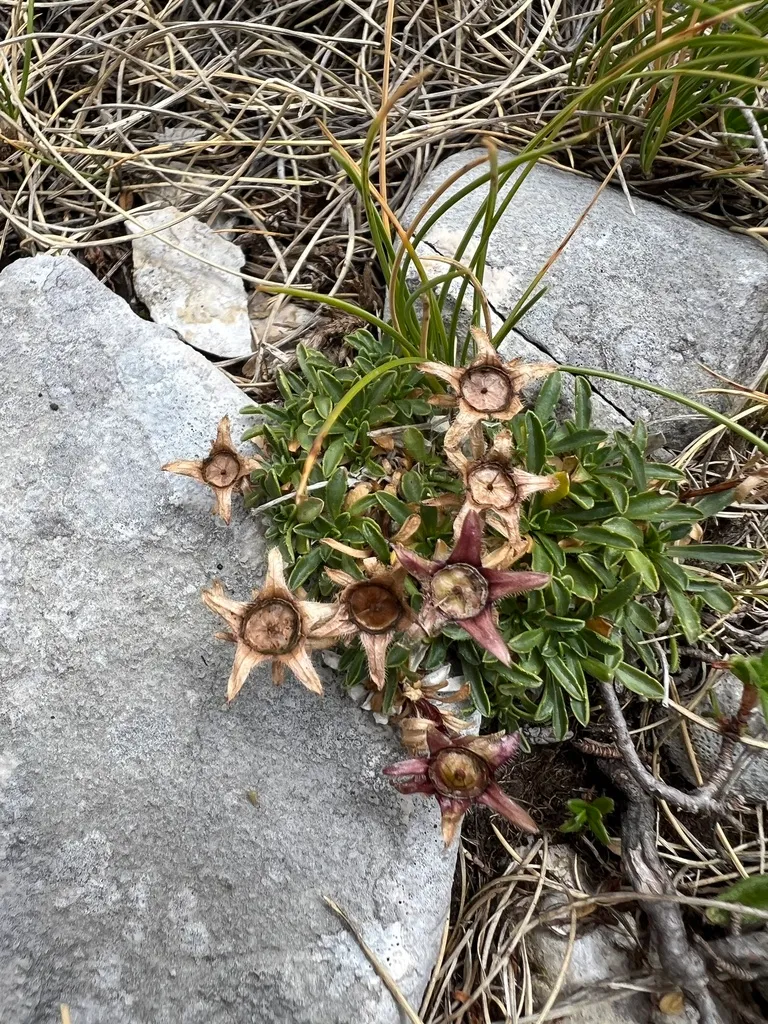
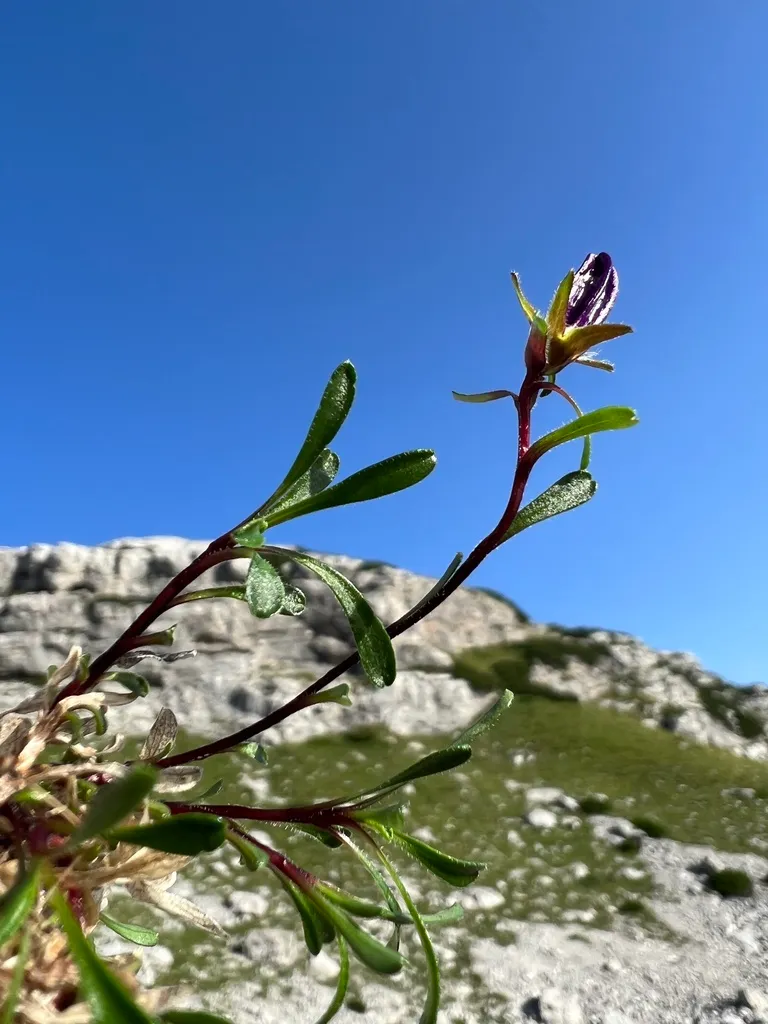
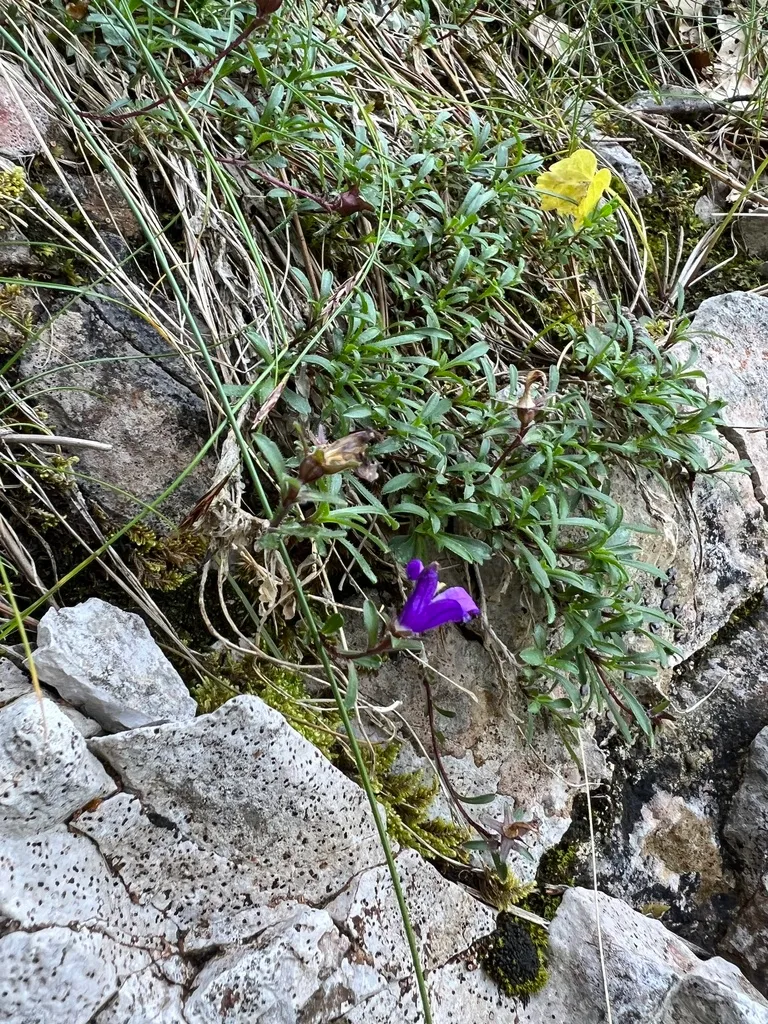
A dense, mat-forming evergreen perennial forming tufts of silky grey-green, linear leaves to a height of 5cm. Solitary, bell-shaped deep violet-blue flowers 1.5-2cm in length nestle among the foliage
Scientific classification
- Species
- Edraianthus serpyllifolius (Edraianthus serpyllifolius)
- Genus
- Edraianthus
- Family
- Campanulaceae
- Order
- Asterales
- Class
- Magnoliopsida
- Phylum
- Magnoliophyta
- Information to be completed
- Toxicity
- Alpine Rockery
- Plant type
- Up to 10 cm
- Height
- 0.1-0.5 metres
- Spread
- Evergreen
- Foliage
- Matforming
- Habit
- Spring · Summer · Autumn · Winter
- Season of interest
- Full sun
- Sunlight
- Information to be completed
- Ideal temperature









Edraianthus serpyllifolius pictures
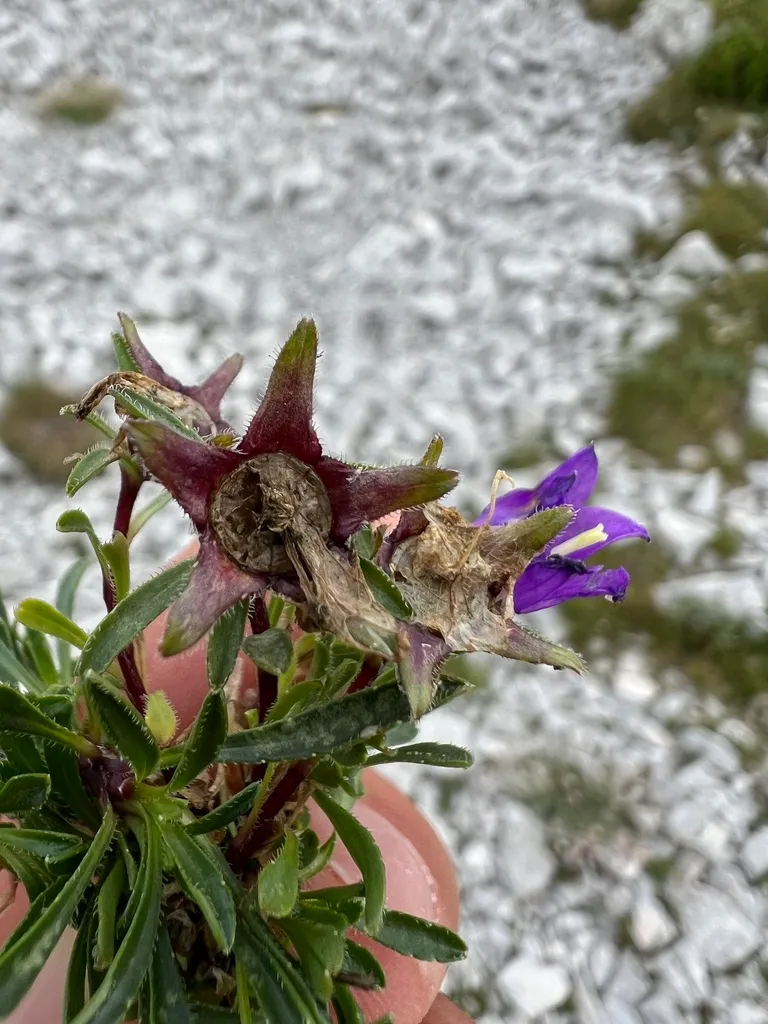
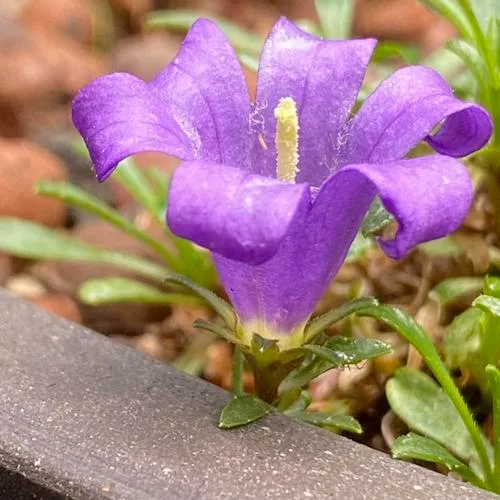
Distribution of Edraianthus serpyllifolius
Distribution map
- Native
- Introduced
- Cultivated
Source:WCVP v16 · Royal Botanic Gardens, Kew · CC BY 3.0 · Boundaries:WGSRPD / TDWG
Edraianthus serpyllifolius care guide
- Moderate regular watering, allowing brief slight drying between soakings
- Watering
- Full sun
- Sunlight

Watering
Moderate regular watering, allowing brief slight drying between soakings
Fertilizing
 Fertilizing
Balanced perennial feed every four weeks from spring through summer
Pruning
 Pruning
No pruning required
Propagation
 Propagation
Propagate by seed outdoors in autumn or propagate by softwood cuttings in summer, taking the material from sideshoots
Growing
 Growing
Perfect for the alpine house, scree beds, gravel gardens, crevice, or rock gardens, sinks and troughs. Needs gritty, well-drained, alkaline soil and full sun. Dislikes winter wet
Common pests and diseases
Diseases
Generally disease-free
Pests
Outdoors, may be susceptible to slugs and snails. In an alpine house, may be susceptible to aphids and glasshouse red spider mite
Explore the plant health library →




