
Our Lord's candle
Also known as: Chaparral yucca; Spanish bayonet
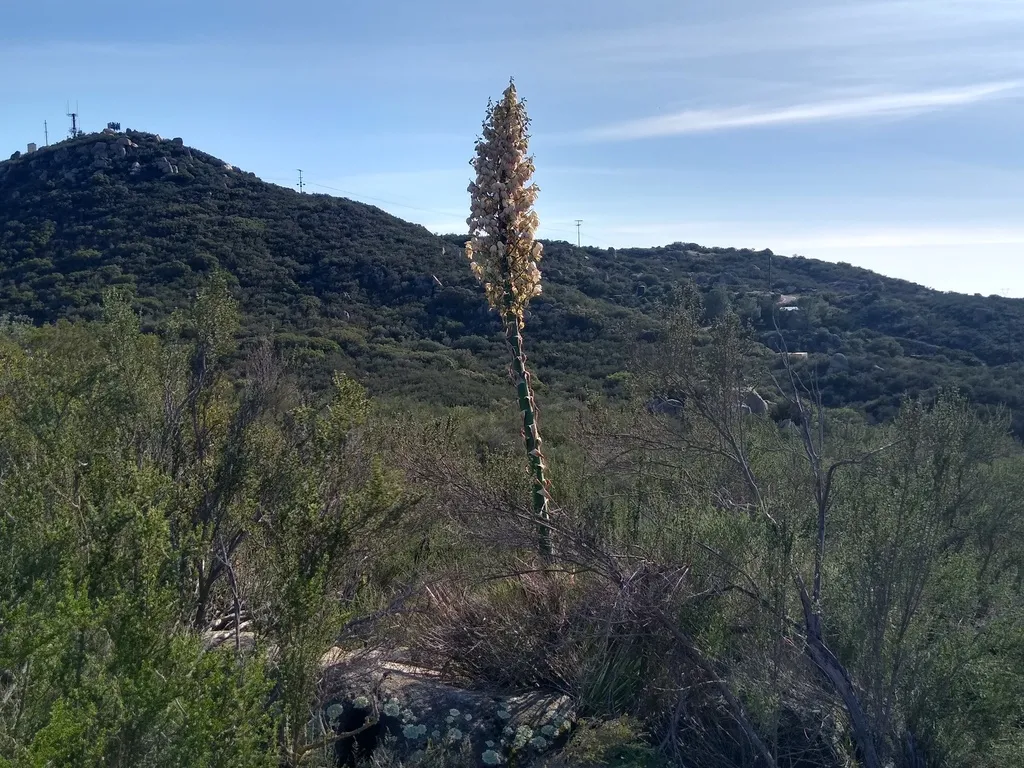
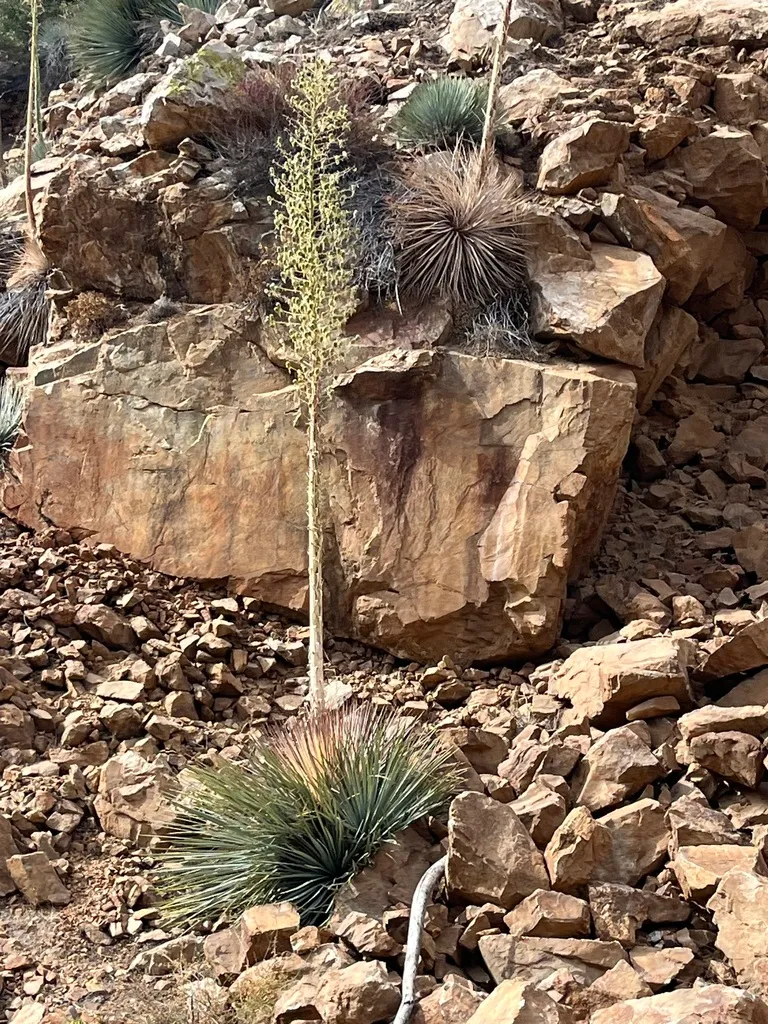
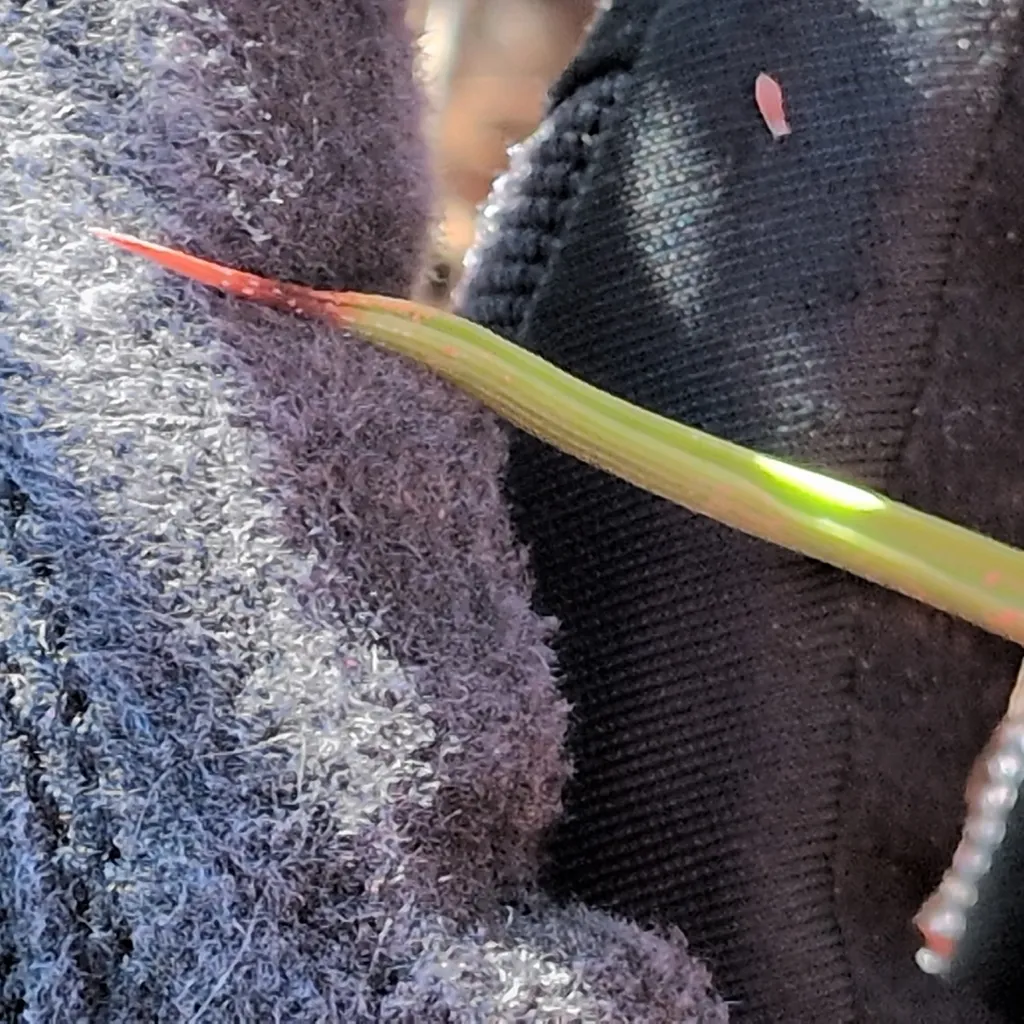
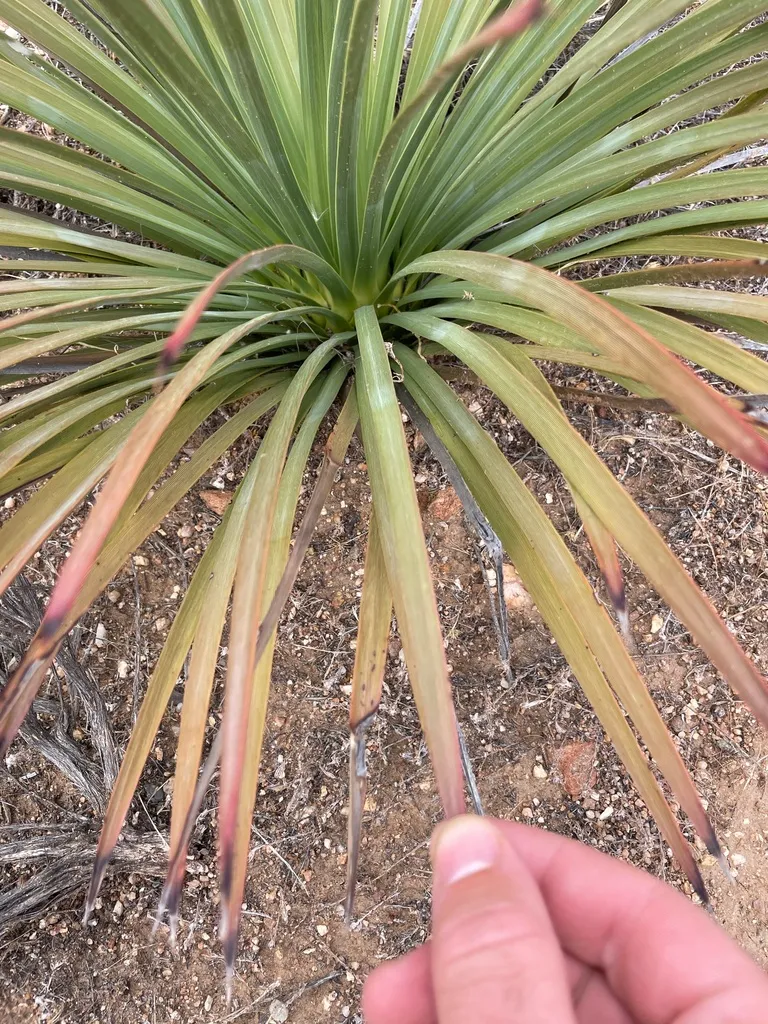
produces a dense, dome-shaped rosette of narrow, spine-tipped, grey-blue, evergreen leaves, to about 1m. Mature plants produce massive flower spikes, potentially to 5m though usually less in gardens. These comprise a stout stem with masses of scented, hanging, bell-shaped, ivory flowers in late summer. Flowers and stem may be flushed with reddish-purple
Scientific classification
- Species
- Our Lord's candle (Hesperoyucca whipplei)
- Genus
- Hesperoyucca
- Family
- Asparagaceae
- Order
- Asparagales
- Class
- Liliopsida
- Phylum
- Magnoliophyta
- Information to be completed
- Toxicity
- Shrubs
- Plant type
- 0.5-1 metres
- Height
- 0.5-1 metres
- Spread
- Evergreen
- Foliage
- Bushy
- Habit
- Spring · Summer · Autumn · Winter
- Season of interest
- Full sun
- Sunlight
- Information to be completed
- Ideal temperature









Our Lord's candle pictures
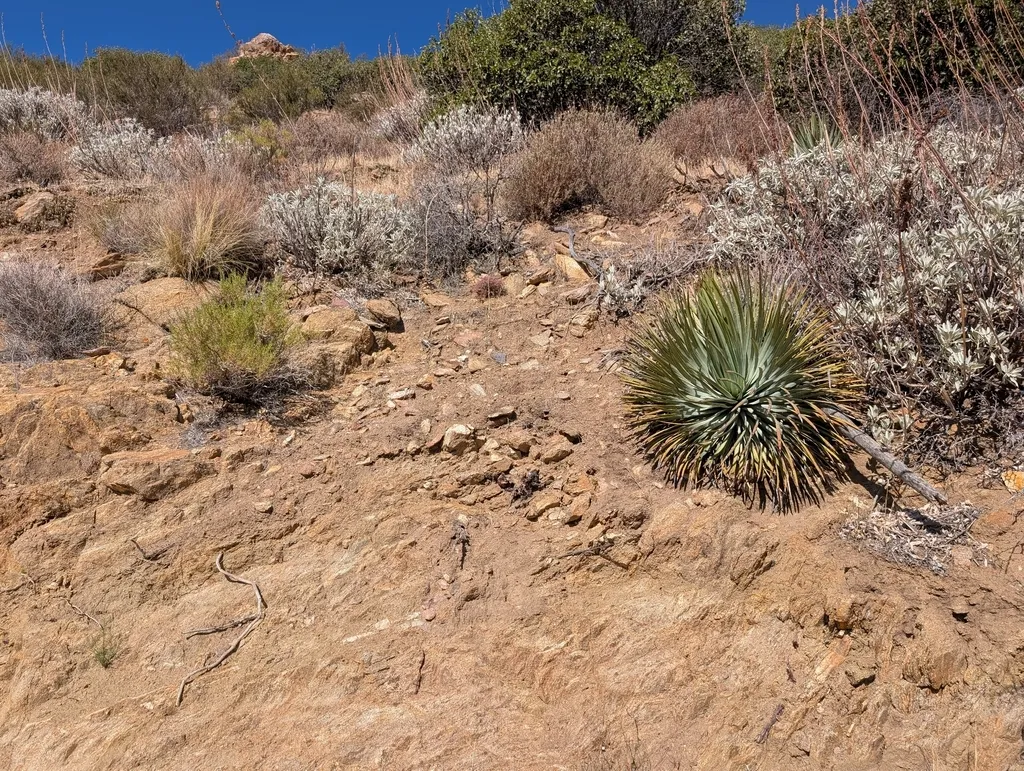
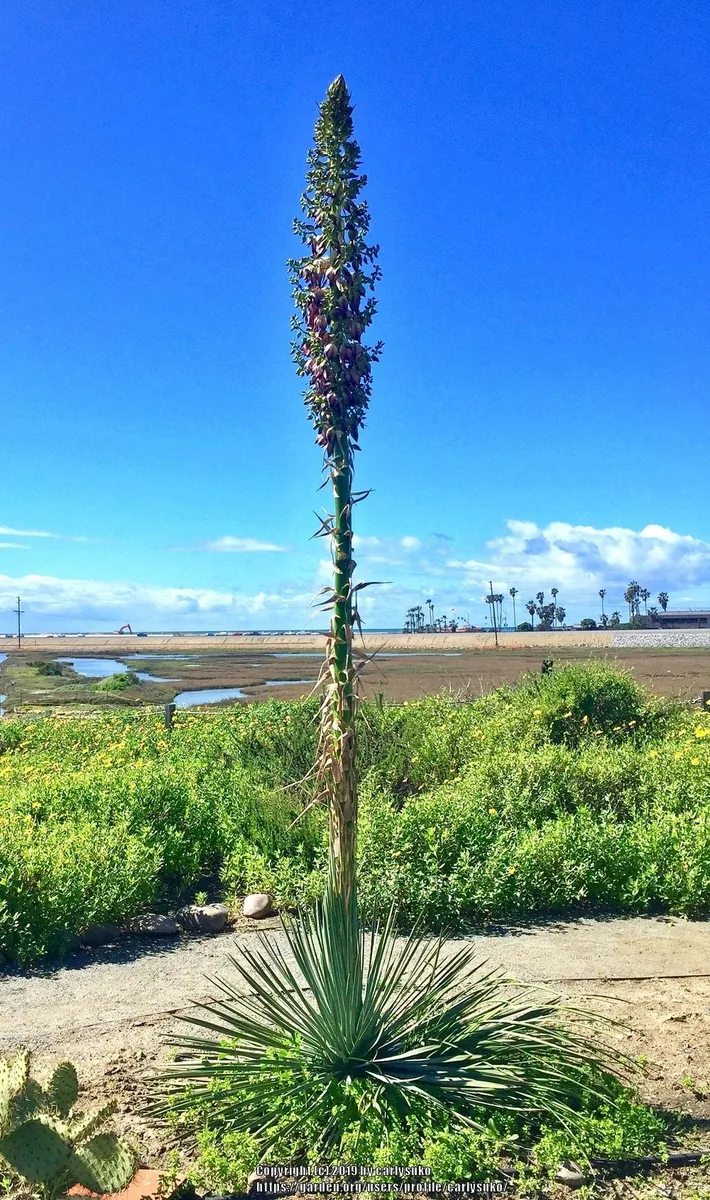
Distribution of Our Lord's candle
Distribution map
- Native
- Introduced
- Cultivated
Source:WCVP v16 · Royal Botanic Gardens, Kew · CC BY 3.0 · Boundaries:WGSRPD / TDWG
Our Lord's candle care guide
- Moderate regular watering, allowing brief slight drying between soakings
- Watering
- Full sun
- Sunlight

Watering
Moderate regular watering, allowing brief slight drying between soakings
Fertilizing
 Fertilizing
Balanced perennial feed every four weeks from spring through summer
Pruning
 Pruning
No pruning required
Propagation
 Propagation
Propagate by seed or remove rooted suckers
Growing
 Growing
Grow outdoors in any well-drained soil in full sun. The rosette dies after flowering, and should be carefully cut away, but is usually replaced by one or more offsets
Common pests and diseases
Diseases
May be subject to a leaf spot
Pests
May be attacked by aphids on flower spikes
Explore the plant health library →




