
flowering gum
Also known as: red gum; red-flowering gum; scarlet-flowering gum
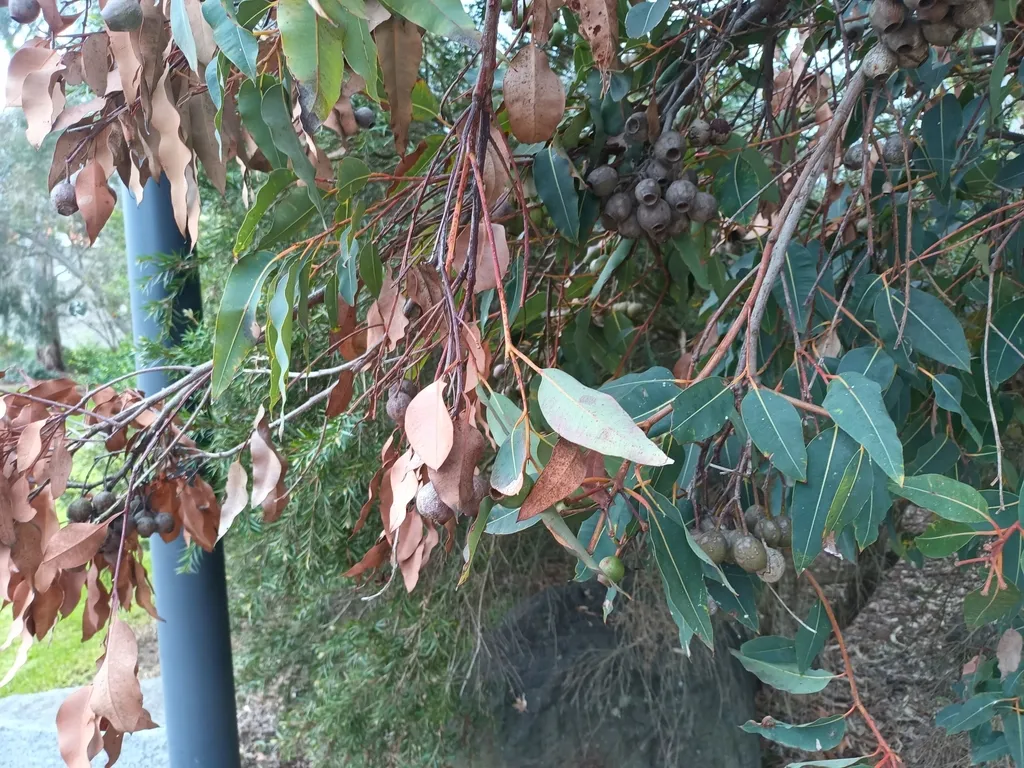
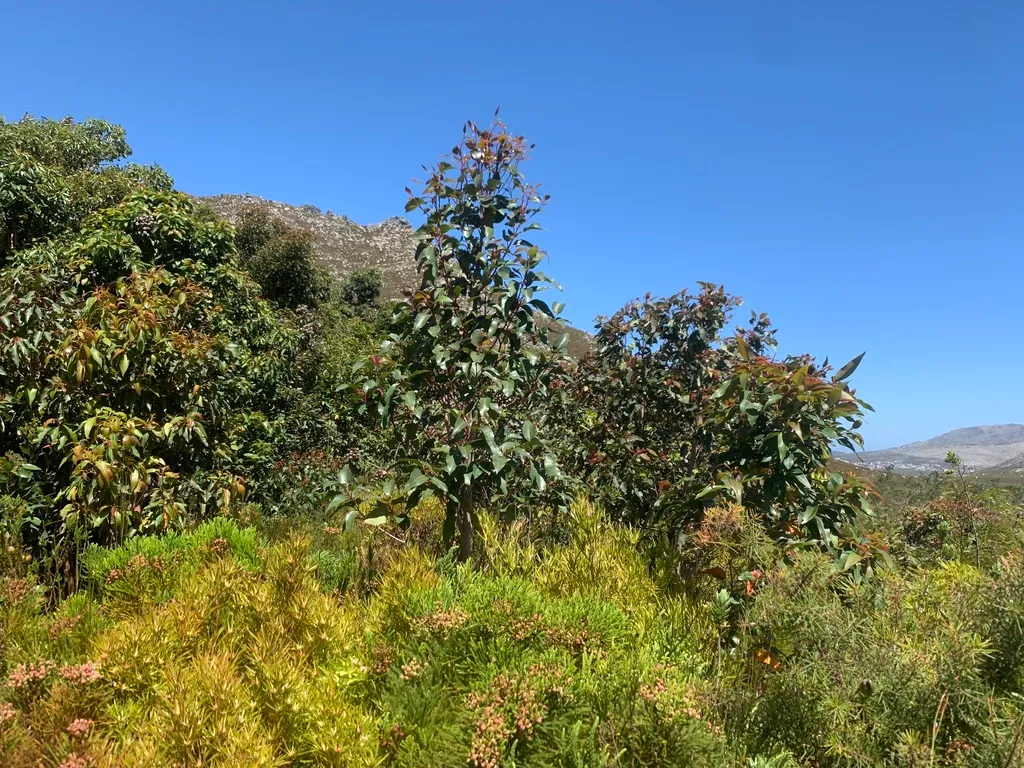
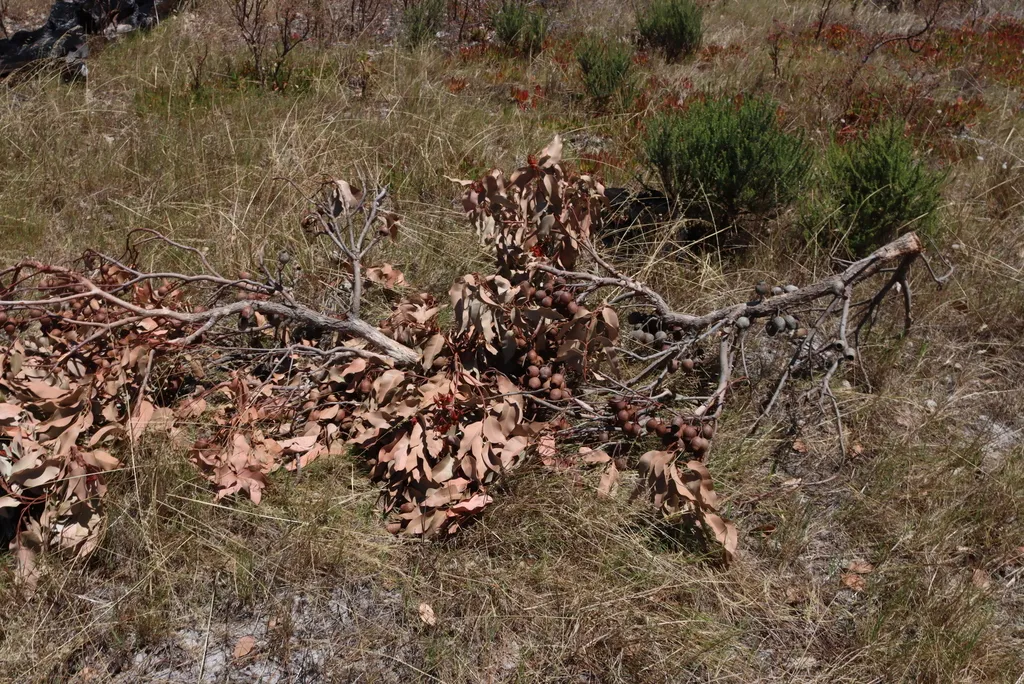
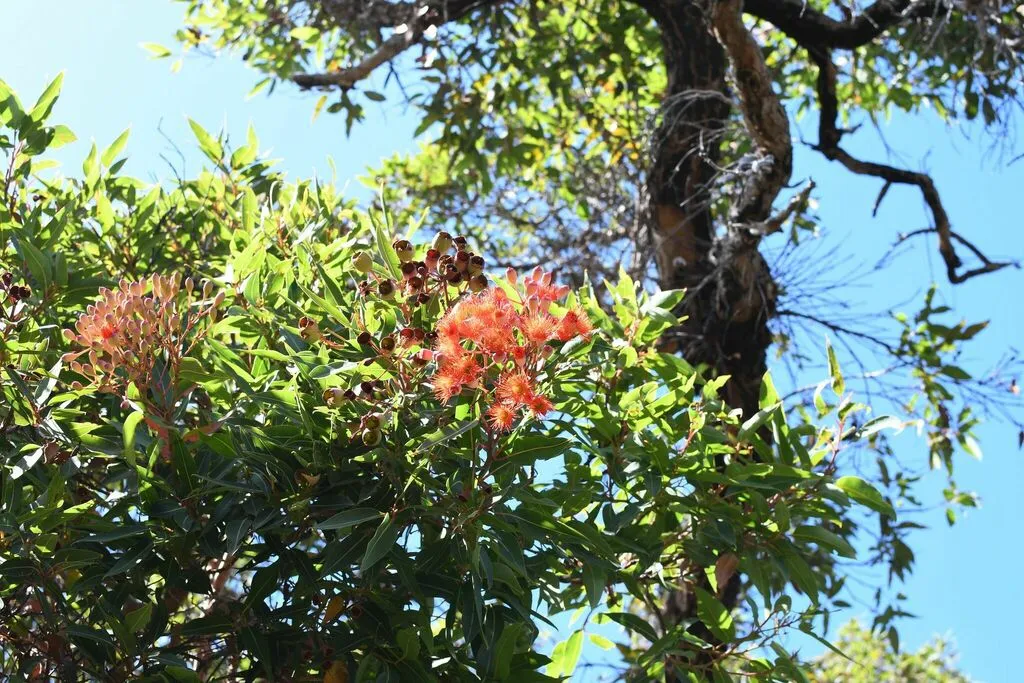
Tender evergreen tree about 6-15m depending on local conditions, with rough, dark greyish-brown bark, and ovate to broadly lance-shaped, mid to dark green leaves, paler beneath to 15cm long. From summer to autumn bears large clusters of 3-7 scarlet or flame-coloured flowers towards the ends of the branches followed by urn-shaped woody seed capsules
Scientific classification
- Species
- flowering gum (Corymbia ficifolia)
- Genus
- Corymbia
- Family
- Myrtaceae
- Order
- Myrtales
- Class
- Magnoliopsida
- Phylum
- Tracheophyta
- Information to be completed
- Toxicity
- Trees
- Plant type
- Higher than 12 metres
- Height
- wider than 8 metres
- Spread
- Evergreen
- Foliage
- Information to be completed
- Habit
- Spring · Summer · Autumn · Winter
- Season of interest
- Full sun
- Sunlight
- Information to be completed
- Ideal temperature









flowering gum pictures
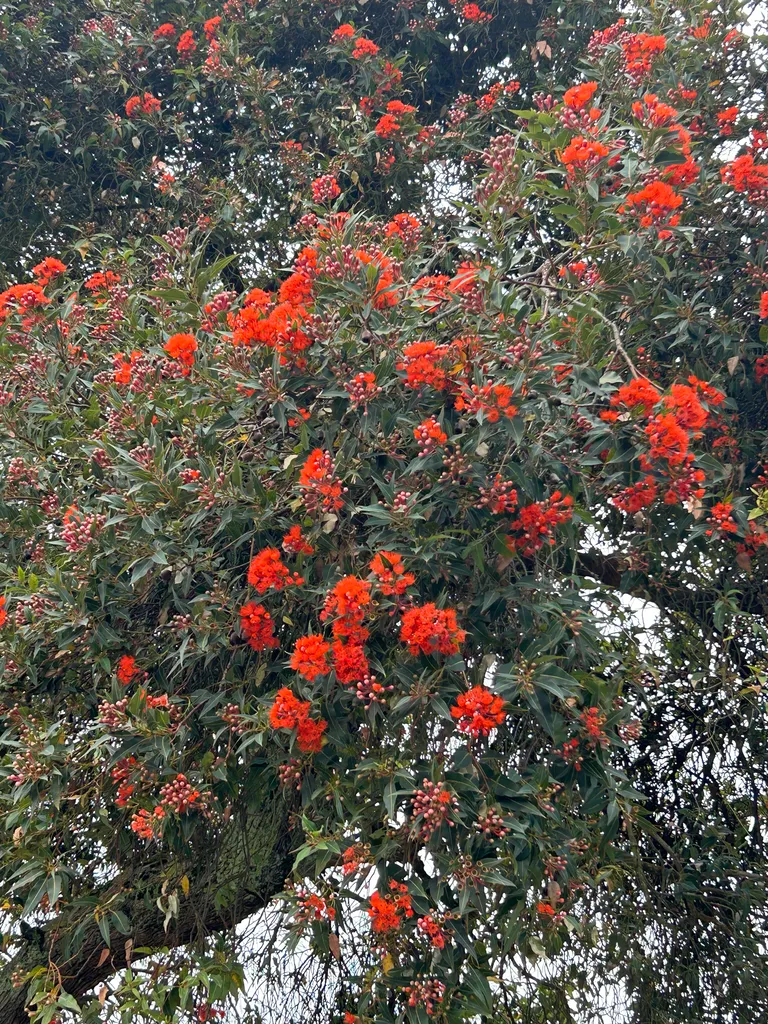
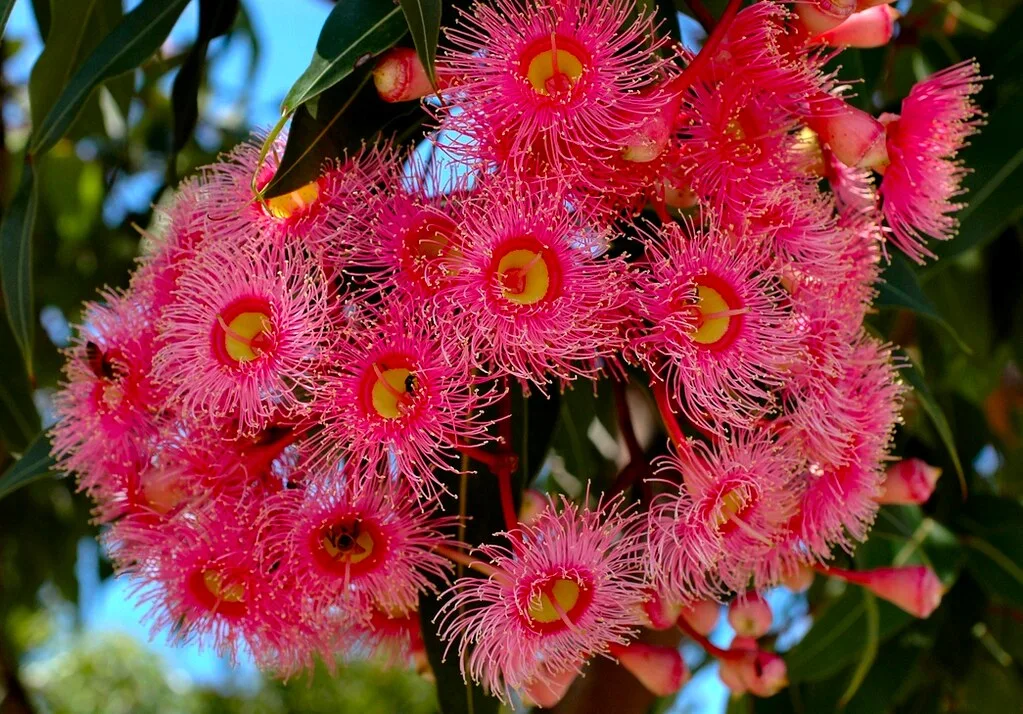
Distribution of flowering gum
Distribution map
- Native
- Introduced
- Cultivated
Source:WCVP v16 · Royal Botanic Gardens, Kew · CC BY 3.0 · Boundaries:WGSRPD / TDWG
flowering gum care guide
- Moderate regular watering, allowing brief slight drying between soakings
- Watering
- Full sun
- Sunlight

Watering
Moderate regular watering, allowing brief slight drying between soakings
Fertilizing
 Fertilizing
Balanced perennial feed every four weeks from spring through summer
Pruning
 Pruning
Little pruning is needed. Remove diseased, damaged, crowded or crossing shoots and unwanted growth. Timing depends on the plant: generally late winter or early spring; plants prone to bleeding and deciduous magnolias need different timing, and deciduous azaleas and lilacs are pruned after flowering.
Propagation
 Propagation
Propagate by seed at 13-18°C in spring and summer
Growing
 Growing
In frost-free areas, grow in neutral to acid soil that doesn't dry out, in full sun with shelter from wind; in frost-prone areas, grow in a cool or temperate greenhouse, in a mix of lime-free potting compost and grit, in full light with good ventilation. Water freely in spring and summer and apply a general fertiliser monthly, water sparingly in winter. See eucalyptus cultivation
Common pests and diseases
Diseases
May be susceptible to silver leaf and oedema
Pests
May be susceptible to eucalyptus gall wasp and eucalyptus sucker
Explore the plant health library →




