
dyer's chamomile
Also known as: golden marguerite; ox-eye chamomile; yellow chamomile
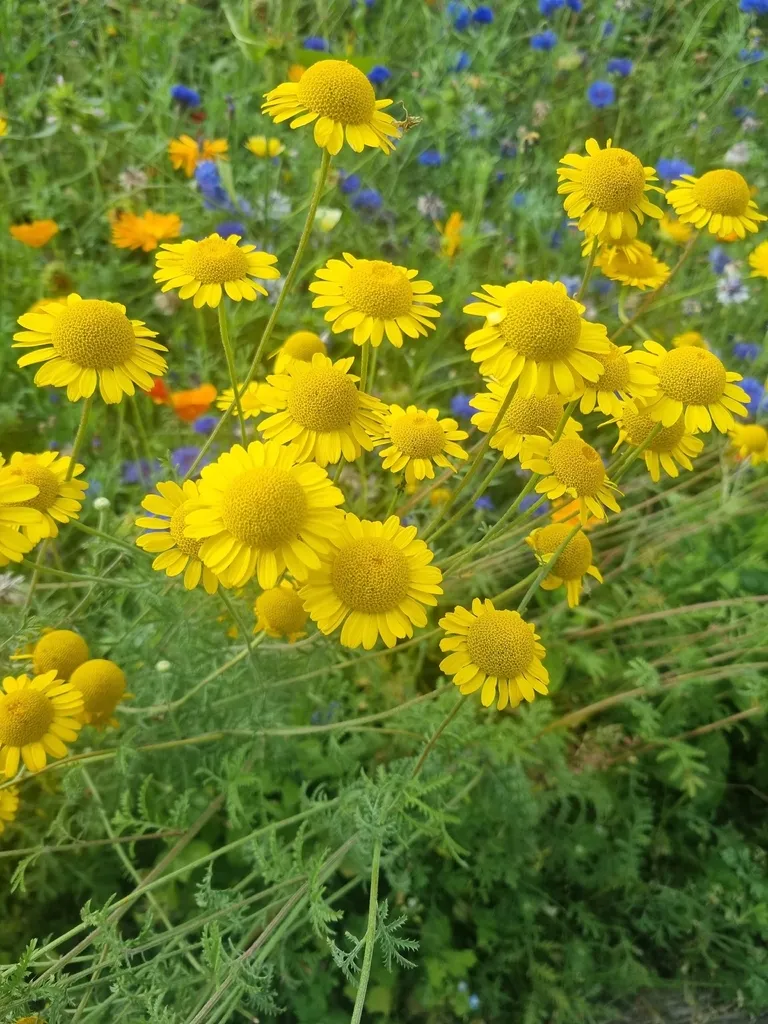
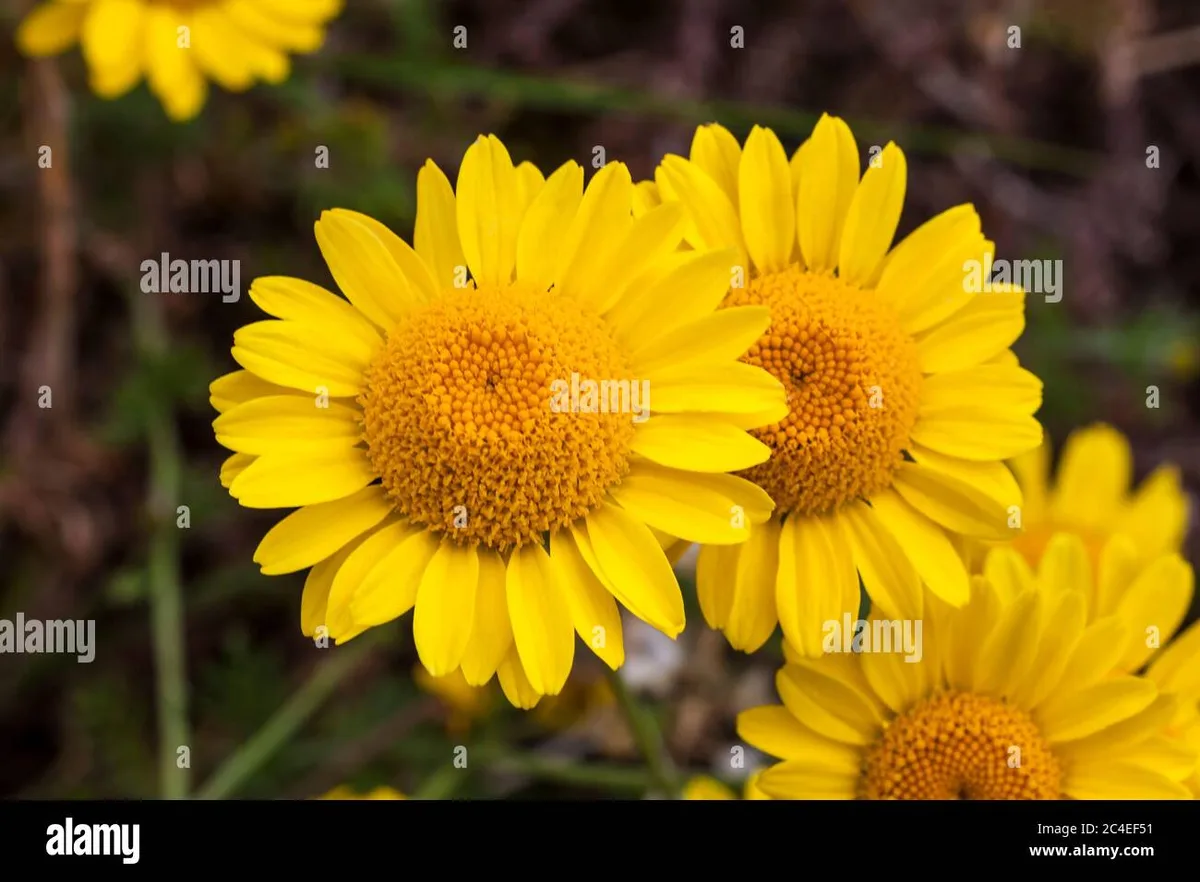
A clump forming perennial with finely divided leaves, mid-green above and downy-grey beneath. Plentiful golden yellow flowers are held on uprights stems in summer.
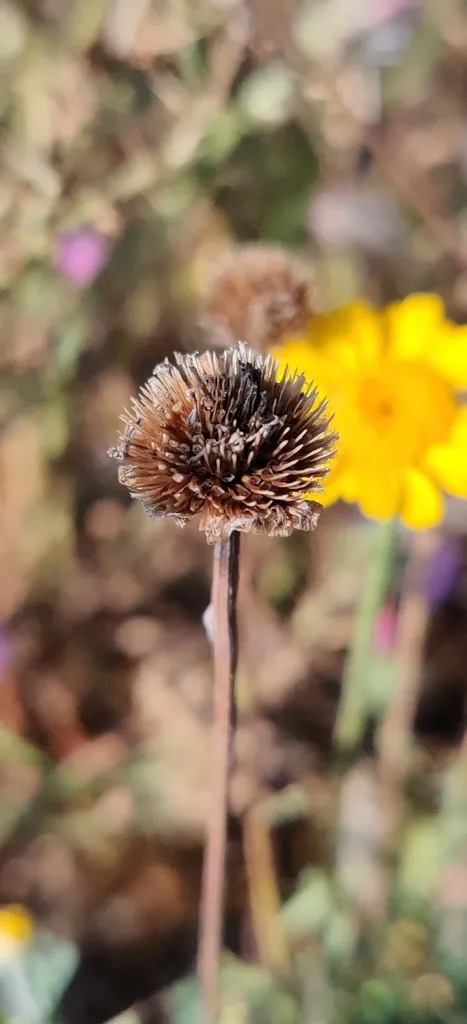
Scientific classification
- Species
- dyer's chamomile (Cota tinctoria)
- Genus
- Cota
- Family
- Asteraceae
- Information to be completed
- Toxicity
- Herbaceous Perennial
- Plant type
- 0.5-1 metres
- Height
- 0.5-1 metres
- Spread
- Deciduous
- Foliage
- Clump forming
- Habit
- Spring · Summer · Autumn
- Season of interest
- Full sun
- Sunlight
- Information to be completed
- Ideal temperature









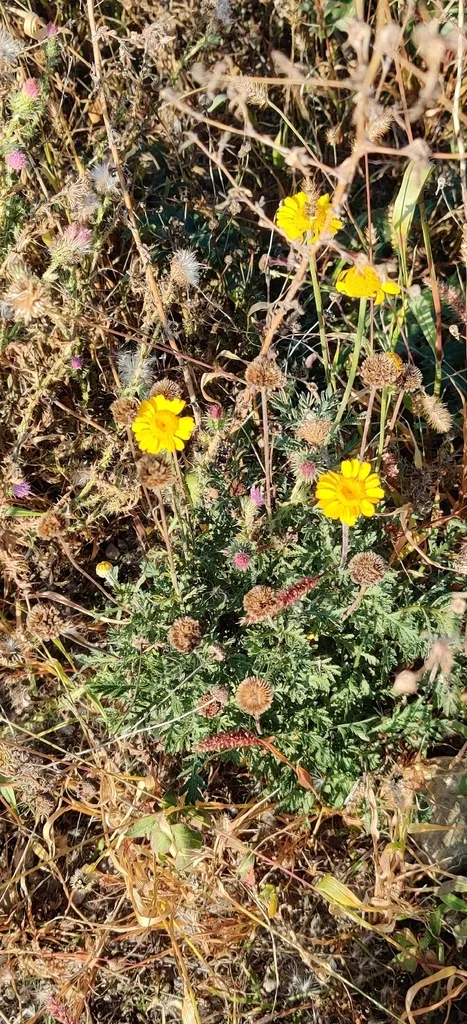
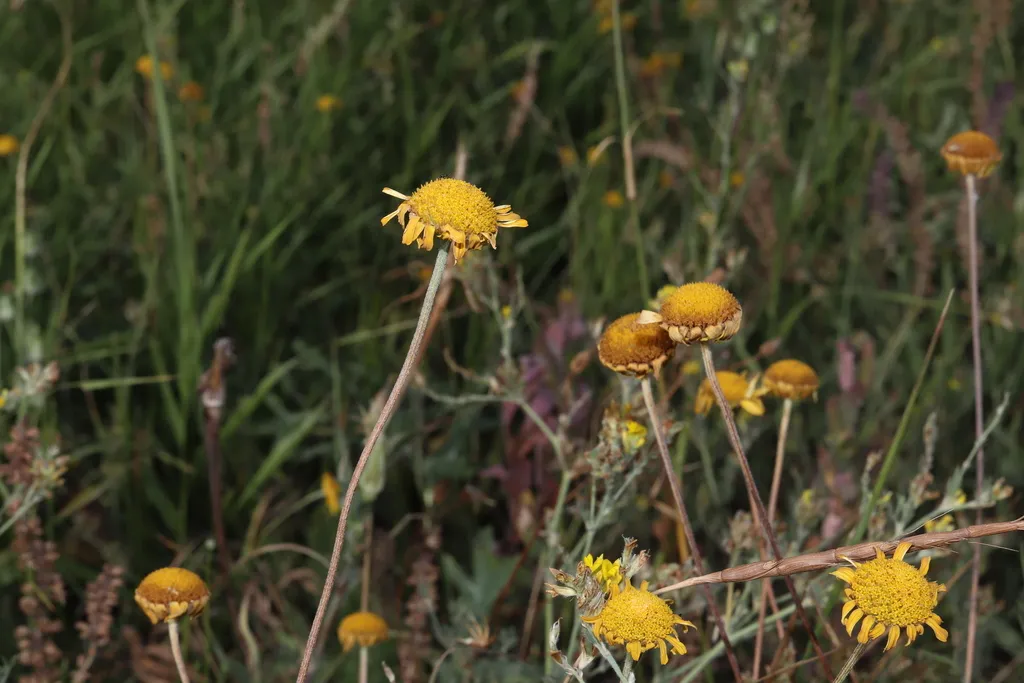
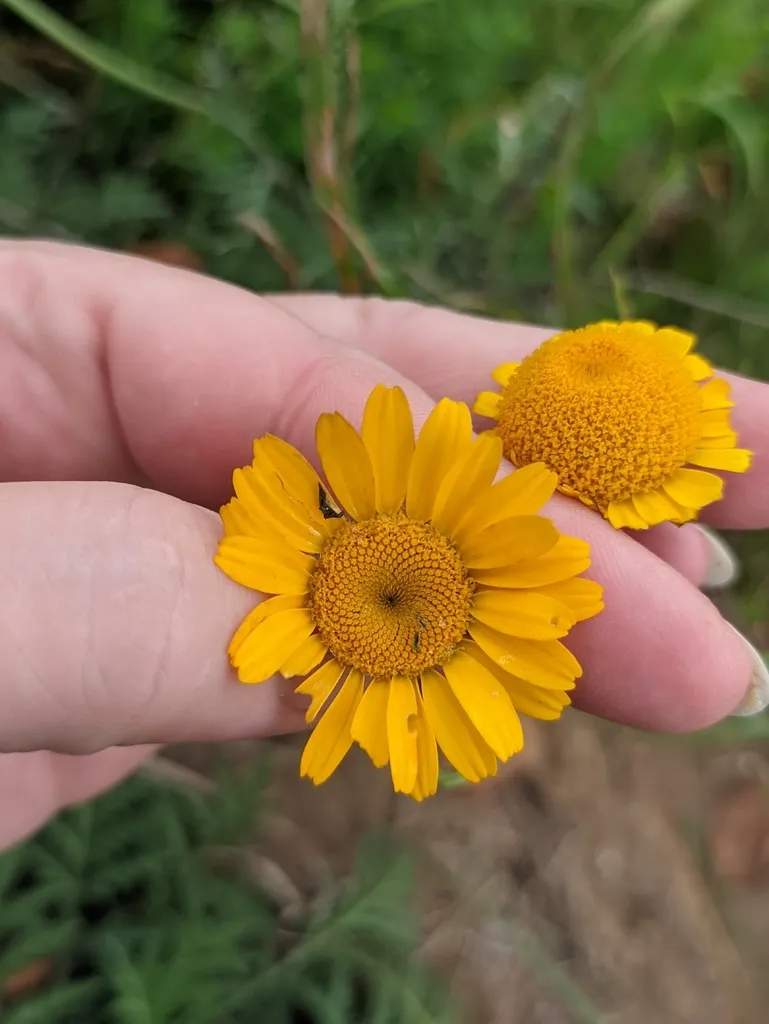
dyer's chamomile pictures
Distribution of dyer's chamomile
Distribution map
- Native
- Introduced
- Cultivated
Source:WCVP v16 · Royal Botanic Gardens, Kew · CC BY 3.0 · Boundaries:WGSRPD / TDWG
Culture
Information to be completed
Toxicity
Information to be completed
Quick identification of dyer's chamomile
Information to be completed
dyer's chamomile care guide
- Water when top soil dries, tolerate brief mild dryness well
- Watering
- Full sun
- Sunlight
- Information to be completed
- Ideal temperature

Watering
Water when top soil dries, tolerate brief mild dryness well
Fertilizing
 Fertilizing
Light balanced liquid fertilizer every three weeks in growing season
Pruning
 Pruning
Cut back hard after flowering to encourage basal growth that will overwinter
Propagation
 Propagation
Propagate by seed in pots in a cold frame in spring, by division in spring or root basal cuttings in late spring to early summer
Growing
 Growing
Grow in full sun in well-drained soil; it is drought-resistant and tolerant of poor soils
People also ask
Information to be completed
Common pests and diseases
Diseases
May be susceptible to Powdery mildews
Pests
May be susceptible to aphids, slugs and snails.
Explore the plant health library →




