
pandan-like-leaved eryngo
Also known as: Information to be completed
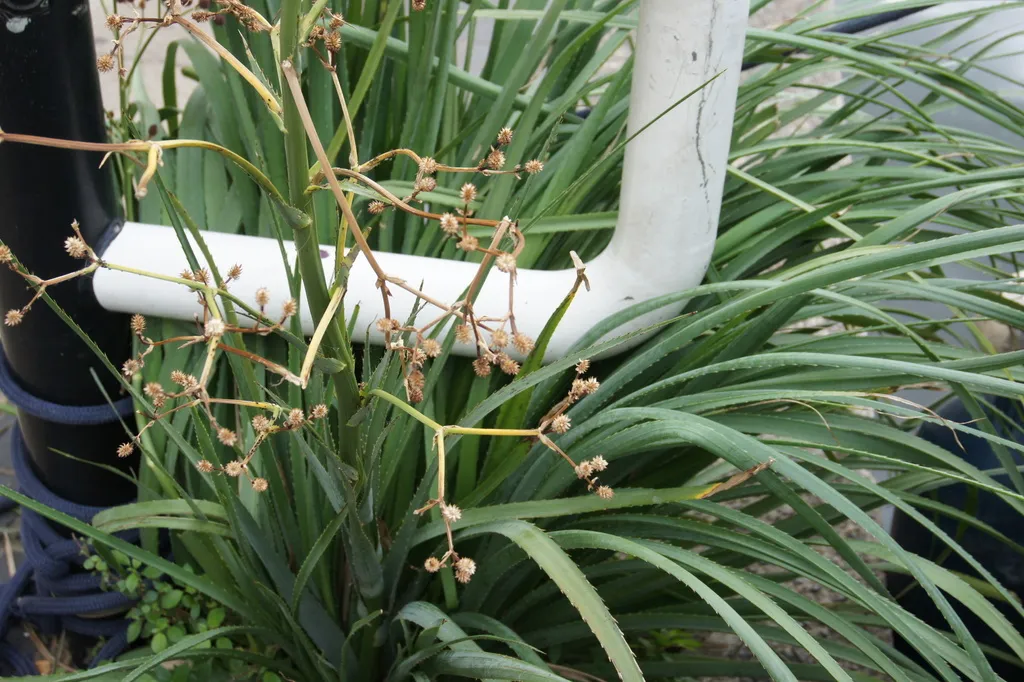
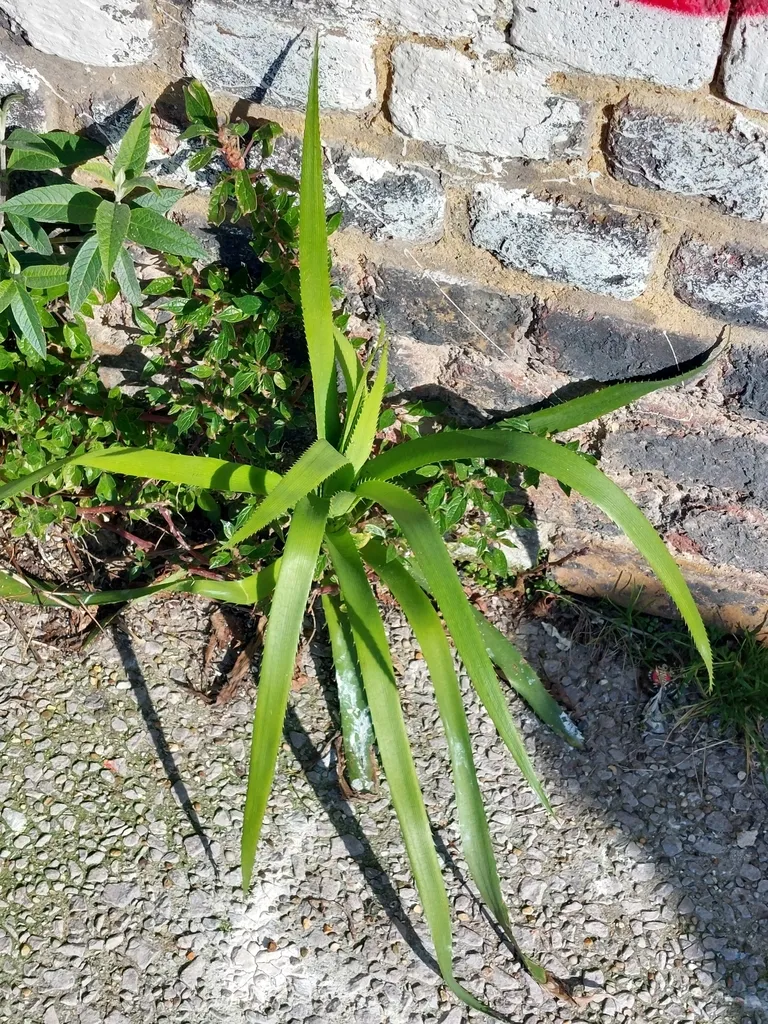
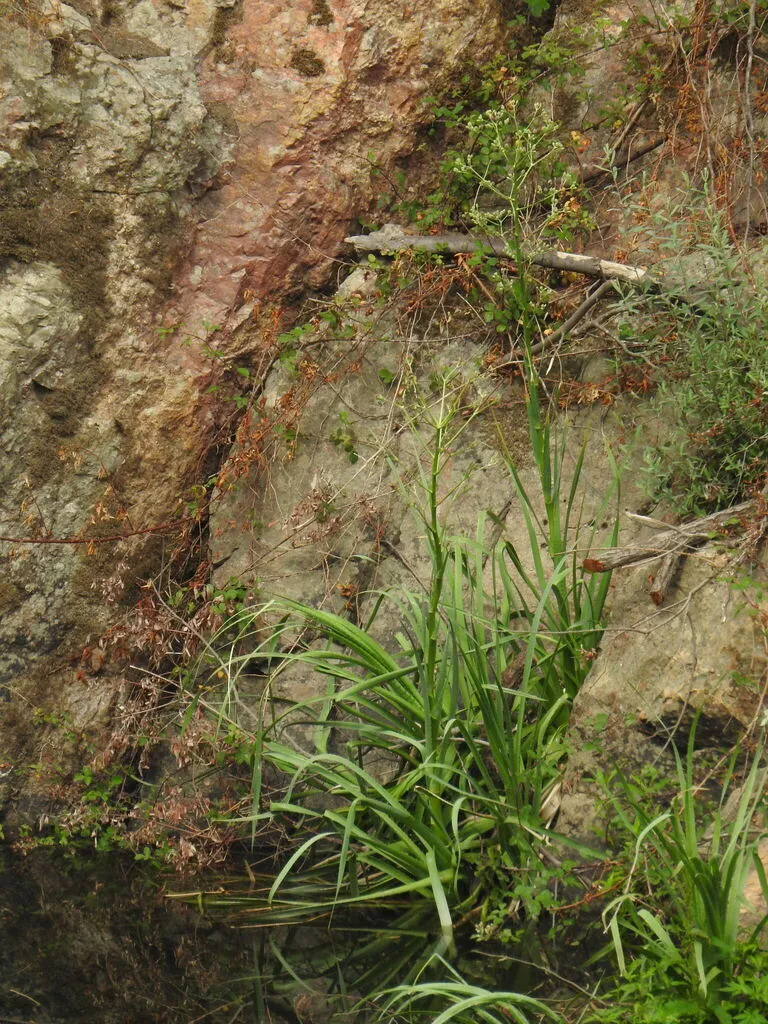
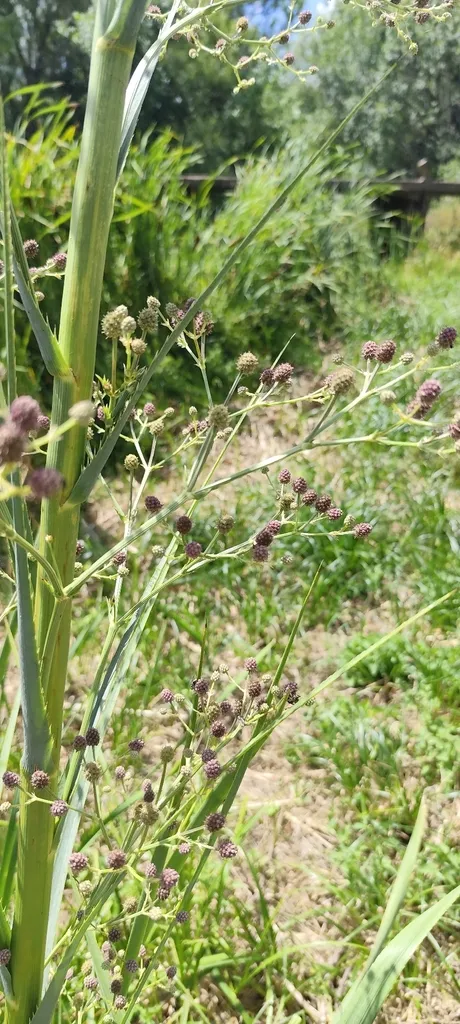
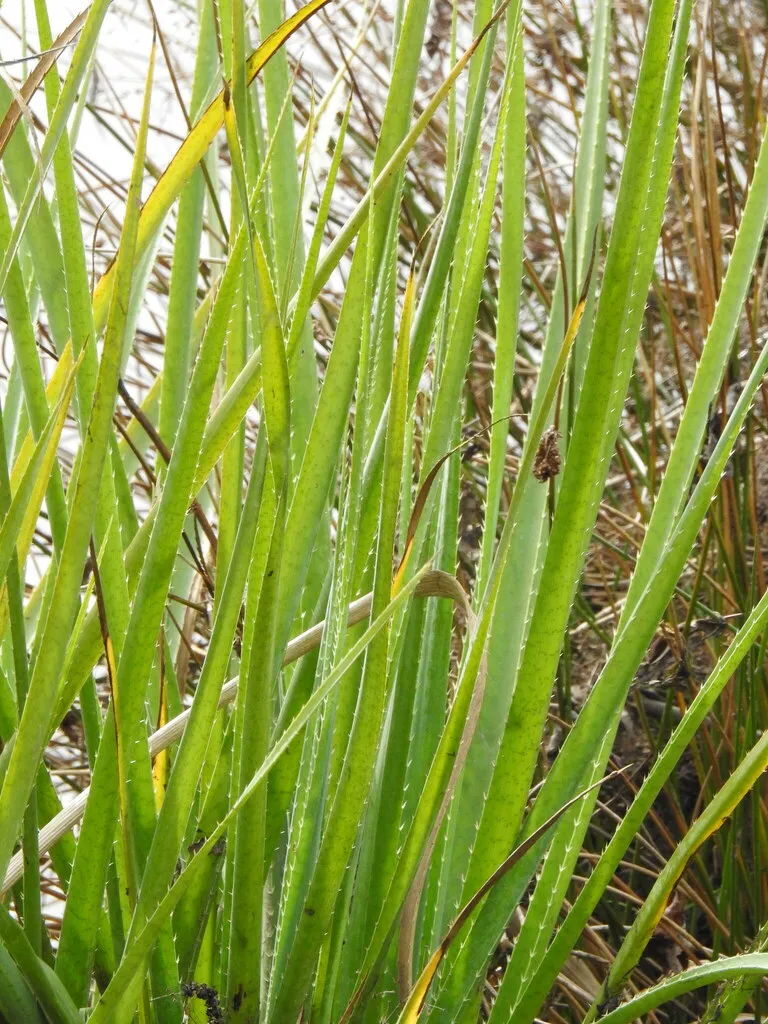
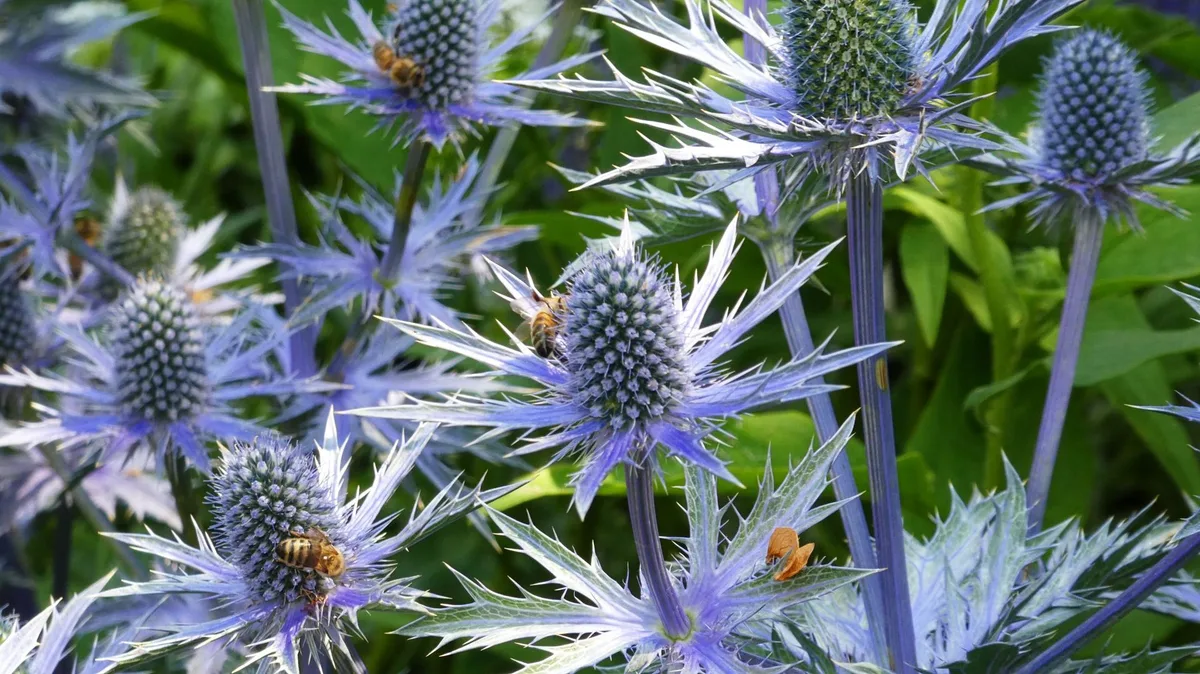
An imposing plant, forming a dense clump of large, sword-shaped, spiny-margined blue-green leaves, to 1.5m. In late summer it produces stems to 2.5m, with axillary branches for their whole length, bearing many small, round, purplish-grey flower heads, which may mature to chocolate brown if not effected by frost
Scientific classification
- Species
- pandan-like-leaved eryngo (Eryngium pandanifolium)
- Genus
- Eryngium
- Family
- Apiaceae
- Order
- Apiales
- Class
- Magnoliopsida
- Phylum
- Magnoliophyta
- Information to be completed
- Toxicity
- Herbaceous Perennial
- Plant type
- 1.5-2.5 metres
- Height
- 1-1.5 metres
- Spread
- Evergreen
- Foliage
- Bushy
- Habit
- Spring · Summer · Autumn · Winter
- Season of interest
- Full sun
- Sunlight
- Information to be completed
- Ideal temperature









pandan-like-leaved eryngo pictures
Distribution of pandan-like-leaved eryngo
Distribution map
- Native
- Introduced
- Cultivated
Source:WCVP v16 · Royal Botanic Gardens, Kew · CC BY 3.0 · Boundaries:WGSRPD / TDWG
pandan-like-leaved eryngo care guide
- Moderate regular watering, allowing brief slight drying between soakings
- Watering
- Full sun
- Sunlight

Watering
Moderate regular watering, allowing brief slight drying between soakings
Fertilizing
 Fertilizing
Balanced perennial feed every four weeks from spring through summer
Pruning
 Pruning
Cut back old flowering stems after they have finished
Propagation
 Propagation
Propagate by seed sown in containers in a cold frame as soon as ripe. Divide clumps in spring, although they may be slow to re-establish, or take root cuttings in late winter
Growing
 Growing
Requires a sheltered position in moist, well drained fertile soil in full sun
Common pests and diseases
Diseases
May be susceptible to root rot and powdery mildews
Pests
May be susceptible to leaf and bud eelworms, and slugs and snails
Explore the plant health library →




