
Quercus germana
Also known as: Information to be completed
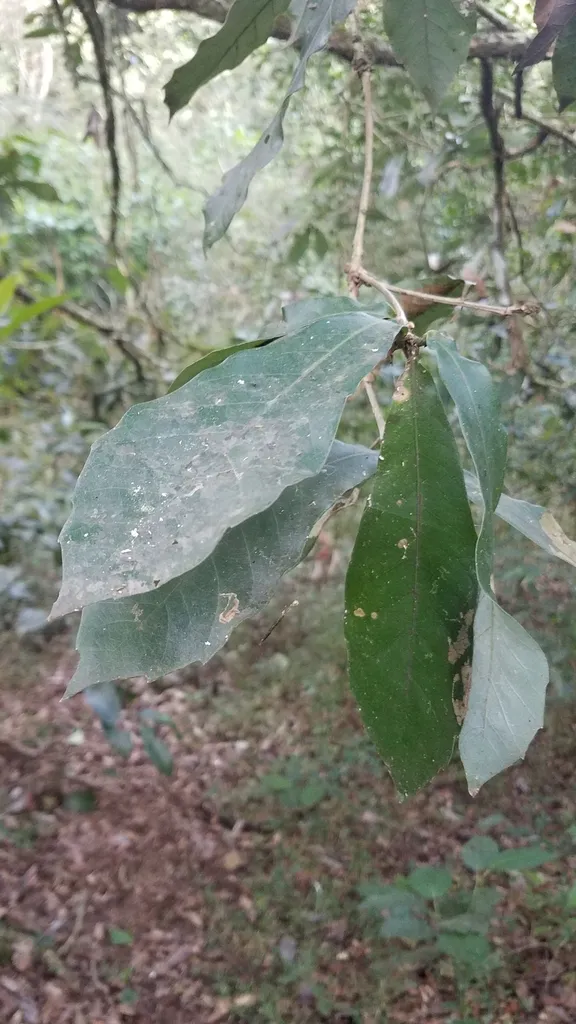
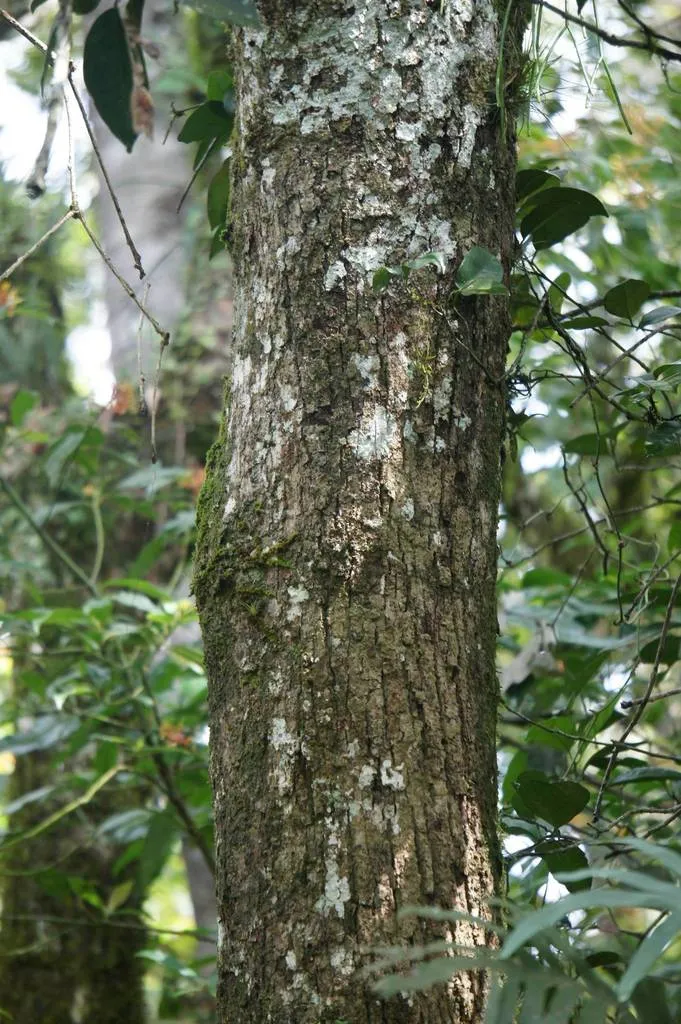
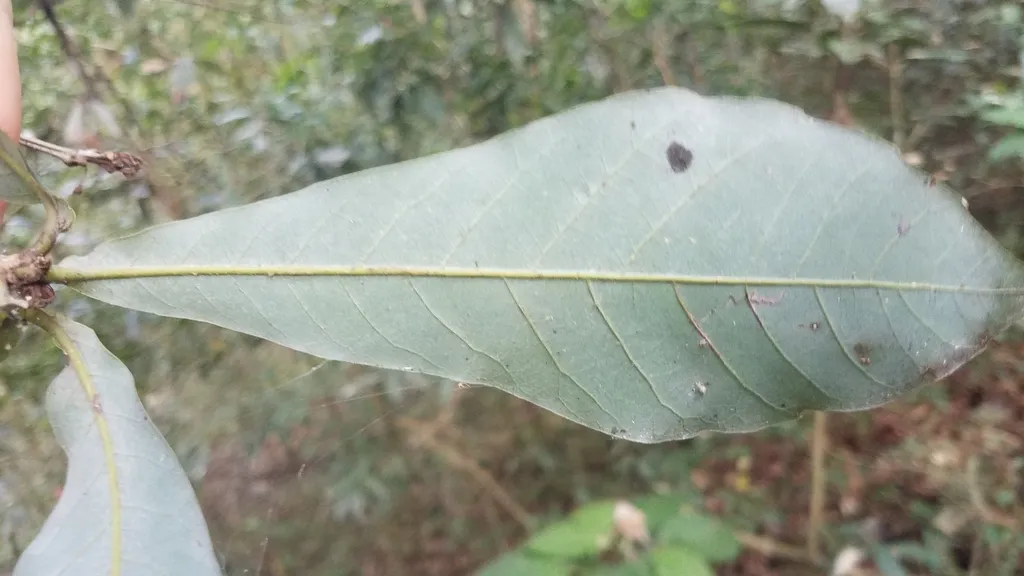
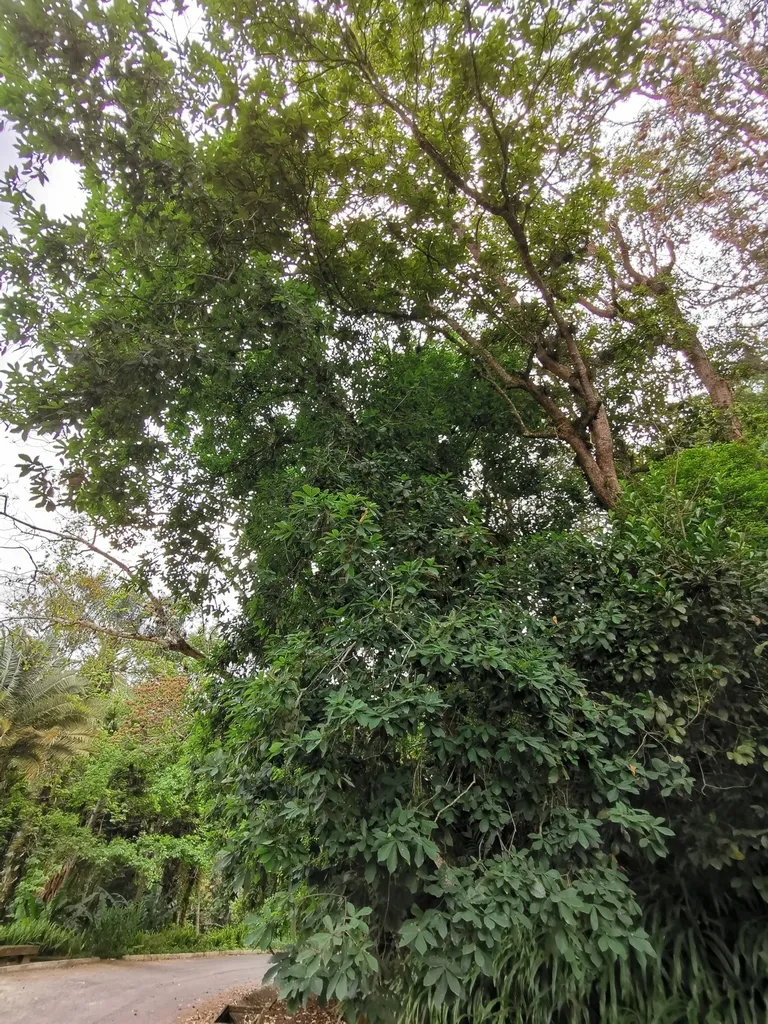
A medium-sized semi-evergreen or deciduous tree to around 15m in height. The leaves emerge coppery red then become green and are around 15cm long with shallow teeth at the tip end. The acorns are large and in a warty cup. The leaves remain a long time on the tree, often only falling just before the new ones emerge
Scientific classification
- Species
- Quercus germana (Quercus germana)
- Genus
- Quercus
- Family
- Fagaceae
- Information to be completed
- Toxicity
- Trees
- Plant type
- Higher than 12 metres
- Height
- wider than 8 metres
- Spread
- Deciduous
- Foliage
- Information to be completed
- Habit
- Spring · Summer · Autumn · Winter
- Season of interest
- Full sun
- Sunlight
- Information to be completed
- Ideal temperature









Quercus germana pictures
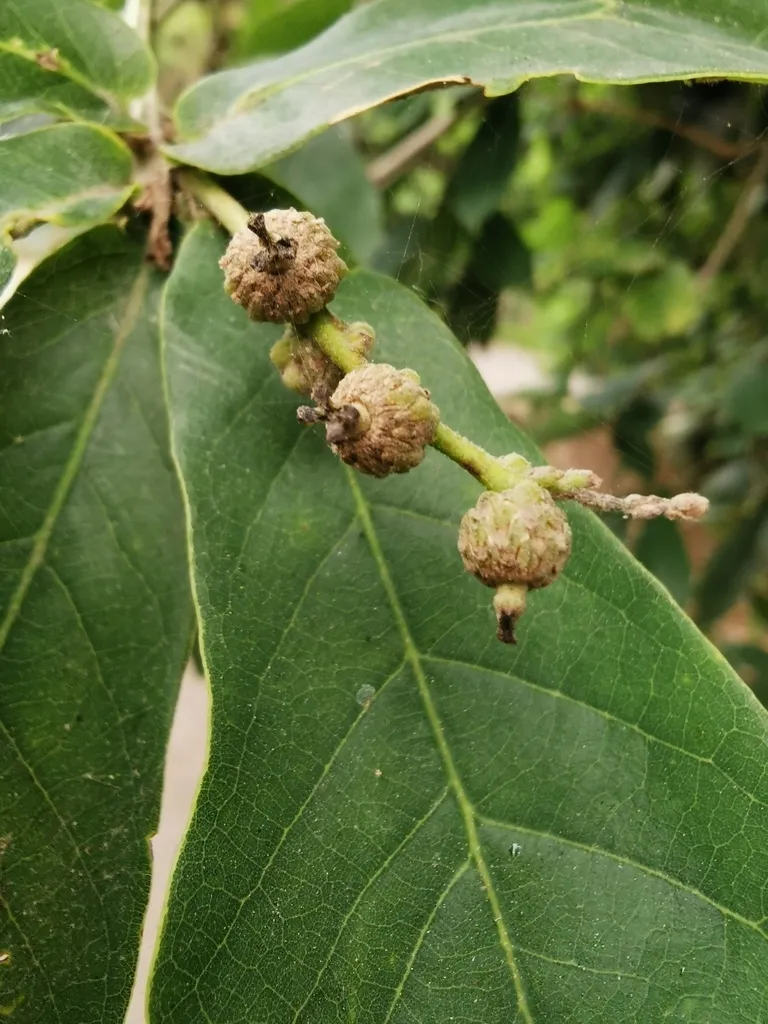
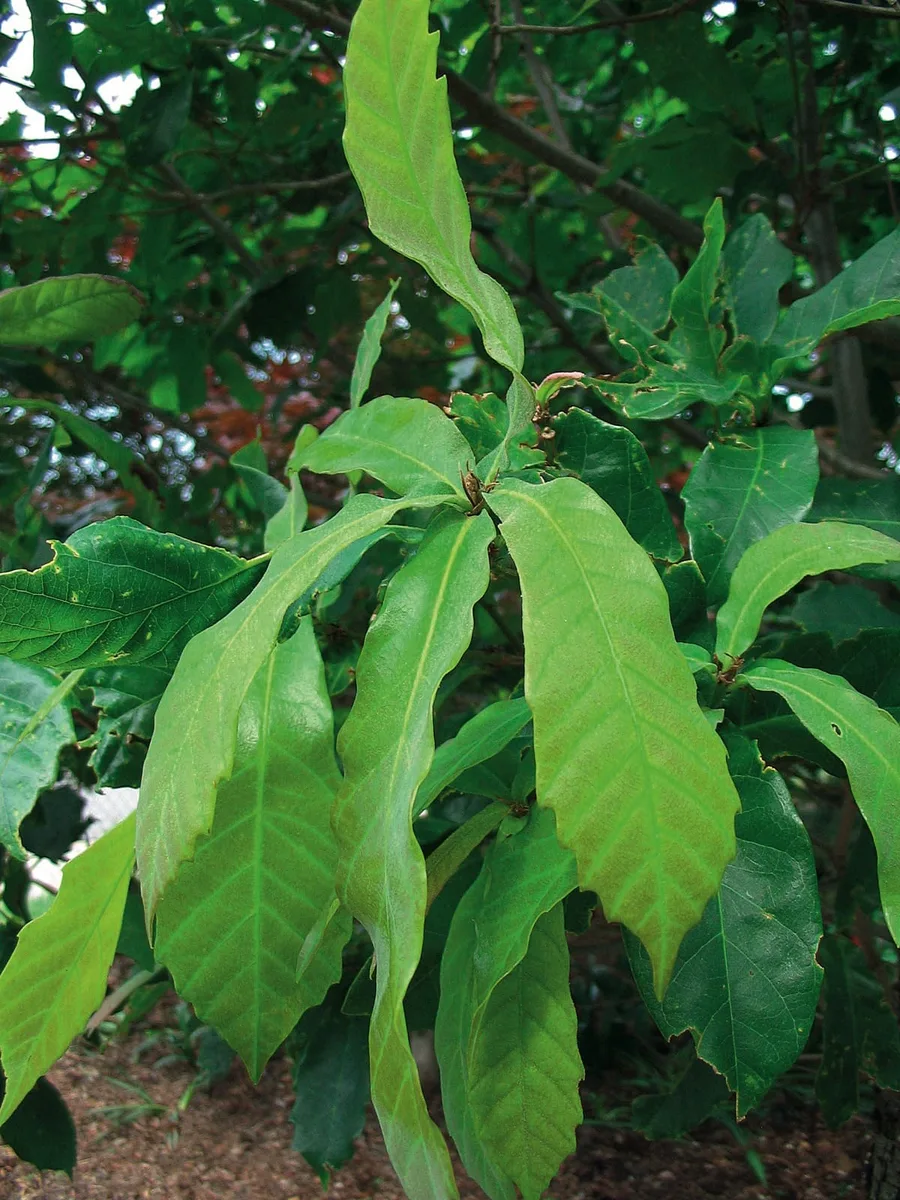
Distribution of Quercus germana
Distribution map
Information to be completed
Information to be completed
Culture
Information to be completed
Toxicity
Information to be completed
Quick identification of Quercus germana
Information to be completed
Quercus germana care guide
- Deep infrequent watering, establish drought tolerance with maturity
- Watering
- Full sun
- Sunlight
- Information to be completed
- Ideal temperature

Watering
Deep infrequent watering, establish drought tolerance with maturity
Fertilizing
 Fertilizing
Slow-release tree granular fertilizer applied single early spring dose
Pruning
 Pruning
Little pruning is needed. Remove diseased, damaged, crowded or crossing shoots and unwanted growth. Timing depends on the plant: generally late winter or early spring; plants prone to bleeding and deciduous magnolias need different timing, and deciduous azaleas and lilacs are pruned after flowering.
Propagation
 Propagation
Propagate by hardwood cuttings in autumn or by sowing seed soon after it drops. For more advice see propagating from seed (tree/shrub
Growing
 Growing
Suited to large gardens and parkland. Grow in any well-drained but moisture-retentive soil in good light. Needs good summer weather. For more advice see tree cultivation
People also ask
Information to be completed
Common pests and diseases
Diseases
May be susceptible to powdery mildews and honey fungus
Pests
May be susceptible to oak processionary moth, aphids, caterpillars, leaf-mining moths and oak gall wasps
Explore the plant health library →




