
Euphorbia flanaganii
Also known as: Information to be completed
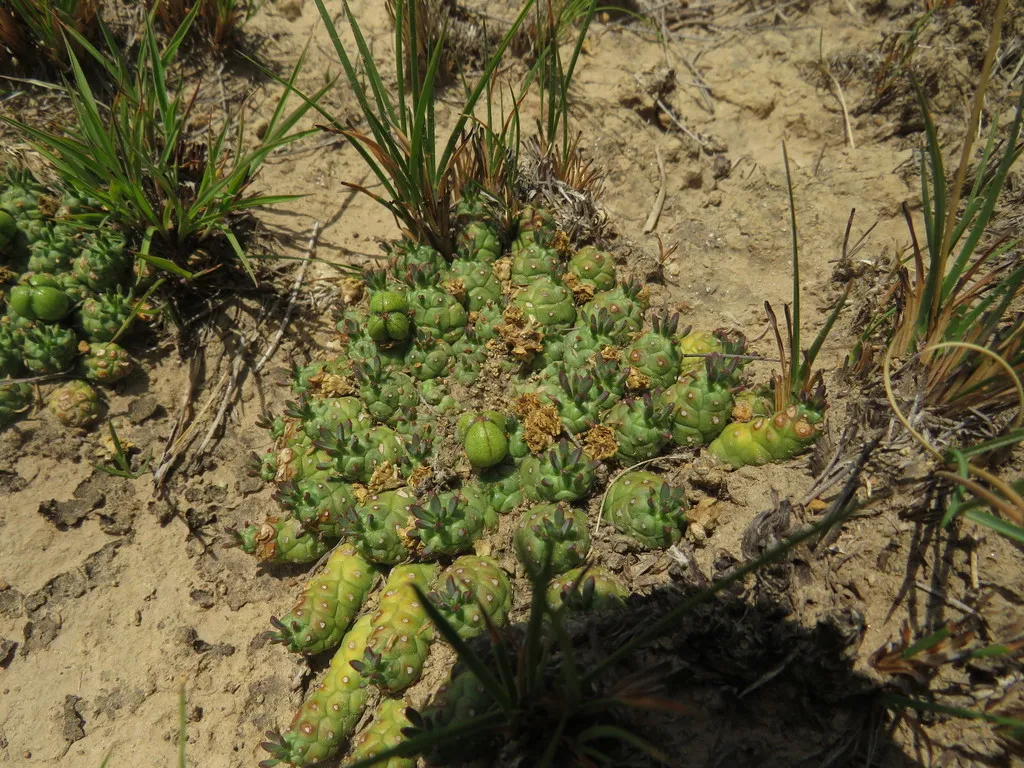
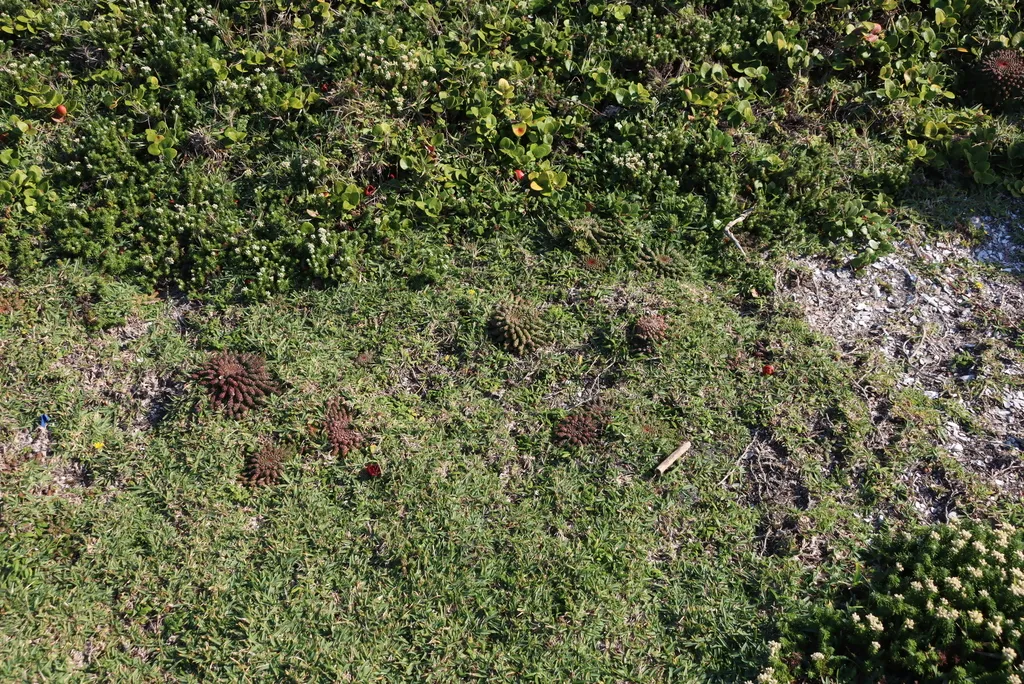
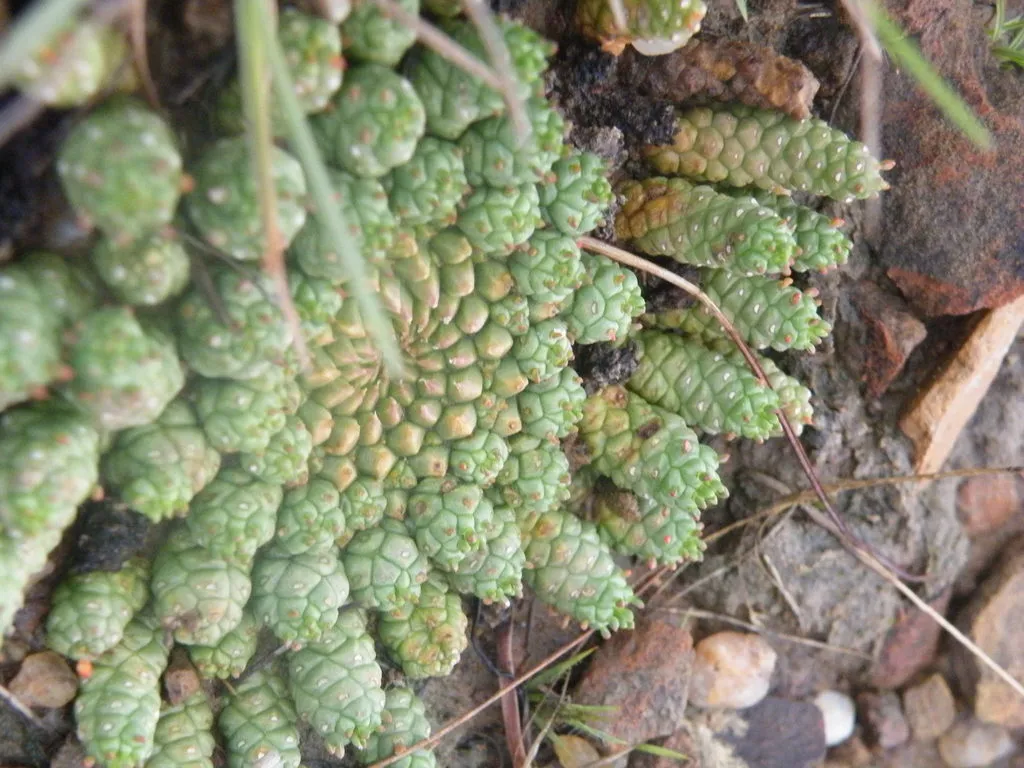
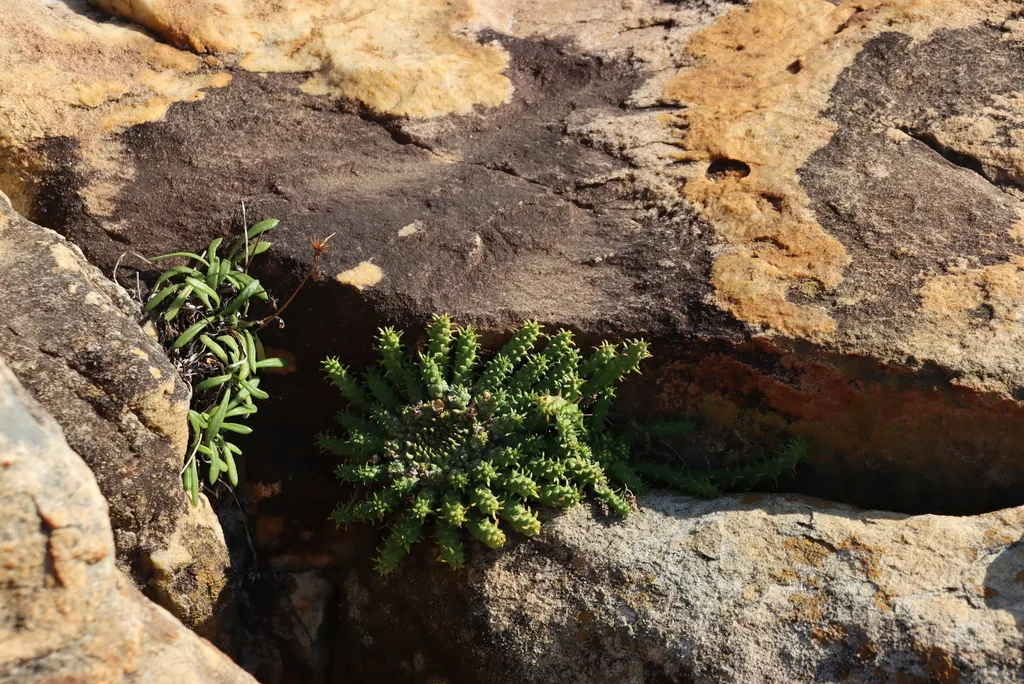
A tender, succulent perennial which produces a partially underground swollen stem or caudex, with snake-like green cylindrical stems that emerge radially from its centre to approximately 20cm (8in) in length. Narrow, lance-shaped leaves are produced at the tips of the stems as they grow and are approximately 1cm (½in) long, but are soon shed leaving the older parts of the stems bare. Short-stemmed, yellow-green floral bracts, reddish in bud, are produced along short-stems from the centre of the caudex in summer. New plantlets are produced at the tips of older stems and drop to the ground when developed sufficiently to sustain themselves and form new plants
Scientific classification
- Species
- Euphorbia flanaganii (Euphorbia flanaganii)
- Genus
- Euphorbia
- Family
- Euphorbiaceae
- Order
- Malpighiales
- Class
- Magnoliopsida
- Phylum
- Magnoliophyta
- IRRITANT to skin/eye, harmful if eaten. Wear gloves and other protective equipment when handling]
- Toxicity
- Cactus Succulent
- Plant type
- 0.1-0.5 metres
- Height
- 0.1-0.5 metres
- Spread
- Evergreen
- Foliage
- Bushy
- Habit
- Spring · Summer · Autumn · Winter
- Season of interest
- Full sun · Partial shade
- Sunlight
- 18 – 28 °C
- Ideal temperature









Euphorbia flanaganii pictures
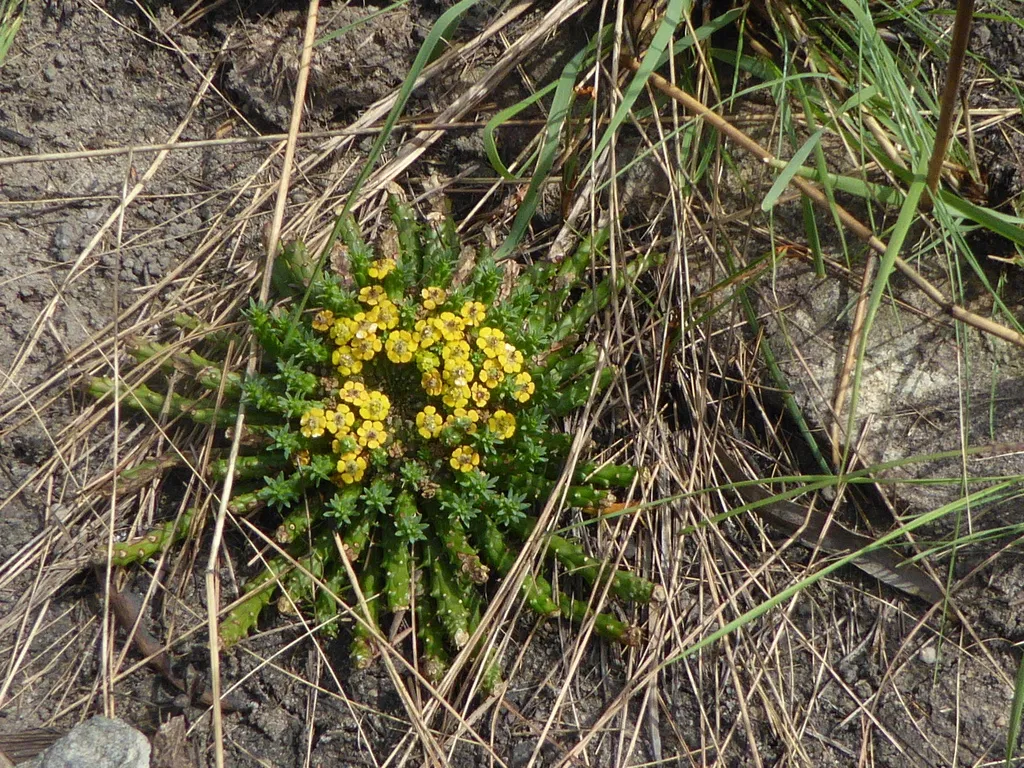
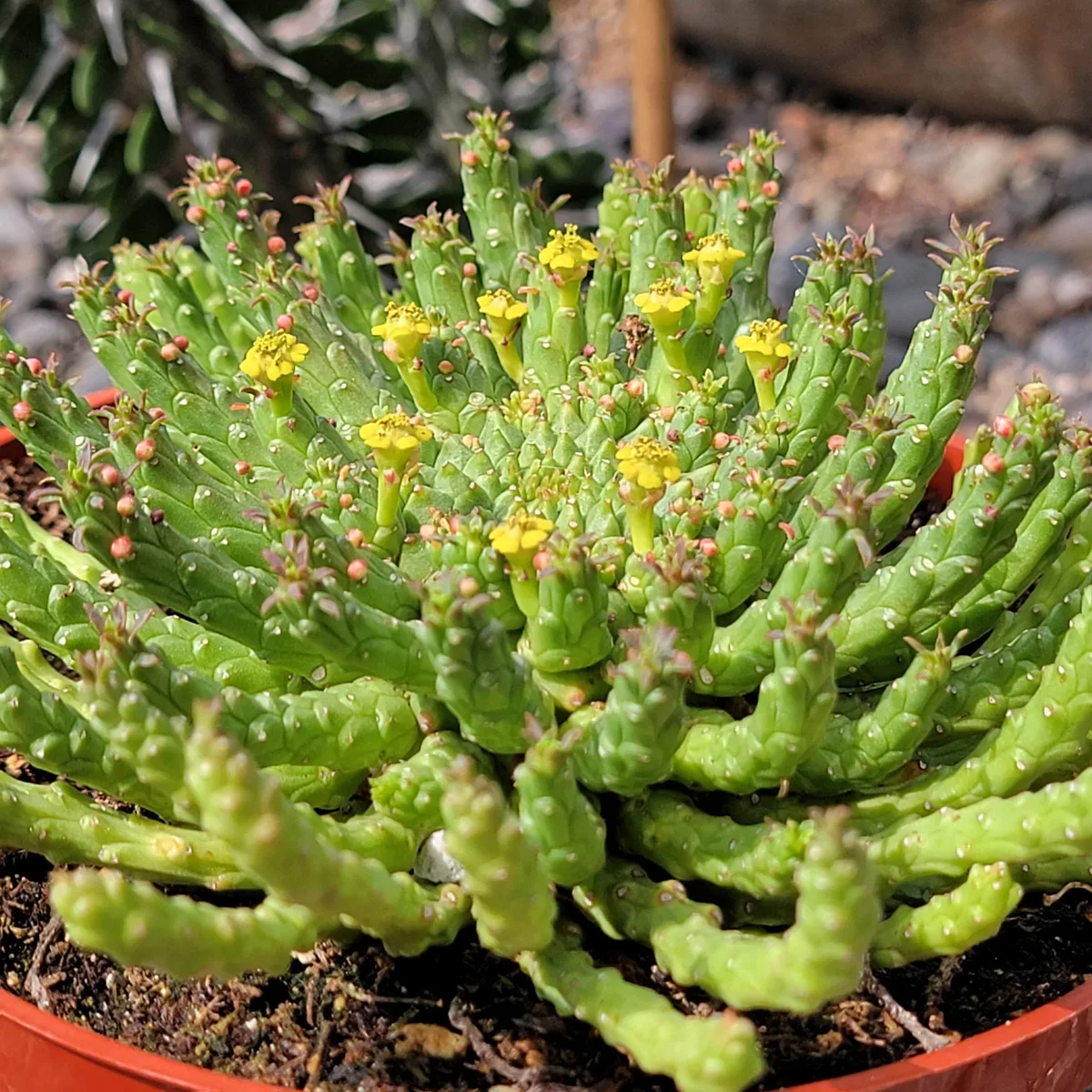
Distribution of Euphorbia flanaganii
Distribution map
- Native
- Introduced
- Cultivated
Source:WCVP v16 · Royal Botanic Gardens, Kew · CC BY 3.0 · Boundaries:WGSRPD / TDWG
Toxicity
IRRITANT to skin/eye, harmful if eaten. Wear gloves and other protective equipment when handling]
Euphorbia flanaganii care guide
- Moderate regular watering, allowing brief slight drying between soakings
- Watering
- Full sun · Partial shade
- Sunlight
- 18 – 28 °C
- Ideal temperature

Watering
Moderate regular watering, allowing brief slight drying between soakings
Fertilizing
 Fertilizing
Balanced perennial feed every four weeks from spring through summer
Pruning
 Pruning
No pruning required
Propagation
 Propagation
Propagate by seed, by cuttings or from offsets
Growing
 Growing
Grows best in well-drained soil, in full sun to partial shade. See Euphorbia for further advice
Common pests and diseases
Diseases
Generally disease-free
Pests
May be susceptible to mealybugs
Explore the plant health library →




