
blue blossom
Also known as: blue brush
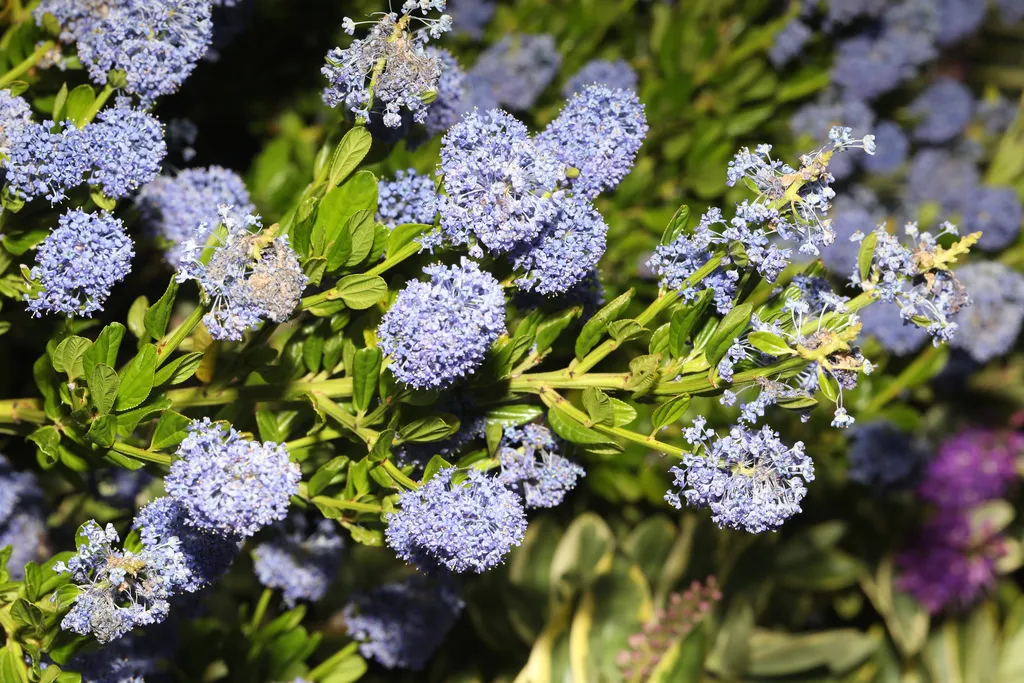
A large, vigorous, upright, evergreen shrub to 6m tall, with arching branches and small, glossy, mid-green leaves. Bears large clustersof tiny, pale to dark blue flowers in spring
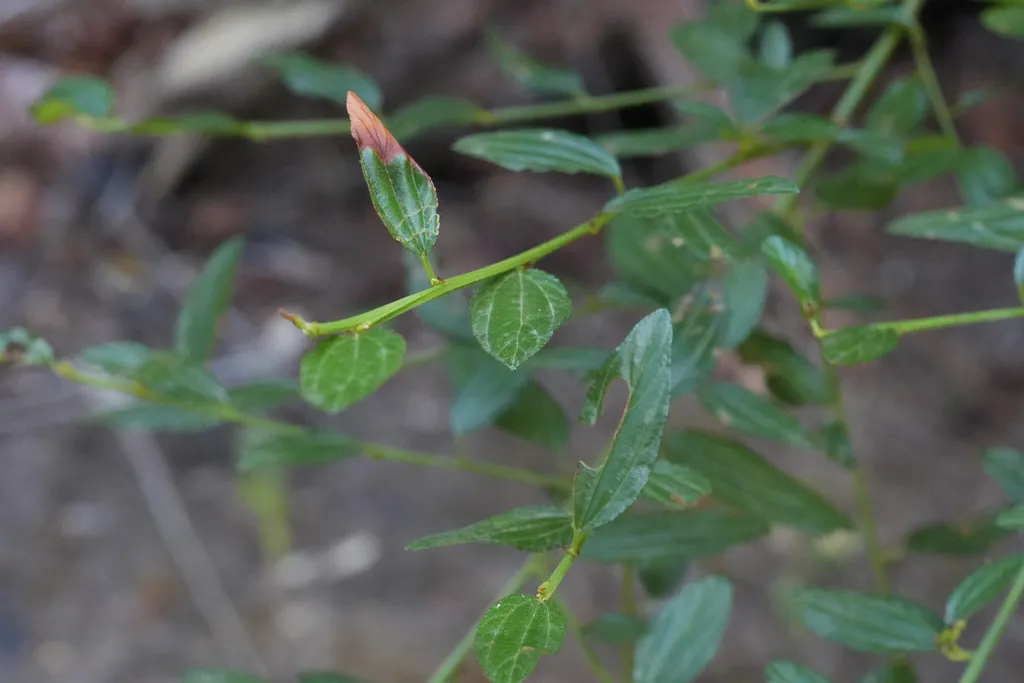
Scientific classification
- Species
- blue blossom (Ceanothus thyrsiflorus)
- Genus
- Ceanothus
- Family
- Rhamnaceae
- Information to be completed
- Toxicity
- Shrubs
- Plant type
- 4-8 metres
- Height
- 4-8 metres
- Spread
- Evergreen
- Foliage
- Bushy
- Habit
- Spring · Summer · Autumn · Winter
- Season of interest
- Full sun
- Sunlight
- Information to be completed
- Ideal temperature









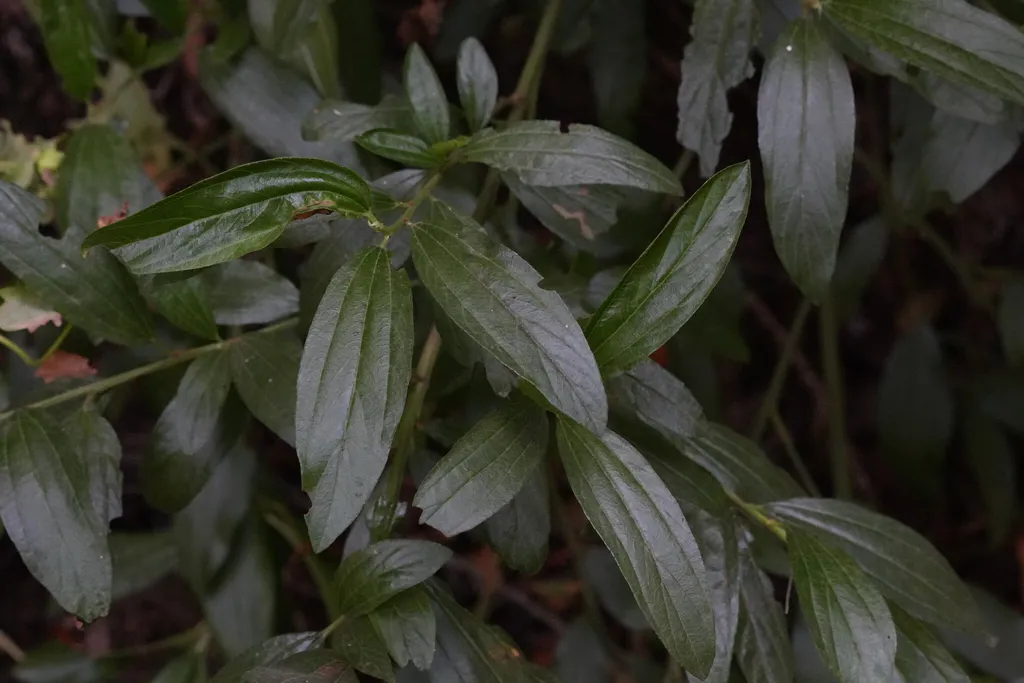
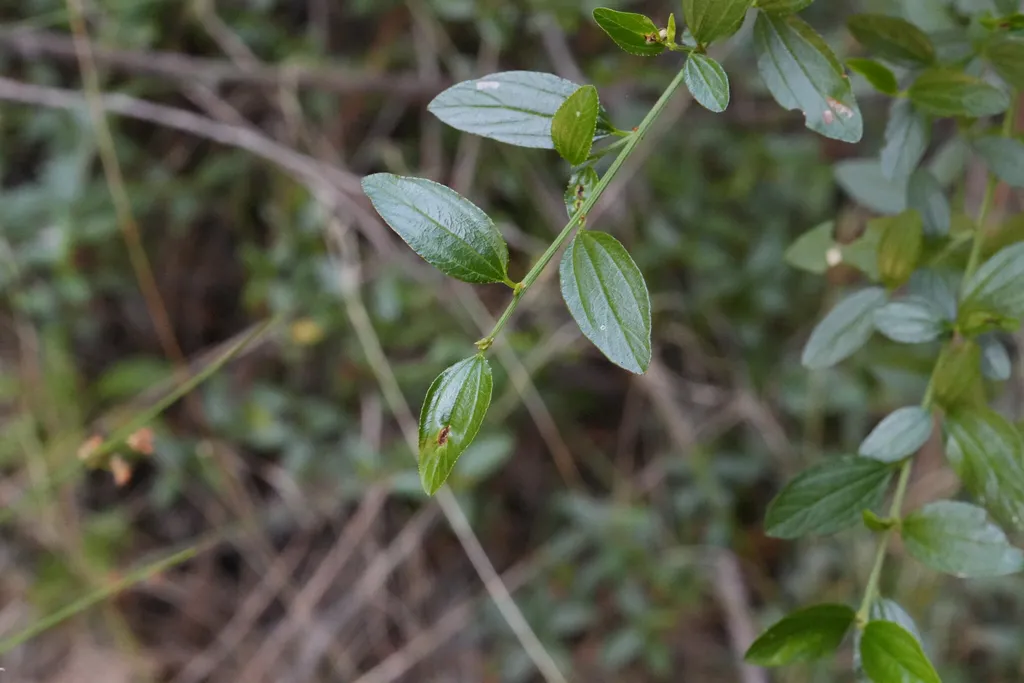
blue blossom pictures
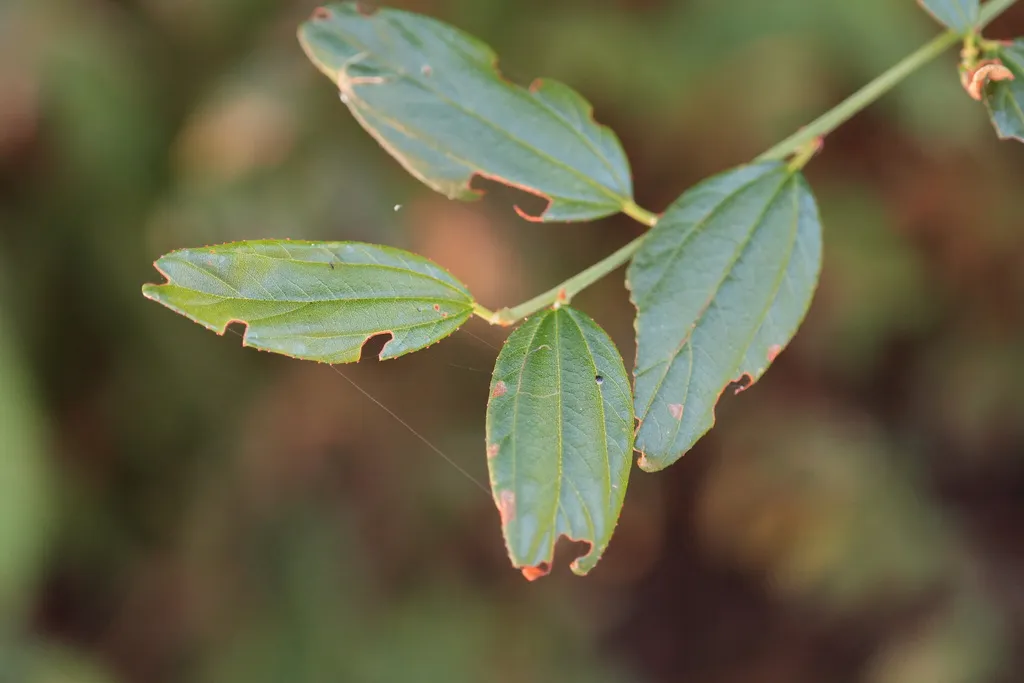
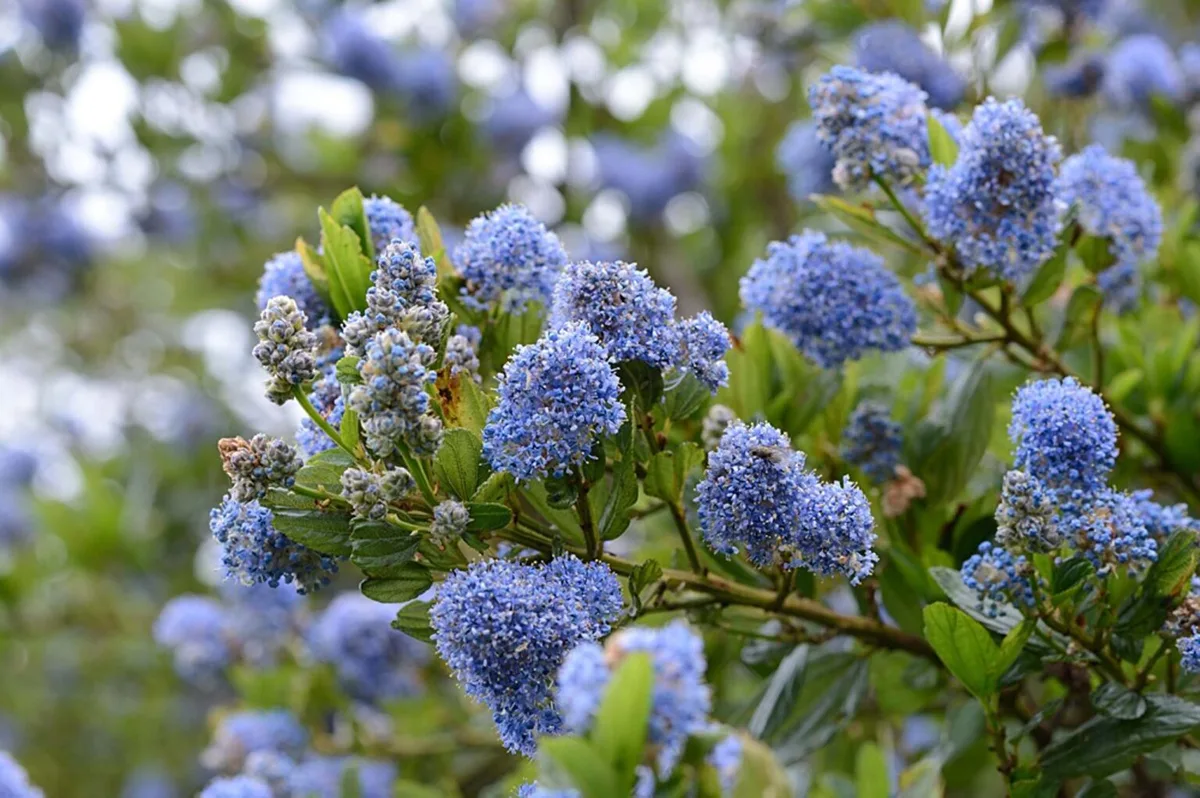
Distribution of blue blossom
Distribution map
Western US
Information to be completed
Culture
Information to be completed
Toxicity
Information to be completed
Quick identification of blue blossom
Information to be completed
blue blossom care guide
- Moderate regular watering, allowing brief slight drying between soakings
- Watering
- Full sun
- Sunlight
- Information to be completed
- Ideal temperature

Watering
Moderate regular watering, allowing brief slight drying between soakings
Fertilizing
 Fertilizing
Balanced perennial feed every four weeks from spring through summer
Pruning
 Pruning
Usually little pruning is needed. Lightly shape if necessary, removing dead, damaged or diseased shoots. Prune after flowering.
Propagation
 Propagation
Propagate by semi-hardwood cuttings in mid- to late summer
Growing
 Growing
Grow in fertile, well-drained soil in full sun with shelter from strong, cold winds. Lime tolerant but may become chlorotic on shallow chalk soils. See ceanothus cultivation
People also ask
Information to be completed
Common pests and diseases
Diseases
May be susceptible to honey fungus
Pests
May be susceptible to scale insects
Explore the plant health library →




