
ox-eye daisy
Also known as: big daisy; bull daisy; dog daisy; dun daisy; espibawn; field daisy; herb Margaret; horse daisy; horse gowan; large white gowan; love-me-not; mathes; maudlinwort; midsummer daisy; moon daisy; moon flower; moon penny; poor-land daisy; pretty maids; sheriff pink; white cap; white daisy; white goldes; white man's weed; white ox-eye; white weed; love-me; marguerite
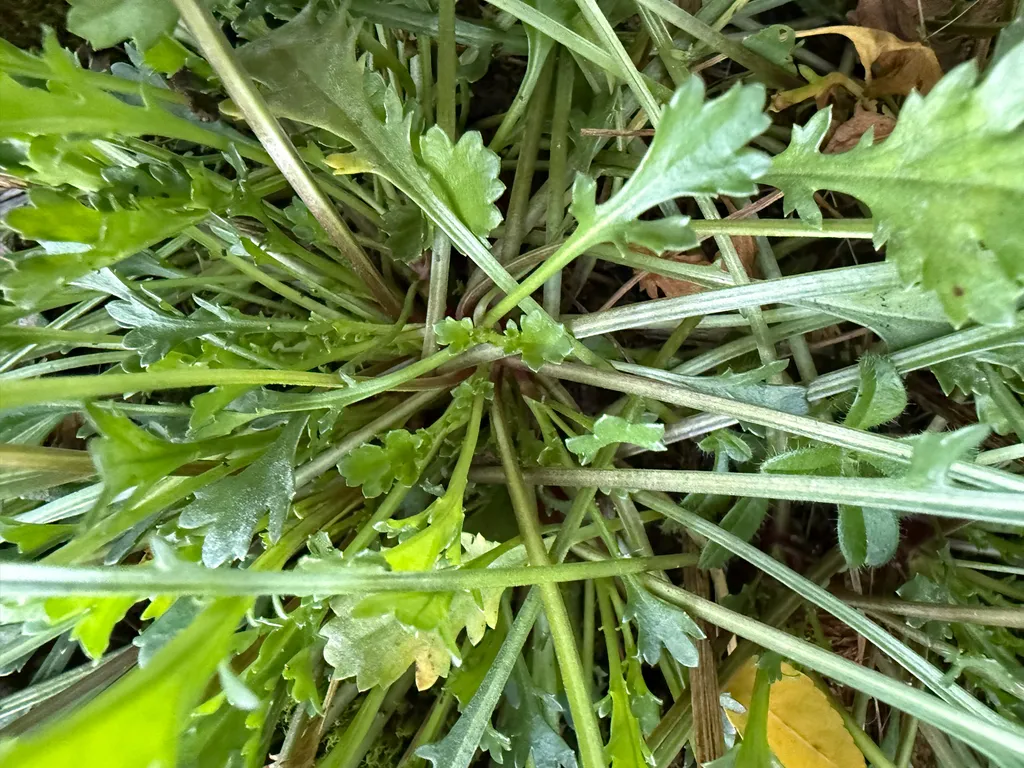
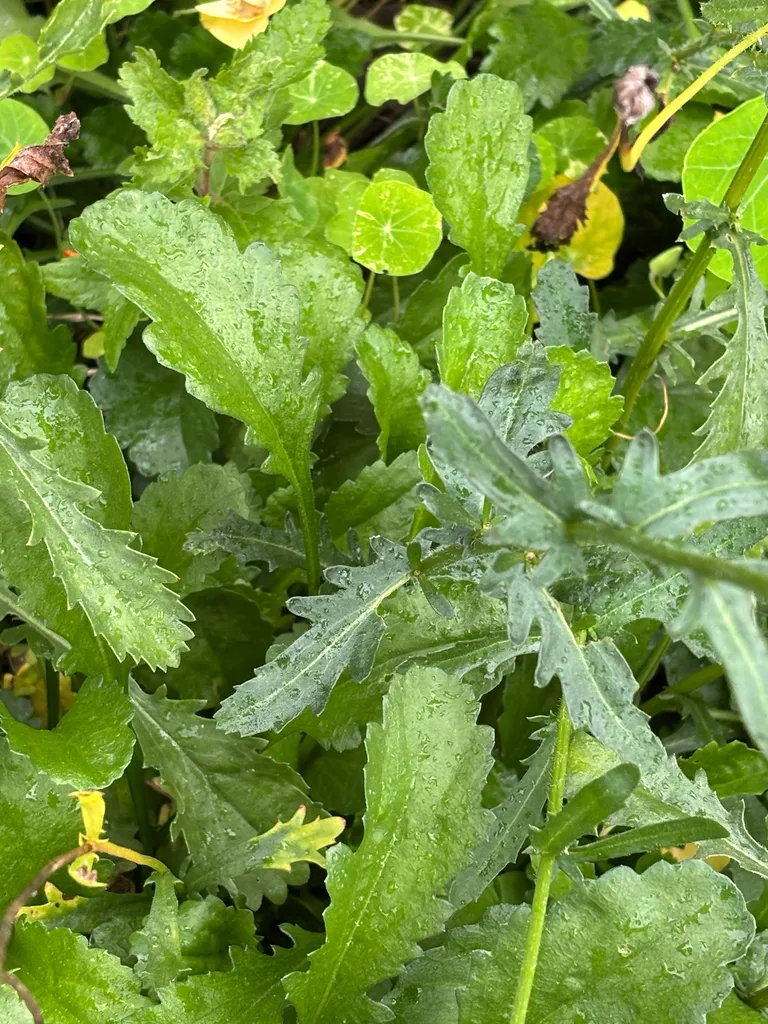
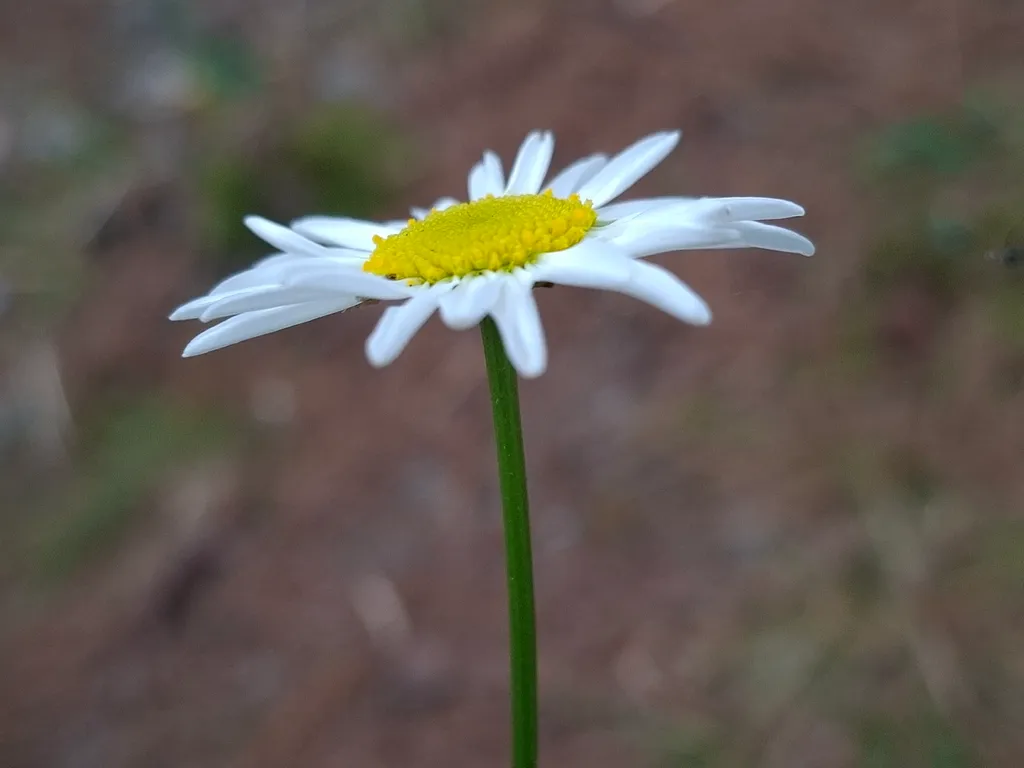
A rhizomatous perennial to 90cm tall, with clumps of dark green spoon-shaped basal leaves to 10cm long and shorter stem leaves. Solitary white, daisy-like flowerheads with yellow disk florets, are produced in late spring and early summer above the foliage
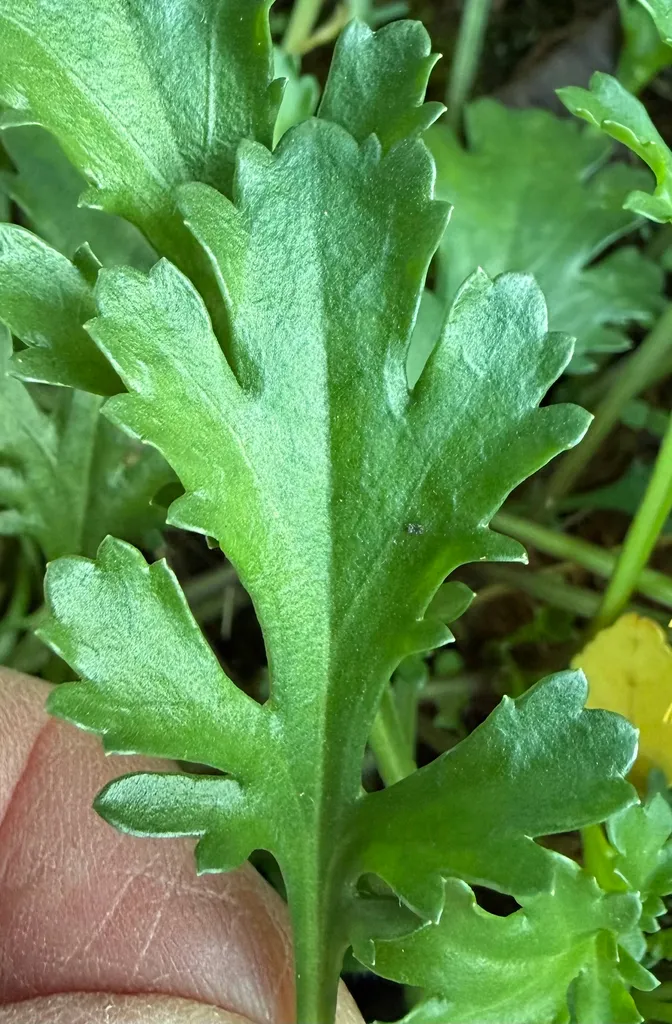
Scientific classification
- Species
- ox-eye daisy (Leucanthemum vulgare)
- Genus
- Leucanthemum
- Family
- Asteraceae
- Order
- Asterales
- Class
- Magnoliopsida
- Phylum
- Magnoliophyta
- Information to be completed
- Toxicity
- Herbaceous Perennial
- Plant type
- 0.5-1 metres
- Height
- 0.1-0.5 metres
- Spread
- Deciduous
- Foliage
- Clump forming
- Habit
- Spring · Summer · Autumn
- Season of interest
- Full sun · Partial shade
- Sunlight
- Information to be completed
- Ideal temperature









ox-eye daisy pictures
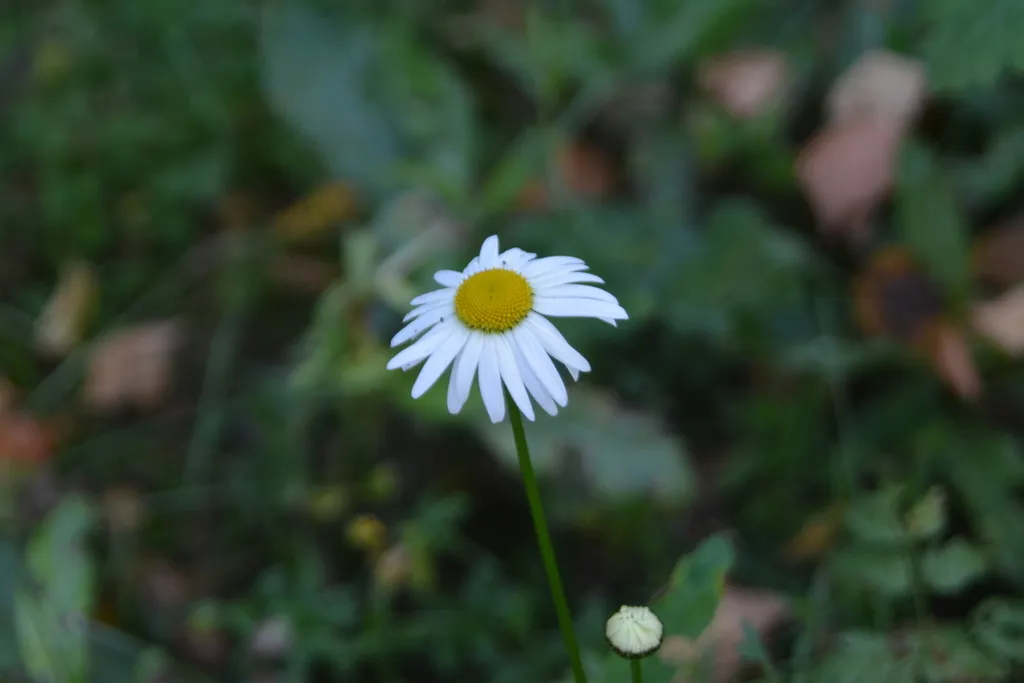
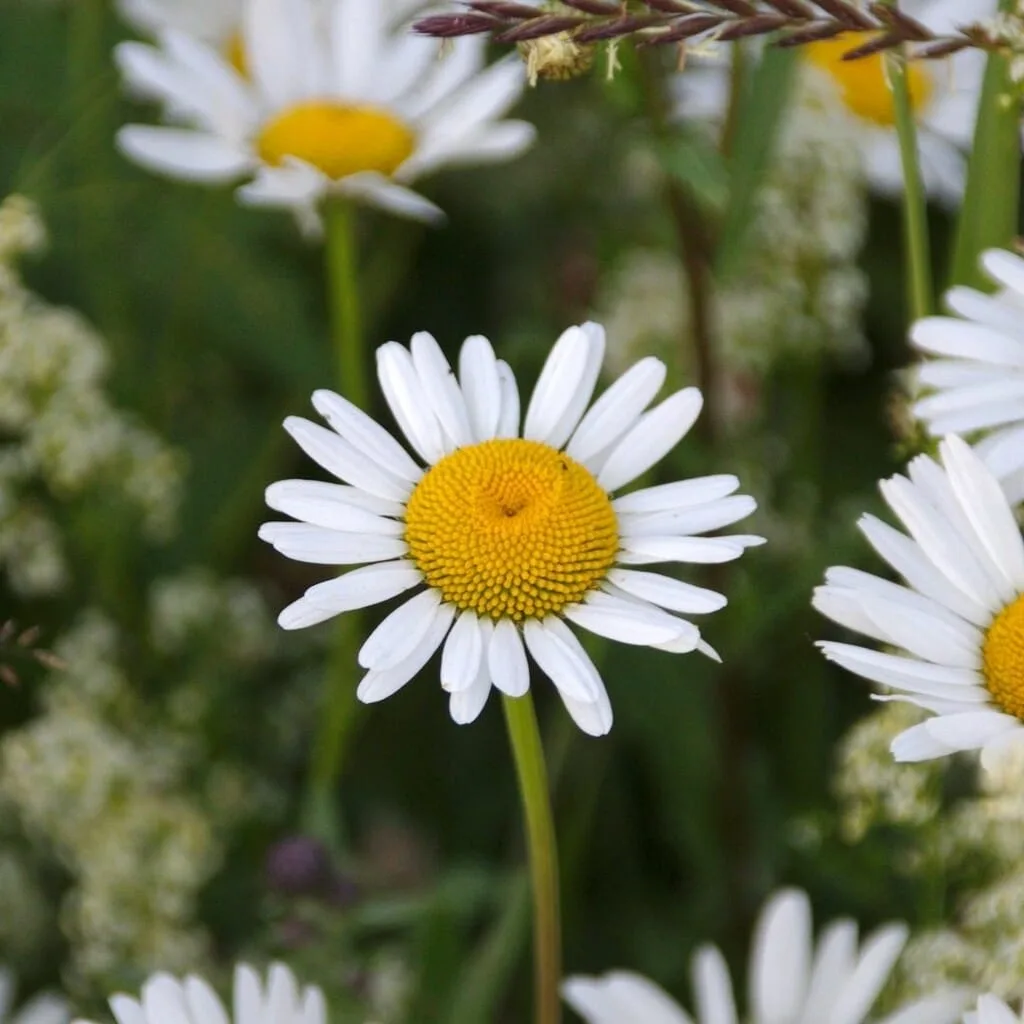
Distribution of ox-eye daisy
Distribution map
- Native
- Introduced
- Cultivated
Source:WCVP v16 · Royal Botanic Gardens, Kew · CC BY 3.0 · Boundaries:WGSRPD / TDWG
ox-eye daisy care guide
- Moderate regular watering, allowing brief slight drying between soakings
- Watering
- Full sun · Partial shade
- Sunlight

Watering
Moderate regular watering, allowing brief slight drying between soakings
Fertilizing
 Fertilizing
Balanced perennial feed every four weeks from spring through summer
Pruning
 Pruning
Deadhead regularly then cut stems down to the ground in winter
Propagation
 Propagation
Propagate by seed or division
Growing
 Growing
Grow in moderately fertile, moist but well-drained soil in full sun or partial shade; plants may need support
Common pests and diseases
Diseases
May be subject to a leaf spot
Pests
Can get aphids
Explore the plant health library →




